The Wipers Times

Review by Matthew Forrest

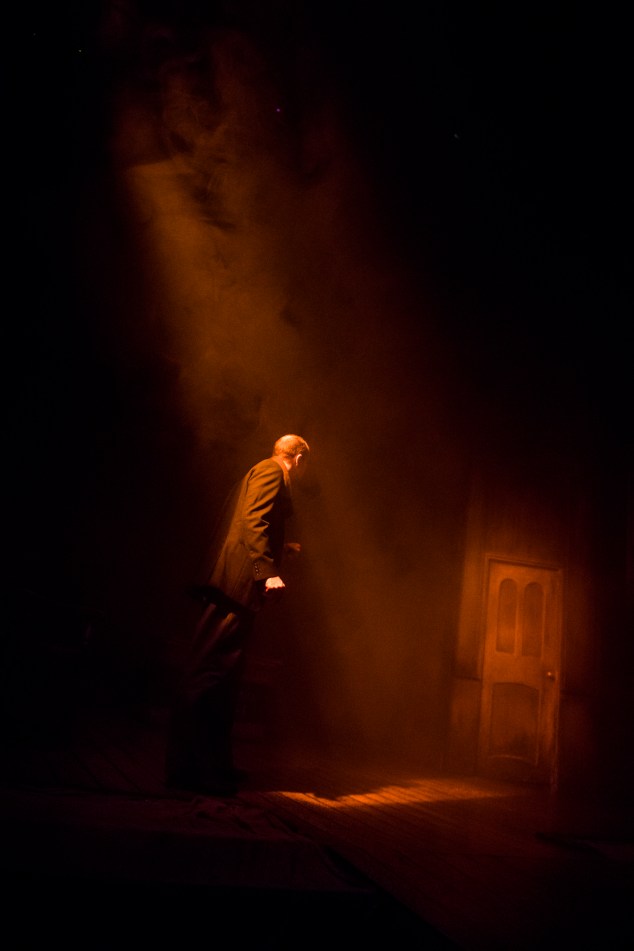
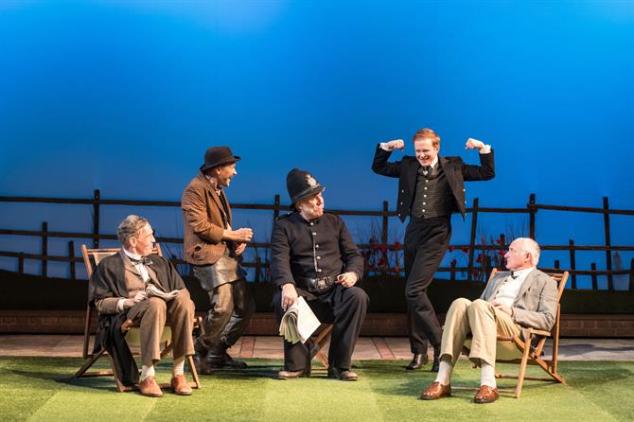
What do you think of whenever the First World War is mentioned? The trenches? The mud? The tragic loss of life? People of a certain age, myself included, will be reminded of GCSE History lessons, with poems by Wilfred Owen and Siegfried Sassoon.  It would be fair to say that this period in history is not remembered for its’ humour or biting comedy. However, writers Ian Hislop and Nick Newman are on-hand to give us an alternative and surprising version of the Great War through their play The Wipers Times.

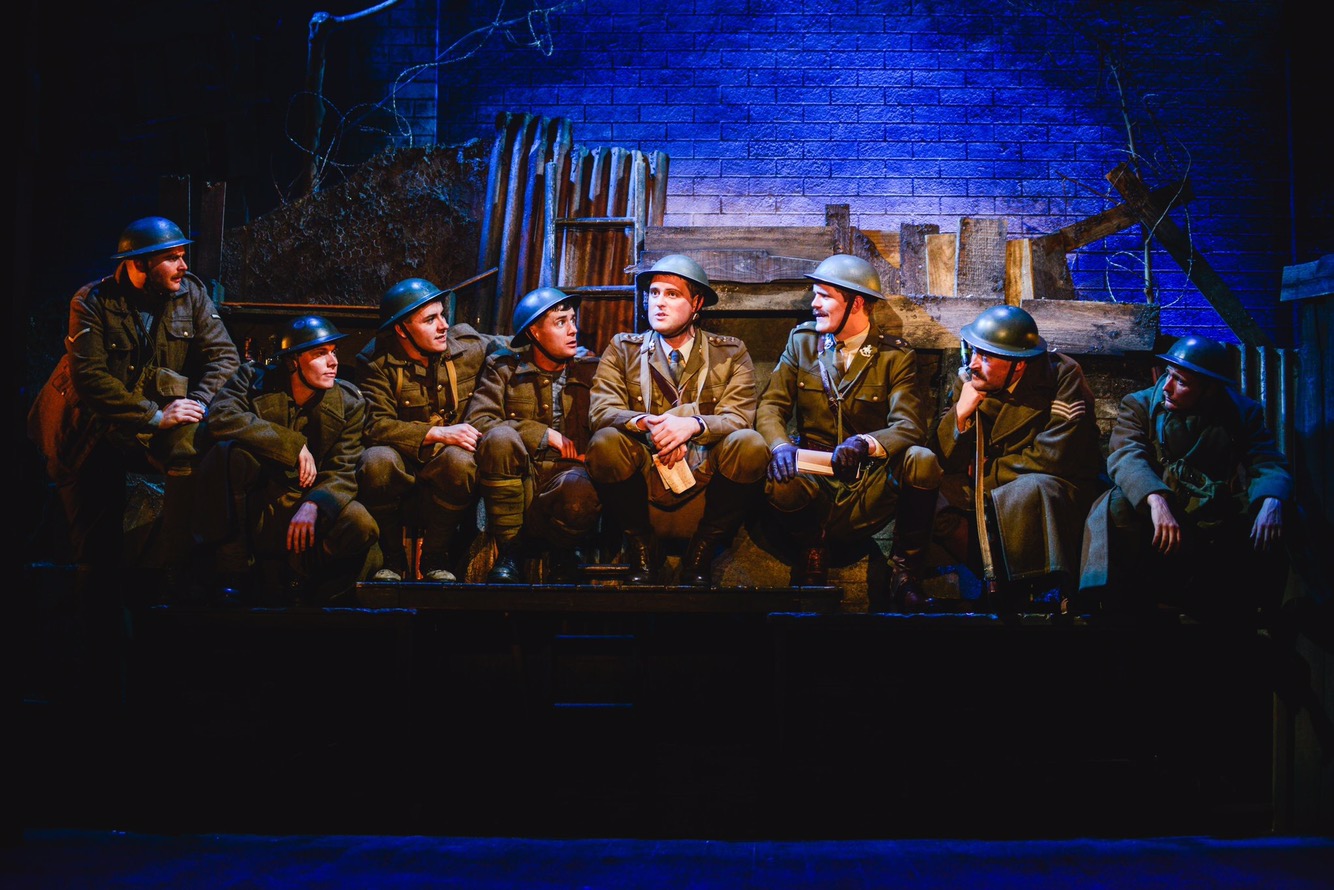
The Wipers Times was a satirical magazine produced on the frontline by soldiers who, when not dodging German mortars, were sharpening their satirical swords and giving the military top-brass a good savaging. The magazine grew with every passing publication and provided the ‘Tommys’ with a morale boosting spot of light relief.


Adapted from Hislop and Newman’s BBC film of the same name, the play focuses on a band of soldiers from the 24th Division of the Sherwood Foresters.  Whilst based in Ypres, they stumble upon a printing press and with this, Captain Fred Roberts and Lieutenant Jack Pearson hit upon the idea of writing a journal made up of jokes and skits to send up the grim situation they find themselves in.  Fake adverts and spoof war reports are the order of the day as the magazine gains popularity with the troops whilst raising the ire of those in command.

This is an excellent piece of the theatre and well worth going to see. As you would expect from writers of their calibre, the jokes are bang on point, and although they freely admit they lifted the best gags directly from the pages of ‘The Wipers’, this is their love letter to a publication which proceeds magazines such as Viz, Punch, and their own magazine Private EyeIt provides a fascinating insight into satire as well as the British stiff-upper-lip. There are gags about the Daily Mail and ridiculous facial hair that, despite being 100 years old, still seem relevant today thus proving a good gag done properly will always be timeless.
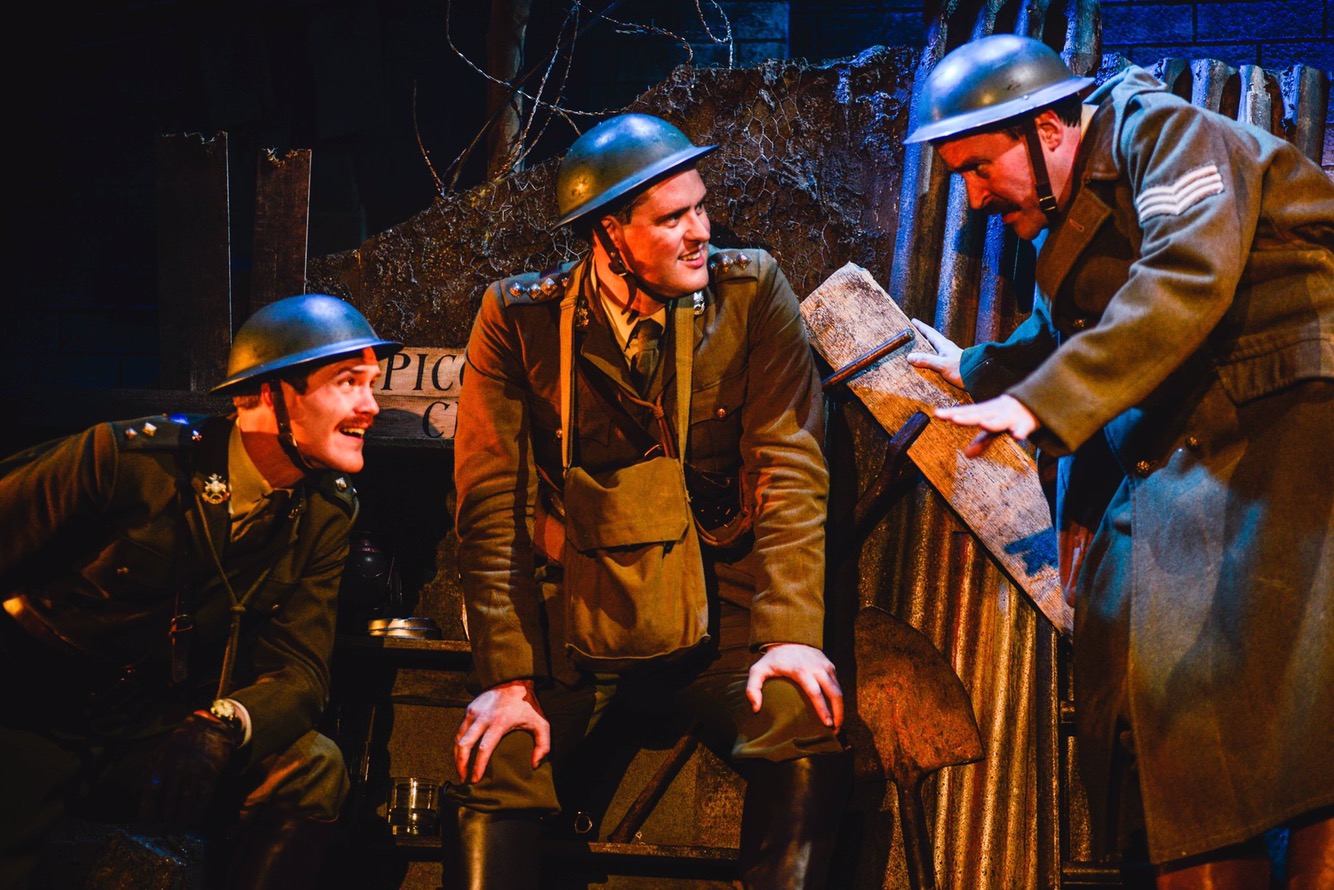
The cast are on top form: James Dutton and George Kemp are excellent as Roberts and Pearson and it is their friendship which drives the play. They are supported by a great, young cast of actors who really show the camaraderie and spirit of the time, made all the more poignant with the loss of one of their ranks.

Director Caroline Leslie has got the balance between humour and pathos just right.  Leslie has got the tone spot-on and has judged it exceptionally well. The comedic set-pieces of the musical hall numbers and mock adverts are the highlights; they tip more than a nod and wink to Monty Python’s Flying Circus or The Goons and fans of this style of humour will love it.

The production design is first class, with Dora Schweitzer’s claustrophobic set design in conjunction with Steve Mayo’s booming sound scape: yes this is a comedy but you’re only a moment away from potential catastrophe, as the debris falls from the ceiling, you feel the soldiers peril and part of the action.

The production does have a few very minor issues. At times some of the dialogue was lost; I think maybe the microphones needed turning up a touch.

The Wipers Times is a funny, sharp, entertaining snap-shot of a little known part of Britain’s history, but more importantly it’s a celebration of something we do better than anyone the world over…….”taking the p**s”.

The Wipers Times is on at the Manchester Opera House till the 4th November

http://www.atgtickets.com/shows/the-wipers-times/opera-house-manchester/

The Kite Runner

KR

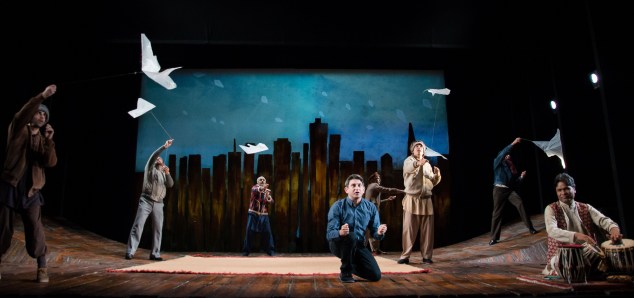
Based on Khaled Hosseini’s 2003 international best-selling novel which was adapted for the screen in 2007 and following a hugely successful West-End run, The Kite Runner arrives at the Lowry this week, its second stop as part of an extensive UK tour.

First produced in the United States back in 2009, Matthew Spangler’s adaptation is as beautiful and breath-taking as fans of the book would have hoped, with rich storytelling via lead character Amir’s non-stop narrative, Director Giles Croft ensures The Kite Runner is a powerful and cleverly delivered theatrical experience.

KR 1

There are no gimmicks needed as the compelling and haunting story is sensitivly told. Amir and Hassan are opposites in every way, Amir is privileged, Hassan his servant, poor, illiterate yet fiercely loyal. As Afghanistan their homeland is about to be torn apart by war, so too is their unique friendship.

While there are many elements which make up this unforgettable piece it is ultimately a story about a young boy’s guilt and later journey towards redemption. After witnessing a tragedy as a child which impacts profoundly on the lives of the core characters, Amir is forever burdened by his guilty secret, knowing he chose not to speak up to stop the heart-breaking act. Even moving to the other side of the world to start a new life doesn’t enable him to escape the dark and crippling secret. As we follow his journey, his plea for forgiveness captures the true heart of this incredibly rich and utterly captivating production.

KR 2

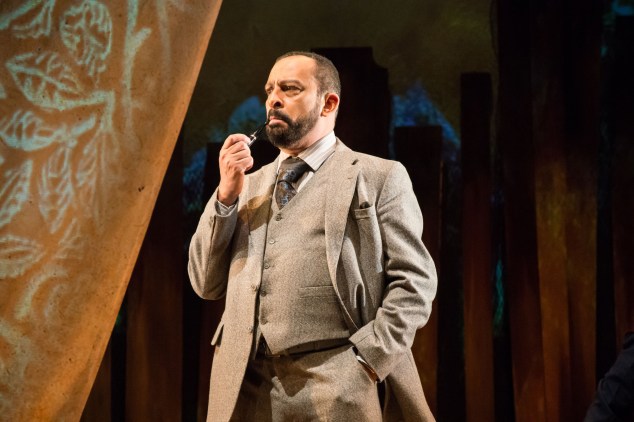
David Ahmad as Amir delivers a powerful and extremely moving performance, on stage for the entire production his clear narration allows the piece to flow gently and build dramatically as tragedy unfolds and secrets are revealed. Emilio Doorgasingh is perfectly cast as Baba, Amir’s Father, he embodies the character entirely, from strong proud, privileged Pashtun to elderly and infirm immigrant, Doorgasingh is superb. Jo Ben Ayed’s portrayal of both Hassan and Sorab is deeply touching and incredibly powerful, mild and submissive yet unshakeably loyal to his friend Amir.

KR 4

The set is simple yet hugely effective, dominated by a fan-shaped kite and evocative screen projections from William Simpson, guiding the audience softly from Kabul to San Francisco. The whole production is gently underscored by live tabla player, Hanif Khan, whose music stirs emotion and adds further authenticity to the piece.

Emotional, deeply moving and beautifully staged, The Kite Runner runs at The Lowry until Saturday 7th October tickets available here www.thelowry.com/events/the-kite-runner

Herding Cats – Preview

HerdingCatsPoster

On Weds 24th May, critically acclaimed Play With Fire Productions return to Hope Mill Theatre with their latest production, Herding Cats.

The black comedy focuses on central characters, Justine (Kaleigh Hawkins), Michael (Daniel Bradford) and Saddo (John Gully), for them life is a challenge, about as easy as Herding Cats; as they battle to navigate life with all the love, loss, trials and tribulations it brings.

The acclaimed play finds dark humour in the loneliness of life while, writer, Lucinda Coxon’s characters will burrow into your brain as you recognise familiar life challenges played out before you.

The creative team behind the production is led by director Lawrence Evans (nominated for an Olivier Award for his work at the National Theatre with Tony Harrison, A Midsummer Nights Dream with the Irish Chamber Orchestra & Storytellers Theatre Company) and designer Elizabeth Wright (Theatre by The Lake).

This will be Play With Fire Productions third visit to Hope Mill after two hugely successful shows Orphans (January 2016) and Sans Merci (September, 2016) which received rave reviews from both audiences and critics alike.

Herding Cats Weds 24th May until Saturday 3rd June at Hope Mill Theatre

Tickets are available now via http://hopemilltheatre.co.uk/events/herding-cats/

Winter Hill

WH

Set on Bolton’s iconic Winter Hill, Timberlake Wertenbaker’s new play explores what could happen if corporate greed was allowed to take over the town’s beloved moorland and the effect of this on a group of feisty local women, not yet ready to bow down to might of the developers. Transforming their reading-group into a powerful political statement where revolution, resistance and rebellion take centre stage the ladies occupy the part-built sky-scraping hotel as they declare themselves to be “Women Against Erection”.

The play is delivered in a series of flashbacks, present day sees Emma (Fiona Hampton) daughter of activist Dolly (Denise Black) meeting with some of the women who occupied the building with her mother to find out the truth about what actually happened that day.

Winter Hill is a real ensemble piece with clear and witty narrative and a cast any production would be thrilled to have, it’s a joy to see such talented female actresses under one roof. Denise Black, is superb as the gutsy and fearless Dolly, she is determined to safeguard the future of Winter Hill for the generations to come to enjoy and explore as she did. Souad Faress takes on the role of Vivian; somewhat mysterious in her background she is quietly confident and utterly committed to the cause. Janet Henfrey delivers a fine performance as wheelchair bound Felicity, weak of body but strong of mind she offers sharp and witty observations of the world as she sees it. Louise Jamerson’s Beth is less revolutionary than her friends but her loyalty to them soon sees her understanding more their reasons for resistance. Attempted voice of reason is local councillor Irene (Cathy Tyson) calm and rational she attempts to talk the ladies out of their action but you can’t help think she like the rest of the Council has been dazzled by the investors as she attempts to justify their approval of the monstrous hotel despite the fact the promised school and social housing seem to have been long forgotten now the developers have moved in.

WH1

Resident Octagon artistic director Elizabeth Newman has delivered a thought-provoking and quality piece of drama, this all female cast shine as they strive to decide what makes a heroine and eventually realise that if they are going to be heroines then they will be heroines for humanity, a sentiment that really strikes a chord in the current unsettling political climate. This is a passionate and spirited piece as we see the underdog fight to make a difference, the women are tired of being suppressed and will go just as far as they need to make sure their voice is heard. They declare that the bullies “…don’t come with machine guns but power points and plans” as they unite to show just how strong and important people power can be, a relevant and powerful reminder to us all.

On at the Bolton Octagon until Saturday 3rd June tickets available here https://octagonbolton.co.uk/whats-on/theatre/winter-hill/


Extra matinee of The Play That Goes Wrong!

PTGW2

Due to enormous demand an additional matinee performance of the West End and Broadway hit The Play That Goes Wrong has been added to the Lowry run on Friday 9th June at 2pm!

The multiple international award winning production will entertain north west audiences for a week long run from Monday 5th-Saturday 10th June, this highly physical comedy delivers the finest of slapstick humour and has audiences literally rolling in the aisles as the bonkersly brilliant cast act up a storm on stage.

PTGW

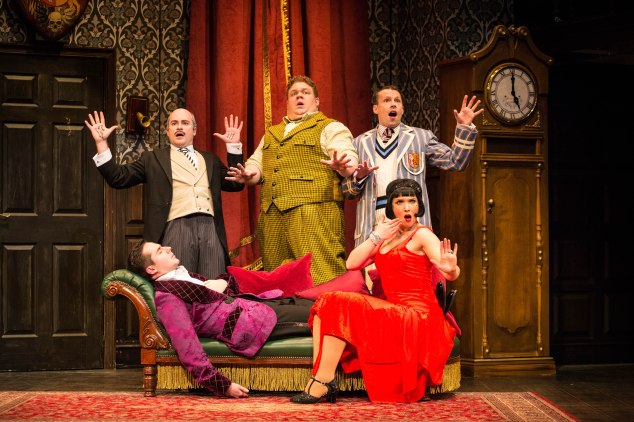
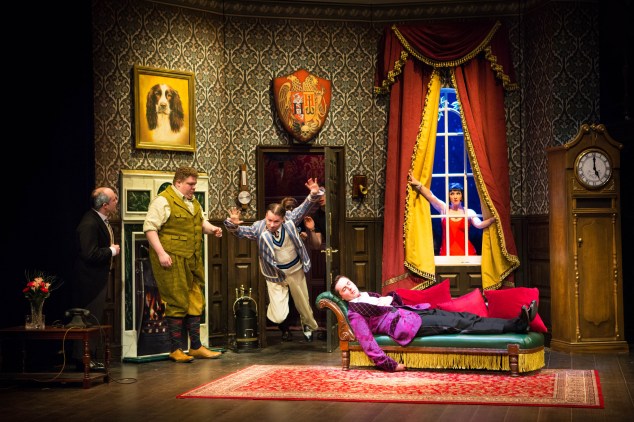
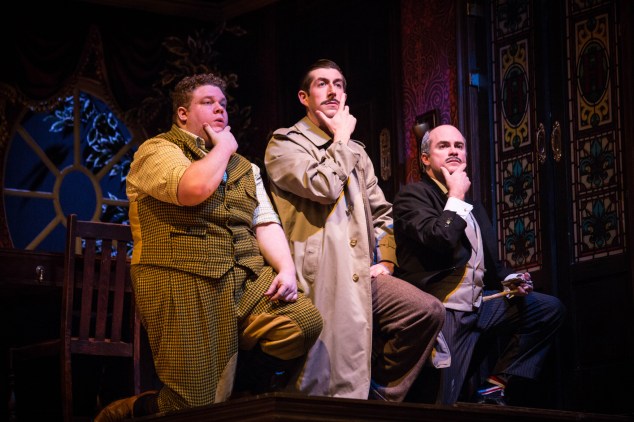
The play introduces The ‘Cornley Polytechnic Drama Society’ who are attempting albeit disastrously to put on a 1920s’ murder mystery, but as you would guess (and secretly hope), everything that can go wrong ultimately does, as the accident prone thespians battle on against all the odds to get to their final curtain call.

The Play That Goes Wrong is an absolute riot of expertly choreographed mayhem and side-splitting silliness, a huge audience pleaser an absolute barrel of laughs.

Tickets available via the following link https://www.thelowry.com/events/the-play-that-goes-wrong

Running Time: 2 hours & 5 minutes including 1 interval Suitable for ages 8+.

PTGW1

Bucket List

(c) Alex Brenner

Following an award winning Edinburgh Festival Fringe run, the internationally acclaimed Theatre Ad Infinitum bring their latest powerful piece Bucket List to the Lowry.

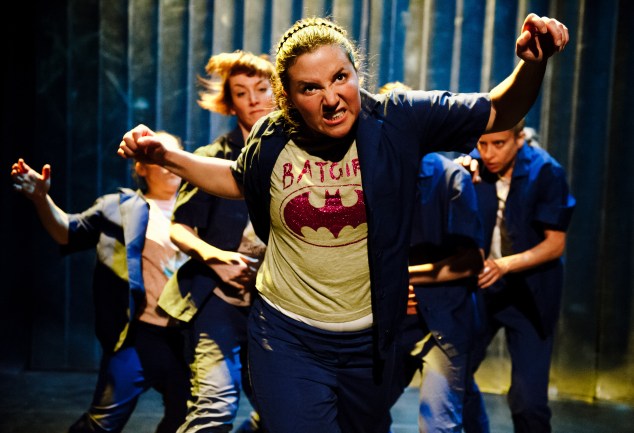
The all-female cast tells the story of Milagros, a spirited Mexican orphan who tragically sees her mother murdered during an anti-corruption protest. Milagros is left with only a bloodied list of names, names of those responsible for her mother’s death. Milagros soon realises her only option to make them pay and find her vengeance is to destroy them, one by one.

(c) Alex Brenner

Ad Infinitum’s style of story-telling is exceptional, physical, effusive and hugely powerful. The piece at 90 minutes straight through with no interval flows rapidly and packs a punch, raising a fist of defiance to the powers that be. The ensemble cast successfully take on a number of roles; once you get into the flow of how this innovative company share their tales you are soon scooped up and hooked by their charismatic and emotive style.

(c) Alex Brenner

(c) Alex Brenner (info@alexbrenner.co.uk)

Director Nir Paldi perfectly illustrates through her cast the desperation and frustration of living in a place where poison not only flows through the rivers but right to the core of the establishment. The cast made up of Tamsin Clarke, Charli Dubery, Luisa Guerreiro, Orian Michaeli, Deborah Pugh, Shamira Turner portray this tangled web of hurt and pain magnificently, there are many light-hearted moments of joy as we see Milagros childlike, innocent as she has fun with her young friends before the brutality of real life takes over. An interesting and clever narrative of a chess game flows through the piece, offering tactical advice on how best to make the next and most deadly move whilst offering up the suggestion we are all just pawns in a bigger and much more terrifying game.

Bucket List is passionate and incredibly moving, intricate and brilliantly delivered, physically charged theatre at its best. On at the Lowry until Thursday 27th April tickets available here; https://www.thelowry.com/events/bucket-list

Jane Eyre

3

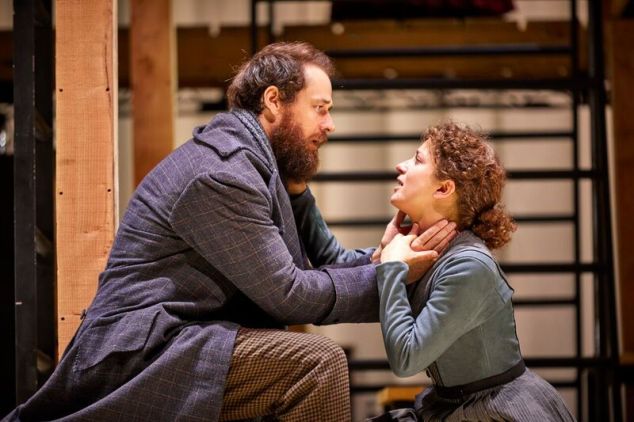
First staged at the Bristol Old Vic, where the story was performed over two evenings, director Sally Cookson brings her acclaimed production on tour, presenting Bronte’s much loved classic as a thrilling and inventive performance beautifully staged in the Lowry’s Lyric theatre.

6

While many will be familiar with the story of Jane Eyre for some it’s one of those novels that you may have always intended to read but never quite got there, it is the biography of orphan girl Jane Eyre (Nadia Clifford) and bares striking similarity to Brontë’s own life, raised in the North of England Jane is taken in by her Uncle after the heartbreaking death of her parents, much to the disgust of his cruel wife, Jane’s Aunt, Mrs Reed (Lynda Rooke). When Jane’s Uncle becomes unwell, he asks Mrs Reed to promise to raise Jane as her own, sadly although she provides a house for Jane to dwell in she certainly doesn’t offer the love and warmth of the promised home subjecting Jane to a life of misery and abuse from not just her Aunt but her Cousins as well. At 10 years old she shipped off to Lowood, a school for orphaned girls, where she continues to experience a cruel and unforgiving life, despite this Jane manages to form a strong bond with her school friend Helen Burns (Hannah Bristow), tragedy however is never far away and Jane suffers more gut-wrenching loss.

7

Eventually Jane becomes a teacher at Lowood but yearns for change and adventure, she advertises herself as a Governess and is soon summoned to Thornfield Hall to educate Edward Rochester’s (Tim Delap) French ward Adele. As the developing friendship between Jane and Rochester begins to build strange happenings within the house start to occur risking both the safety and the future of both Jane and Rochester.

9

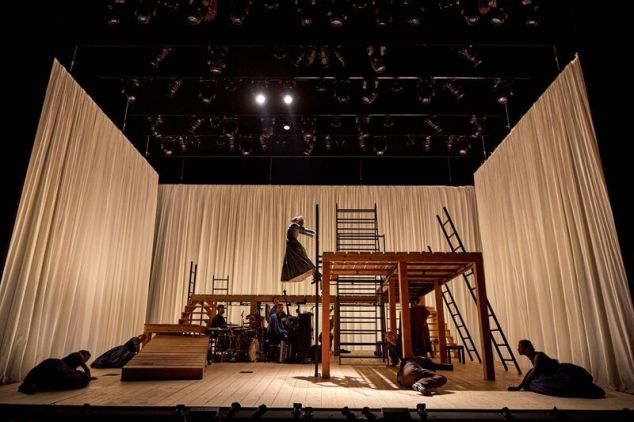
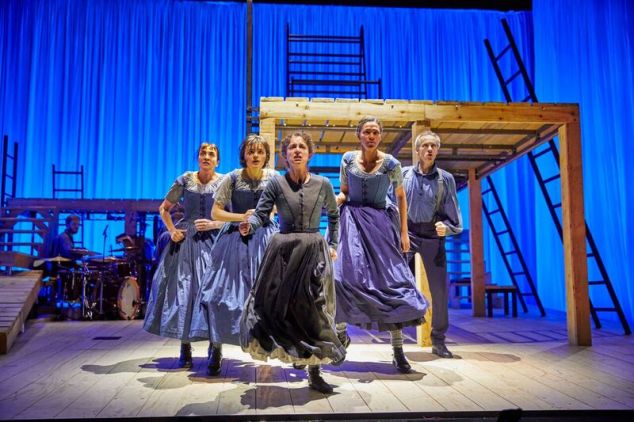
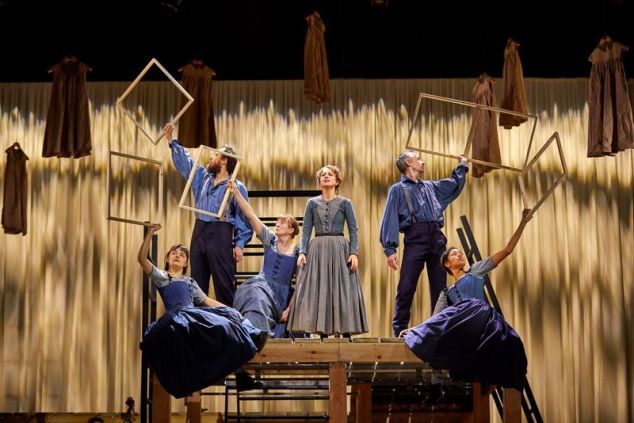
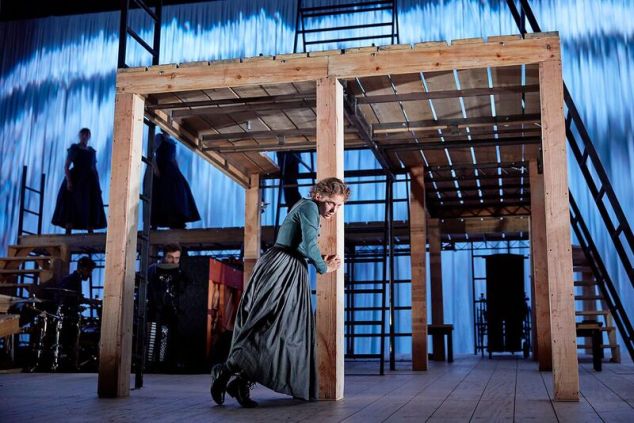
The staging of this production is immediately striking upon entering the theatre; set designer Michael Vale uses wooden pallets to create various levels and platforms accompanied by multiple ladders and steps which are used to maximum effect by the cast. Aideen Malone’s lighting design is bold and dynamic, creating and changing the atmosphere dramatically throughout the production.

4

The small cast take on a multitude of roles throughout the play and are magnificent, their characterisation outstanding and utterly captivating. They strive to ensure we see Brontë’s work is just as relevant today as it was then; they deliver each and every character with commitment and style. The piece feels fresh and inspiring as the spirited and strong Jane fights for her own freedom and fulfilment. Jane is told early on in the play after being punished by her Aunt in the red room, “Perhaps you should learn to keep your passions under control” something we soon realise is a thing Jane in order to be true to herself could never do. Nadia Clifford is superb in the role of Jane, yearning for liberty and adventure her spirit is strong and her need for fulfilment, physically, spiritually and mentally never wavers. Clifford is mesmerising, charismatic and captivating you immediately warm to her and are desperate for her to succeed. Sally Cookson uses several cast members to verbalise Jane’s inner thoughts, this works beautifully, illustrating just how strong and determined Jane truly is as she battles with herself to do what she believes is right as heart-breaking as it may be.

8

Melanie Marshall as Bertha Mason, the ‘lunatic in the attic,’ is superb, frequently appearing through musical interludes her vocals are hauntingly brilliant and pack a real punch. The effect feels almost like a musical narrative, with hugely inventive and highly original song choices that flow beautifully from one scene to the next offering more depth to an already magnificent production. The entire cast give their all; they make for a tight ensemble and move fluidly from one role to the next, accompanied by on stage musicians who add a further creative layer to this inventive piece.

10

Jane Eyre is a truly exceptional piece of theatre, groundbreaking and utterly captivating. Brontë’s much loved masterpiece is delivered with freshness and intelligence, you can’t help but think how pleased she would be to see her Jane portrayed with such heart and soul. The National Theatre in partnership with Bristol Old Vic once again succeed in bringing a true masterpiece to life, full of passion, intensity and originality, an absolute must see.

Photo credits Brinkhoff/Mögenburg

On at the Lowry until Saturday 15th April https://www.thelowry.com/events/jane-eyre

Silver Lining

SL

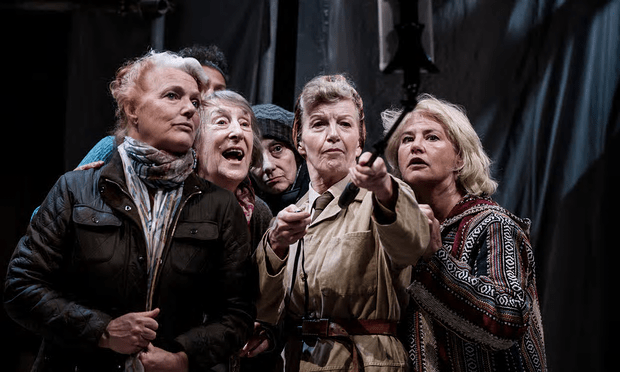
Set in a retirement home amidst the threat of raging storm Doris, we meet an all-female group of residents awaiting evacuation, only to realise like the families who left them there their desperately hoped for rescue may have been abandoned too. Far from doom and gloom writer Sandy Toksvig focuses on humour with some great comedic performances delivered well by her strong cast.

As the storm begins to worsen the ladies soon realise they have been forgotten as their only source of help comes from a young agency care worker from Croydon who’d much rather be snapchatting than hanging around with these long past it oldies. Once the reality that they have been abandoned sinks in the ladies characters and stories really begin to develop, which leads to both moments of laugh out loud hilarity and several more moving moments as they discuss their regrets, their struggles and make their apologies before their fighting spirit returns.

SL2

Sheila Reid gives a strong performance as Gloria Bernhardt, a leopard print wearing, mobile phone addicted pensioner desperately clinging onto her youth. Sisters May Trickett and June Partridge played by Maggie McCarthy and Joanna Monro respectively bounce well of each other, bickering for most of the play, ultimately very different but both hurting inside yet keeping their stiff upper lips for the majority of the performance. Northerner Maureen played by Rachel Davies regrets having children and waiting her life on her husband, she harps back to her glory days as a film extra and theatre understudy, never quite getting her chance to shine. Dementia patient St Michael played by Amanda Walker offers some real comedic moments as she slips in and out of the present. As the storm worsens the ladies stories begin to flow and their walls start to break down, even agency worker Hope, Keziah Joseph goes through a transformation as we see just how much we can all learn from each other if we just take the time to listen and ultimately care.

SL1

Silver Linings is a fun and thought-provoking piece, it gathers pace as it develops and offers audiences a light-hearted look at the resilience of a group of ladies who whilst elderly certainly haven’t given up on life.

On at The Lowry until Saturday 8th April www.thelowry.com/events/silver-lining


The Woman in Black

WIB 1

It’s hard to believe that The Women in Black is celebrating its 30 year anniversary, such is its reputation and reverence it seems to have been around much longer. Doing for the horror genre what The Mousetrap has done for murder/mystery, the two plays are held in such high regard that seldom is mentioned of the shocks, frights, twists and turns: it is more just a case of take a seat and go along for the ride.

Based on the 1983 Novel by Susan Hill and adapted for the stage by the late Stephen Mallatratt, The Women in Black sees retired solicitor Arthur Kipps attempting to tell the terrifying story of his time at isolated and desolate Eel Marsh House, located in the market town of Crythin Gifford. To fully do justice to the horrors he encountered, Kipps enlists the assistance of an unnamed actor to help tell his tale. The two men are at odds with what they want from the experience: Kipps wants the courage to finally finish his story and put the nightmare behind him, whilst the keen actor wants to tell a fascinating tale using all the craft of theatre and performance at his disposal. What follows is a nightmarish journey filled with laughs and frights as we witness the full horror of Eel Marsh House and the sheer evil of The Women in Black.

WIB 3

Both leads are outstanding: Matthew Spencer plays the confident unnamed actor, and the younger Arthur Kipps to perfection seamlessly drifting between brash showmen and a man trapped in a situation that is spiralling out of control. David Acton plays the older vulnerable Kipps as well as a variety of roles, both act as narrators throughout. Acton certainly borrows from Alec Guinness in Kind Hearts and Cornets to help with his transformation which is high praise indeed.

I would argue that the play has a third performer: the theatre itself. Within the first minute of the play Spencer strides from the back of auditorium and thus lets us know that space you occupy is part of the play and by design as the narrative progresses you aren’t safe in your seat either! Throughout the play you find yourself scanning the room to see where the next fright is coming. This is aided and abetted by some fantastic sound and lighting design from Gareth Owen and Kevin Sleep respectively.

WIB 2

The script is surprisingly funny: punctured with humour, I laughed more in the first 15 minutes than I have at most supposed comedies; however this is a ploy, designed to sucker you in and make you complacent so that when the first scare comes it smacks you like a spade in the face. As the play progresses the laughs diminish and the frights more frequent.

It is a credit to not only the two leads: but Robin Herford’s direction that the play has the right balance of laughs, drama, and terror that keeps you keeps you on the edge of your seat throughout. It is a slow beginning but once it hits its stride and it’s thoroughly enjoyable.

WIB

I’m not going to spoil any frights or big scares, however what I will say is that the reaction of some patrons sat around said a great deal: one lady said she nearly lost her lunch (and later claimed she almost had an even worse accident than being sick), several people gasped our Lord and saviours name and my arm has some heavy bruises where my friend held on during some of the more terrifying scenes.

The Women in Black is what great theatre should do: take you on a rollercoaster ride of emotions, at times makes you laugh at the same time as scare the life out of you. This is a truly outstanding piece of theatre and one that will still be celebrated in another 30 years time. If I could give one piece of advice if you are going to see it may I suggest getting rid of that old rocking chair… it’ll be for the best.

WIB 4

The Women in Black is on at The Lowry until 25th March 2017, tickets are available here;

http://www.thelowry.com/events/woman-in-black


The Curious Incident Of The Dog In The Night-Time

c1

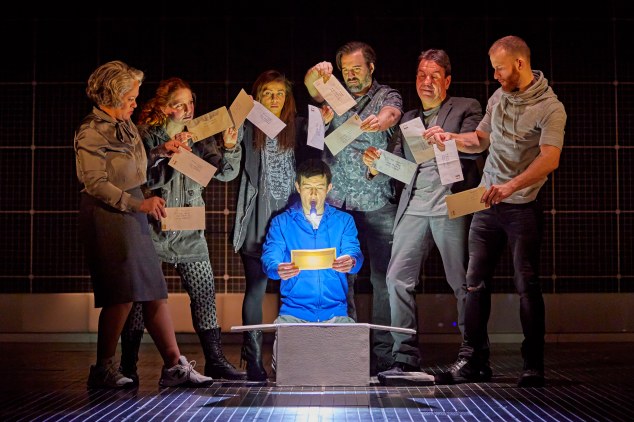
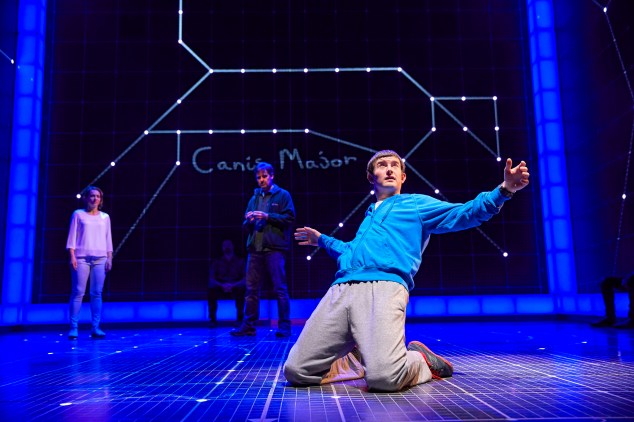
Returning to The Lowry as part of a new 25 city tour, The National Theatre’s multi-award winning production The Curious Incident of the Dog in The Night-Time, is as spellbinding and incredibly moving as ever. Adapted by Stockport born Simon Stephens and directed by Manchester’s own Marianne Elliott, Curious introduces us to a very, very special person, the utterly extraordinary, Christopher Boone.


The story follows fifteen year old Christopher (Scott Reid) upon his alarming discovery of the murder of his neighbour’s dog Wellington, whom he has found speared with a garden fork. Christopher, wrongfully under suspicion makes it his mission to solve the mystery of the murder by documenting the facts he discovers through his thorough and detailed investigations. Christopher is a complex yet truly remarkable boy, like many autistic people Christopher sees the world very differently to perhaps you and I, for one he truly ‘sees’ the world, he notices each and everything around him, he observes and processes every physical detail in his environment, colours, sounds, textures, everything Christopher sees is in exact and minute detail. His brain is as complex as it is fascinating, metaphors don’t make sense and people are generally confusing.

c3


Scott Reid as Christopher is fantastic, he makes such a physically and emotionally challenging role appear effortless, he is hugely likeable and engages the audience from his very first scene, you quite literally fall in love with Reid’s Christopher, you want him desperately to succeed and to be happy, safe and secure. The relationship he has with Siobhan (Lucianne McEvoy) his teacher is beautiful; she calms and soothes Christopher when things get too much and he stops being able to process the endless information his brain is constantly receiving, more importantly she totally and utterly believes in him.

c2

As the story develops we soon realise that Christopher like many people on the Autistic Spectrum is uncomfortable with touch, the amount of physical contact he will engage in is minimal and must be on his terms, this is beautifully directed and makes for some of the most poignant and emotional scenes in whole production as we witness Christopher’s parents battle to simply comfort their child.

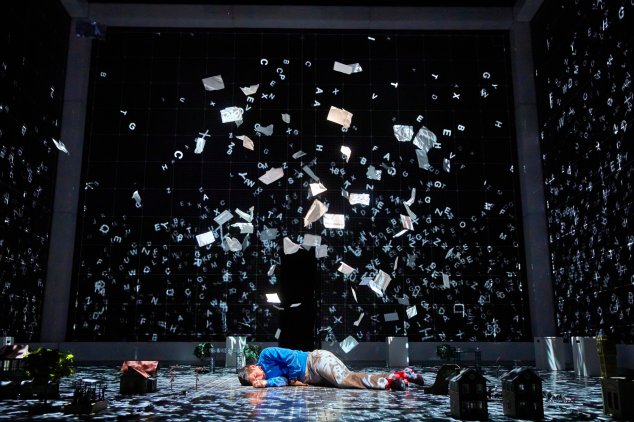
Director Marianne Elliot along with Movement Directors Scott Graham, Steven Hoggett and Adrian Sutton have created something truly unique with their cast, from weightlessly floating through space to the trauma of using the unwelcoming and chaotic underground the way the cast move is mesmerising. The organisation and exact movement of the cast is outstanding, their fluid movement so intricate.

c4

Complementing the brilliant cast is a truly stunning set, it is in effect part of the cast as it is so involved in every aspect of what happens on stage, the cast and the set at times almost become one, moving fluidly together to astonishing effect. Designer Bunny Christie, Lighting Designer Paule Constable, Video Designer Finn Ross and Sound Designer Ian Dickinson have created something truly magical here.

Curious is a production that leaves an huge impact, at times heart-warming and funny it is also through provoking and incredibly moving, without doubt an absolute must see.

On at The Lowry until Saturday 4th February

http://www.thelowry.com/event/the-curious-incident-of-the-dog-in-the-night-time

Love’s Labour’s Lost

2016_manuel-harlan-_c_rsc_cft_207788-tmb-gal-670

A wonderful additional to this years offerings celebrating 400 years since the death of William Shakespeare, The RSC bring not one but two of the Bard’s works to Manchester this Christmas time. Love’s Labour’s Lost and Much Ado About Nothing, argued by some that the latter is another name for Shakespeare’s missing play, Love’s Labour’s Won, the similarities between the two are plentiful, both being set on a large county estate, sparring couples, masked encounters, mistaken identities and of course hilarious high jinx including overheard and secretly observed sonnets. Playing back to back at Manchester’s Opera House before heading to the Theatre Royal Haymarket , both productions are an absolute triumph.

Opening with the King of Navarre (Sam Alexander) and his three Lords, Berowne (Edward Bennett), Longaville (William Belchambers), and Dumaine (Tunji Kasim), swearing an oath  which includes avoiding contact with women for a lengthy three years, shortly followed by the arrival of the beautiful Princess of France (Leah Whitaker) and her ladies Rosaline (Lisa Dillon), Katharine (Rebecca Collingworth) and Maria (Paige Carter) it soon becomes clear this was an oath that was never going to easily run it’s course. Cue much merriment and classic Shakespearean rhyme while completly against their oath the Lords fall in love with the ladies and of course the King with the Princess.

2016_manuel-harlan-_c_rsc_cft_207794-tmb-gal-670

Don Armado (John Hodgkinson), a Spaniard visiting the King’s court, is also hit by Cupid’s bow, but rather than with a Lady of the court he is taken by Jaquenetta, (Emma Manton) a local dairymaid who has recently been found cavorting with Costard (Nick Haverson) the gardner. So ensues the writing of love notes, delivered of course to the wrong recipient. The unconventional courtships continue with a wonderful scene where we see the King and his Lords disguising themselves as travelling Muscovites which leads to hilarious scenes of Russian dancing and the ladies switching identities themselves through the swapping of favours received by the Lords and the use of elegant masks.

Working with the same company of actors and setting both plays either side of the Great War adds real poignancy to the ending of Love’s Labour’s Lost, sometimes described at the ‘unfinished play’ the merriment and frivolity of the play comes to an abrupt end when the King and his Lord’s head off to war, much as life for many must have been as their young men suddenly headed off to the battlefields of Northern France.

2016_manuel-harlan-_c_rsc_cft_207793-tmb-gal-670

The cast are exceptional, the talent on stage an absolute joy to watch, from Edward Bennett’s brilliant Berowne to John Hodgkinson’s hilarious Don Armado the comic timing and delivering of the Bard’s script is just perfection. Special mention to Peter McGovern whose Moth was magnificent, not to mention his Hercules in the ‘Nine Worthies’ which had the audience in hysterics.

Visually stunning, Simon Higlet’s set is outstanding, with scene changes flowing beautifully due to the ingenious use of a large sliding truck and sub-stage trap. Where Much Ado is festive and twinkling, Love’s Labour’s Lost takes place in the summertime of 1914 when skies are blue and poppies, in a nod to the impending Great War are plentiful. Melody Wood’s luxurious costumes are delightful, perfectly encapsulating the period. The use of music by Nigel Hess, directed by Bob Broad, further enhances this production, filmically underscoring certain moments and offering some challenging vocal pieces which the cast embrace wonderfully.

2016_manuel-harlan-_c_rsc_cft_207789-tmb-gal-670

Love’s Labour’s Lost is an absolute joy, highly entertaining and wonderfully acted. Playing at Manchester’s Opera House until Saturday 3rd December.

http://www.atgtickets.com/shows/loves-labours-lost/opera-house-manchester/
Much Ado About Nothing – Opera House

unnamed
Now that we have witnessed the Royal Shakespeare Company’s Edward Bennett electrocuted inside a giant Christmas tree, the festive season can officially begin!
What better way to mark the conclusion of 2016 – and the 400th anniversary of Shakespeare’s death – than with two of the Bard’s best-loved comedies, played on consecutive nights at the Opera House Manchester, with the same cast?
Director Christopher Luscombe and production manager Paul Hennessey’s grand experiment examines the long-rumoured synergies between Love’s Labour’s Lost and Much Ado About Nothing – setting them in the same country estate (modelled on Charlecote Park, near Shakespeare’s Stratford-upon-Avon) and bookmarking them in summer and winter, before and after the Great War. 
Both deliver a witty, sparring couple; a supporting cast of characters that include a policeman, a curate and many domestic servants; masked encounters between lovers; and – one of Shakespeare’s favourite devices – endless cases of mistaken identity. 
ma
Associate director Guy Unsworth concludes that Shakespeare ‘deliberately shows us two sides of the same coin’ and ‘does indeed want us to view them as an extended double-bill’… Mark thee well!
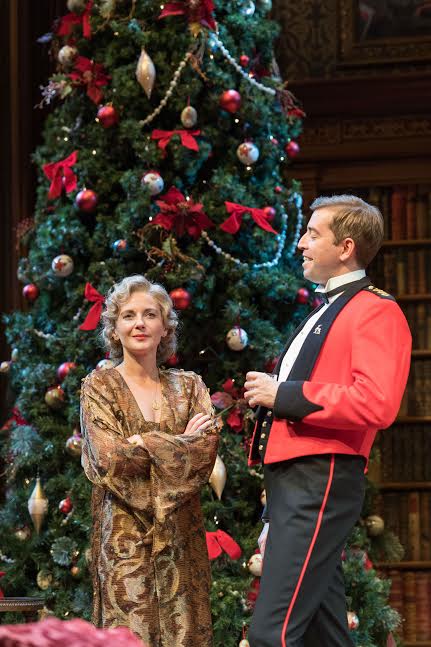
Anon – immersing ourselves in Much Ado About Nothing’s wintry scenes on a cold Mancunian night – we encounter fast-talking, resolutely single bachelorette Beatrice (Lisa Dillon), who declares: ‘I had rather hear my dog bark at a crow than a man swear he loves me’. The equally marriage-adverse Benedick (Edward Bennett) has just returned from the war, yet it is Beatrice’s quick-fire degradations of his character – spoken at a masked dance – that leave him mortally wounded. 
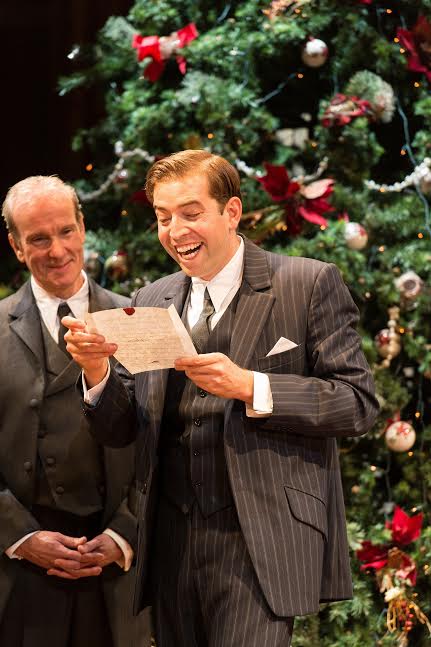
Their union seems doomed until their eavesdropping antics reveal a surprising fact… they are each madly in love with the other. These revelatory conversations – staged by Benedick and Beatrice’s family and friends, for their benefit – are some of the funniest scenes in the production. Bennett’s comedic antics inside the family Christmas tree solicit great guffaws of appreciation from the audience; it feels inevitable when he breaks the fourth wall – dissolving into barely suppressed laughter himself.  
In another plot, Beatrice’s cousin Hero (Rebecca Collingwood), who radiates chastity and goodness, is due to be married to besotted Claudio (Tunji Kasim); however, he jilts her at the altar when her name is sullied by an accusation of infidelity. With Beatrice and Benedict’s – and Hero and Claudio’s – unions both hanging in the balance, could it be that all hopes rest on hapless constable Dogberry (Nick Haverson) riding to the rescue?
Gripped in a fit of body spasms and crashing around the set, it feels as though he is perilously close to tumbling from the stage; Haverson gives every fibre of his being to the slapstick comedic stylings of Dogberry. Along with Lisa Dillon, his performance is a highlight among the sublime cast – assembled by Gabrielle Dawes and Helena Palmer.  
ma1
Designer Simon Higlett has created a sumptuous Christmas card-style stage – rich, festive and twinkling. His team seamlessly interchange between the house and its grounds by virtue of a large sliding truck and the sub-stage trap. It’s as ingenious as it is beautiful – complemented by Melody Wood’s sumptuous period costumes that brilliantly encapsulate fashion on the cusp of the 1920s. 
This is the second time that composer Nigel Hess has scored the two plays for the RSC, but with exception of a couple of affection quotes, he has revisited them again with completely new music. To further explore the cohesion between the comedies, he uses musical cross-references between the two productions. It’s a triumph, with nuances that complement the on-stage gusto and frivolity to perfection. 
Christmas is a season of laughter and good cheer – and you will find both in these sparkling, immaculate productions by one of our nation’s greatest treasures: the Royal Shakespeare Company. 
Love’s Labour’s Lost and Much Ado About Nothing are on at Opera House Manchester until Saturday, 3 December.