The Spy Who Came in from the Cold

Reviewed by Matt Forrest

Opening Night verdict ⭐⭐⭐⭐
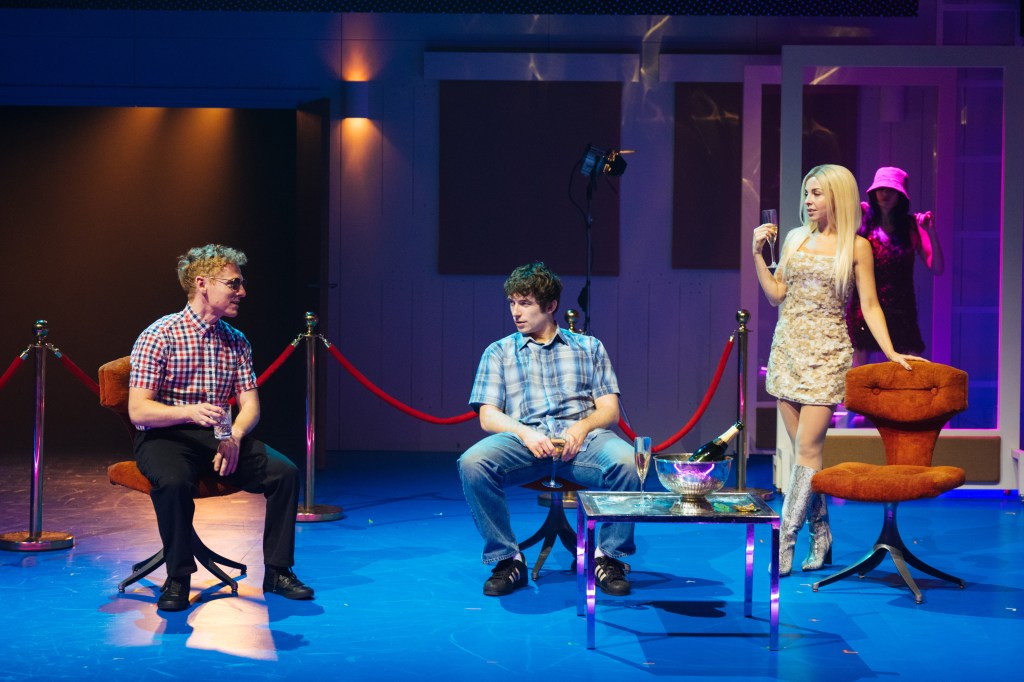
Adapting one of the most celebrated and admired novels of the twentieth century for the stage is a daunting challenge, but playwright David Eldridge has approached John le Carré’s The Spy Who Came in from the Cold with remarkable confidence and skill. It is easy to understand why it has taken so long for one of le Carré’s novels to make its way to the stage, as expectations from devoted fans were always going to be high. Thankfully, Eldridge, alongside director Jeremy Herrin and tour director Joe Lichtenstein, have risen to the challenge. Together they have brought this intelligent and suspenseful thriller vividly to life, preserving the novel’s atmosphere of intrigue while delivering a production filled with twists, turns, betrayals and double-crosses. The result is a gripping and compelling evening of theatre that does full justice to its acclaimed source material.

Set in 1963, with Cold War tensions between East and West at breaking point and the Berlin Wall still a recent and imposing symbol of division, the story introduces us to Alec Leamas (Ralf Little), a weary British intelligence officer preparing to leave Berlin and the dangerous world of espionage, following the death of his trusted agent and friend, Karl Riemeck (Jonny Burman). Instead of a quiet retirement Leamas is persuaded to undertake one final mission, lured by the promise of revenge against Hans-Dieter Mundt, (Peter Losasso) the ruthless East German intelligence officer responsible for Riemeck’s death.
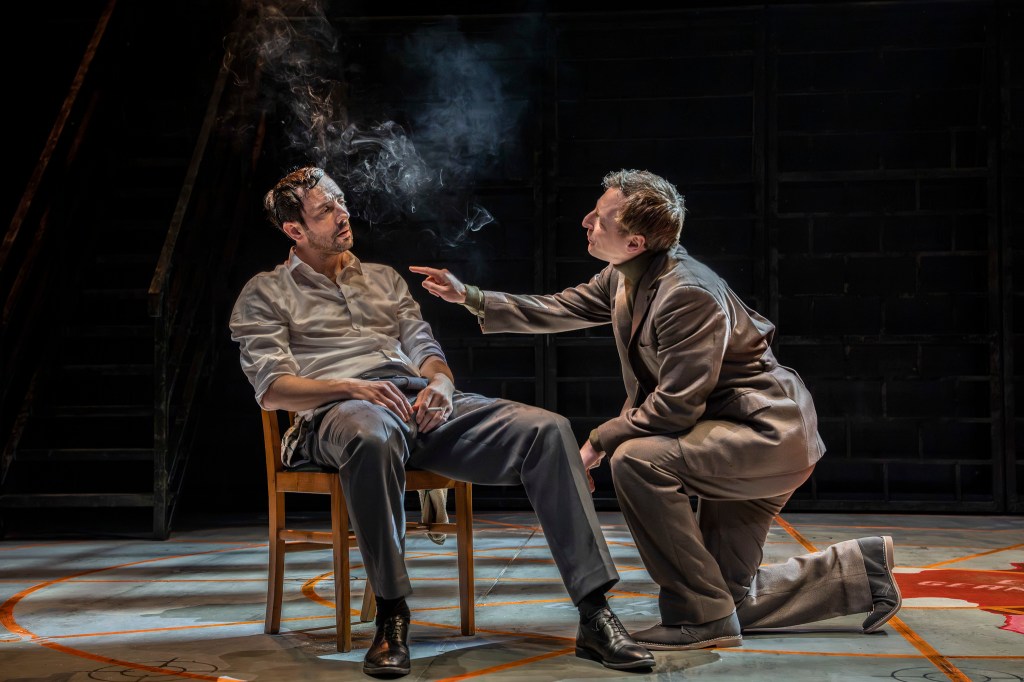
Hovering over the operation is the seemingly retired master spy George Smiley (Tony Turner), whose reputation and mentoring is ingrained in Leamas’s conscience throughout the mission. As his carefully constructed assignment unfolds, Leamas finds himself navigating an increasingly tangled web of deception, where every move appears to have been anticipated. Matters become even more complicated when he meets Liz Gold (Gráinne Dromgoole), a kind-hearted young Jewish Communist librarian whose growing affection for Leamas offers him a glimpse of a life beyond espionage.

As Leamas begins to question not only who he can trust but also the morality of the organisation he has served so loyally. He desperately tries to stay one step ahead of the lies, manipulation and betrayal in the hope of getting out alive.
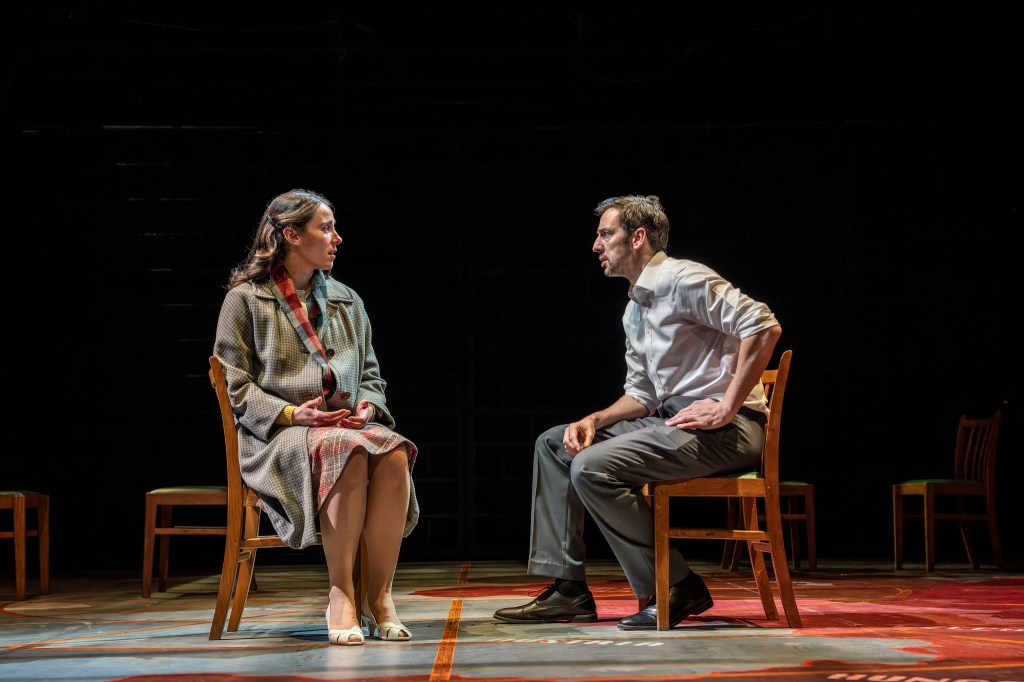
Despite an opening that is perhaps a little too reliant on exposition, the script soon finds its rhythm, navigating the novel’s intricate plot with clarity. At the heart of the production is a superb performance from Ralf Little as Alec Leamas. Little brings real depth to the role, portraying the veteran spy with an air of paranoia, cynicism and emotional fatigue, while never losing sight of the resilience and unwavering sense of duty that define the character. He also finds moments of dry humour that puncture the tension and provide welcome flashes of levity, although one comedic moment towards the conclusion feels slightly out of place and doesn’t quite land.

The relationship between Leamas and Liz Gold forms the emotional core of the production, and the chemistry between Little and Gráinne Dromgoole ensures the audience remains fully invested in their growing connection. Dromgoole is equally impressive, portraying Liz as a compassionate, idealistic and quietly courageous young woman who becomes an unwitting pawn in a dangerous game of political manipulation. Her warmth provides a striking contrast to Leamas’ hardened exterior, making their relationship all the more poignant.
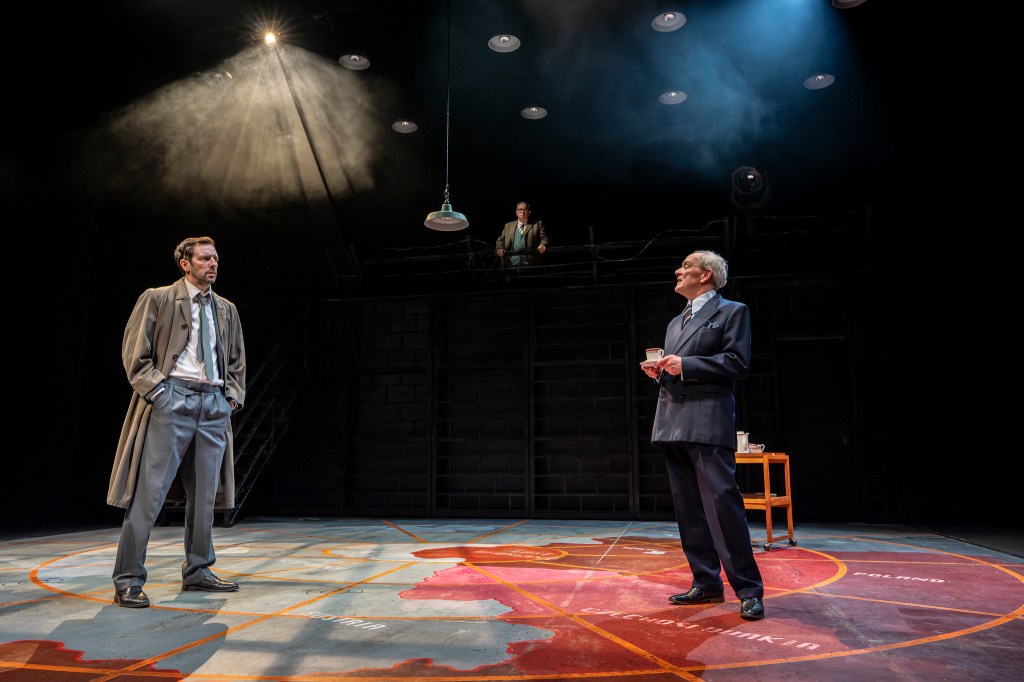
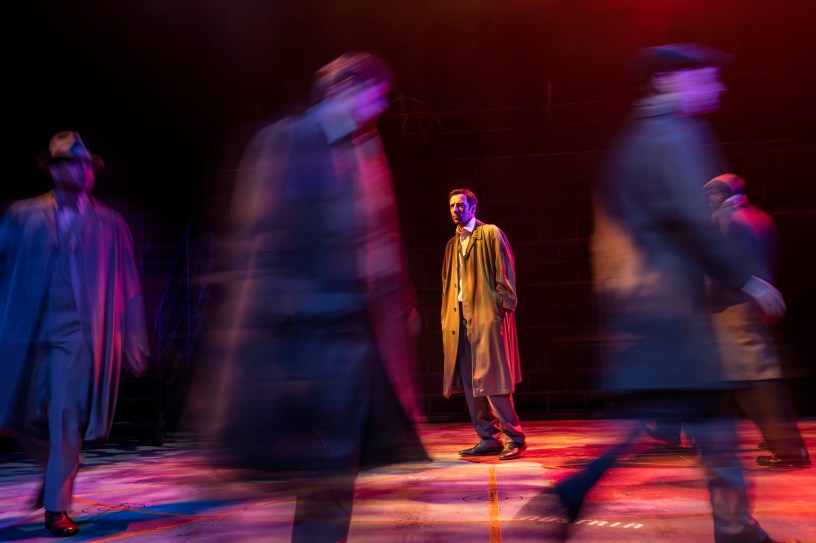
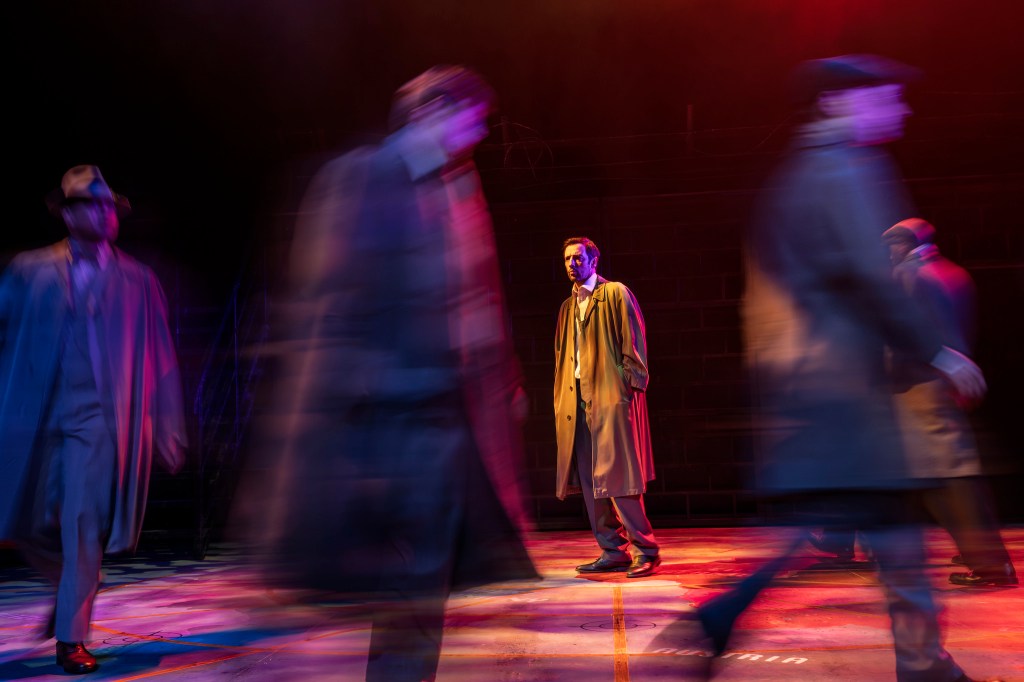
Despite the vast scale of the Lyric Theatre stage, production designer Max Jones creates a world that feels remarkably claustrophobic and oppressive. Through a minimalist set, cleverly configured to suggest multiple locations, the production evokes the suffocating atmosphere of Cold War Berlin with impressive economy. Paul Englishby’s haunting, noir-inspired score heightens the sense of unease throughout, while Azusa Ono’s atmospheric lighting design makes striking use of shadow and darkness to reinforce the themes of secrecy, surveillance and deception. It is a perfect example of the old adage that less is more, with every design element working in harmony to immerse the audience in le Carré’s morally ambiguous world.

As expected in a Cold War thriller, moments of violence are inevitable. Though used sparingly, they are impactful, uncomfortable and gripping, adding to the production’s realism rather than feeling gratuitous. Expertly choreographed by fight director Salvatore Sorce, they leave a lasting impression.
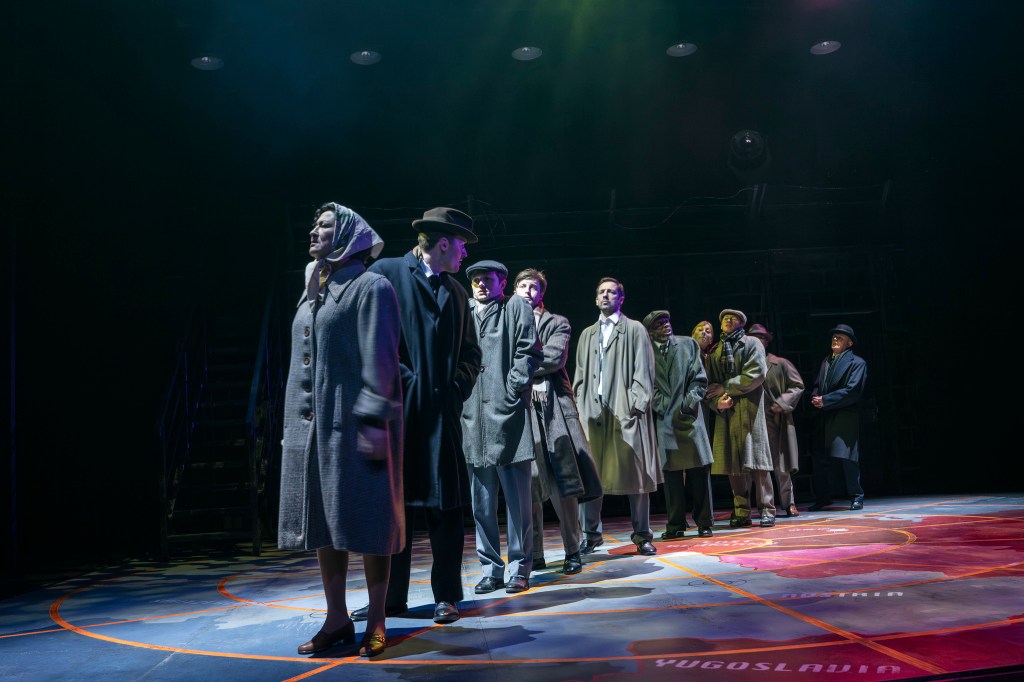
This is a well-crafted and faithful adaptation that captures the spirit of le Carré’s novel and keeps the audience engaged from the very beginning. It is refreshing to see a literary adaptation make such a successful transition to the stage. A must-see for devoted le Carré fans, it also serves as an excellent introduction for newcomers to his work.
The Spy Who Came in from the Cold is at the Lowry until 25th July tickets are available here.

Annie

Reviewed by Sophie Rowley

Opening Night verdict ⭐⭐⭐⭐

The girl who taught us to believe that “…the sun’ll come out tomorrow” is back in Manchester. Based on the 1924 comic strip ‘little Orphan Annie’ by Harold Gray, Annie first opened on Broadway in 1977 and has been delighting audiences across the globe ever since. But what is it about Annie that continues to captivate theatre goers nearly 50 years later?

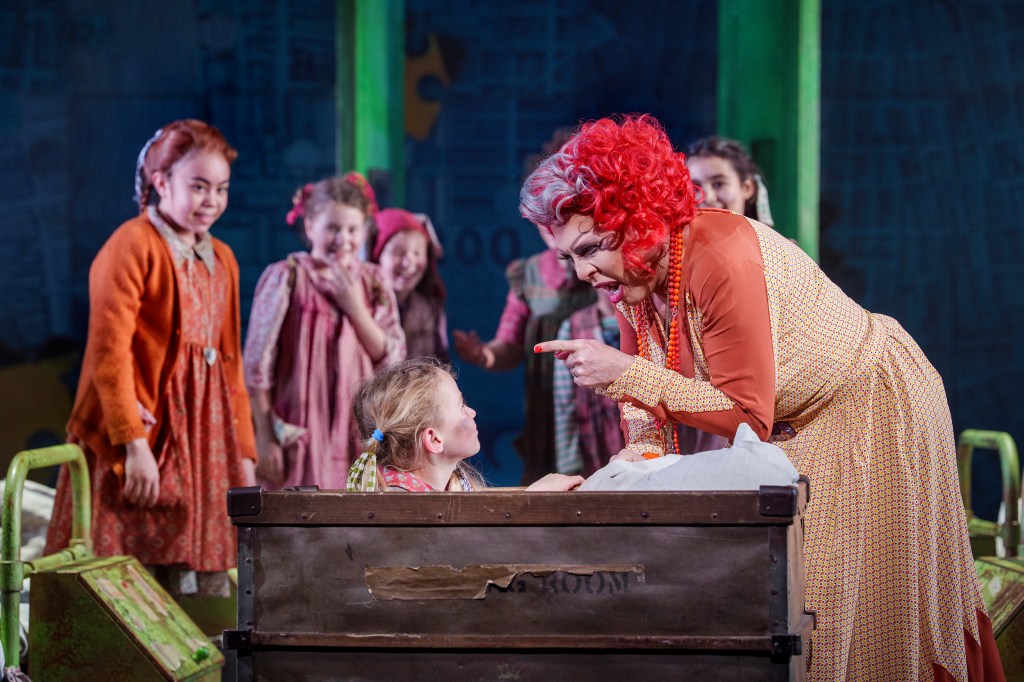
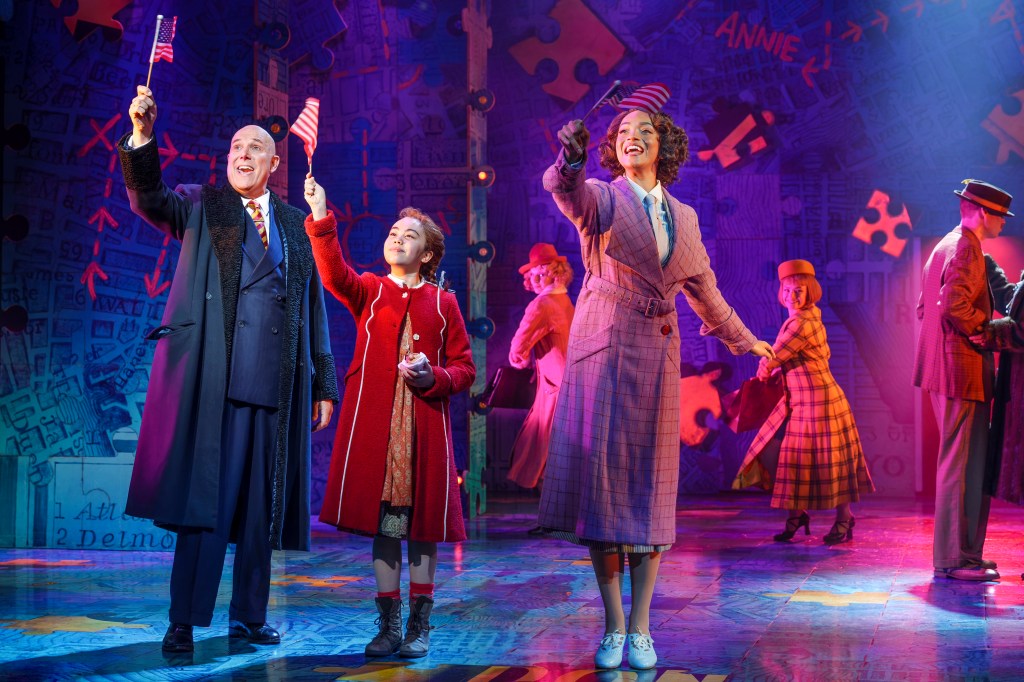
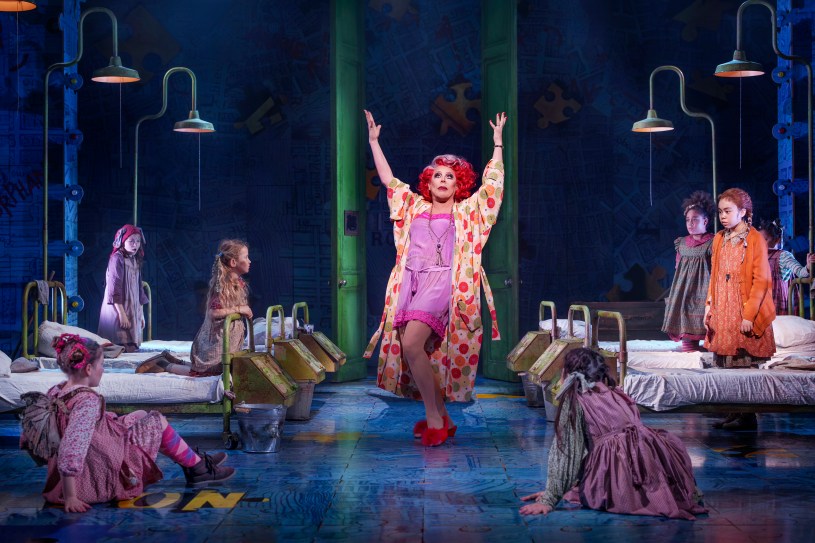
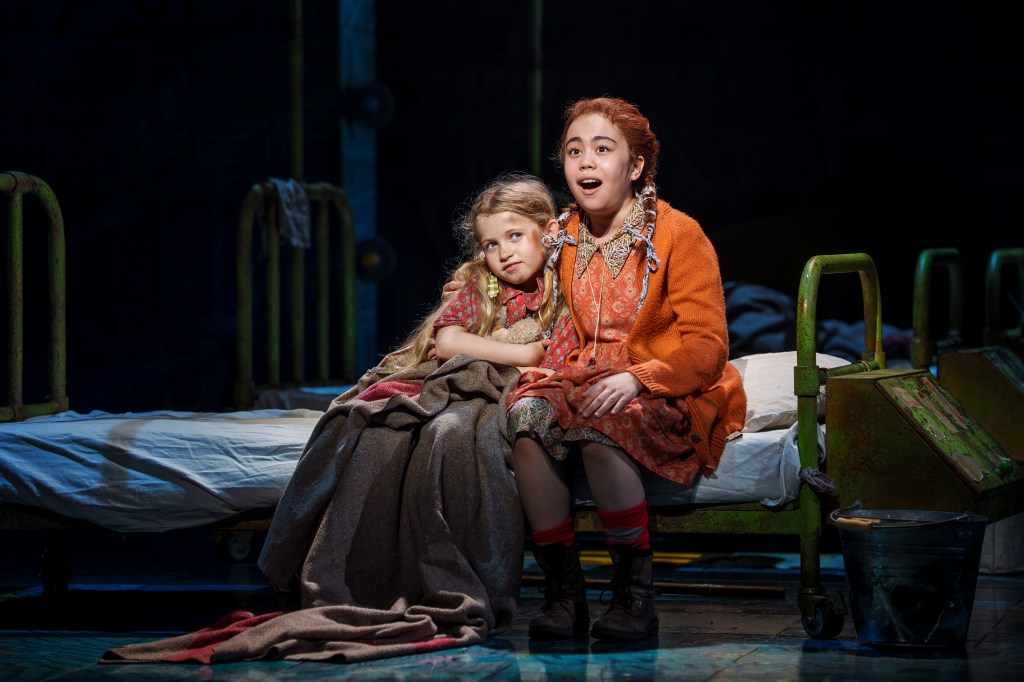
At its heart is the story of eleven-year-old Annie (Victoria Alsina), a sprinted, red haired orphan, whose determination and optimism never wavers despite the hardships she faces. Constantly escaping in search of the parents she longs to find, Annie’s dreams are repeatedly crushed by the cruel and embittered Miss Hannigan, played with gusto by La Voix. However, Annie’s greatest challenge may be winning over the wealthy Oliver Warbucks (Alex Bourne). With the support of Grace Farrell (Tanisha-Mae Brown) and the Warbucks household staff, Annie sets out to change his life – and perhaps her own – in the process.

Despite being set during the Great Depression this show is filled to the brim with energy and heart. Colin Richmond’s set design reinforces this contrast, instantly transporting the audience to 1930’s New York City. The Orphanage is presented as a bleak and unforgiving environment which reflects the harsh realities of the era as well as the difficult circumstances in which Annie lives. This is complemented wonderfully by the stark lighting and the worn threadbare costumes of Annie, the orphans and even Miss Hannigan. All these elements, together, create the perfect anthesis to Annie’s sunny disposition, allowing her optimism and resilience to shine through. A mindset that is highly welcomed by this 2026 audience.

Another element that is highly welcomed is the incredible cast of this production. Starting with the headline hero – Annie herself, Victoria Alsina, she fully embodies the role and thrives in her portrayal. Alsina combines humour, charm and attitude into her version of Annie that creates a fresh feel to this audacious orphan.

Alex Bourne delights as Oliver (Daddy) Warbucks, he begins as the tough loving business tycoon whose icy exterior slowly thaws as Annie’s charm takes over. Both Bourne and Alsina work wonderfully together and his character transition from prickly to paternal is heartwarming to watch.

As Grace Farrell, Tanisha-Mae Brown brings elegance and warmth to the character and plays a key role in Warbucks’ transformation. Her performance is complemented by Richmond’s clever costume design which remains faithful to the 1930s aesthetic while giving Grace a modern sophistication.

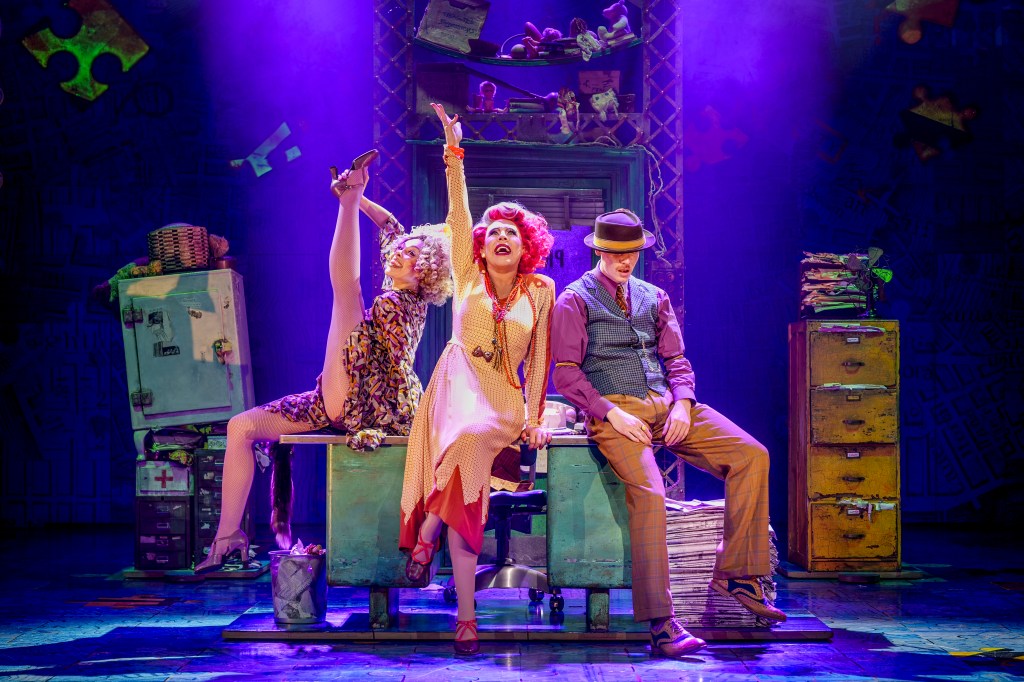
The villains are equally impressive. Christian Cooper and Amber Kennedy fully commit to their roles as Rooster and Lily and fully deliver as the scheming duo. Cooper makes Rooster as despicable as required, while Kennedy’s Lily is equally as detestable. The highly anticipated rendition of ‘Easy Street’ doesn’t disappoint and is a standout moment in the show filling the theatre with energy and excitement.

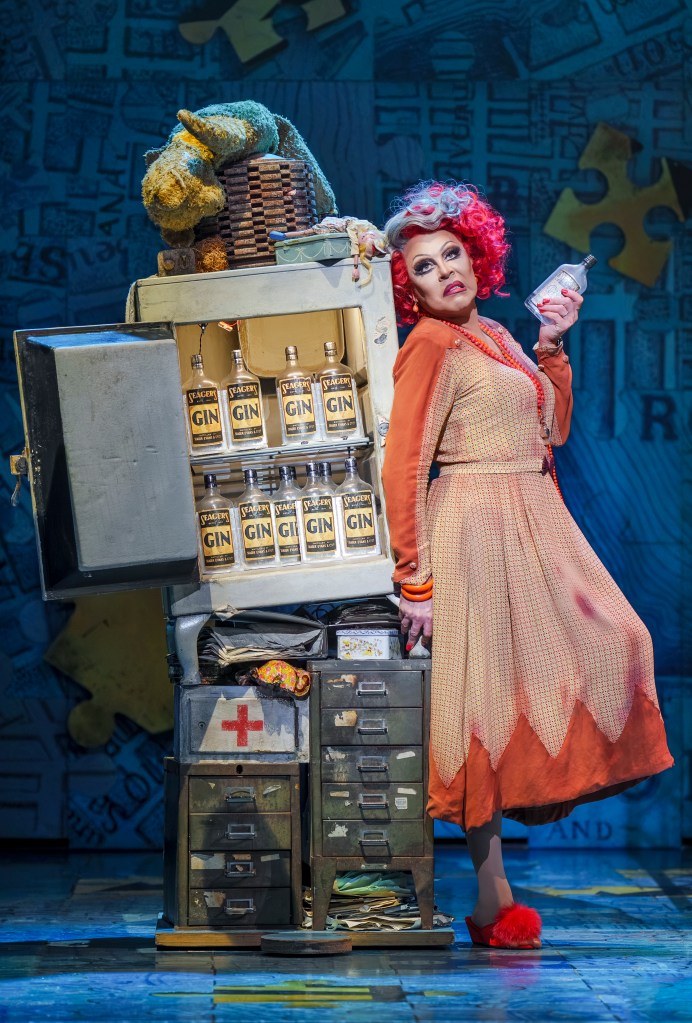
However, it is La Voix’s Miss Hannigan who steals the show. La Voix is the reason I wanted to see this show, and she certainly does not disappoint. She explores every facet of the character and transitions effortlessly between comedy, bitterness and vulnerability. At times Miss Hannigan’s treatment of the orphans cements her villainess character, yet by the end of the show, La Voix has charmed the audience so much that it is impossible not to fall in love with her.

I knew coming to watch this show that I was going to enjoy it. Annie is a timeless tale about hope, never giving up and trusting love will always win. Told primarily through a child’s voice it still managed to touch adult hearts which makes this show such a success. As mentioned throughout the talented cast and creative team make this production a triumph. Every set and costume choice allows the performers to fully embody their characters which in turn allows the audience to become completely immersed in the show. Director Nikolai Foster has successfully created a beautifully balanced production which, despite its occasional darker themes, retains the warmth and familiarity of your favourite film. I thoroughly enjoyed the show and am certain future audiences will too.

Don’t wait until tomorrow book now and let Annie enchant you – showing at the Palace Theatre Manchester until Saturday 20th June, tickets available here.

Waitress

Reviewed by Nikki Cotter

Opening Night verdict ⭐⭐⭐⭐

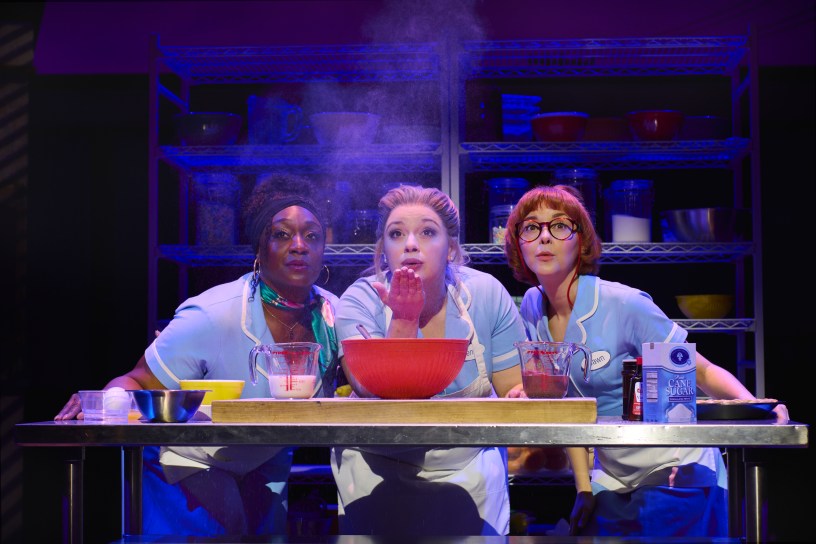
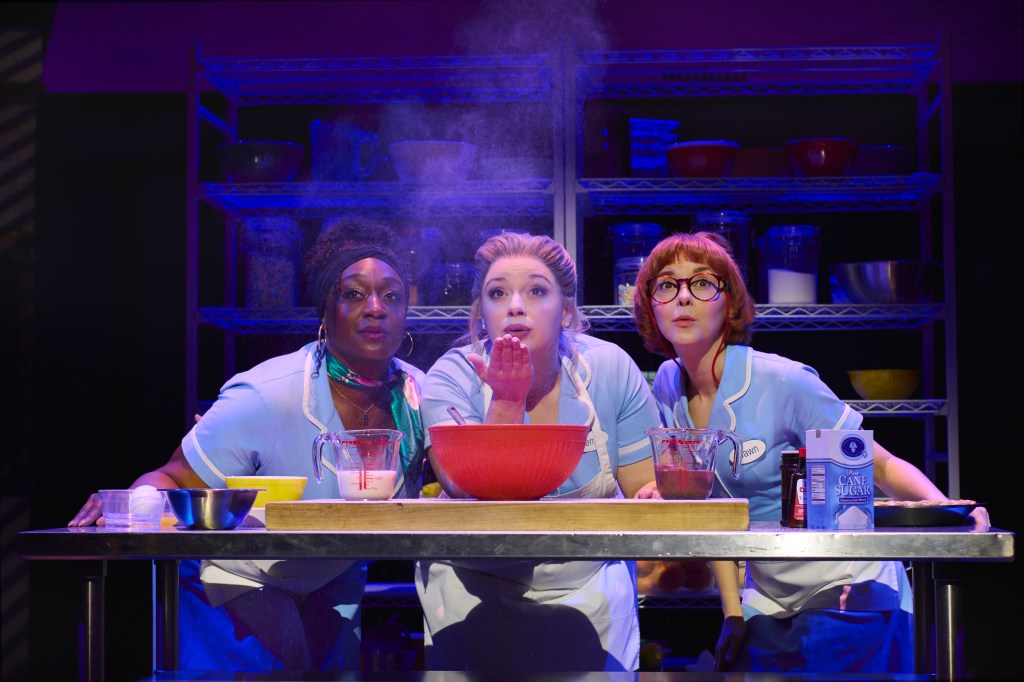
Adapted from Adrienne Shelly’s 2007 film, with a book by Jessie Nelson, music and lyrics by Sara Bareilles and presented for this 10th anniversary tour by Abbey O’Brien, Waitress serves up an inspiring mix of self-empowerment, southern sisterhood, and super sharp wit.

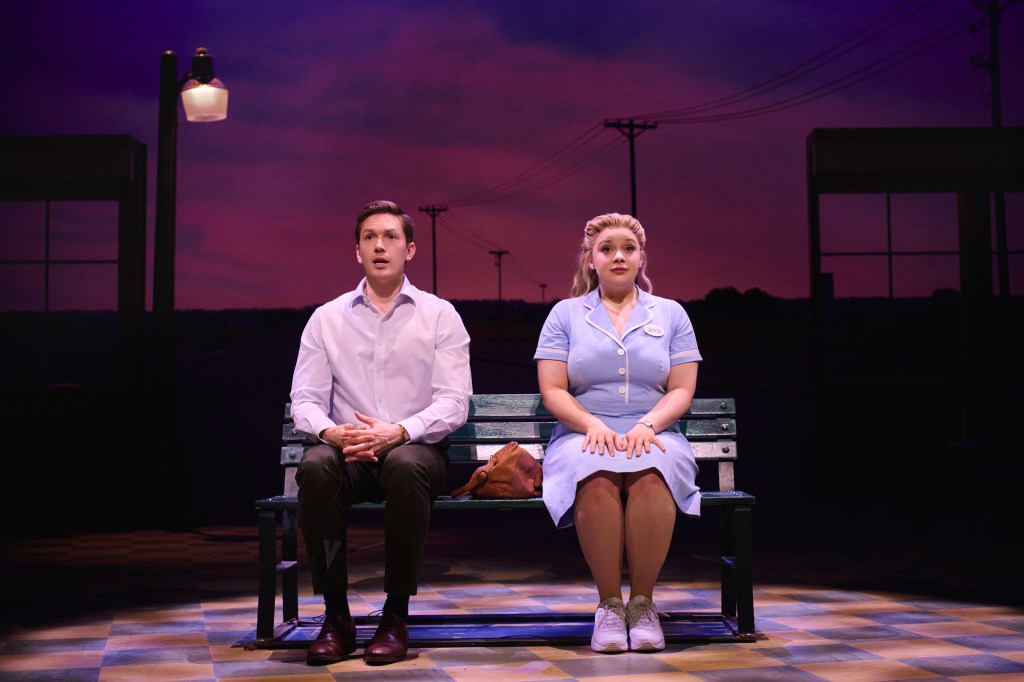
The story centres on Jenna (Carrie Hope Fletcher), a gifted baker working at Joe’s Pie Diner. While famous locally for her creative flavour combinations, her personal life is far from sweet. Her abusive, controlling husband Earl (Mark Willshire) drains the joy from life with his belittling, controlling and abusive behaviour.

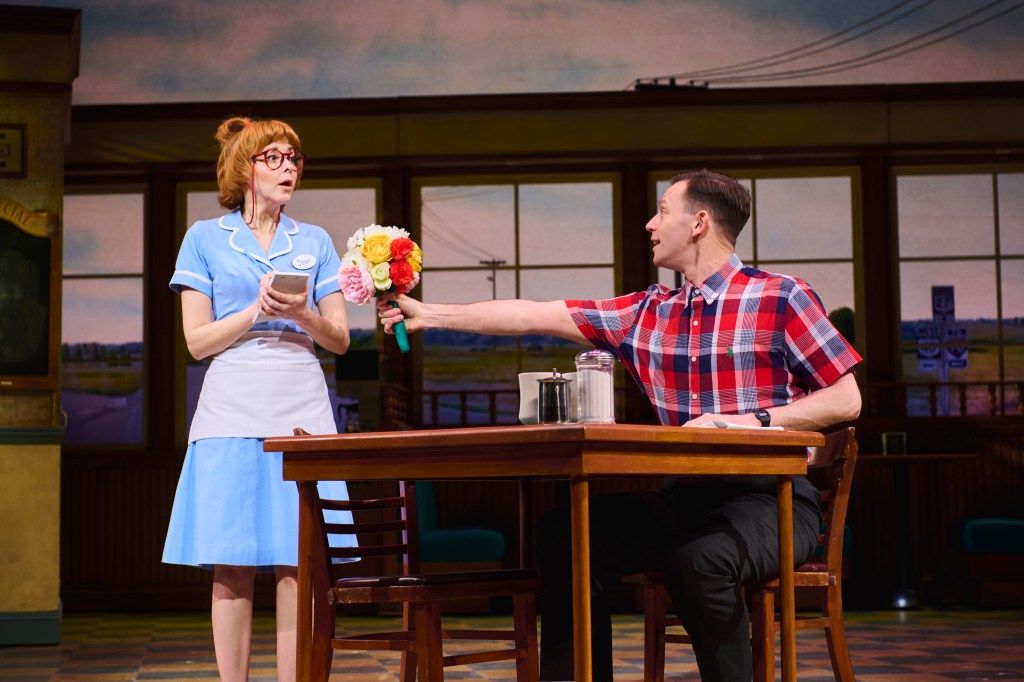
Jenna’s daily escape fantasies not only inspire her unique pie specials but also cleverly drive the narrative forward. Supported by her close friends and fellow waitresses, Becky (Sandra Marvin) and Dawn (Evelyn Hoskins), Jenna faces a life-changing moment when she discovers she is pregnant. The story then takes a rather unexpected turn as she begins a passionate affair with her gynaecologist, Dr Pomatter (Dan Partridge).

This uplifting female-led story bursts with heart as we follow Jenna’s journey from using baking as an escape to discovering her true self-worth and ultimately independence. Carrie Hope Fletcher makes for a perfect Jenna, she leads the cast with charisma, warmth and a strong, steely determination. Her delivery of iconic ballad She Used to Be Mine is sensational, heart-felt and emotionally authentic. The chemistry between Jenna and her co-workers/besties Becky (Marvin) and Dawn (Hoskins) feels real and relatable ensuring we believe in this trio entirely. Both Marvin and Hoskins have played these roles before and slip naturally back into these fully formed, enormously endearing characters. The audience lap up both Becky’s sass and Dawn’s likeability which Marvin and Hoskins deliver in bucketloads.

While this powerful production is superbly female led, the male characters are exceptionally well-cast too. Dan Partridge is immensely endearing as the clumsy yet charming Dr Pomatter. Mark Anderson brings pure joy to the stage as the eccentric Ogie, pairing beautifully with Evelyn Hoskins’ wonderfully kooky Dawn. While Dan O’Brien and Mark Willshire put their own impressive stamps on their very differing characters, Cal and Earl. Additionally, Les Dennis adds emotional weight as diner owner Joe, bringing a wise understanding to Jenna’s journey.

Waitress doesn’t shy away from serious subjects including domestic abuse, infidelity and unwanted pregnancy but manages to offset them cleverly with sharp comedic timing. The result is a brilliantly balanced emotional journey, packed with witty, relatable dialogue that will move you to tears one moment and have you laughing out loud the next. Add to this Sara Bareilles melodic and memorable score and you really have got the recipe for a genuinely sweet musical treat. Waitress is a big, brilliant slice of theatrical magic that proves life’s messy ingredients can still bake up something truly beautiful.

Waitress is on at Manchester’s Palace Theatre until Saturday 30th May tickets are available here.

Double Indemnity

Reviewed by Sophie Rowley

Opening Night verdict ⭐⭐⭐

Credited as “one of the great crime novels of the 20th century” the 2026 stage adaption of Double Indemnity is now showing at Manchester’s Opera House. Originally a novella by James M Cain in 1943, then in 1944 a classic film noir film by Billy Wilder, and now Tom Holloway, Oscar Toeman and their creative team present a reimagining of Cain’s story which promises to thrill and delight audiences with a stylised immersive production of this film noir classic.

The 1930’s aesthetic is told through a stylised theatrical lens, Holloway and the team lean on every Noir nuance of shadow lighting and sharp design, smoke effect and dialogue to depict a period which is renowned for decay and depression, greed and corruption. When Phyllis Nirdlinger (Mischa Barton) walks into Walter Huff’s (Ciaran Owens) life with an interesting proposal, his life is never the same. Suddenly Walter is pulled into a tense world of manipulation and betrayal which leaves Walter questioning everything he knows, he truly is under the spell of Phyllis, the original Femme Fatale.

As an insurance salesman, Walter Huff needs to have a keen eye for detail, and prides himself on being able to spot a scam. Then Phyllis Nirdlinger enters his life wanting to discuss her husband’s life insurance policy – now everyone knows this conversation can never go well. Walter is now sucked into Phyllis’s web – embroiled in a world of lies, seduction and betrayal. Ciaran Owens commands the stage from the second he enters; he exudes confidence and charm throughout. I am a fan of a fourth wall break and Holloway’s use of this technique works well. It is this breaking of the fourth wall that allows the audience to see the break in Walter’s character and Owens portrays this extremely well.

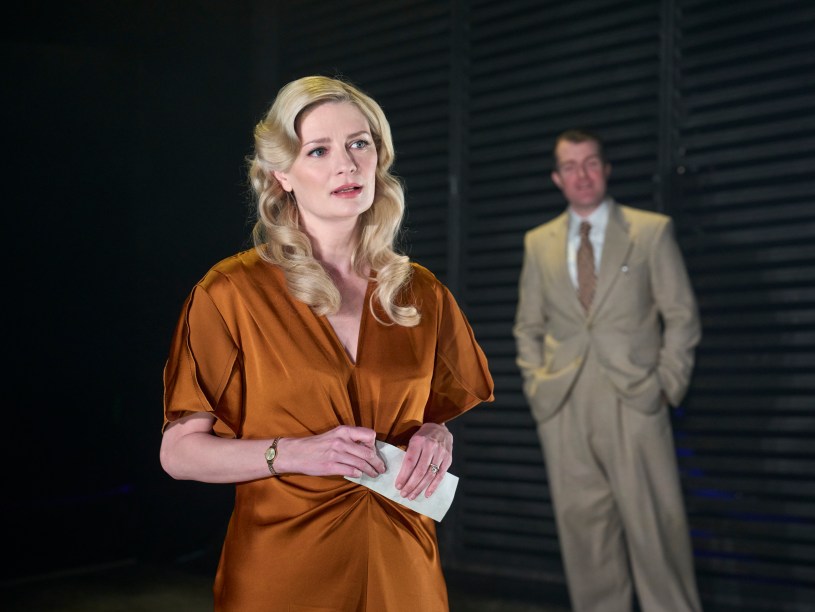
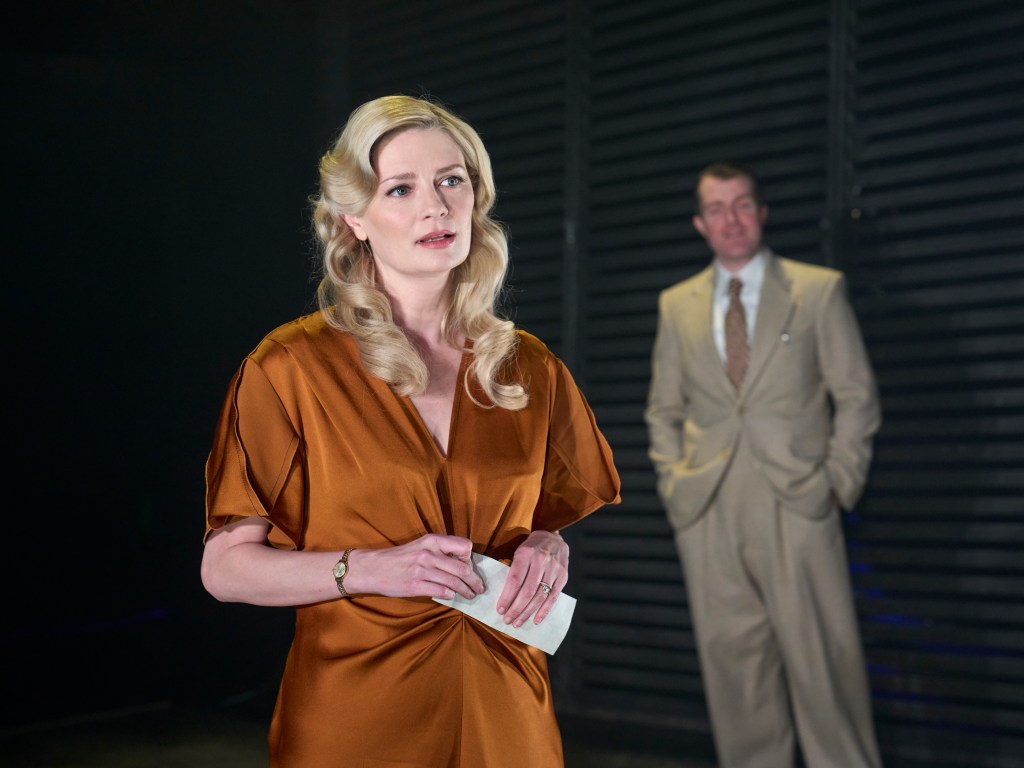
Making her UK debut Mischa Barton is headlined as the femme fatale Phyllis Nirdlinger, she bravely takes on the role of a villain and plays heavily on the film noir stereotype. Barton attempts to build tension throughout, her body language is dramatic, she stares longingly into the audience slowing her speech so every word is heard. Dressed in a burnt orange dress, adding a splash of colour but fully embracing the film noir aesthetics in her mannerisms. Barton’s and Owens’ work well together but I did want them to have a little more chemistry, however as a duo they successfully build the tension in the first act. Despite Barton being the headliner, the star role has to go to Martin Marquez. Marquez pairs well with Owens as his boss Keys, where in a story centred on murder, these two present a vulnerable element which is wonderfully endearing. As always there are a number of multiple role parts which demonstrate the talent of an ensemble, Oliver Ryan, Joseph Langdon, Gillian Saker and Sophia Roberts all deliver each of their role with ease and an abundance of presence. Each character adds an extra element to the play which all allow the plot to flow in the classic film noir style.

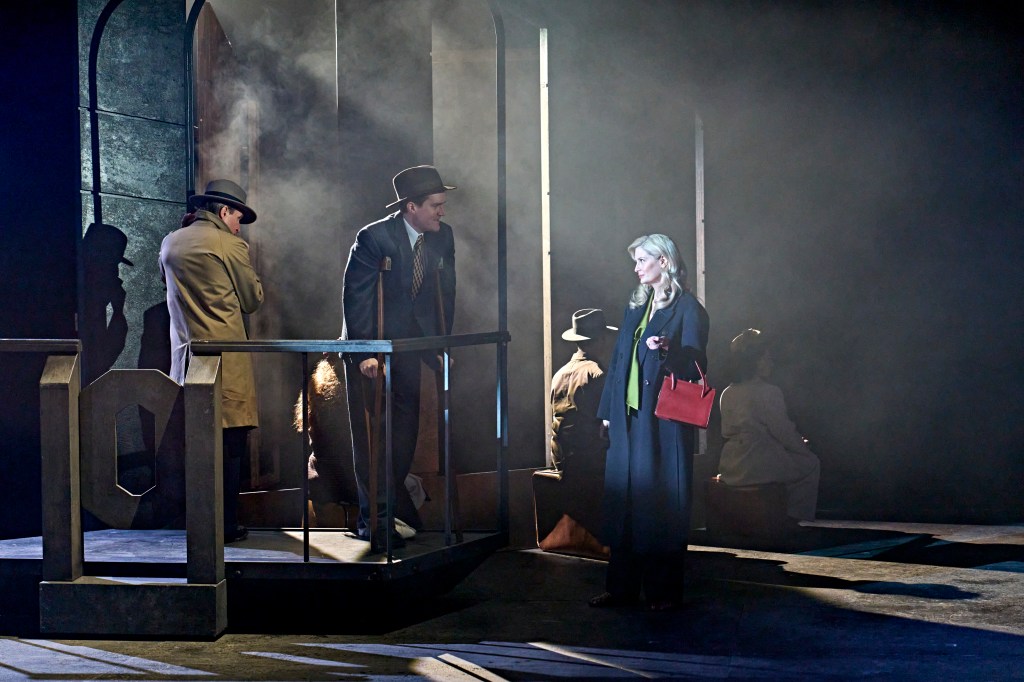
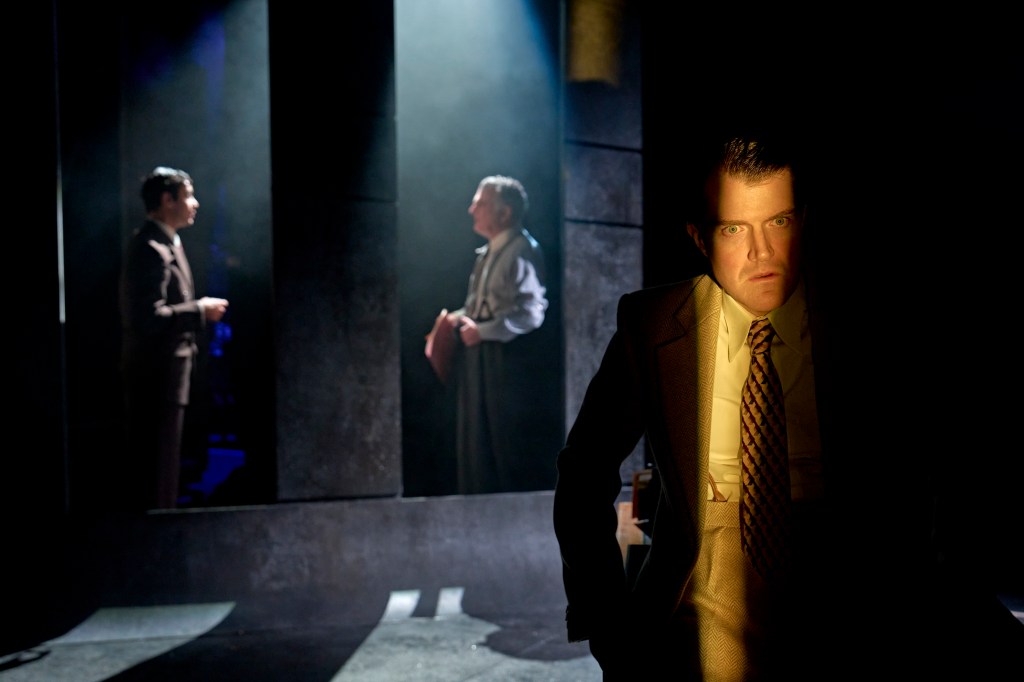
Ti Green’s set captures the nuances of Film noir, the backdrop of a reverse Hollywood sign acts as a constant reminder that they are more on the depressive side of the 1930 rather than the American Dream optimism. In addition, the bare construction of the sets provide the perfect antithesis to Hollywood’s stereotypical glamour. Greens set is utilised well, for a static set the multiple uses Green incorporates is quite impressive. Joshua Gadsby’s lighting and Dan Balfour sound design, pairs well with Greens set and this trio’s attempt to create the film noir spectacle is commendable. The constant use of the smoke effect, was a little overdone and at times it did appear a bit heavy on the stage when the characters were not moving. Green’s choice of costumes cleverly evoke the 1930’s style, providing each character with a sleek and classic silhouette which fills the production with a glamorous feel. Phyllis’ costumes are elegant and stylish and despite not obvious in colours, the polished outlines add to her seductive temptress character. Owens’ suits are symbolic of 1930 style, creating a more formal business-like aesthetic to Walter’s wardrobe. Green’s interesting use of tailoring and intentional character driven styles reinforces the noir aesthetic.

Presenting film noir on stage is a difficult task but Holloway’s production is well executed. Aesthetically the creative team adaptation of Cains tale does work well, where possible every nuance of Film Noir has been captured. The polished and elegant costumes contrast with the industrial/ construction style set resulting in them being symbols of the moral decay of the characters.  The forefront of this story is murder and is obviously a prominent theme of the play, however through Owens and Barton’s characterisation this play becomes more than this. Holloway contrasts comedy and tenderness with murder and seduction and in doing so begs the audience to question their moral compass. Made even more emphatic by having Owens continually break the fourth wall, Holloway literally involves the audience in the characters thoughts and feelings which gives this play a human quality that in my opinion makes it an interesting watch.

Double Indemnity is on at Manchester’s Opera House until Saturday 2nd May tickets are available here.

Acosta Danza Carmen

Reviewed by Maddie Shimwell

Opening Night verdict ⭐️⭐️⭐️⭐️

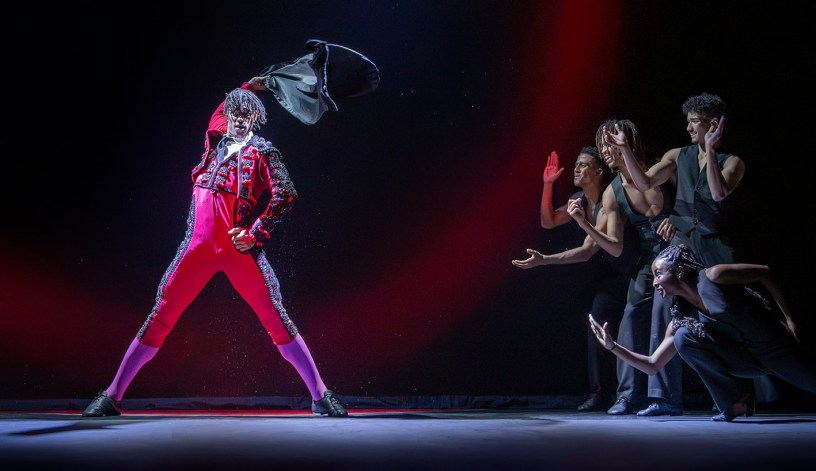
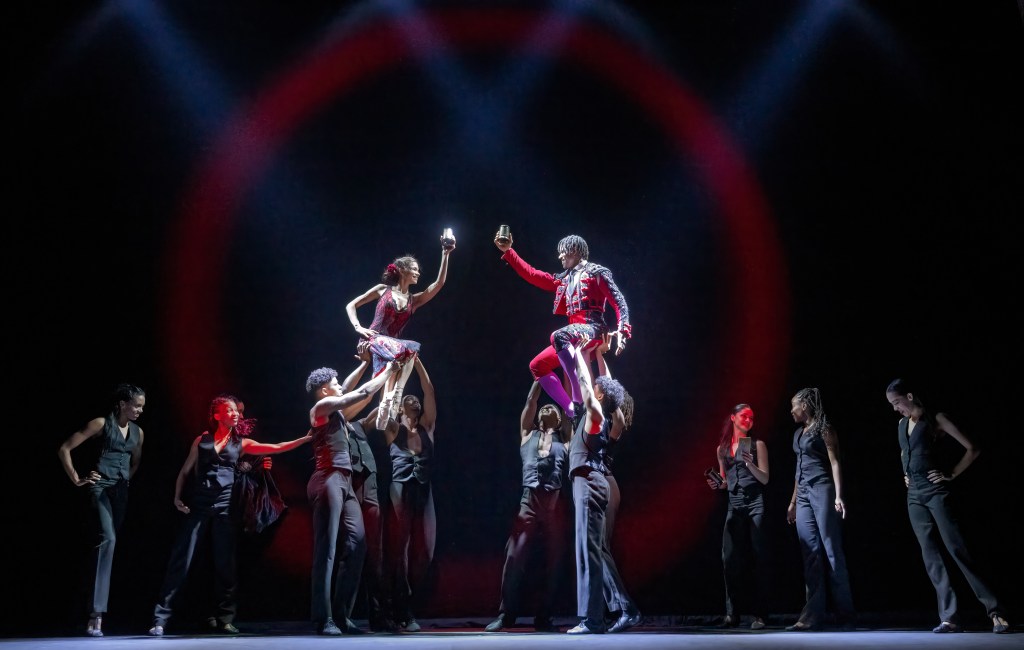
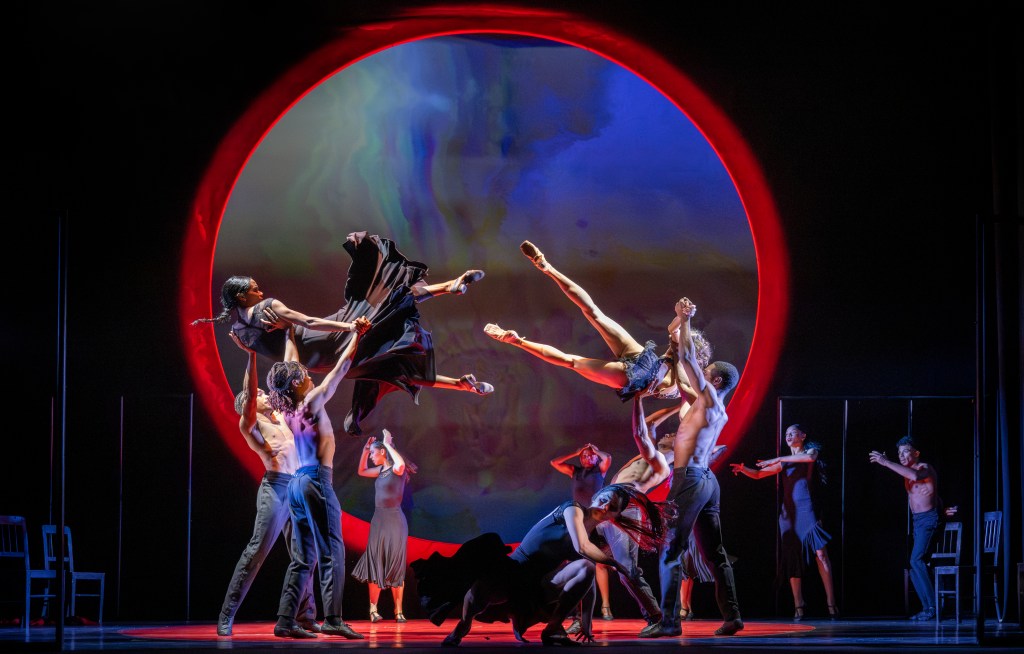
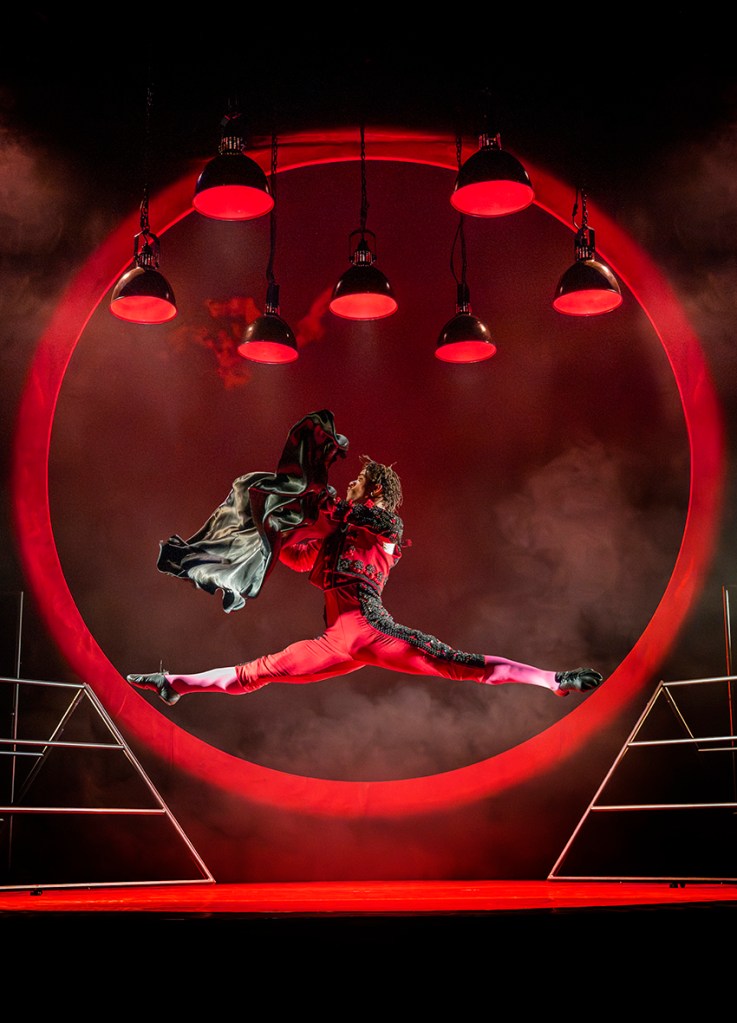
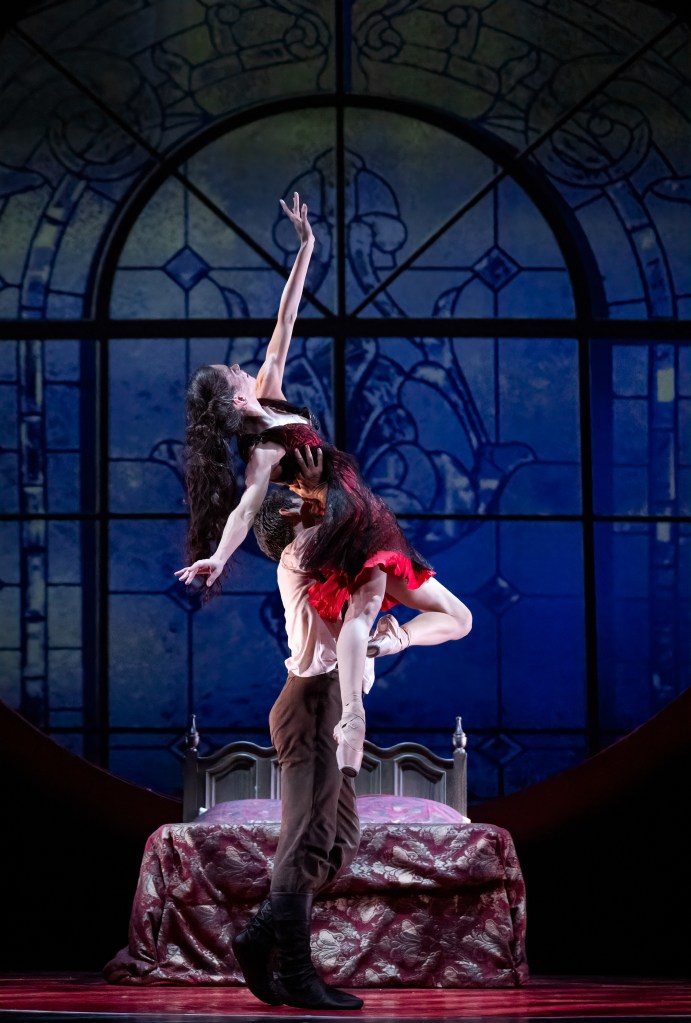
Acosta Danza arrived at the Opera House in Manchester last night, presenting Carlos Acosta’s extended version of his production of Carmen. This reworking of such a famous opera and ballet is striking and contemporary.

The first act introduces Carmen (Amisaday Naara), a factory worker, and Don Jose (Alejandro Silva), a soldier whose lives collide following Carmen’s arrest. One of the most memorable moments occurs early on. The pair weave in and out of a caged structure, Carmen’s wrists bound to a rope held by Don Jose. The choreography here is particularly clever, clearly requiring complex problem solving and meticulous rehearsal to avoid any accidental entanglements. It visually captures the power dynamic and growing tension between the two characters.

Naara and Silva portray the intense passion of Carmen and Don Jose’s relationship excellently. Their chemistry is undeniable, enhanced by beautiful lines and stunning classical technique. The whirlwind romance feels fuelled by lust and circumstance rather than genuine love, which makes their eventual downfall even more inevitable.

One character I struggled to fully connect with was Bull (Aniel Pazos). His presence onstage was undeniably powerful, yet despite Acosta describing him as a ‘Master of Ceremonies’, this did not entirely translate. His function within the narrative felt unclear.

I also felt that some of the corps de ballet sections in Act One lacked the refinement seen in the duets and solos. However, this was resolved in the opening of Act Two which featured the newly added tavern scene for the corps de ballet, which proved to be the standout moment of the entire production. Without having seen the original version, it is difficult to imagine the work without this scene. The dancers brought infectious energy, and the Cuban flair shone through.

 Following this, Escamillo (Paul Brando) is introduced, and Carmen instantly falls for him. In contrast to her relationship with Don Jose, her feelings here feel genuine and you can see she is in love this time. The production builds swiftly to its ending when Don Jose discovers Carmen’s plans to marry Escamillo, and in a fit of jealous rage, tragedy strikes.

Overall, Acosta’s Carmen succeeds in offering a fresh Cuban-contemporary fusion alongside classical ballet. At just 1 hour and 40 minutes including an interval, much shorter than the classic opera, feels purposeful rather than rushed, keeping the story largely clear and engaging throughout.

Acosta Danza Carmen is on at The Opera House until Saturday 25th April tickets available here.

The Boy at the Back of the Class

Reviewed by Gill and Stan Selkirk

Opening Night verdict ⭐️⭐️⭐️⭐️⭐️

The Boy at the Back of the Class is a well-loved book for many school children. This award-winning book by Onjali Q. Raúf has been adapted by Nick Ahar and is now a 2026 Oliver Award-winning stage show. It tells the story of Ahmet, a refugee boy from Syria. Even though the book is aimed at children this play can absolutely be enjoyed by all ages.

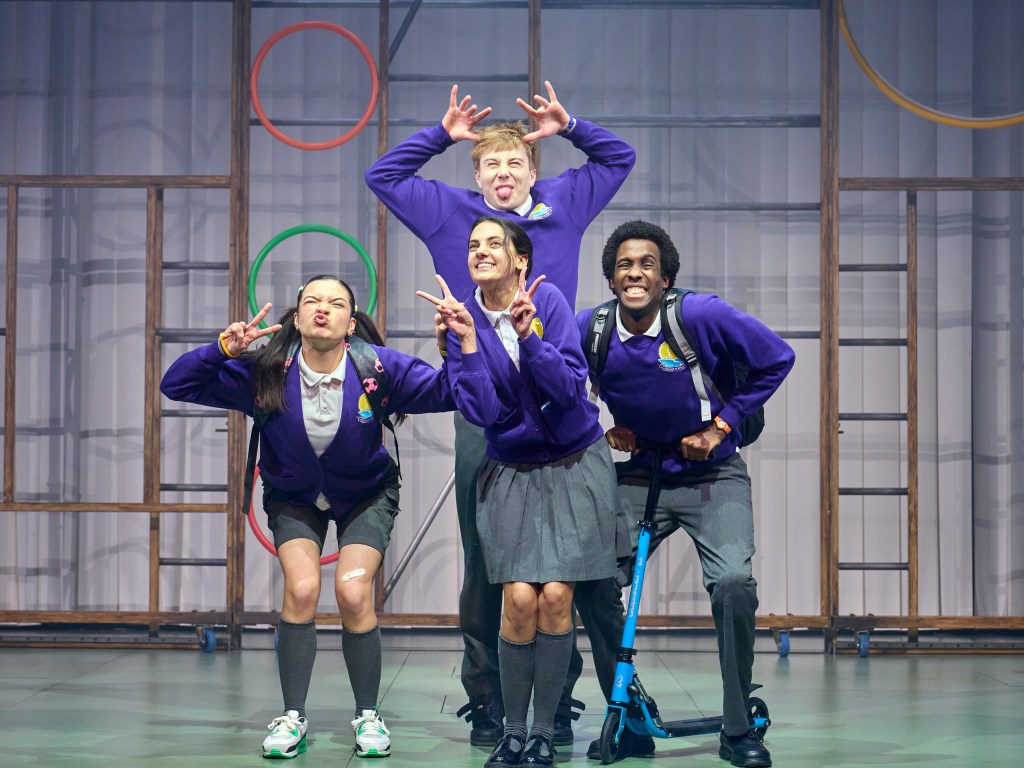
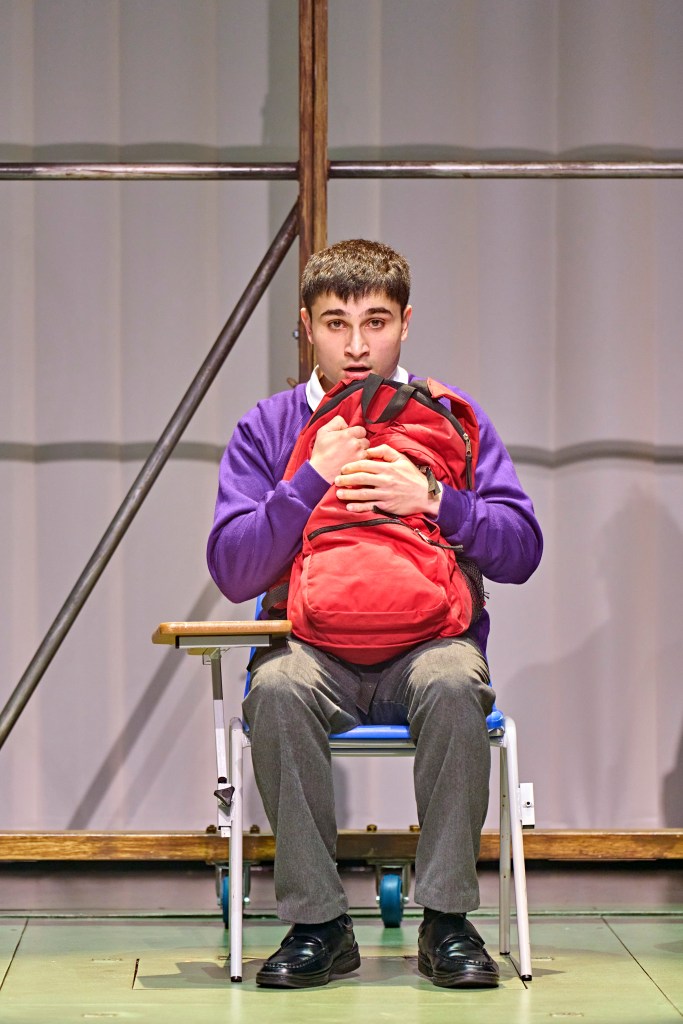
We follow Ahmet played by Serkan Avlik as he tries to settle into his new school in a different country. He is welcomed by a very caring girl called Alexa played by Sasha Desouza-Willock and her friends “The A Team” as they try and help this new boy, who sits quietly at the back of the class. They learn he is a refugee, which is a word they are not familiar with, after learning more about his heartbreaking situation they make it their mission to help reunite Ahmet with his family.

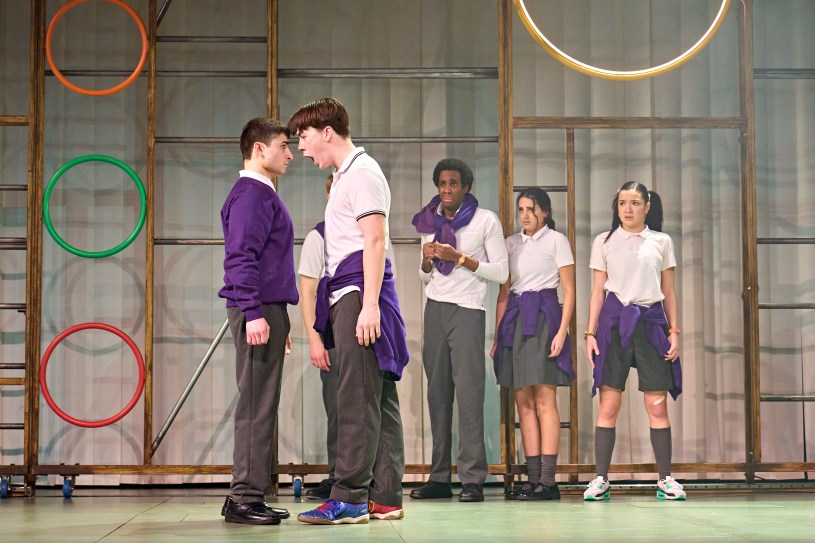
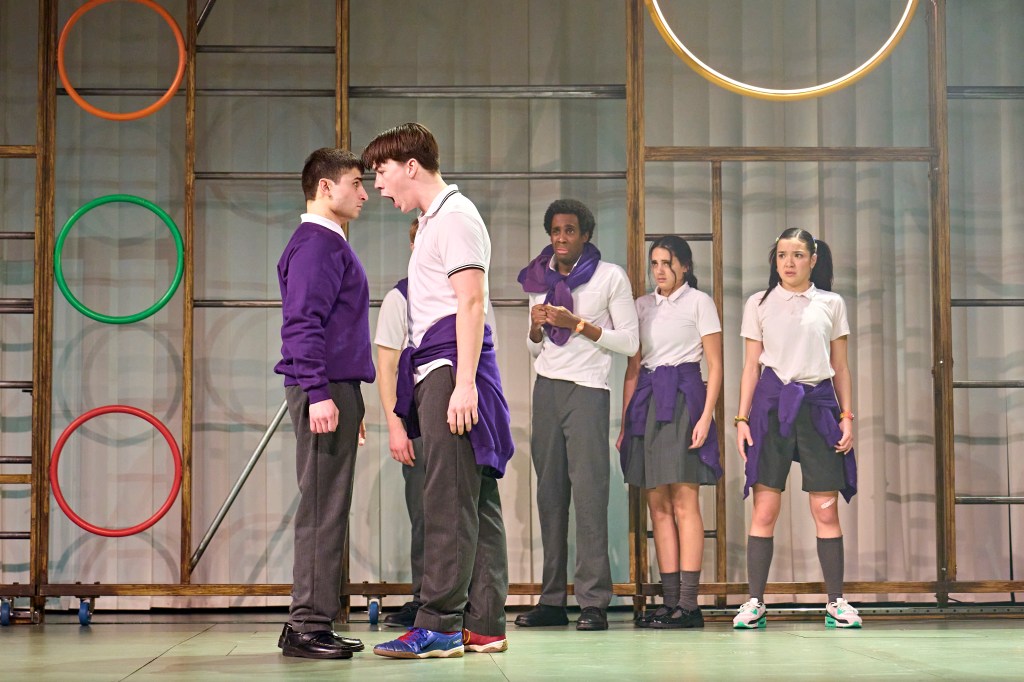
Despite most of the children being welcoming and trying to find ways around the language barrier using games and sharing snacks, Ahmet still must deal with awful treatment from the school bully Brendan played by Max Jordan, some of the parents, and even a teacher.

The story is told through the children’s eyes. Which gives it a refreshing innocence. It challenges why things are accepted by so many in the current world we live in. At no point during this production did I feel it had been dumbed down for children. 

It manages to be accessible, thought provoking and interesting for all. Even with the difficult topic the creators still managed to include plenty of giggles for all the audience. More political moments, are handled well and clearly show the responsibility politicians and the press have in how they portray refugees. 

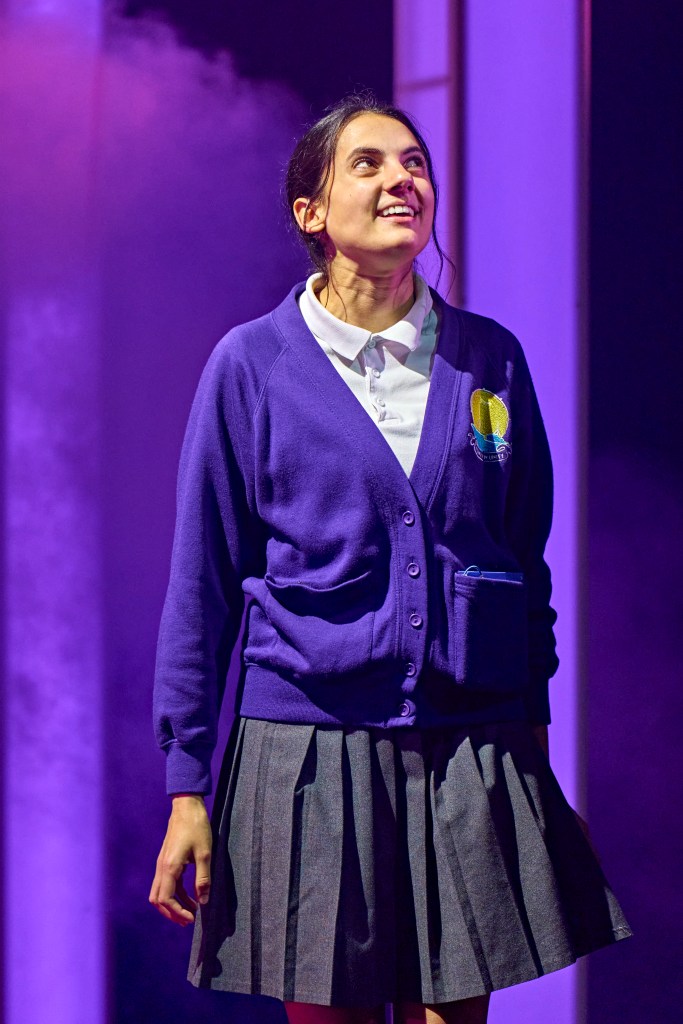
The brilliantly talented cast are played by adults which works extremely well. Together as the friends Alexa, Michael, Josie and Tom all provide plenty of humour without losing the more serious message in the story. Alexa is also our narrator, she does this with a child’s innocence but allows her incredible determination for justice to shine through as she switches from directly addressing the audience back to the story seamlessly, fidgeting throughout, like many 9-year-old children but then can switch to play the adult characters perfectly.

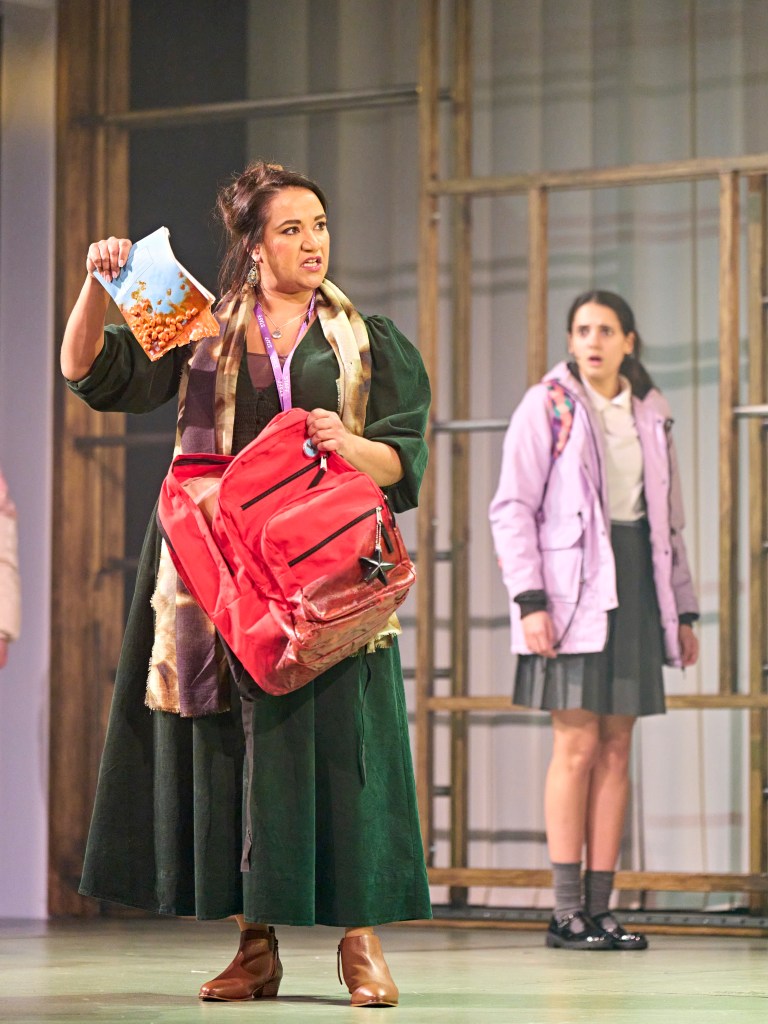
Jonny Walker is the over-enthusiastic American Tom, who is full of energy and positivity, even managing to continue his performance upside down exercising. Natasha Lewis plays Mum and Mrs Khan, she does this brilliantly with care and compassion being the sort of teacher we all would want. 

Petra Joan-Athene plays star-crazy friend Josie, as well as some of the adult roles, easily switching between her many personas. Serkan Avlik plays Ahmet, our title character in such a way we instantly warm to him, and we are all in his corner, his sadness and fear at the beginning is all-encompassing but we slowly see him become a happier and more confident person as the show goes on. 

Direction by Monique Touko ensures the energetic pace means the audience attention is held throughout thanks to this well told story; incorporating Ahmet talking to the audience making us feel like we are even more invested in the outcome of this story, we see the situation through his eyes and the genuine struggle of many refugees, allowing us to see them as individuals with their own stories rather than the way they are shown often in the media. 

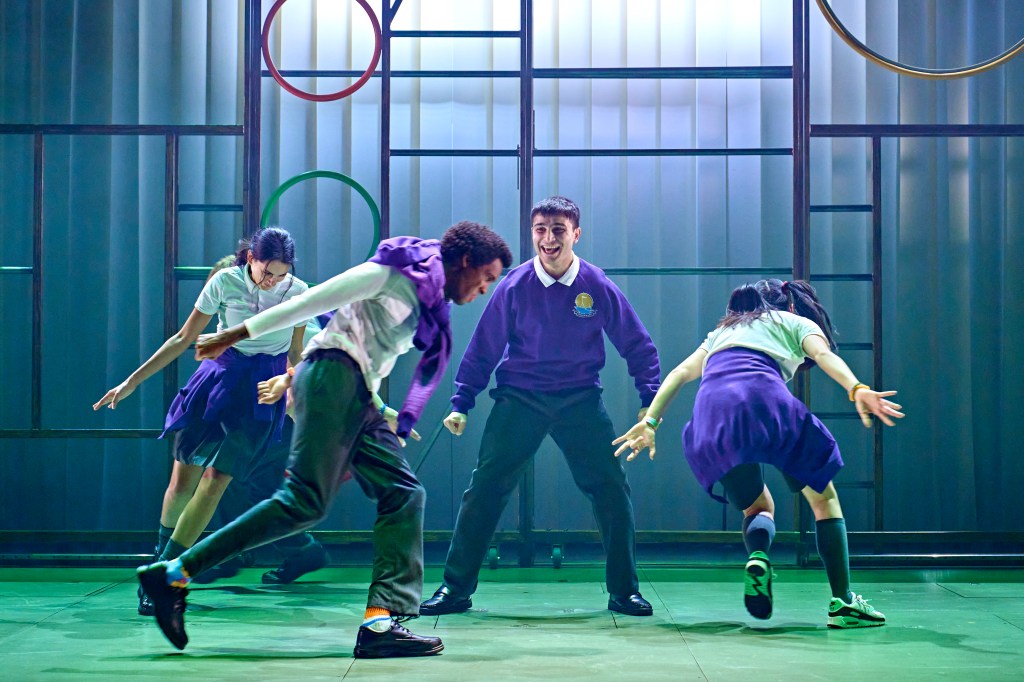
Set design is by Lilly Arnold and adds wonderfully to the storytelling. The backdrop is the kind of PE apparatus that many school children still know and adults remember. This backdrop is easily adaptable, making way for many scenes and works incredibly well along with some great sound effects even transforming to the gates of Buckingham Palace as well as the classroom.

Nick Ahad’s stage adaptation of this best-selling novel has been done beautifully. It manages to be funny and incredibly moving (tissues needed at the end) and portrays such a difficult subject with humanity.

Stan Selkirk – aged 10

I saw The Boy at the Back of the Class at The Lowry and I really enjoyed it. Some bits were funny and made everyone laugh, but other parts were serious and made me feel a bit sad for Ahmet. It taught me a lot about refugees and how hard life can be for them, and it also showed how important it is to stand up to bullying.

The show made me think about how even small acts of kindness can help someone. I liked how the kids in the story tried to help instead of just talking about it. Even though I don’t think I could travel to Buckingham Palace I always try and be kind and help others and I hope as I get older, I can do this more to change the way people treat refugees like Ahmet.

The whole show was produced well – the acting, the set, everything. When it finished, I felt like I’d learned something important and I kept thinking about it afterwards.

We talked about it driving home last night and all thought things need to change, and we all need to be part of this. I learnt that we shouldn’t worry about asking questions and what words mean to help us understand and change things for the better, I hope I can do this more as I get older. 

The Boy at the Back of the Class is on at The Lowry until Saturday 18th April tickets and further information are available here.

Ballet Black at 25

Reviewed by Maddie Shimwell

Opening Night verdict ⭐️⭐️⭐️⭐️⭐️

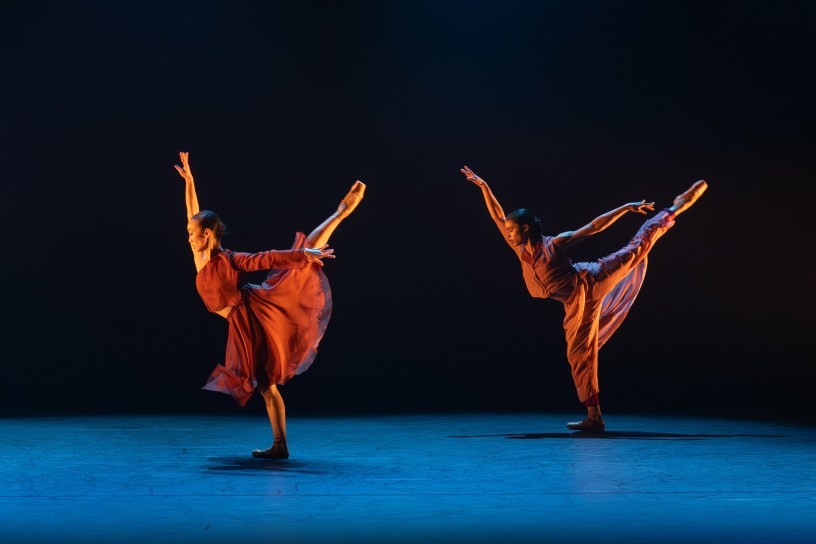
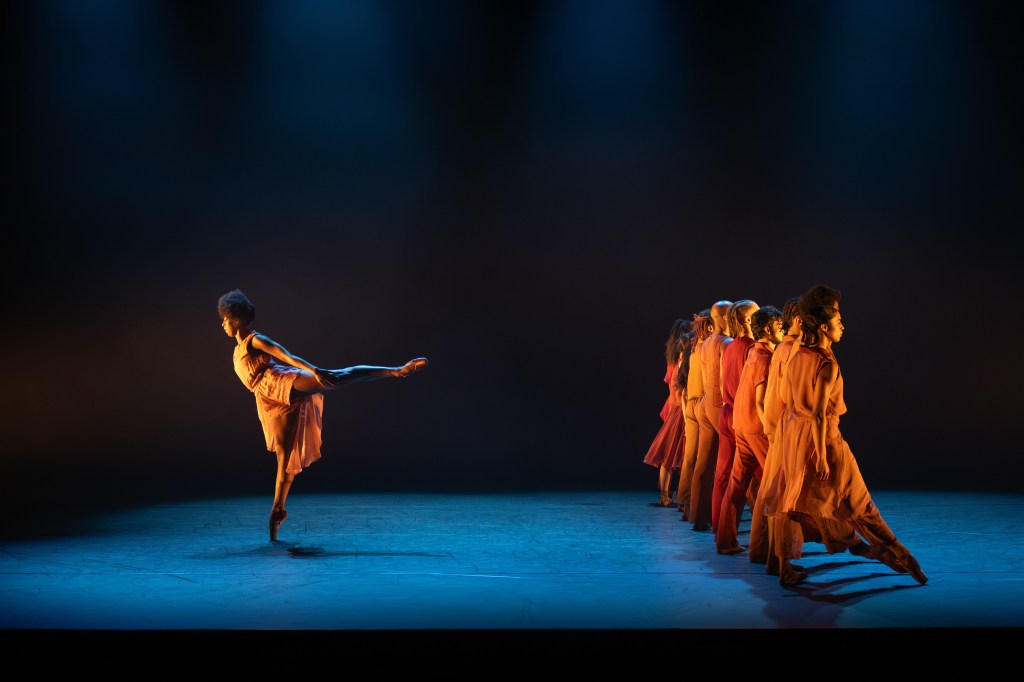
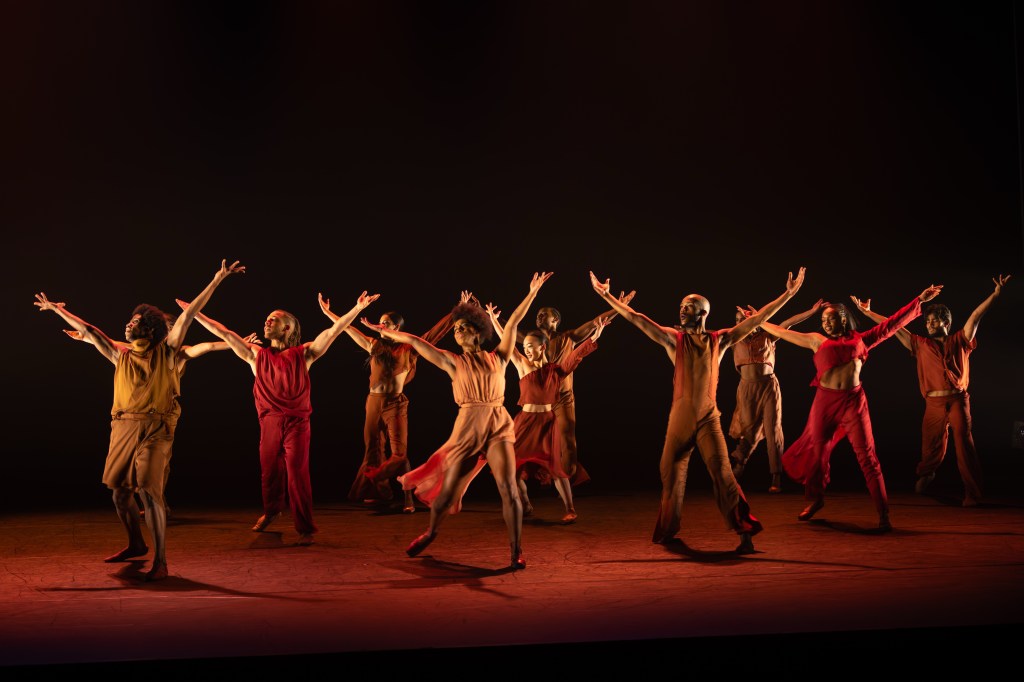
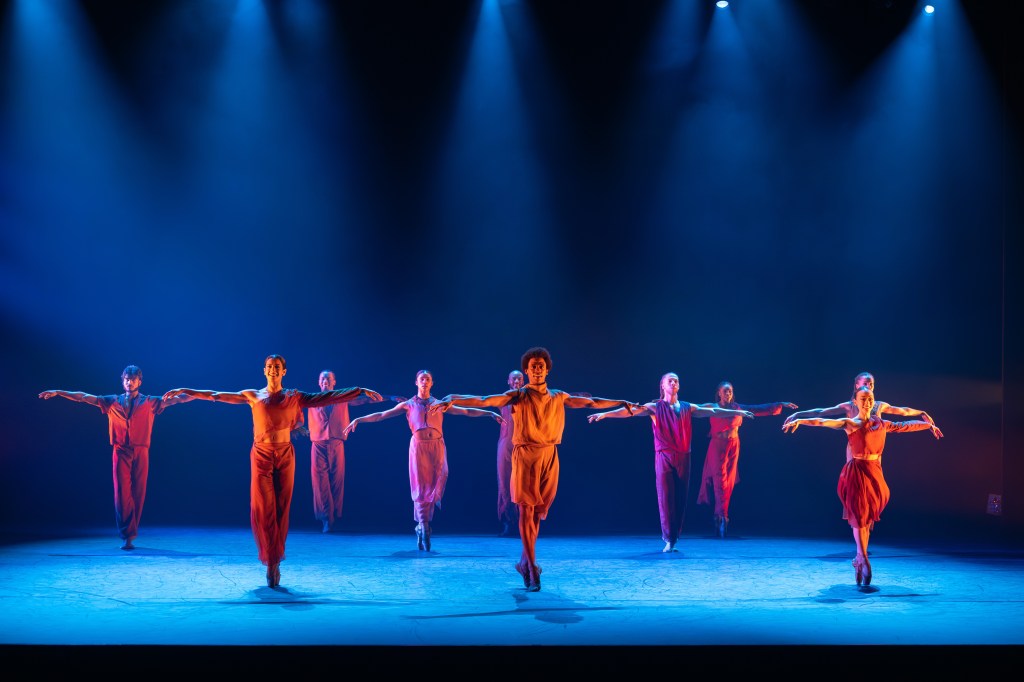
To mark a quarter of a century of beautiful storytelling and cultural impact, Cassa Pancho’s Ballet Black are touring the UK with their Anniversary Programme. The company comprises of 11 dancers. Each artist is given space to showcase their individuality, reinforcing Ballet Blacks continuous commitment and determination to celebrating ballet without stereotype or limitations.

The show opened with ‘…all towards hope.’. A bright and uplifting work choreographed by Hope Boykin. The piece began with the dancers moving to spoken word, written and recorded by Hope herself, immediately setting the tone of unity and having purpose. The message of working collectively to create change and inspire hope, resonated throughout. The choreography was fast paced and technically demanding with intricate footwork, yet this was executed with such precision and an ability to make this seem so effortless.

What really stood out to me was the intentional focus of each dancer as an individual. There was a real sense of celebration of each performer’s own artistry within the company. It added to the message of working towards the same goal together, without the need for uniformity.

One dancer who I could not take my eyes off, was Junior Artist, Bhungane Mehlomakulu who radiated pure joy and I couldn’t help but beam whenever he came on stage. The decision to allow each dancer their own moment for bows, further emphasised the message of celebrating individuality within togetherness. It was a wonderful piece to start the evening with, and did exactly what it says on the tin, delivered hope to those who watched it.

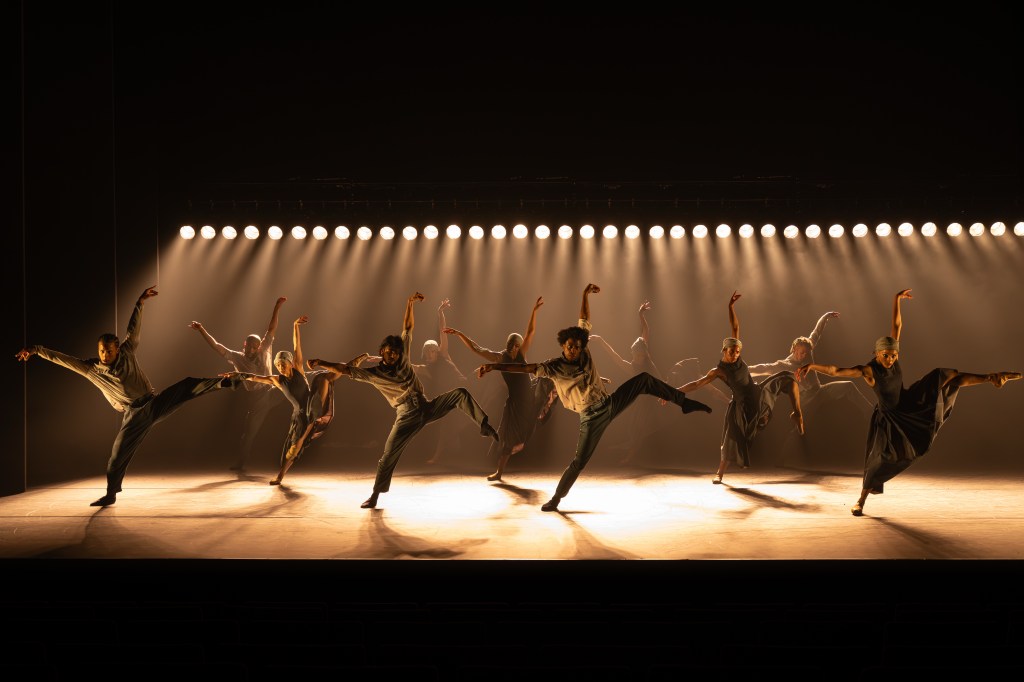
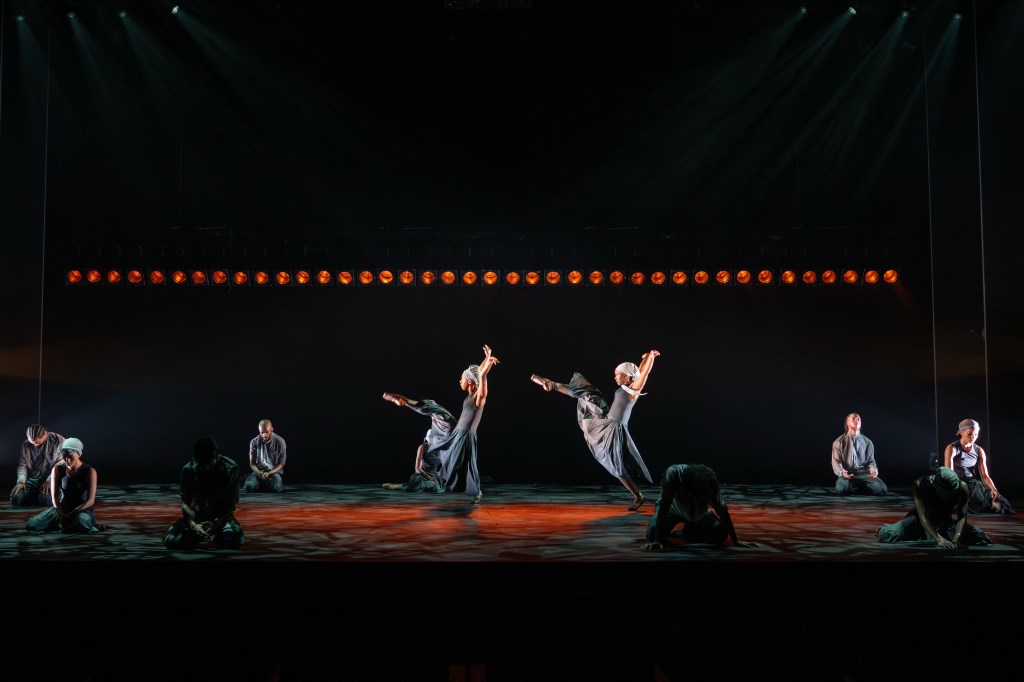
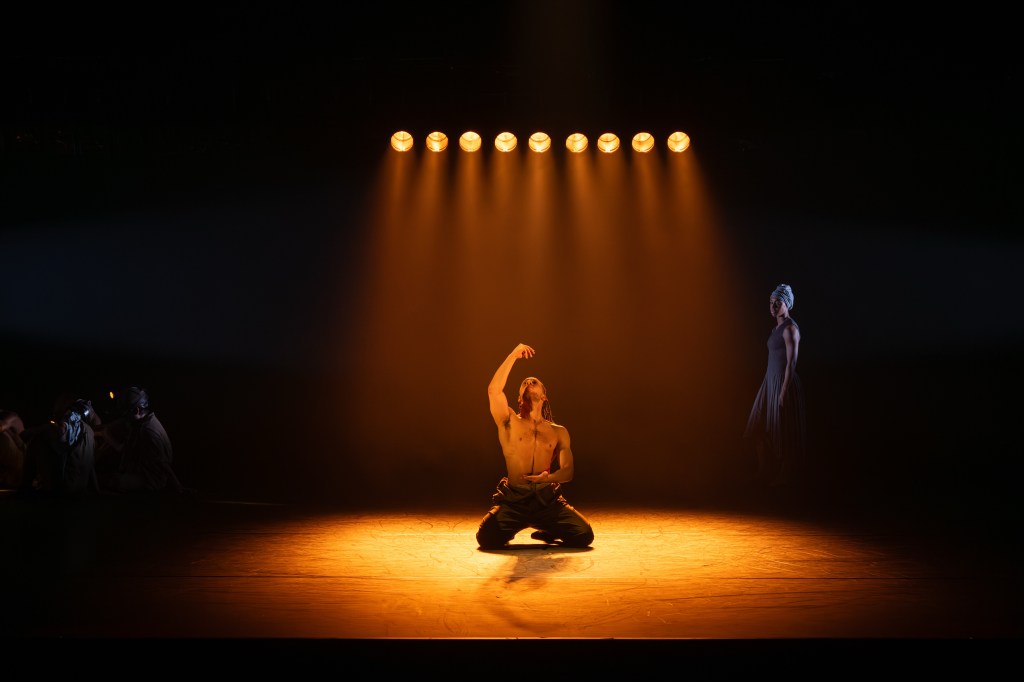
The second piece of the double bill was ‘INGOMA’ choreographed by Mthuthuzeli November. It is the most captivating piece of storytelling I have ever seen. This was an incredibly emotive performance depicting the aftermath of the horrific massacre at the African mine workers’ strike in Marikana 2012 focussing on the grief experienced by the families left behind. The artists showed such emotional depth to their performance. Conveying their despair, anger and pain with authenticity and physical intensity.

The work was incredibly physical and rhythmical, requiring a huge amount of stamina and strength, and each artist rose to the challenge. It was unbelievably inspiring, thought-provoking and showed the power of dance.

The evening was an emotional rollercoaster from hope to heartbreak, and they took us along for the ride. The whole company deserved the standing ovation they received, acknowledging the incredible talent on stage.

Further information and tour dates can be found here.

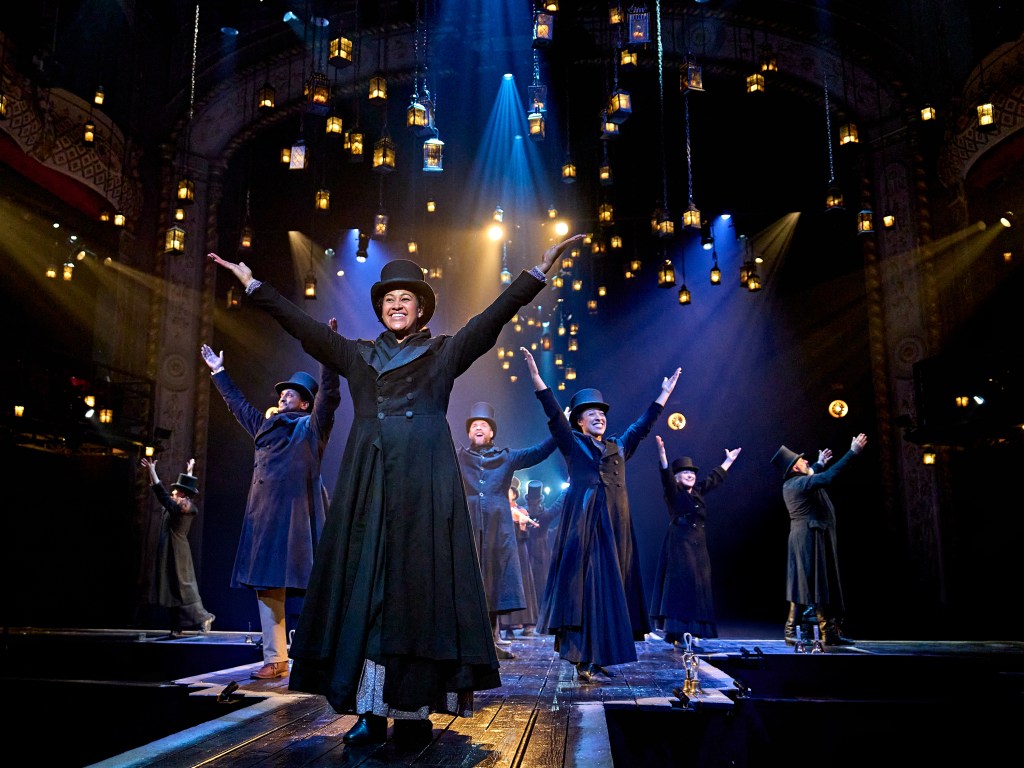
The Old Vic’s A Christmas Carol comes to Salford

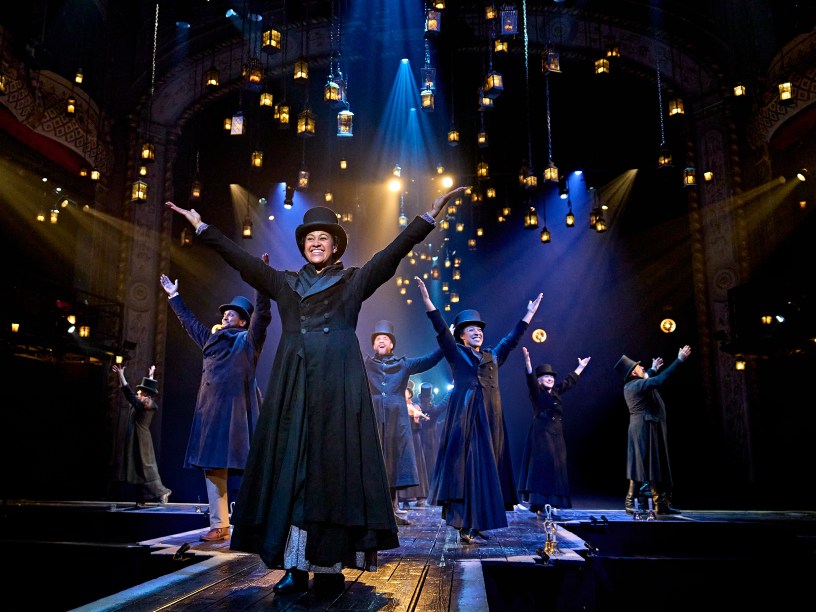
The Old Vic is delighted to announce that Matthew Warchus’ much-loved, Tony Award-winning  A Christmas Carol, adapted for the stage by Jack Thorne (His Dark Materials, Harry Potter and The Cursed Child), will play at Lowry, Salford from 11 Dec 2026–10 Jan 2027.   

This will be the first time since its world premiere in 2017 that the show will be seen in another UK city, offering the chance for even more people to experience this magical show firsthand.

The Old Vic’s Artistic Director and Director of A Christmas Carol, Matthew Warchus, said: ‘For ten years now this production of A Christmas Carol has been delighting audiences from London and beyond and I am immensely proud of the impact it continues to have on audiences – whether it be their first time seeing the show or one visit of many. To now be able to share the joy of this production with the Lowry and its audiences makes this year a truly special one.’  

Lowry’s Chief Executive, Julia Fawcett, saidWe’re absolutely thrilled to be working with The Old Vic – one of the UK’s leading theatres – to present their landmark production of A Christmas Carol – one of the most exciting, joyous and moving Christmas productions you’ll ever see. It’s the first time the show will have been presented in the UK outside of London – a real landmark moment for theatre in the region. We know North West audiences are in for something very special this festive season and everyone at the Lowry is delighted to be welcoming the show to Salford and presenting it on our Lyric stage.’

A Christmas Carol fills the auditorium to the brim with mince pies, music and merriment in this unique big-hearted production full of music and festive cheer.

Tickets are on priority sale to Lowry Members now and on general sale on Tue 31 Mar at 10am. Further details, including cast, are still to be announced. Tickets and further info can be found here.

Matilda The Musical

Reviewed by Nikki Cotter

Opening Night verdict ⭐⭐⭐⭐⭐

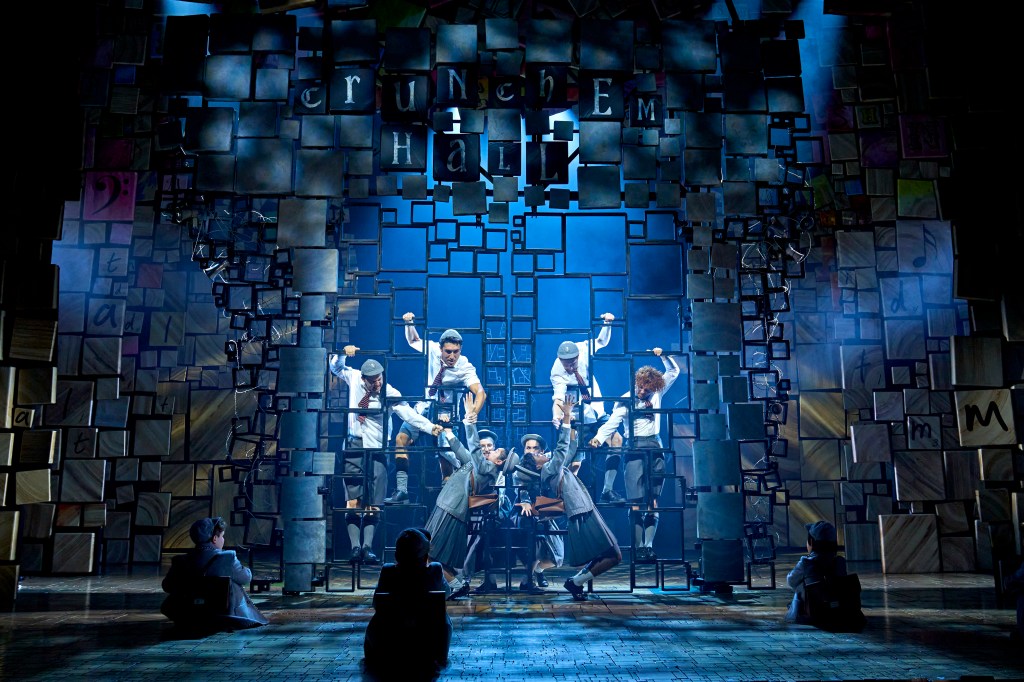
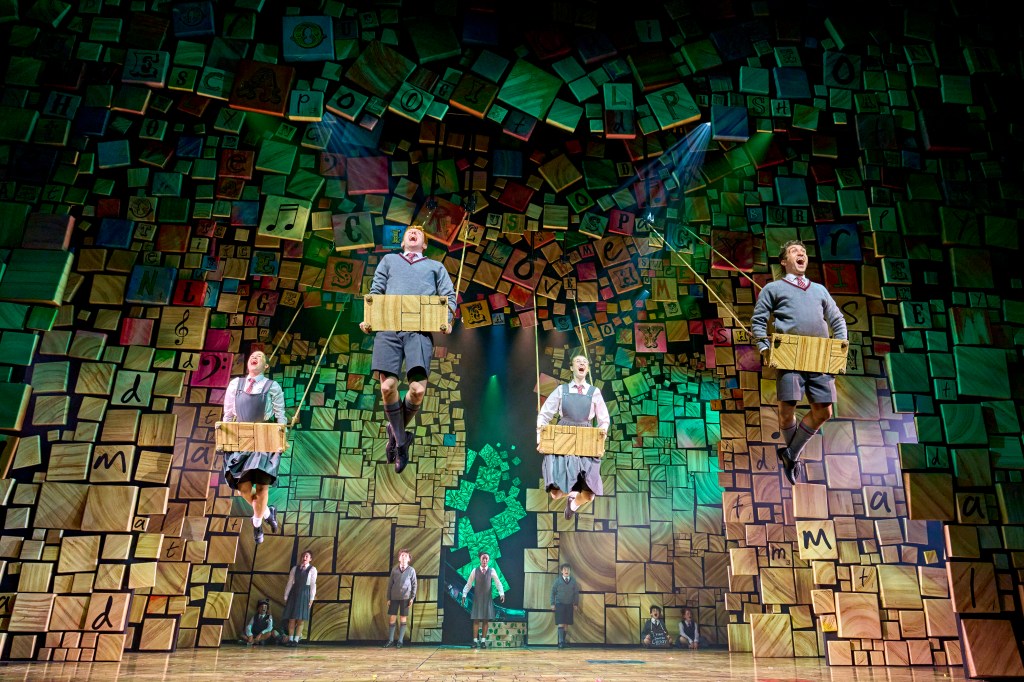
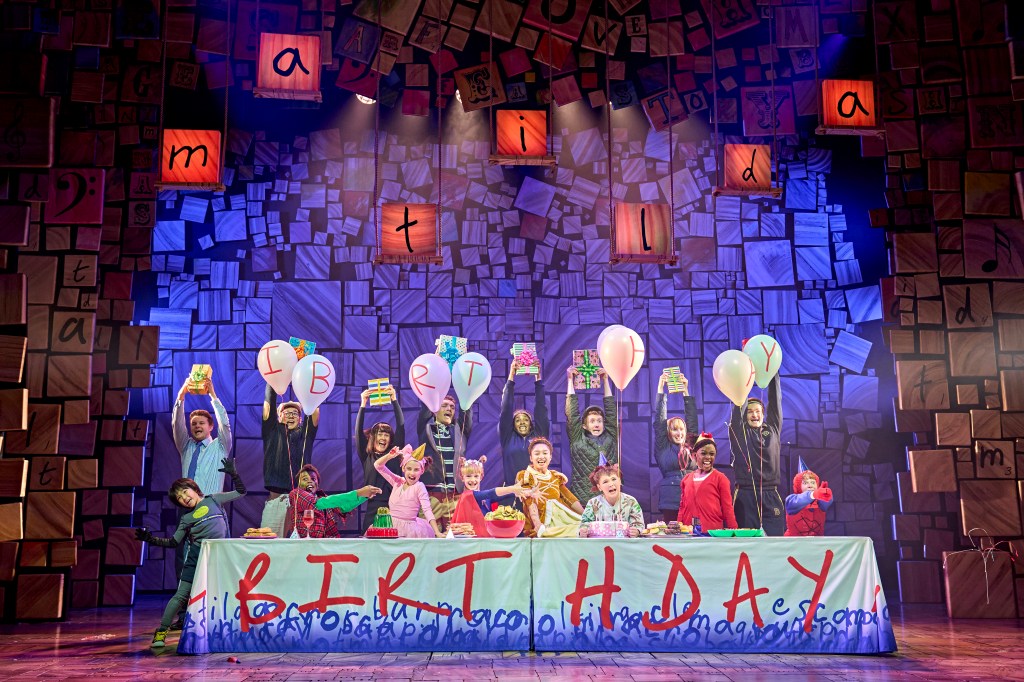
The touring production of Matilda the Musical has arrived in Manchester for a month-long stay at the city’s Palace Theatre. From the moment you enter the auditorium, this show draws you in. Rob Howell’s brilliant set design of wooden blocks and stacked books reimagines the space as the cast burst into opening number Miracle, bringing this beloved Roald Dahl classic to vibrant life.

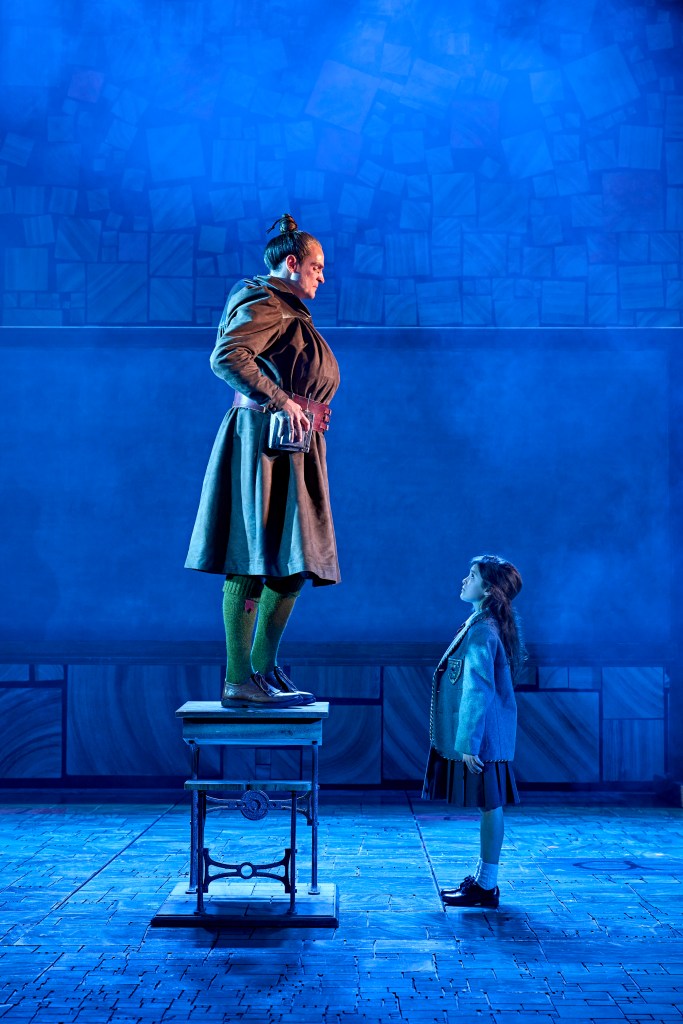
At the heart of the story is Matilda, a bright and brilliant girl who finds herself saddled with quite possibly the worst parents in the world. Despite having their very own child genius the Wormwood’s are far too busy with their own selfish and silly pursuits to notice, thankfully Matilda’s teacher Miss Honey soon realises how gifted she is, taking her under her wing despite terrifying Head Teacher, Miss Trunchbull’s treacherous tactics to thwart them.

Taking on the role of Matilda at tonight’s performance is an impressive Mollie Hutton.  She perfectly captures Matilda’s defiant spirit, proving that no matter how small you are or how grim your situation, you have the power to rewrite your own story. Her voice is pitch perfect as she delivers each vocal with just the right amount of mischievous spark.
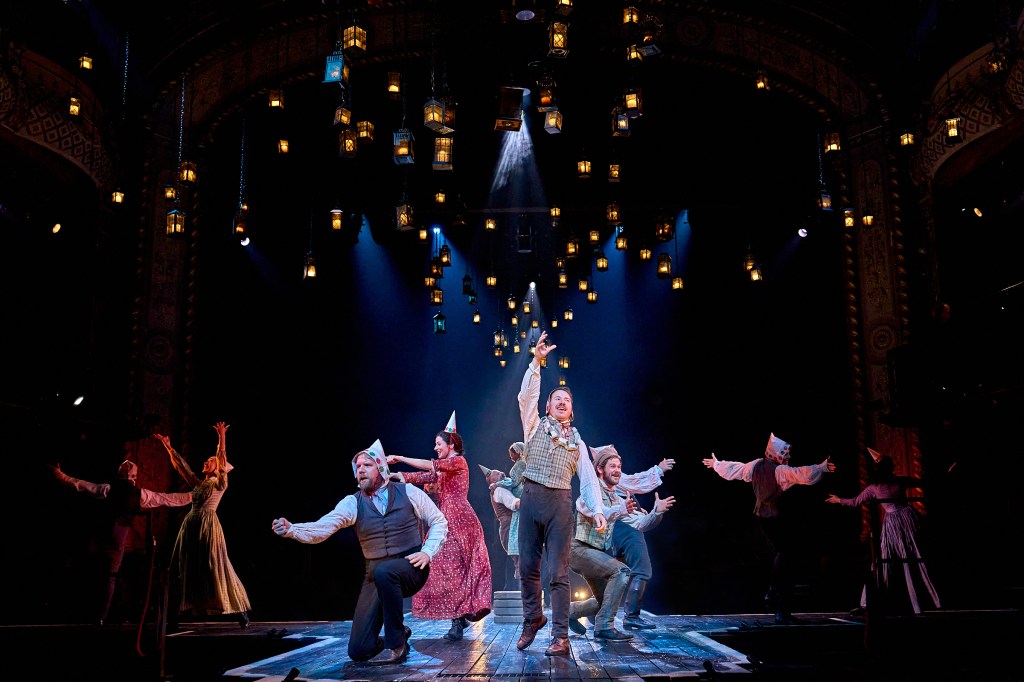
Richard Hurst makes for a tremendous Miss Trunchbull, his physical comedy is spot-on as he stalks the stage to hilarious effect. Tessa Kadler is excellent as sweet teacher Miss Honey, while Adam Stafford and Rebecca Thornhill as Mr and Mrs Wormwood are as wonderfully grotesque as you’d wish for and deliver some of the best comedic highlights.

Special mention must also go to the incredibly talented ensemble of children and adults who deliver Peter Darling’s choreography with absolute precision. Their infectious energy drawing the audience in more and more with every scene. They create a truly heart-warming moment during the inventively staged When I Grow Up, while their punchy precision during Revolting Children provides a perfect, high-energy final group number, with Carter-J Murphy shining in the role of Bruce.

This touring production seamlessly brings West End magic to Manchester, entertaining wholeheartedly while also delivering key messages about courage, kindness and the importance of standing up against injustice while Tim Minchin’s music and lyrics tick every box. This is a witty, joyous, mischievous masterclass in musical theatre that will appeal to young and old alike, ensuring we all feel a little bit taller by the end of the night.

Matilda The Musical is on at Manchester’s Palace Theatre until Saturday 25th April tickets are available here.

The Constant Wife

Reviewed by Sophie Rowley

Opening Night verdict ⭐⭐⭐⭐

Filled with style, sophistication and sharp wit, W Somerset Maugham‘s 1926 play The Constant Wife explores the institution of marriage, morals and manners turning every expectation on its head with an imaginative alternative telling of infidelity, betrayal and scandal. Being labelled Maugham’s “most clever and captivating creations” he creates the ultimate heroine in Constance Middleton. Always aware of her husband’s extra-curricular activities with her best friend Marie Louise, Constance plays the dutiful wife and in true 1920’s style pretends to live her life in blissful ignorance. That is until the affair is made public, now Constance must decide how she wants to live her new life. Now a century on, how will the 2026 audience receive Maugham’s play?

Fresh from the success of a West End run, Maugham’s story is brought to life in this incredible collaboration by David Pugh, Cunard and the Royal Shakespeare Company. Such a trio, the expectation is high for Laura Wade’s Lowry production. Staring Kara Tointin as the formidable heroine Constance who is far ahead of her time. Once the affair is made public, this allows Constance a clean slate to rewrite her story. Tointin plays this wonderfully, she playfully weaves humour and sarcasm into her sizeable script. Moreover, Tointon brings a wonderful modern twist to Constance and despite being set in the 1920’s era, she still manages to make Constance relevant and daring. Maugham’s script shines though in Tamara Harvey’s direction, it’s clear to see why this show has had the success it has.

Tim Delap brings a subtle depth to John Middleton who has a predilection for women that aren’t his wife. He plays the 1920’s male very well and the entitlement is played to perfection, especially in the second act when John even slips into melodrama. He epitomised the idea that “men are polygamous and should be allowed their indulgences”. Delap mixes charm with arrogance in his portrayal of John, and as an audience member you feel conflicted in your feeling of him. This conflict of character is also seen in Marie-Louise Durham – played wonderfully by Jocasta King, on the surface she should be despised for defying her loyalty to Constance, yet it could be argued she could be pitied for being swept along in a romance that wasn’t hers to take. The obliviousness King shows in Marie-Louise’s actions highlights her selfishness, this combined with her lack of awareness is a very clever character choice and it works. For me both Delap and King excel in their characterisation and must be commended.

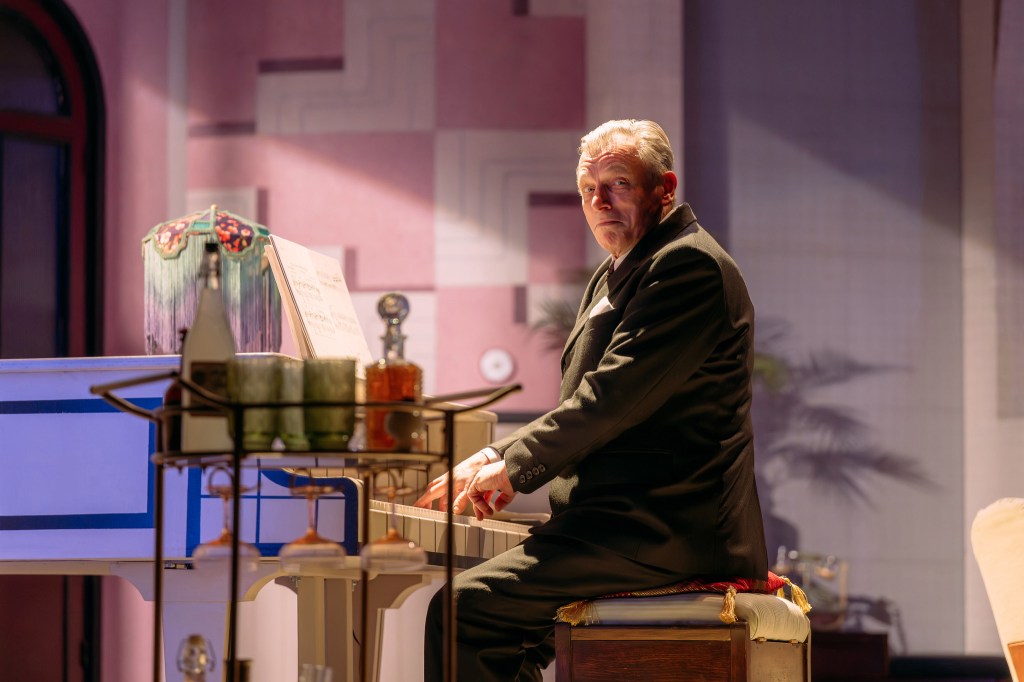
Sara Crowe is perfect as a 1920’s mother – filling Constance with the advice of the time yet she managed to get a few cutting insults on her perception of Constance’s life. Combing humour and wit Crowe brings the archetypal 1920’s mother to life. Amy Vicary-Smith is superb as Martha, Constance’s Sister – the “confirmed Spinster” brings postmodernism to the idea of what a woman is – she is independent and fiercely loyal of Constance. She is a businesswoman and unmarried at a time where this was extremely unfeminine. Like Crowe she brings an effervescent humour that makes the play very enjoyable. Jules Brown, whist having a small part as Mortimer Brown plays a pivotal part as the catalyst for the plot unfolding. Alex Mugnaioni’s portrayal of Bernard as the doting lovesick best friend of Constance adds a entertaining side plot to the play. Finally, Philip Rham’s Bentley the butler is endearing as well as a very talented pianist.

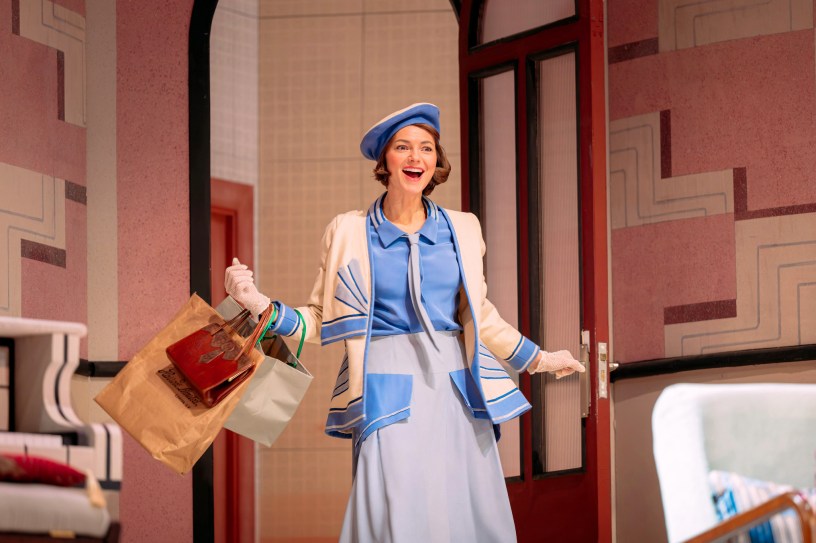
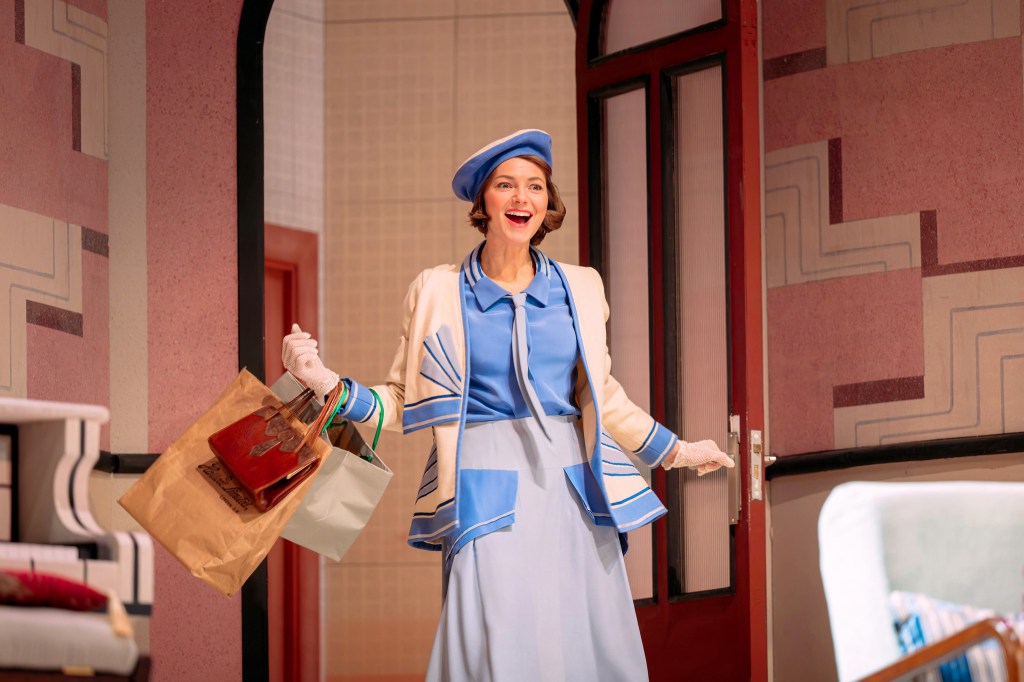
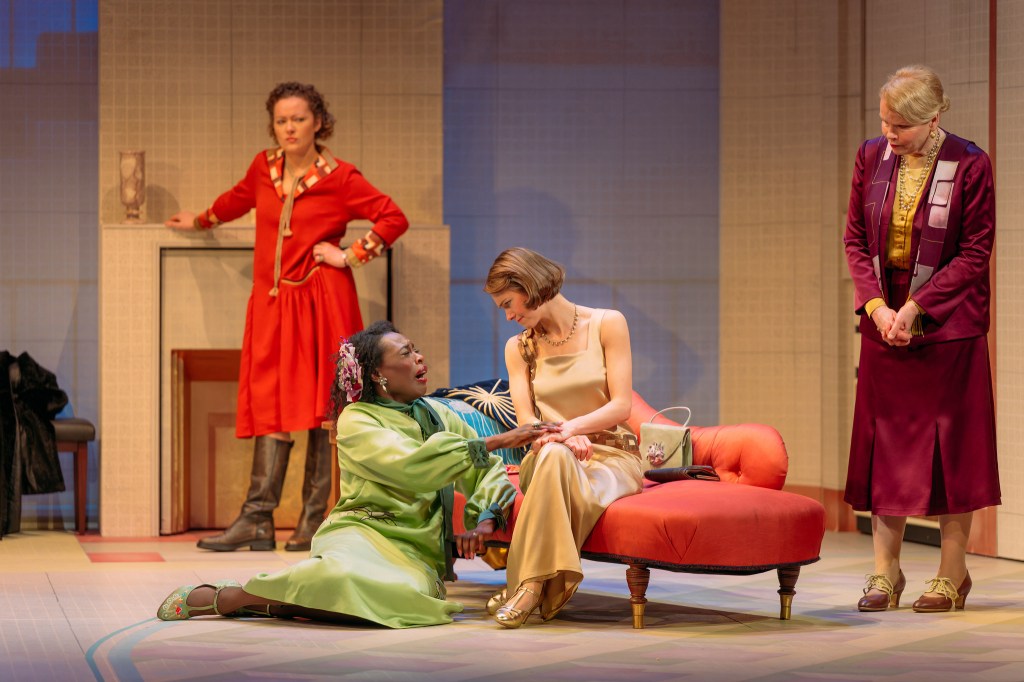
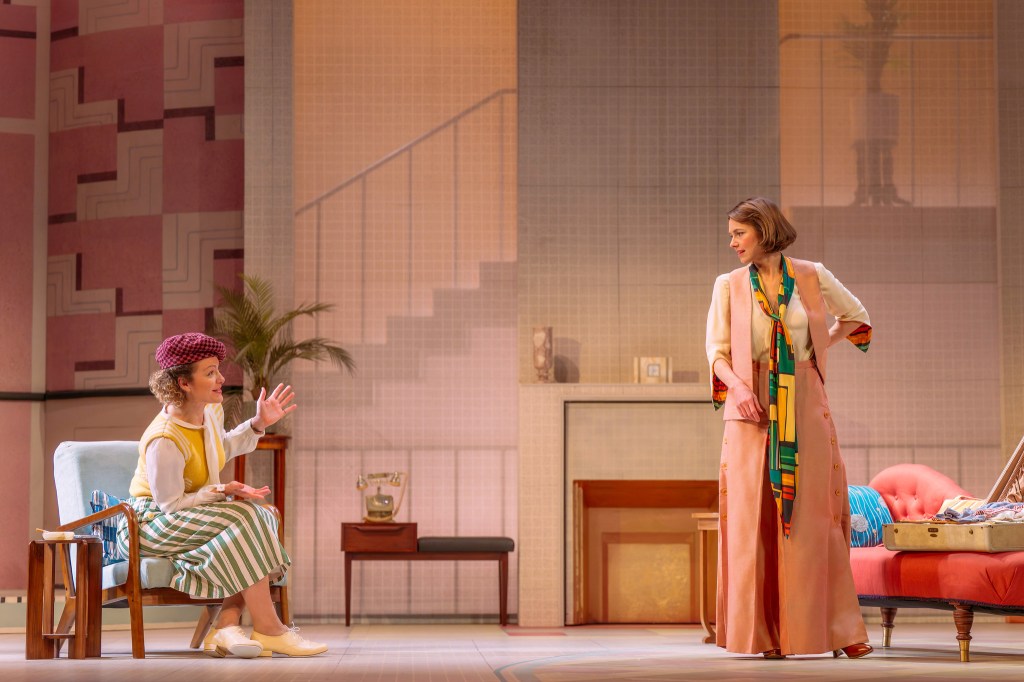
Now a moment must be dedicated to discuss the set and costumes created by Anna Fleischle and Cat Fuller. They have been described as ‘fresh and captivating’ and I cannot disagree. The set is filled with 1920’s staple furniture and art deco designs. Fleischle still brings the 1920’s glamour and elegance with a modern twist that you would see on the high street today.  The combination of these sets and costumes complement one another perfectly and the whole creative team have done a sterling job in creating this masterpiece of visual theatre. For the musical score you can do no better than to include original compositions by Jamie Cullum. Cullum’s signature jazzy tones act as perfect scene changes throughout the play.

The whole production team have delivered an exquisite piece of theatre. The cast is superb in each of their portrayals and are complimented perfectly by the beautiful set, stunning costumes and a jazz soundtrack that will fill you with joy.

The Constant Wife is on at the Lowry until 21st March tickets are available here.

The Battle

Reviewed by Nikki Cotter

Opening Night verdict ⭐⭐⭐


Credit and Copyright: Helen Murray

Exploring the fierce rivalry between Britpop giants Blur and Oasis during the summer of ’95, The Battle offers a satirical retelling of one of British music’s most iconic chart races.

Back in the mid-nineties the media’s fixation well and truly peaked when it was announced that both bands would release singles on the same day, pitting ‘Roll With It’ against ‘Country House’ in a high-stakes battle to the top.

Writer John Niven, who worked in the music industry at the time has created a witty exploration of build-up to release day, the all-consuming nature of the rivalry and its impact on the relationships of those involved.

What began as a seemingly genius marketing ploy quickly begins to consume the lives of not only the band members but their friends, families and the music execs themselves.

Matthew Horne delivers a strong performance as Blur’s manager, Andy Ross, the original mastermind behind the chart battle. Ruthless in his pursuit of success, he focuses entirely on the media hype while underestimating the all-consuming chaos he’s unleashed.

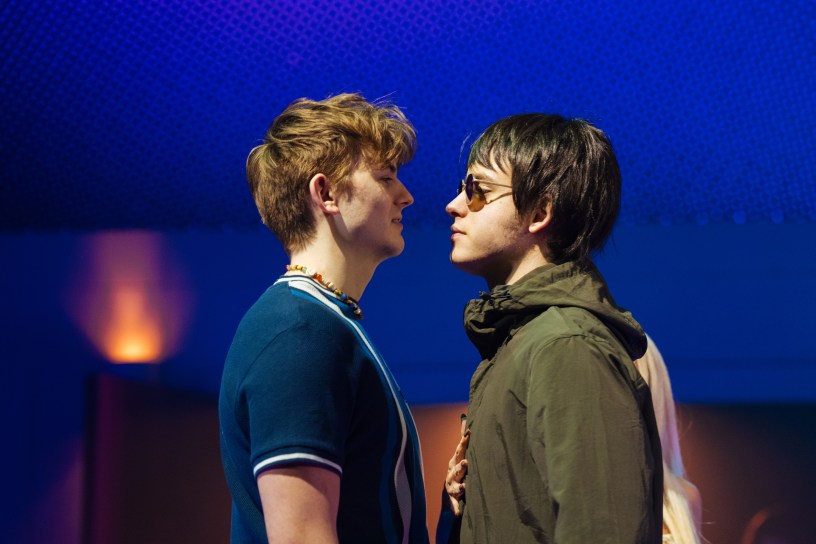
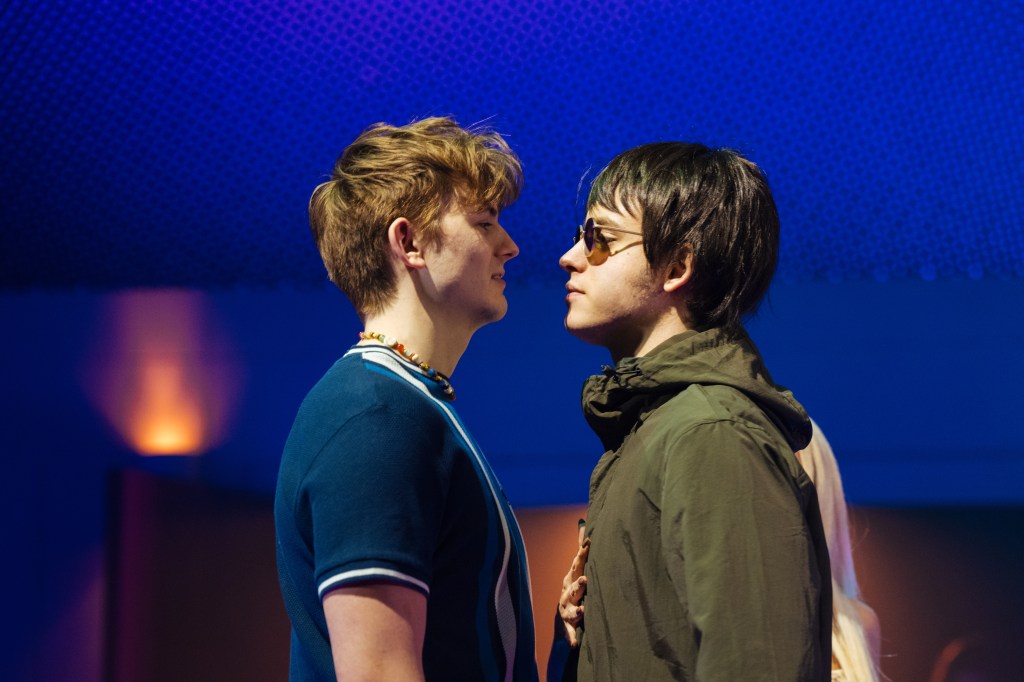
George Usher makes an impressive stage debut as Liam Gallagher, physically embodying Liam to perfection, as he swears and swaggers in true, LG style. He channels Liam’s Gallagher-esque bravado and chaotic presence with skilled precision.

Taking on the more controlled of the brothers, Paddy Stafford is exceptional as Noel, displaying vividly how the cracks begin to show as the pressure mounts, his performance is nuanced and defined, he more than does justice to the legendary lyricist.

Oscar Lloyd portrays the enormously different character of Damon Albarn with clarity while Will Taylor demonstrates superbly the impact of events on an increasingly fraught Graham Coxon, while Brandon Bendell’s Groucho loving Alex James is spot-on.

Amidst the Britpop chaos, Louisa Lytton’s Meg Mathews and Harriet Cains’ Justine Frischmann offer voices of reason for their respective partners, bringing calm to the testosterone fuelled chaos.

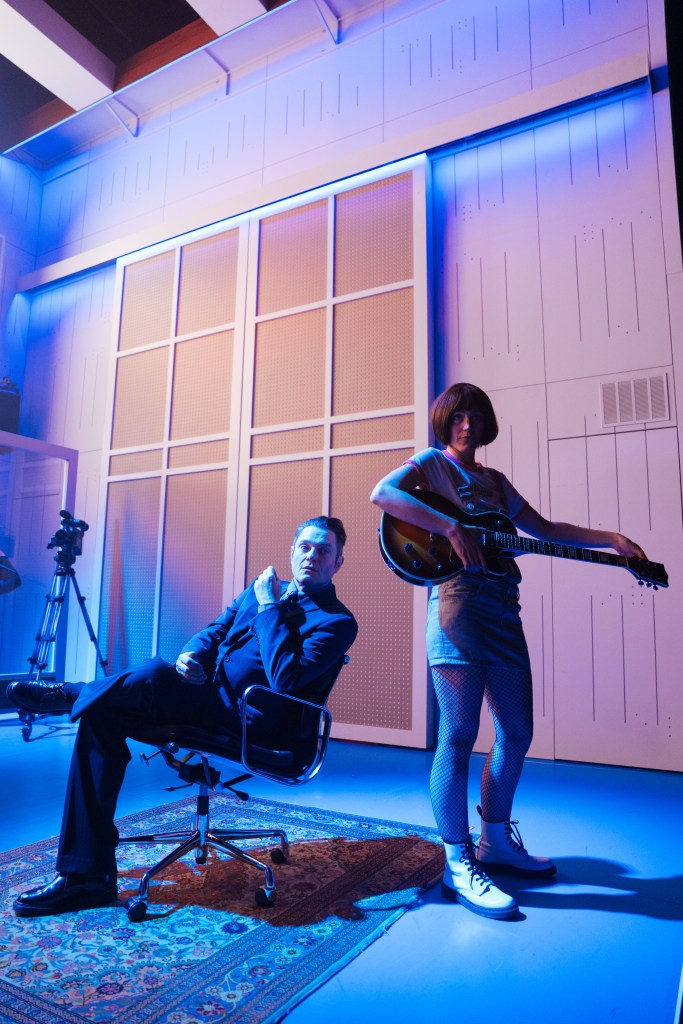
The story is told creatively via scenes from industry parties, award ceremony exchanges, backstage discussions and recording studio sessions. As the pressure builds, tempers fray and bold decisions are made.

This talented cast succeed in capturing the 90s spirit, bringing the era back to nostalgic life for their audience. The script however would benefit from some significant editing in order to pack this production with the punch the original source material provides. The reliance on Liam’s frequent outrageous outbursts becomes a little predictable and leads to some missed opportunities regards pushing the story along with a grittier narrative. The simple staging makes great use of screens broadcasting footage from the time and commentary from DJs such a Jo Whiley, Mark and Lard and Chris Evans however the continual use of cast members changing scenery feels clunky.

The final 15 minutes are wholly unexpected, surreal but ultimately succeed in showing just how absurd this whole battle became. For those of us hooked on the original Britpop rivalry, this show is a nostalgic blast from the past, with some creative reworking it has real potential to become a standout success.

The Battle is on at Manchester’s Opera House until Saturday 21st March, tickets available here.

Mean Girls

Reviewed by Sophie Rowley

Opening Night verdict ⭐️⭐️⭐️⭐️⭐️

Get in Loser – The Plastics have arrived in Manchester!

In 2004 Tina Fey introduced the world to Mean Girls, and to be honest we have never really recovered! Fey revolutionised the genre of teen drama, as previously it focused on romance and ghetto blasters, Fey opts for a more dark and psychological driven narrative. She focused on the mental tournament and social terror high school brings with a dark wit. The cliques of the educational empire became more sleek and intelligent rather than clueless. The term “queen bee” became associated with actually controlling the school as though it was a country or as suggested in ‘apex predator” the animal kingdom. Through Fey’s delightful wit and sharp humour its not hard to see why this film became a millennial masterpiece.

In 2017 Mean Girls premiered on Broadway and just when you think Fey and her creative team couldn’t improve on perfection – a musical score was added and the magic was born. So much so that in 2024 – two decades after the original film delighted the world, Fey scored the hat-rick and released a musical film. It’s fair to say Fey has defined generations with her cult classic and now direct from the West End, Regina and her band of faithful followers have travelled up north to paint Manchester Opera House pink!! So does Mean Girls deserves a seat at the table or will it be the latest entry to the burn book?

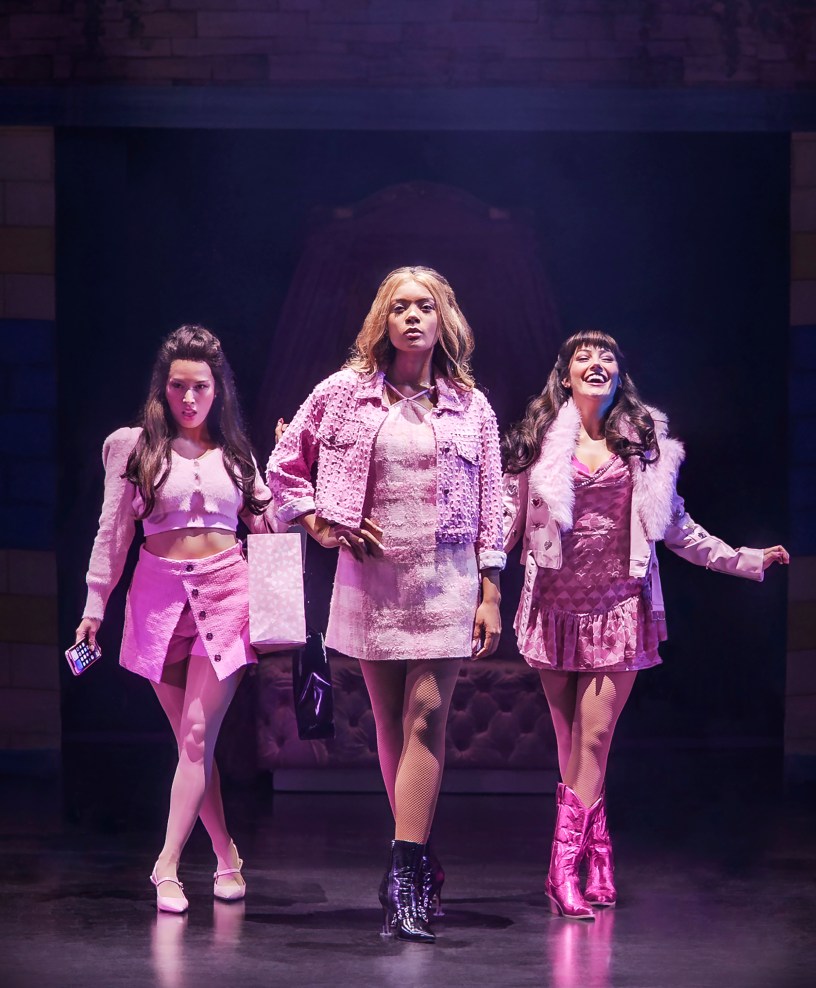
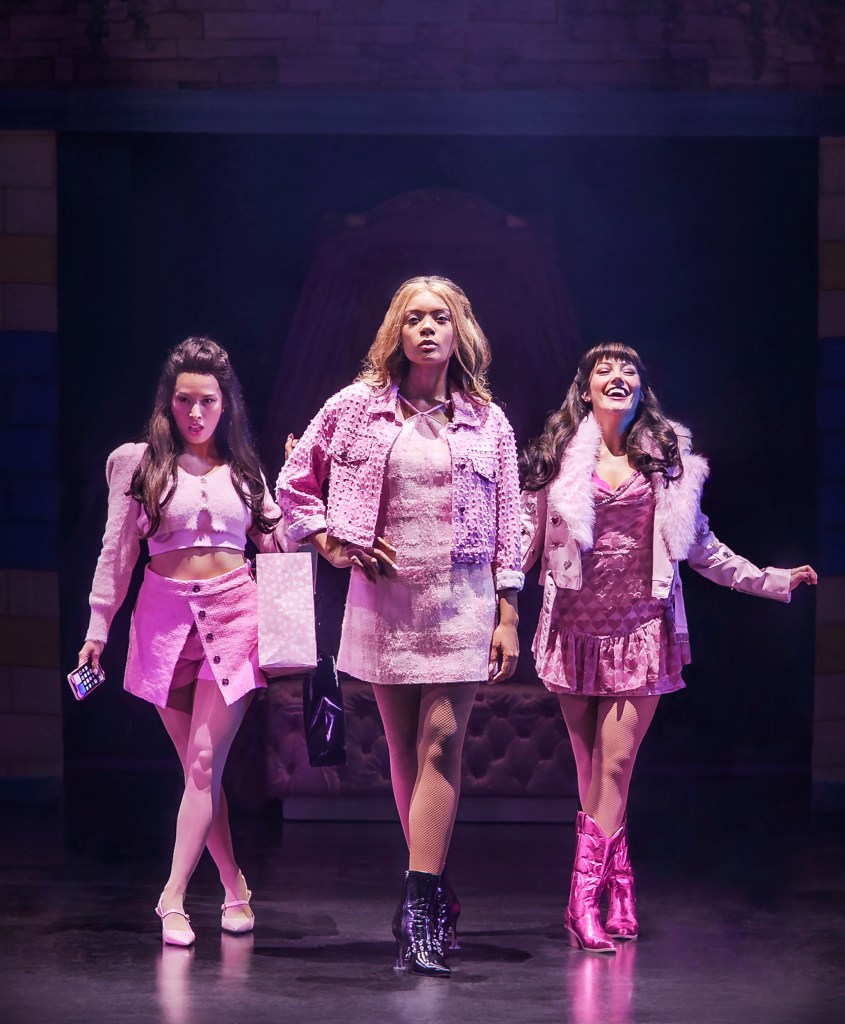
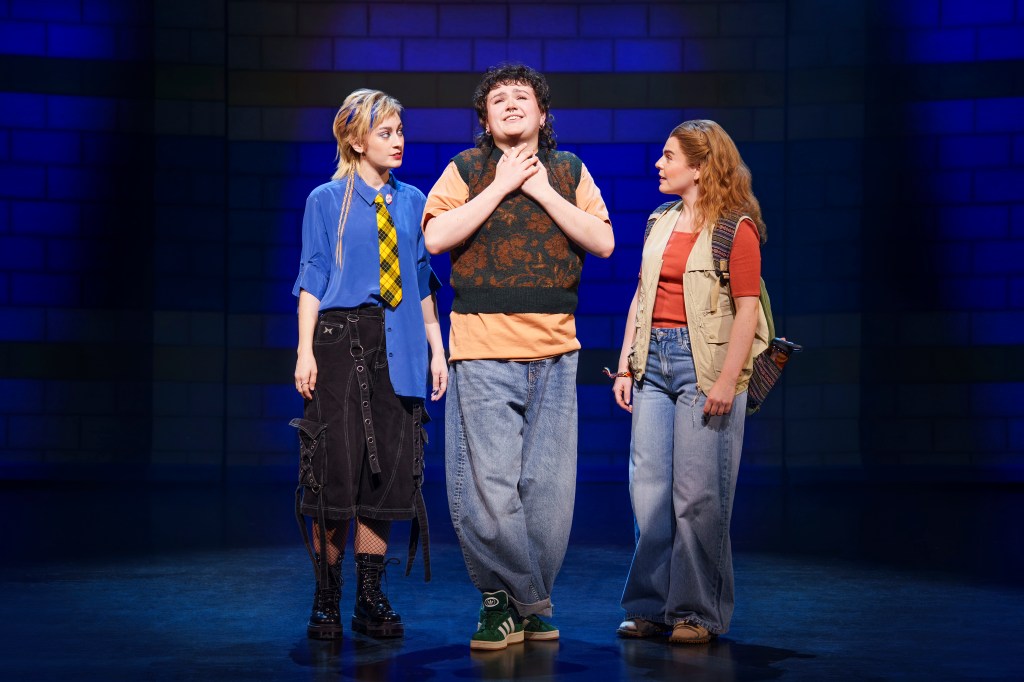
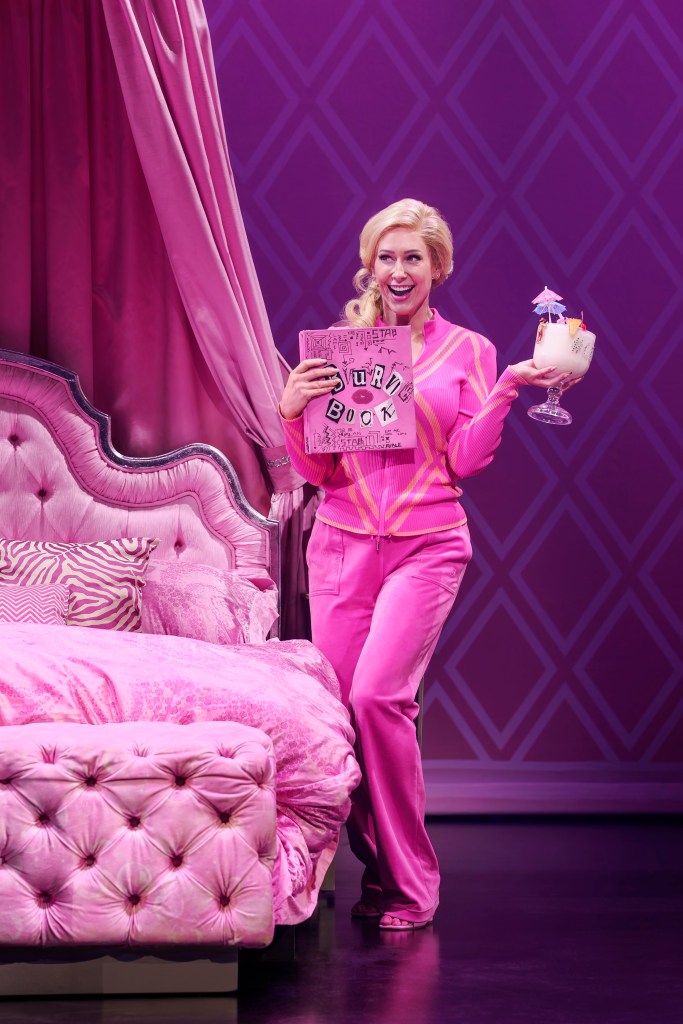
When 16 year old Cady Heron (Emily Lane) and her mum move to Illinois, Cady has to leave her homeschool life behind in Africa and swap this for North Shore High, where she really enters the lions den. The complete anthesis from all she has ever known, Cady befriends two rouge outcasts Janis (Georgie Buckland) and Damian ( Max Gill) who live by their own rules. They guide Cady though a world of plastics and politics in the song Where Do You Belong, Damien and his show choir tells her “pick a clique and stick with it”. This newly formed trio decide to concoct a devilish plan where Cady enters Regina’s world. Here is where things start to unravel for Cady – she has never had to negotiate high school life, or deal with ‘queen bees’ like Regina (Vivian Panka) and her plastic posy Gretchen (Kiara Dario) and Karen (Sophie Pourret) nor did she plan on entering a love triangle hence the revenge party was born.

Fey and the creative team have done an incredible job bringing Mean Girls into the theatrical world. The show, where possible, does stays faithful to the original film, exploring themes of relationships, revenge, self discovery and self acceptance, however, one aspect that differs is the shift of the narrative voice from Cady to Janis and Damian’s. Judging from the audiences reaction this is a hugely popular choice.

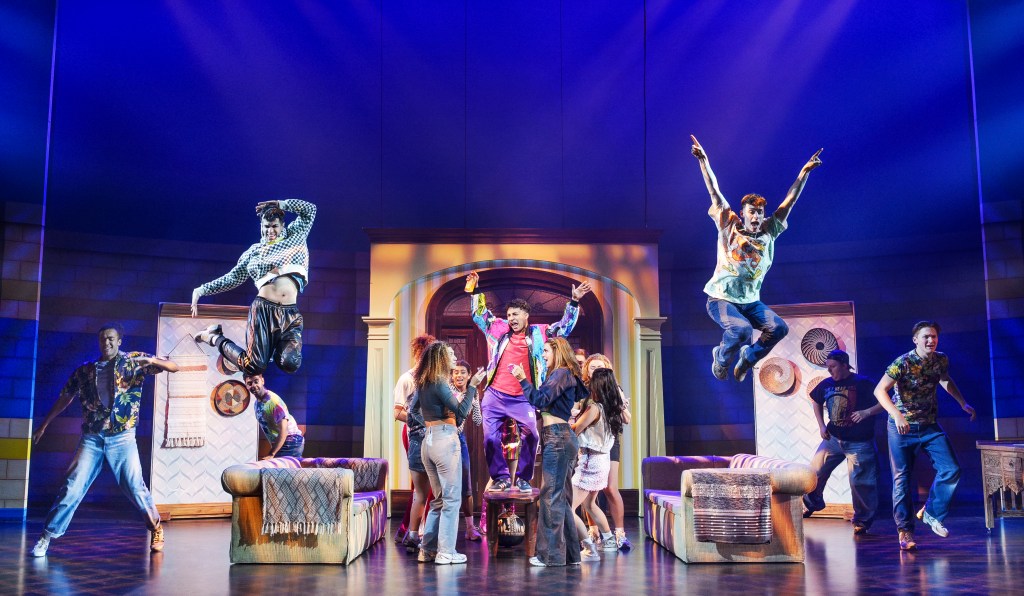
The whole production is an absolute treat visually and vocally. The set is incredible, Scott Pask has done an outstanding job with his designs. Vibrant colours and seamless set changes bring the production to life. The set design, lighting (Kenneth Posner) and sound (Brian Roman) complement the soundtrack perfectly. The soundtrack is energetic, modern and original, there is an eclectic mix of vibrant group numbers, slow, subtle numbers and then cleverly constructed individual songs which represent the characters so well. The choreography also complements each song with superb routines that elevate this production further.

Cady adapts to her new life in the classic teenage way, she fumbles through Regina’s empire and quickly learns how to survive in this new setting. Despite having to fight her way through situations – Cady’s songs are a wonderful mix of strong vocals set against chords of music which takes her back home – her safe place. This wonderful musical undertone creates a joyous Disney vibe which builds and fires the show with energy. Lane delivers each song with crisp clean vocals and a fantastic range.

Regina and the plastics have a more sassy, sultry soundtrack – proving why they are as they are, a big deal. Regina’s songs are superbly executed by Vivian Panka, she brings confidence and attitude which adds to her Queen Bee aesthetic. Kiara Dario really showcases her depth of acting by showing Gretchen’s desperation to be Regina’s favourite sidekick, beautifully shown in her rendition of ‘What’s Wrong With Me? Dario really makes you feel her pain as all she wants is to fit in and still make ‘fetch’ happen. Sophie Pourret provides the group with her fantastic portal of Karen and plays her as clueless as you would hope, yet she still manages to maintain Karen’s innocence and humour.

Janis and Damian are the stand out stars for me in this production. Georgie Buckland really brings Janis to life – she is strong, tough and fiercely loyal while her vocals are a powerhouse of grunge, grit and rock. Max Gill brings humour and limitless energy to Damien, my face ached with smiling so much. Both characters are the voice of the show, and drive the plot forward with their “cautionary tale” of North Shores antics. Despite bringing a fresh new feel to the show they also remain faithful to the original characters and judging from the audiences reaction succeed entirely in their portrayal.
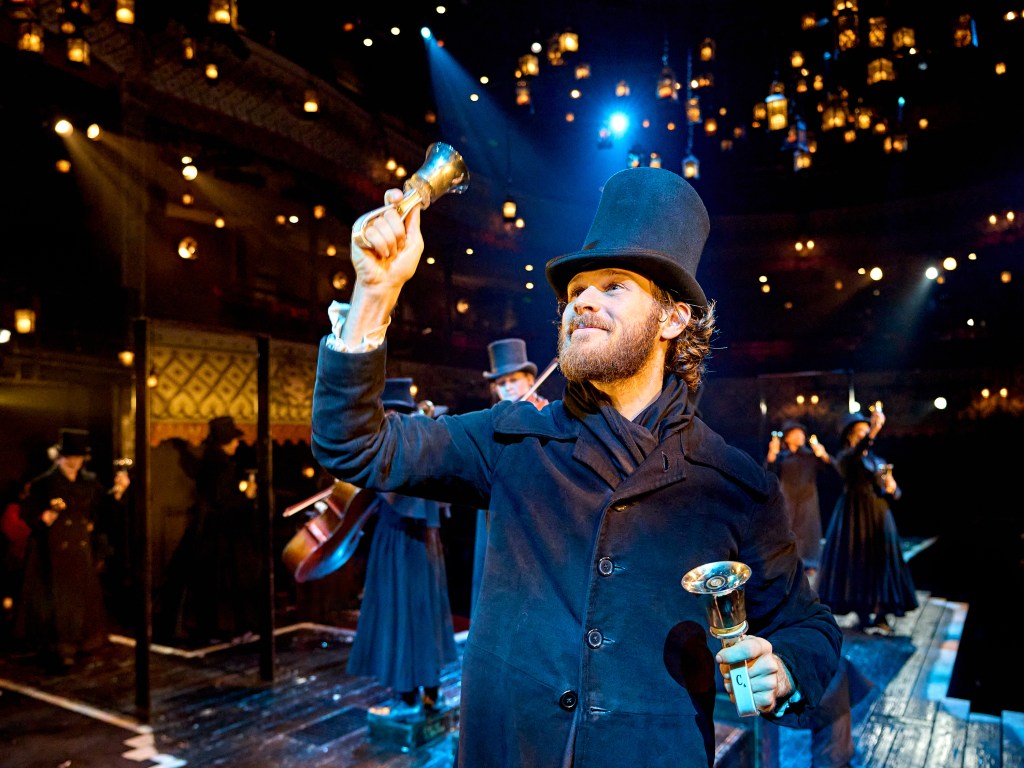
The other standout performances must go to, Kevin G (Karim Zeroual) who is funny and quick – Zeroual allows Kevin’s unique charisma to shine through – and while at times Kevin is comically cringy, he received with a genuine warmth by the audience. Mr Duvall (Joshua Elmore) stays true to form as an awkward headteacher but when needed is the voice of reason and authority. Any fans of Mean Girls know that Aaron Samuel’s is a big deal – Ben Oatley doesn’t disappoint in his portrayal of the handsome hunk. You see the rivalry of Regina and Cady in fighting for his attention, which Aaron doesn’t seem to mind. Oatley brings swagger to Aaron and a quiet confidence which is very endearing – one might describe it as very grool.  Finally Faye Tozer really does not stop – she bravely takes on the roles of Ms Heron, Ms Norbury and Mrs George. Tozer is able to bring a different quality to each of character, but the favourite has to be as the ‘cool mom’ Mrs George. 

So has Mean Girls passed the test? Yes absolutely. Every single member of the cast and crew have done a fantastic job in this production. It is a must see for all ages. It translates so well from screen and stage, its a show that not even a pandemic could stop and has made my millennial heart very happy. 

Mean Girls is on at Manchester’s Opera House until Saturday 7th March tickets available here.