Sylvia

Reviewed by Nikki Cotter

Opening Night verdict ⭐⭐⭐⭐⭐
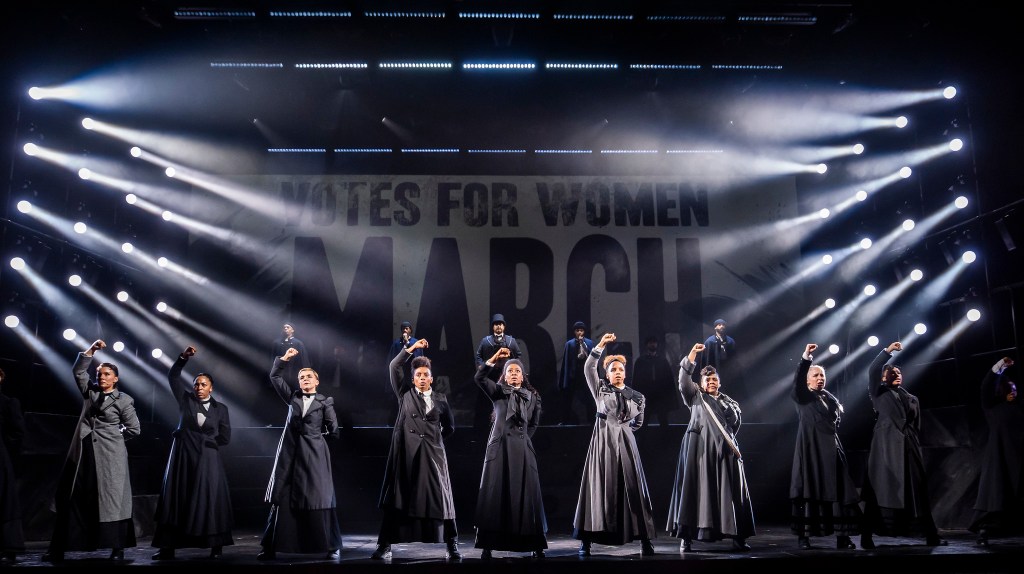
In 1903, Manchester, Emmeline Pankhurst founded the Women’s Social and Political Union (WSPU) to fight for the rights and betterment of women. Her name remains synonymous with the city, and she is almost universally the first name which comes to mind when women’s suffrage is mentioned. However, as the WSPU grew increasingly militant under the leadership of Emmeline and her eldest daughter, Christabel, middle daughter Sylvia and the path she takes gives us the focus of this powerful story.

Disillusioned by her mother and elder sisters increasingly radical methods, Sylvia fights to guide the Suffragettes toward a broader socialist agenda, fearing that their extreme tactics and restrictive focus will leave ordinary working-class people behind.
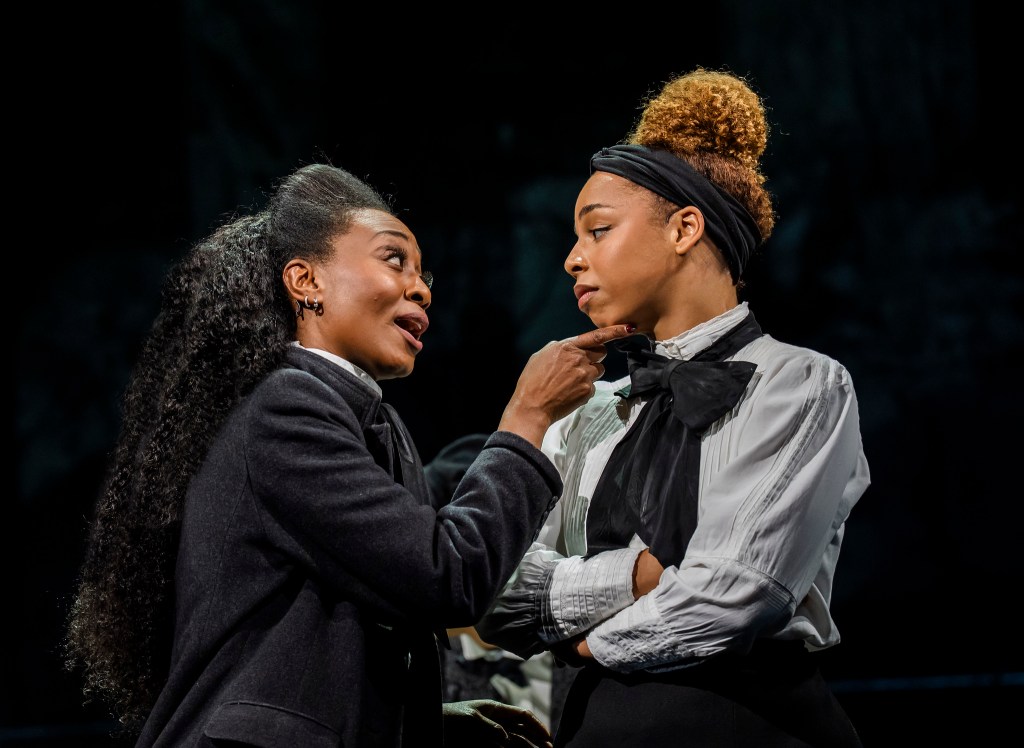
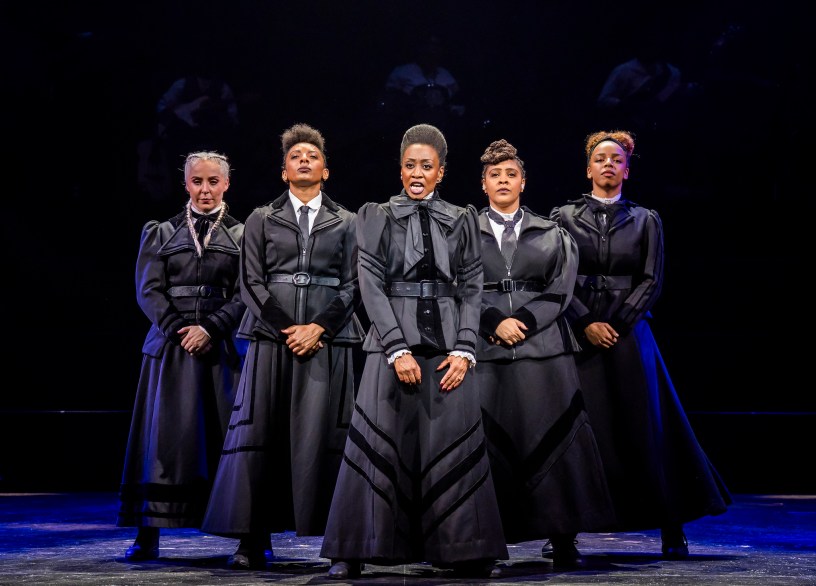
The production brilliantly captures the ideological rift tearing the Pankhurst family apart, resulting in a powerful exploration of family division as the Pankhurst’s feud over the socialist ideals Sylvia refuses to compromise on.

Beverley Knight takes on the role of Emmeline, an authoritative, no-nonsense presence who refuses to back down. Knight, like Emmeline is truly a force of nature, strong, compelling and utterly formidable. Her vocals are pitch perfect, as she delivers Emmeline with a steely, stirring determination.
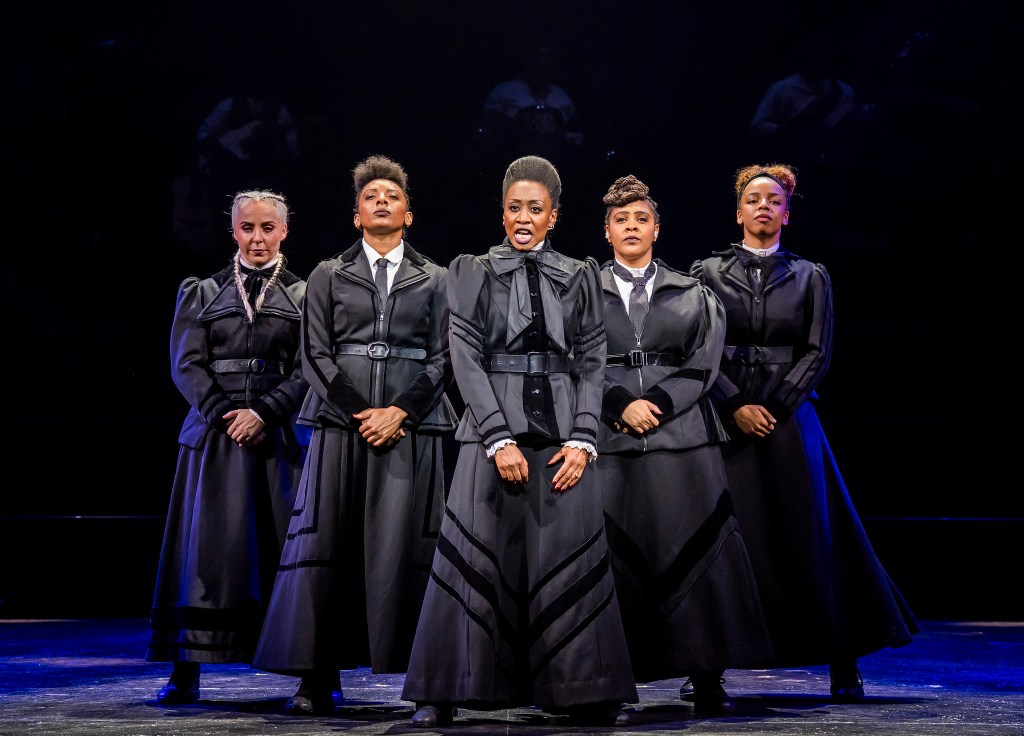
Naomi Katiyo absolutely raises the roof in the titular role of Sylvia. She takes the audience on a truly remarkable journey, growing in strength and conviction despite the brutal conditions she endures. Rather than breaking her spirit, frequent imprisonment and regular hunger strikes only fuel her determination to succeed in her fight against inequality. Her vocals are perfection, delivering Kate Prince’s intricate lyrics with seamless control as she moves from heartbreakingly emotive to powerful and punchy with an incredible ease.

While Beverley Knight and Naomi Katiyo lead this cast superbly the production feels like a very special ensemble piece with every single person on stage well and truly at the top of their game. While every member of the cast deserves enormous praise, special mention must go to Ellena Vincent as Christabel, Tachia Newall as Kier Hardie, Uzuazo O’David as Harry Pankhurst, Kristie Skivington as Adela Pankhurst, Ivano Turco as Silvio Corio and Colette Guitart as Clementine Churchill, all are knock out.
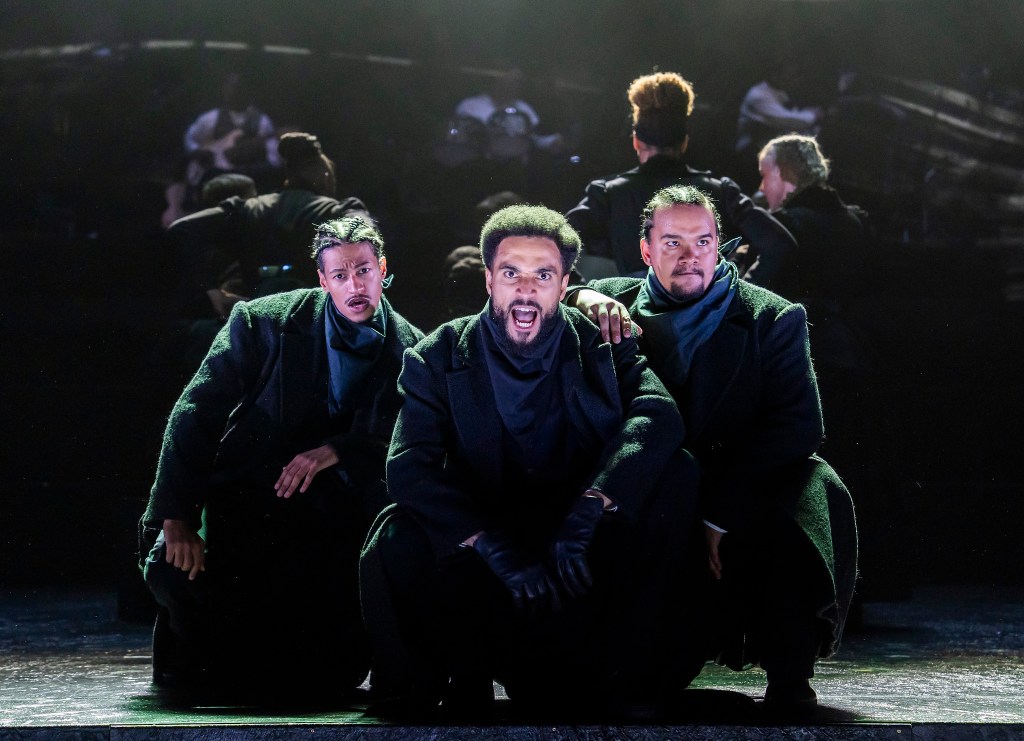
The collaborative writing of Kate Prince (lyrics & book), Priya Parmar (book) Josh Cohen and DJ Walde (music) is a joy, covering multiple genres from hip-hop to soul in impressive style. The vocals in this mostly sung-through production are incredible, paired with Prince’s stunning choreography and direction the result is a slick, striking and visually enthralling piece.

There’s a wonderful balance between vocal numbers like Stand Up that feel like a call to arms and the deeply poignant I Don’t Want Blood on My Hands adding depth and complexity to the storytelling. Taking this to the next level is Prince’s choreography which is used to incredibly dramatic effect, none more so than during March Women March/Be The Change at the close of Act 1 which brought me and many of the audience to tears.
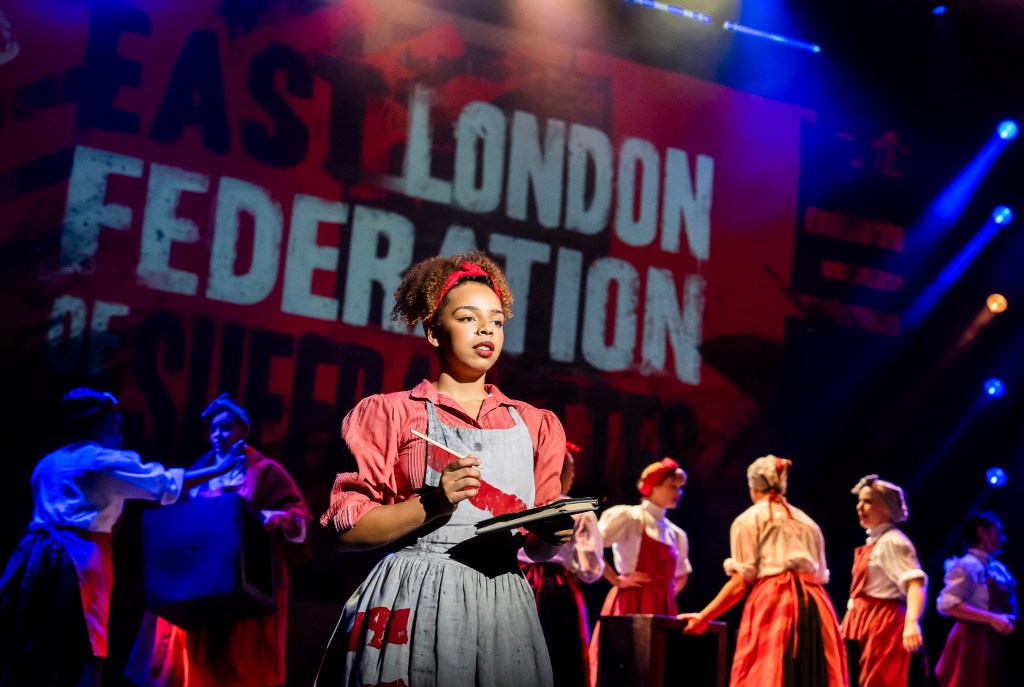
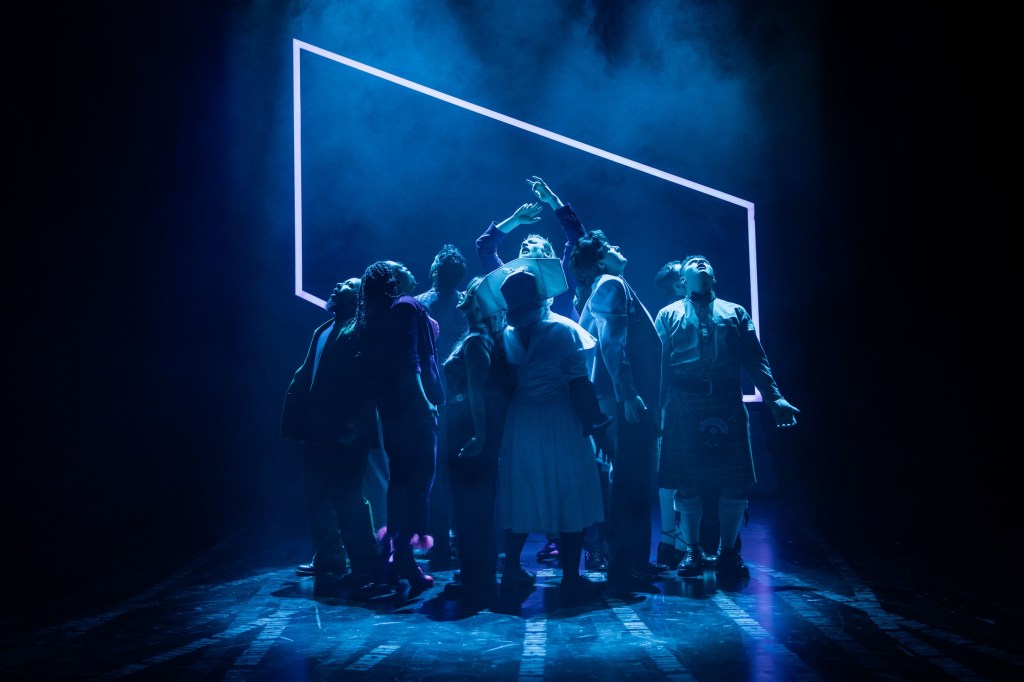
Ben Stones mostly monochrome set paired with Natasha Chivers and Hector Murray’s intentionally stark lighting allows the focus to stay firmly fixed on the characters as this politically charged story unfolds. Splashes of politically aligned colour appear as we move further into the timeline of the period adding clarity and broader character definition.

Sylvia is an absolute triumph, the cast are sublime while the production leaves you feeling, educated, entertained and empowered. Sylvia serves as a true reminder of the importance of standing up against injustice and inequality even when the path feels almost impossible. As a woman, from the North West I found the production deeply moving and a true reminder that we can all be changemakers. Inspirational, powerful and incredibly poignant, this is an absolute must-see.

Sylvia is on at The Lowry until Saturday 24th October tickets are available here.
Little Shop of Horrors

Reviewed by Nikki Cotter

Opening Night verdict ⭐⭐⭐⭐⭐

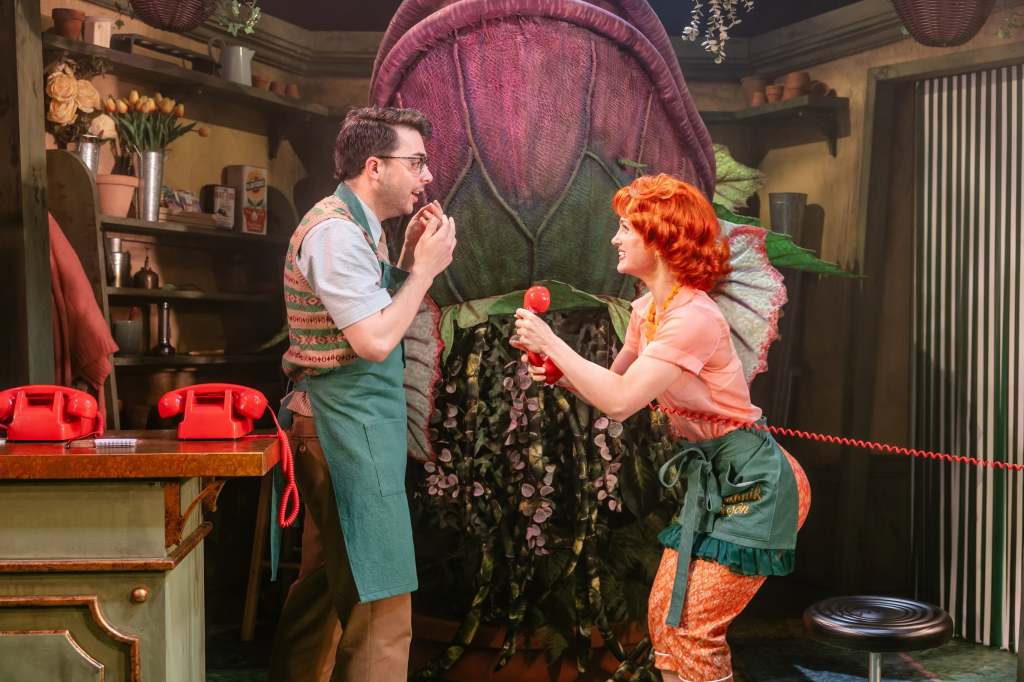
Directed and choreographed by Tony and Olivier Award-nominated Carrie-Anne Ingrouille (Six), this bold revival takes Alan Menken and Howard Ashman’s beloved, cult classic and breathes new and utterly brilliant life into it resulting in a thrilling theatrical experience that you won’t want to miss.

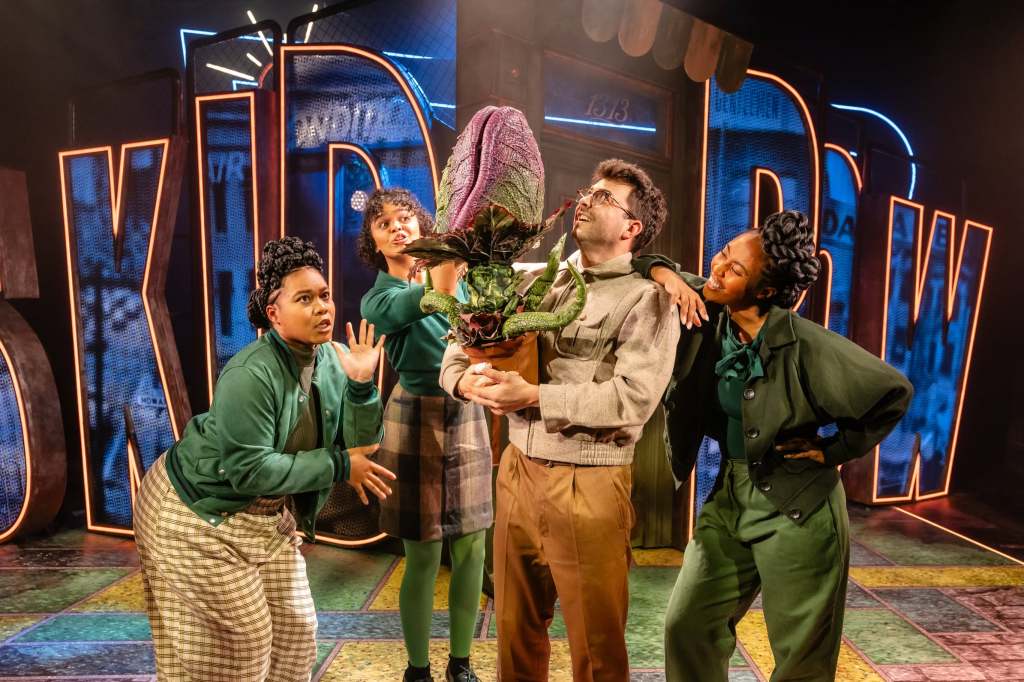
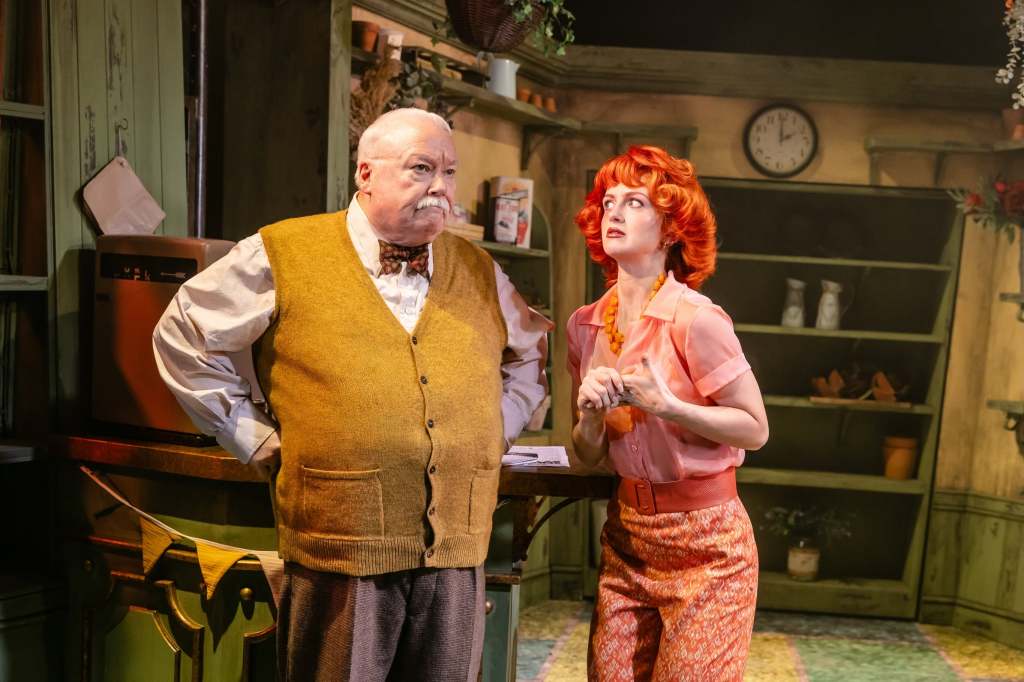
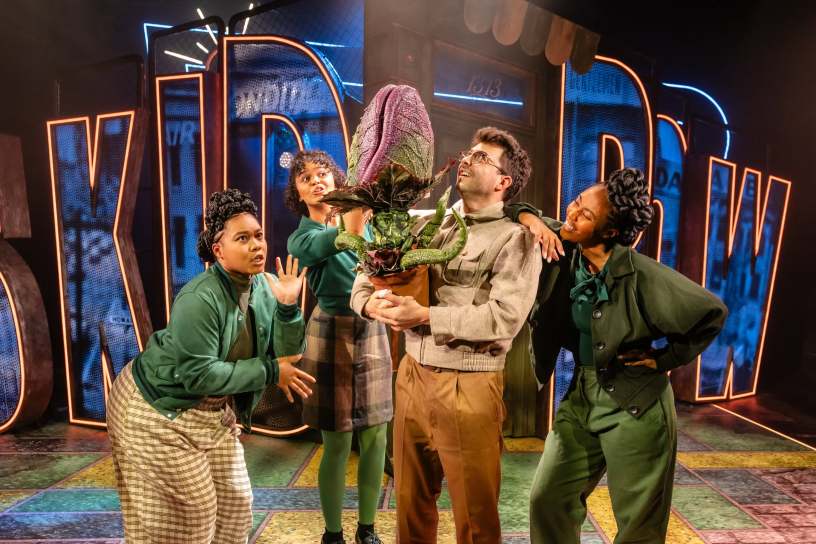
Based on Roger Corman’s cult classic, Little Shop of Horrors introduces us to Seymour, (Jed Berry) a timid florist trapped as a browbeaten assistant to the harsh Mr Mushnik (Michael Starke). Life on Skid Row is pretty bleak, the shop is failing fast, and Seymour is secretly in love with his coworker, Audrey, however everything changes when he purchases a strange and interesting plant whom he names Audrey II. But, as the plant begins to wither, Seymour makes an alarming discovery…the plant needs human blood to survive. As the carnivorous Audrey II grows, so do Mr Mushnik’s profits and ultimately Seymour’s fame. Could this bloodthirsty beast be Seymour’s golden ticket out of the gutter and into Audrey’s arms or will the price of success be too high to pay?

Jed Berry is an absolute joy as Seymour, perfectly capturing the character’s wide-eyed innocence with a sweet, well-meaning sincerity that instantly wins over the audience. He entirely nails the essence of Seymour giving us a loveable underdog we can truly invest in while his vocals are utterly sublime. Stepping into the iconic shoes of Audrey is EastEnders and Strictly star Maisie Smith. Smith plays the Skid Row shop assistant with a delicate vulnerability, effortlessly blending sharp comedic timing with soaring, powerhouse vocals. Opposite Berry’s endearingly awkward and lovesick Seymour, the duo share a wonderful on-stage chemistry, their flawless, rendition of fan favourite “Suddenly, Seymour,” ensuring the audience is wholeheartedly rooting for this unlikely pair to succeed.

Michael Ayton gives us show-stopping vocals as Audrey II, effortlessly capturing the soulful, sinister sass of the blood-thirsty botanical beast. Brookside legend Michael Starke makes for a wonderfully scheming Mr Mushnik, while Benjamin Yates is perfectly cast as Leader of the Plaque, Orin Scrivello, the Dentist. Unhinged, unforgettable and utterly brilliant!

Special mention must also go to the iconic trio of narrators, Psalms-Nissi Myers-Reid as Crystal, Gabrielle Davina Smith as Ronnette, and Rio Maye as Chiffon. Their harmonies are to die for (literally), adding further depth to Alan Menken’s much-loved score while they deliver Carrie-Anne Ingrouille’s slick choreography to perfection.

Award-winning set and costume designer Morgan Large has constructed an incredibly striking set which impressively maximises the intimate space at Hope Mill Theatre, bringing Skid Row to Manchester in incredible style. The intricate Audrey II puppets (also designed by Morgan Large and created by Robert Allsopp) are seamlessly operated by a team of puppeteers (Julia Frost, Christopher Dobson and Imogen Khan) who together with Michael Ayton ensure there’s no mistaking this is a living, breathing, badass botanical.

Musical director Ben Barlow with sound designers Sam Glossop and Harry Greatorex ensure Alan Menken’s score sounds sharp and vibrant while Rory Beaton’s lighting design confirms the sheer quality of this production.

Forty years after the film first captured our hearts, this brand-new revival proves that the monster hit is bigger, bolder, and more of a must-see than ever before! Superb!

Little Shop of Horrors is on at Manchester’s Hope Mill theatre until 30th November before it heads to Liverpool’s Playhouse from 3rd December until 9th January tickets and info are available here.

The Silence of the Lambs

Reviewed by Matt Forrest

Opening Night verdict ⭐⭐⭐⭐

When it was first announced earlier this year that The Silence of the Lambs was being brought to the stage, I have to admit I was both intrigued and a little sceptical. It’s certainly a bold choice for a theatre production, given that the film is widely regarded as one of the greatest of all time and continues to feature highly in film polls. Then, of course, there are those much-loved and Oscar-winning performances from Jodie Foster and Sir Anthony Hopkins.

Thankfully, writer Gina Gionfriddo and director Nikolai Foster have done a superb job of bringing the story to the stage, creating something that feels fresh and distinctive rather than simply being a straight screen-to-stage adaptation.

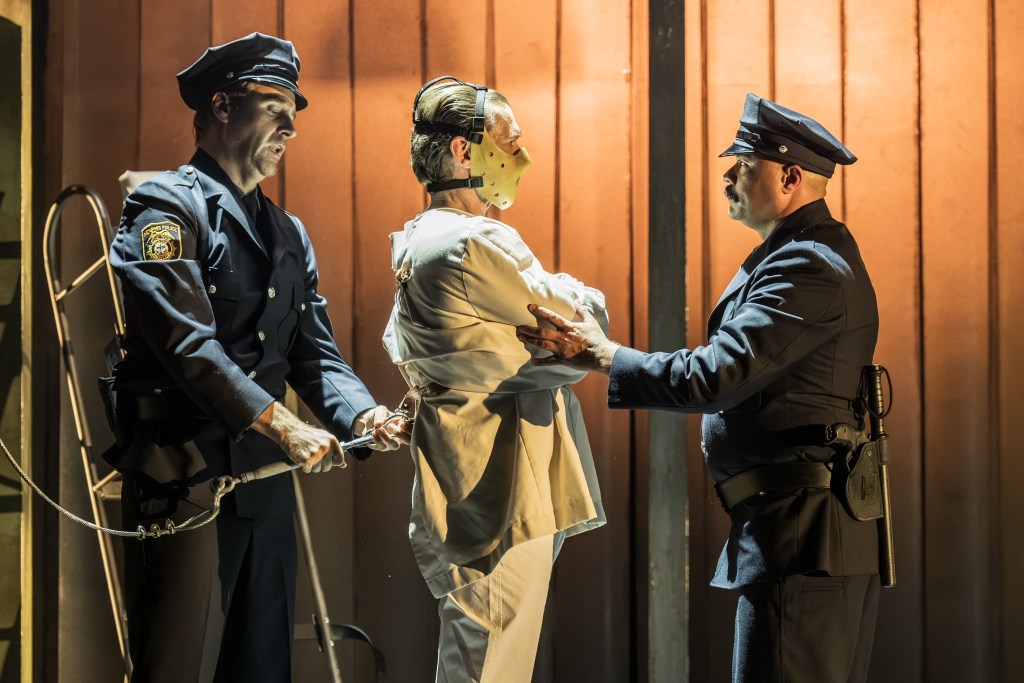
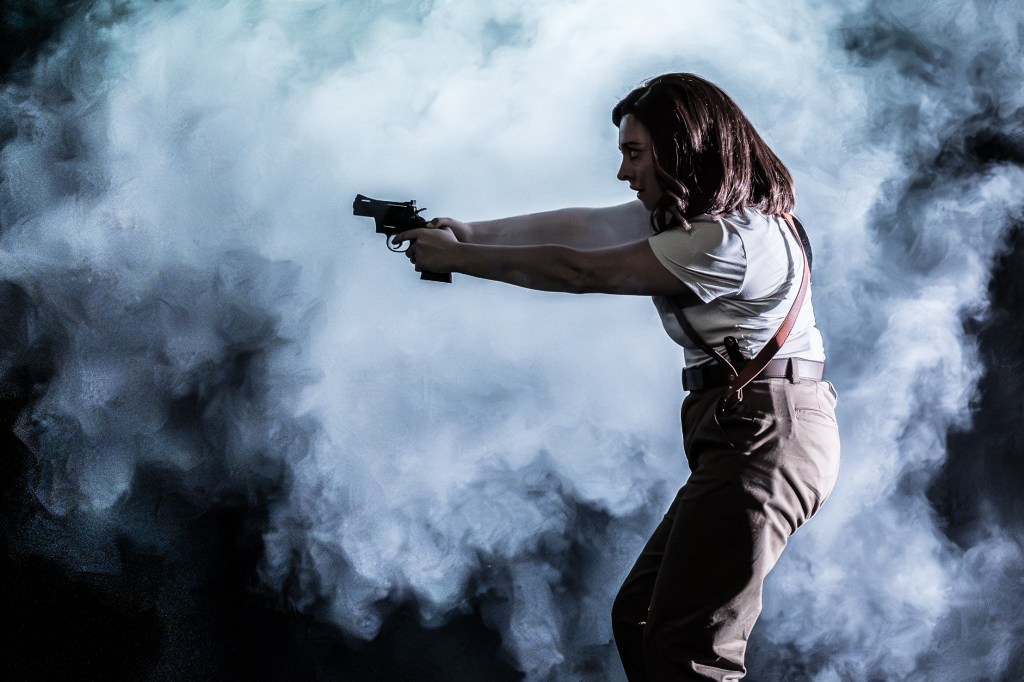
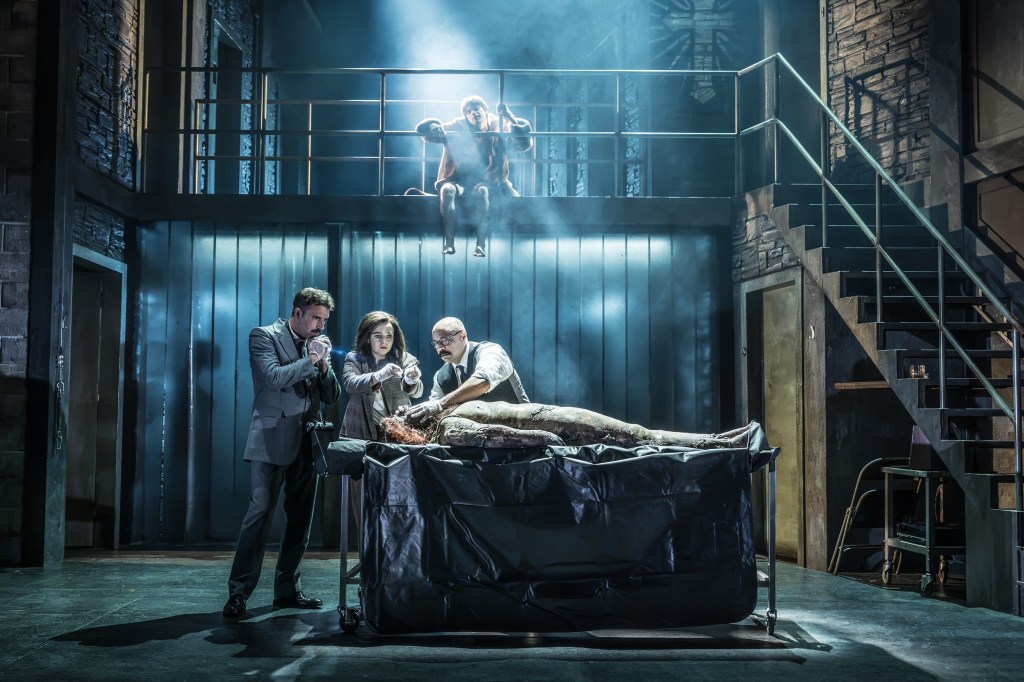
Leaning more into Thomas Harris’s 1988 novel, the stage adaptation tells the story of FBI trainee Clarice Starling (Mollie Gallagher). She’s top of her class at Quantico and, despite still being relatively green, is given an assignment by Jack Crawford (Oliver Farnworth), head of the FBI’s Behavioural Science Unit. Crawford wants Starling to interview Dr Hannibal Lecter (John Partridge), a brilliant but deeply disturbed psychiatrist who is being held in a Baltimore hospital for the criminally insane. Lecter is also a particularly gruesome serial killer, with a rather unpleasant penchant for eating his victims.

Crawford hopes that Lecter might be able to provide some insight into another killer, known as ‘Buffalo Bill’ (Sam Jackson), who is currently at large. However, getting information from Lecter is never going to be straightforward. Before long, Clarice finds herself drawn into a dangerous psychological game of cat and mouse with a man who knows exactly how to get inside her head.

The production is smart enough to recognise that most of the audience coming to see it will already be familiar with the film, and so it wisely offers us something different. There’s much more interplay between Starling and Lecter, allowing us to delve deeper into their complex relationship, while the relationships between Starling and Crawford, and the shared history between Lecter and Crawford, are also given more room to develop. It adds an interesting new dynamic to the story, giving these familiar characters greater depth and adding further layers to an already gripping tale.

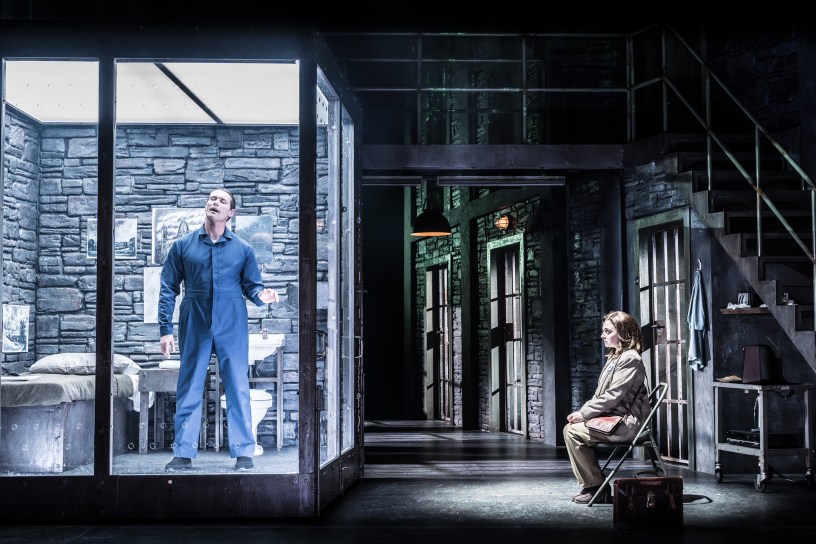
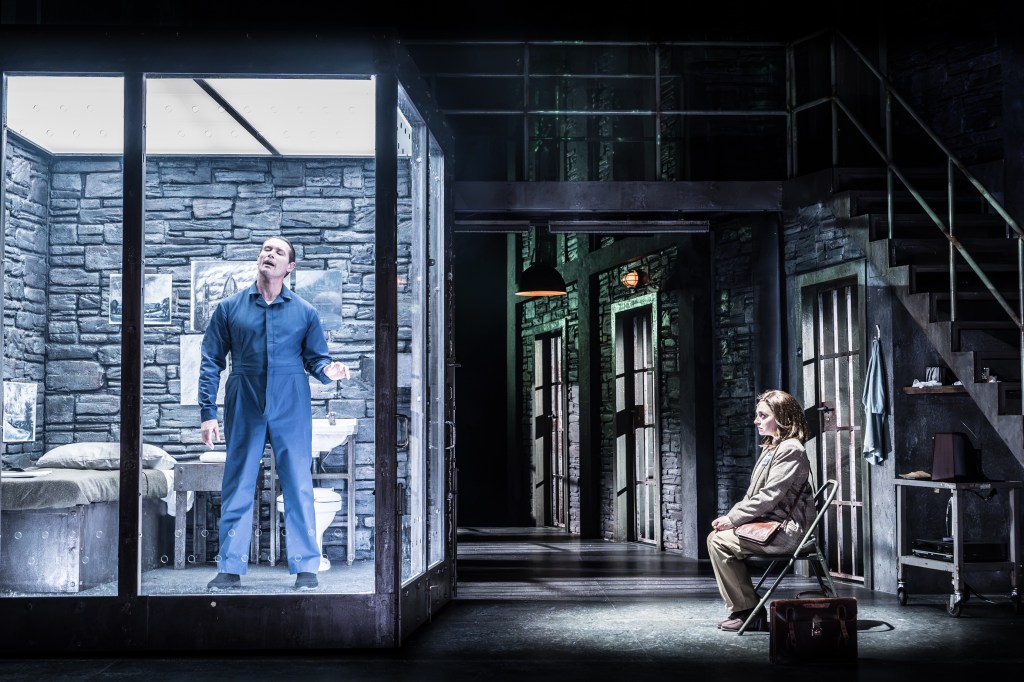
In addition, the production really leans into its theatrical setting, with Michael Taylor’s superb multi-purpose set design helps to create an atmosphere all of its own. As Clarice’s investigation progresses, we simultaneously see Buffalo Bill’s frustration mounting as he races to complete his “masterpiece”. Seeing both storylines unfold side by side creates an added sense of tension and urgency, keeping the pace moving even when the action itself is relatively restrained.

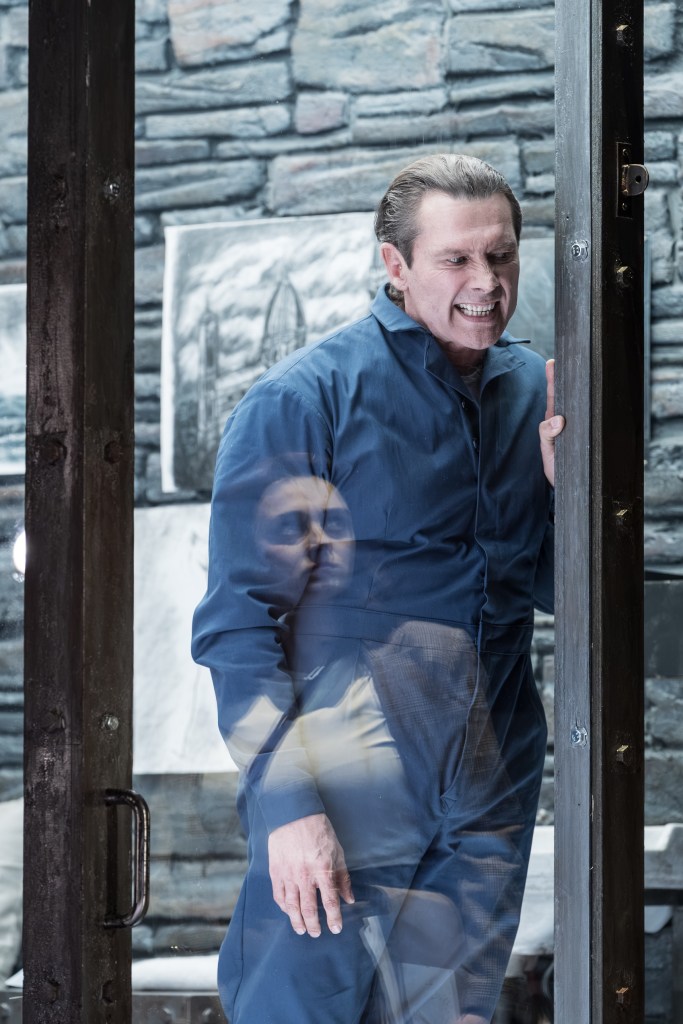
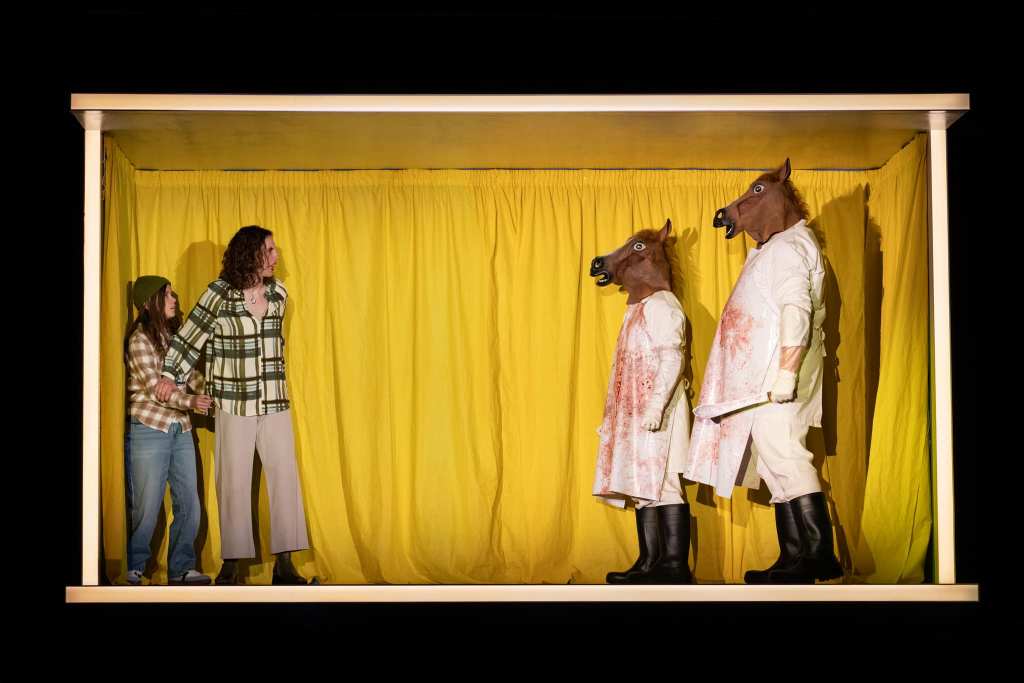
Taylor’s set is filled with dimly lit basements, shadowy corridors and grimy alleyways, it has a suitably dirty and grubby feel that fits the world of the story perfectly. This is in stark contrast to the recreation of Lecter’s iconic Perspex cell, where we get to see John Partridge switch effortlessly between a cold, calculating manipulator and something much more akin to a caged animal.

Partridge is a towering presence as Lecter, delivering a calm, measured performance filled with charm, wit and an unnerving stillness, punctuated by flashes of anger and rage. His physicality adds to the menace, and while a role like this could easily stray into hammy territory, Partridge never lets it, creating a Lecter who is genuinely unsettling.

Equally impressive is Mollie Gallagher in her professional stage debut. She strikes the perfect balance between Starling’s confidence and vulnerability, while her West Virginia accent is spot-on. She makes Starling a plucky, likeable heroine who is easy to root for.

The chemistry between Gallagher and Partridge is initially excellent, as they constantly jockey for position and size each other up, becoming increasingly fascinated by one another. Unfortunately, the final act loses some of this tension by shifting their relationship towards something closer to love, which doesn’t quite convince.

Sam Jackson gives a strong physical performance as Buffalo Bill, while the increased interaction between Bill and his victims adds an interesting layer to his character. Oliver Farnworth is also impressive as Jack Crawford, bringing warmth to the damaged, repressed mentor and giving us a real sense of his care for Starling, alongside his awareness of the danger he has placed her in.

It would have been easy for the production to rely on big jump scares and lashings of blood and gore. Instead, it wisely tones these elements down, meaning that when those moments do occur, they have far greater impact. The production relies much more on the psychological elements of the story to ratchet up the tension, building steadily towards a thrilling climax.

There are still plenty of memorable scenes and lines from the film, but this production is very much its own entity, offering something different while keeping you engaged from start to finish. Strong performances and high production values make for an entertaining and enjoyable night at the theatre, even if it doesn’t come served with fava beans and a nice Chianti!

The Silence of the Lambs is on at The Lowry until Saturday 10th October tickets and info available here.

High Society

Reviewed by Matt Forrest

Opening Night verdict ⭐⭐⭐⭐

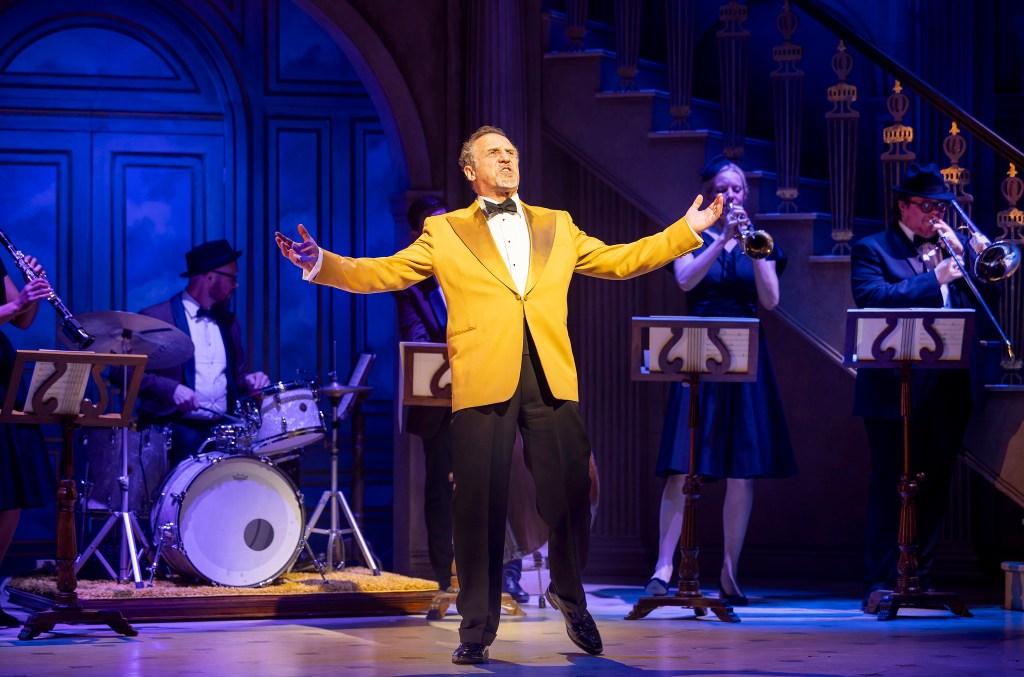
The social event of the year has just arrived at The Lowry, and everyone is invited. Cole Porter’s High Society promises plenty of glitz, glamour, gossip and a side order of scandal, but, more importantly, some absolute classic songs from Porter’s back catalogue.

Direct from a sell-out run at London’s Barbican Theatre, this glossy hit show is now touring the UK and Ireland. Based on the 1956 film of the same name, which starred Bing Crosby, Grace Kelly and Frank Sinatra, the musical itself was adapted from the 1940 non-musical film The Philadelphia Story.

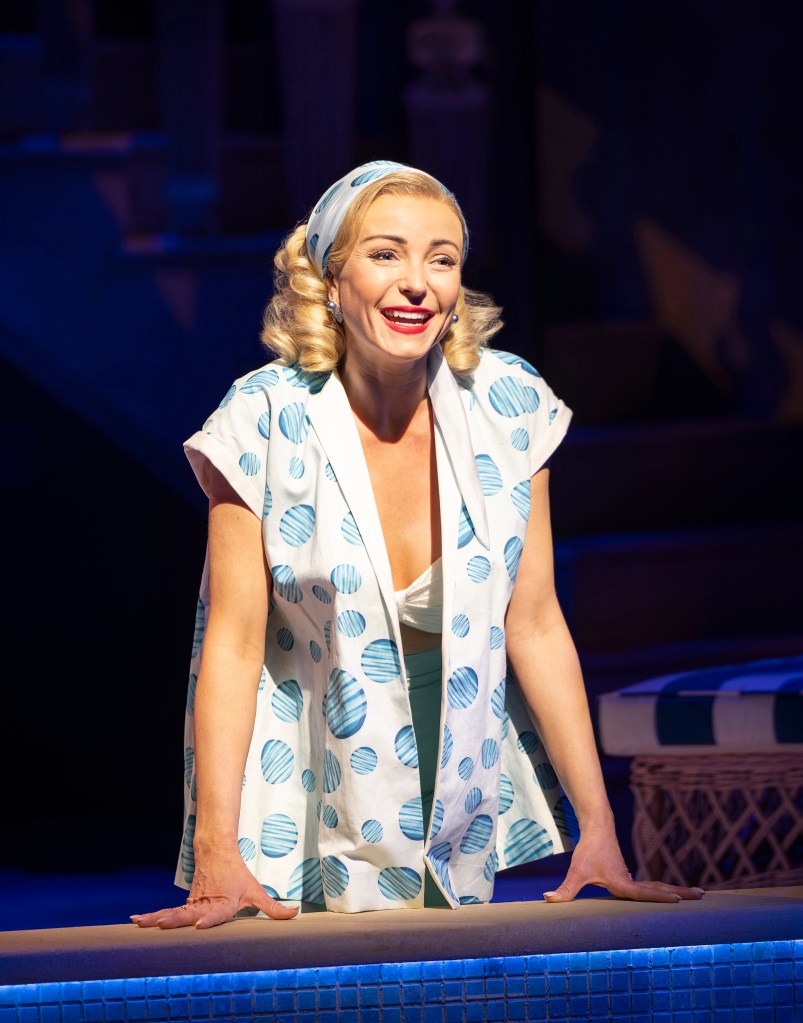
Helen George stars as socialite Tracy Lord, a member of the extremely wealthy Lord family. It’s the weekend of Tracy’s wedding to accountant and safe pair of hands George Kittredge (David Seadon-Young), whom Tracy’s family don’t particularly approve of on account of his being, well, rather dull and boring.

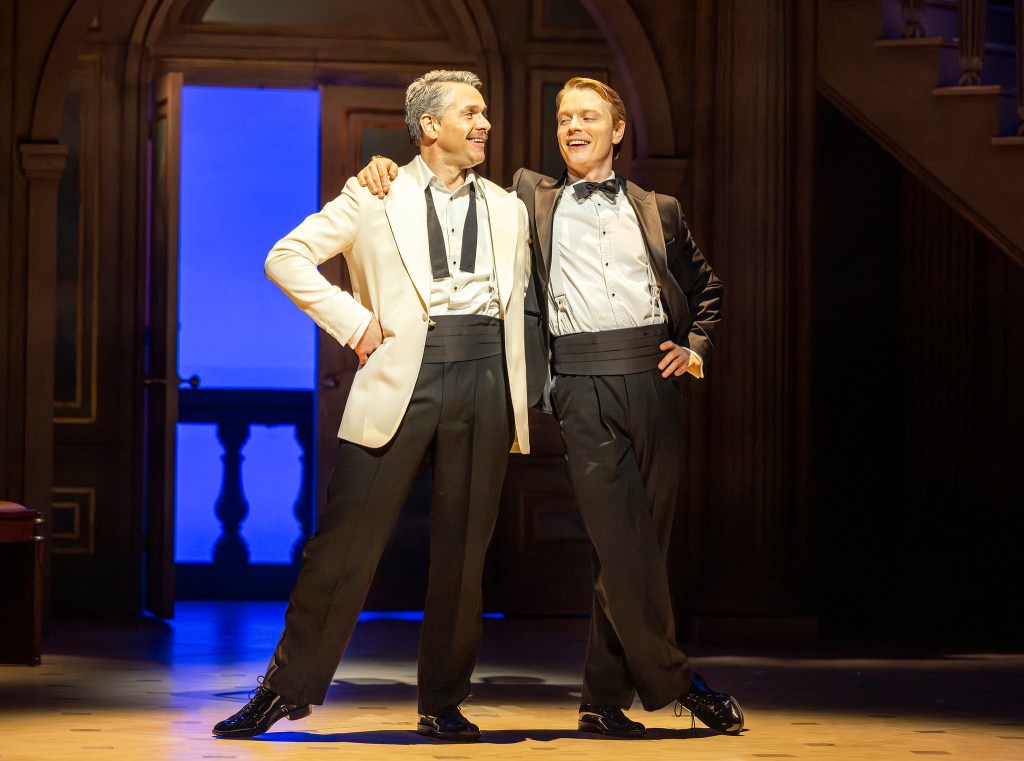
Things become considerably more complicated with the arrival of Tracy’s charismatic ex-husband Dexter Haven (Julian Ovenden), who has crashed the wedding with news of a brewing scandal that could potentially ruin the Lord family name.

Adding further fuel to the fire are two undercover reporters from Spy Magazine, Mike Connor (Freddie Fox) and Liz Imbrie (Carly Mercedes Dyer), who have been sent to dig up some dirt and, hopefully, secure a few more salacious stories.

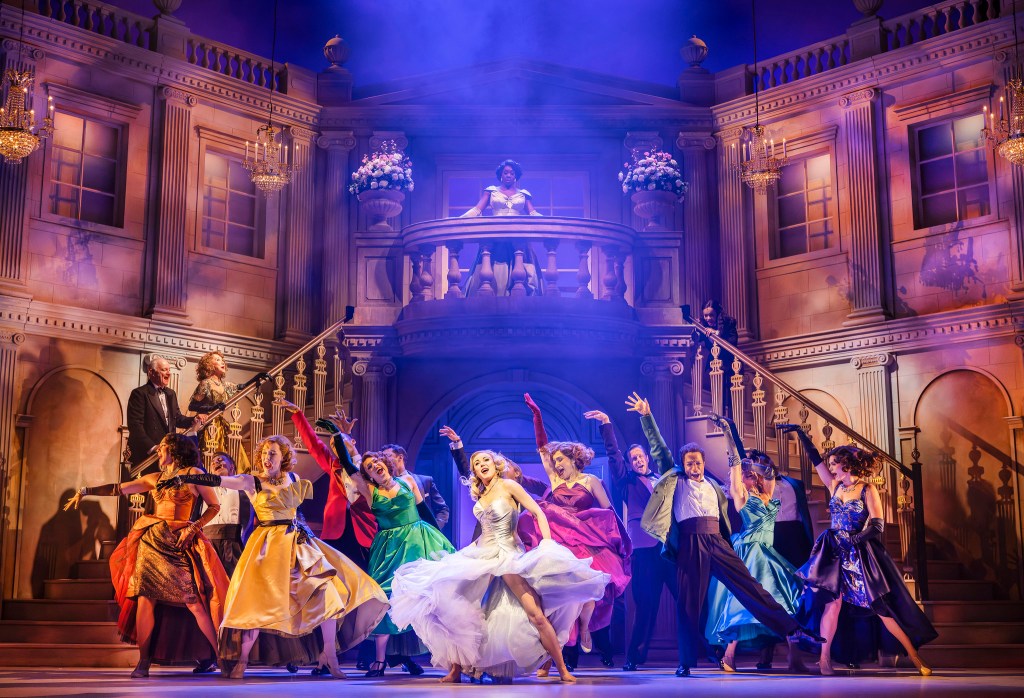
What follows is a fun and thoroughly enjoyable show, packed with big song and dance numbers, top-drawer performances and stunning costumes, all of which do a good job of disguising a rather paper-thin and contrived plot.

This talented ensemble cast seem to have come straight from central casting. Helen George brings plenty of star quality to the role, displaying great comic timing alongside a tremendous vocal range. She is perfectly complemented by musical theatre veteran Julian Ovenden and musical theatre debutant Freddie Fox, with all three displaying terrific chemistry whenever they share the stage.

Fox, in particular, makes a confident transition into a convincing song and dance man. His performance brings plenty of energy to the production, and he clearly looks at home in his musical theatre debut.

They are supported by some fine comedic turns from Nigel Lindsay as the kindly drunk Uncle Willie and Carly Mercedes Dyer. Lindsay’s is an entertaining watch throughout: his turn during the act one ensemble closer Now You Have Jazz, was for me the one of the show’s many highlights.

Meanwhile, Dyer’s dry, deadpan delivery of some of the production’s more stinging lines is perfectly matched by her heartfelt and tender rendition of I’ve Got You Under My Skin.

As this is a Cole Porter musical, the real star of the show is always going to be his fantastic songbook, and this impressive cast and band more than does it justice.

Fox and Dyer deliver a fun rendition of Who Wants to Be a Millionaire?, while George and the ensemble cast bring the house down with the magnificently naughty Let’s Misbehave. Ovenden, meanwhile, excels in the slower and more wistful Just One of Those Things.

Cole Porter’s music sounds magnificent, brought to life by the superb band under the direction of Dan McLaughlin, while Anthony Van Laast’s choreography is slick, complementing the score perfectly.

The production values are first class, bringing to life the decadent lifestyle of the Lord family. John Morrell’s costumes are sharp and elegant, fully recapturing the 1950s razzmatazz, while Tom Rogers’ bold and lavish set design, complete with flowing staircases and a swimming pool, perfectly sets the scene.

Threadbare plot aside, and with perhaps a few too many drunken revellers running around the stage during the second act (we get the point, it’s a party!), I’m always amazed at how quickly affairs and infidelity are forgiven in productions from this era, while being a bit of a bore appears to be the ultimate sin. Different times, I suppose.

High Society is a fun and classy night at the theatre, showcasing talent from across the board who are all at the top of their game. My advice? Should an invitation ever arrive for a Lord family wedding, go. You’ll have a fantastic time and get the chance to revisit some timeless tunes along the way.

High Society is at the Lowry until Saturday 3rd October tickets are available here.
The Rocky Horror Show

Reviewed by Matt Forrest

Opening Night verdict ⭐⭐⭐⭐

Few things in life are truly guaranteed, but there are a handful we can always rely on: night follows day, Christmas adverts appear earlier with every passing year, and somewhere in the world, The Rocky Horror Show will undoubtedly be delighting audiences. Even more certain is that Richard O’Brien’s cult classic will remain as outrageously entertaining, provocatively cheeky and joyfully anarchic as ever.

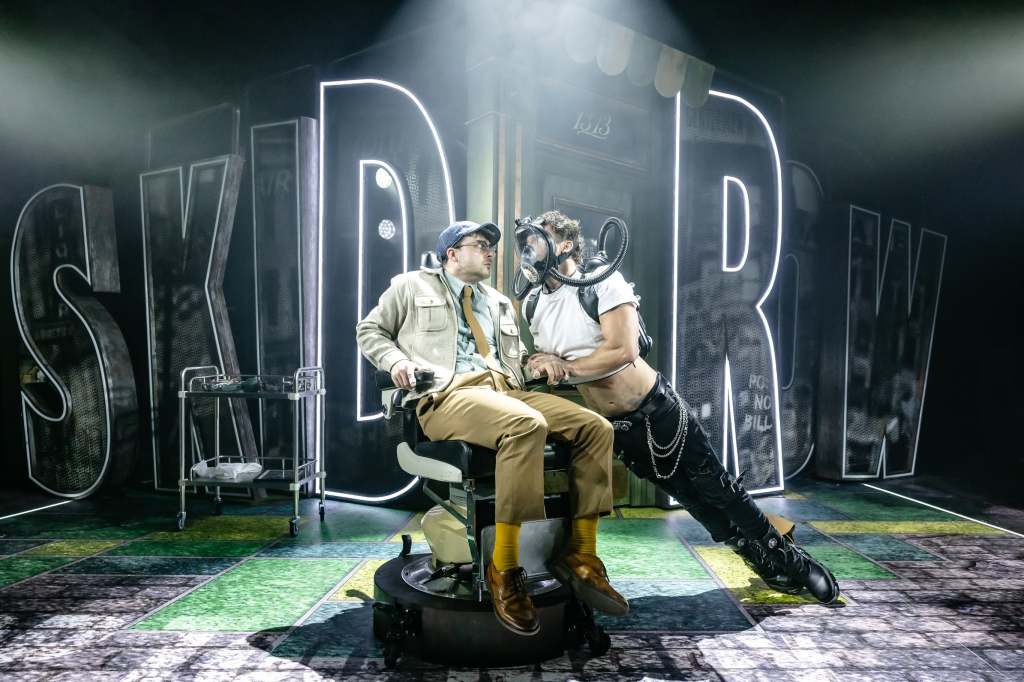
Having been on the road since last year, the current touring production makes its final stop in Manchester this week, arriving with every ounce of the energy, mischief and flamboyance that has made the show such an enduring favourite. The story follows the familiar B-movie formula as newly engaged couple Brad (James Bisp) and Janet (Haley Flaherty) are left stranded by a flat tyre before seeking refuge at the mysterious home of Dr Frank N. Furter (Stephen Webb) and his eccentric entourage of Riff Raff (Ryan Carter-Wilson), Magenta, (Laura Bird) and Columbia (Daisy Steere).

The couple arrive just as the unhinged Doctor is preparing to bring his latest creation to life: the perfectly sculpted Rocky (Morgan Jackson). Their unexpected visit soon pulls them into a bizarre, seductive world where temptation lurks around every corner, testing both their relationship and their grip on reality.

Stephen Webb is fantastic as Frank N. Furter, embracing the iconic role with fearless confidence. His performance is gloriously over the top, brimming with charisma, wicked humour and just the right amount of unpredictable menace. His rendition of “Sweet Transvestite” is an undoubted highlight, whilst his version of “I’m Going Home”, adds some emotional weight to proceedings.

James Bisp and Haley Flaherty deliver engaging performances as Brad and Janet, convincingly charting the couple’s transformation from wide-eyed innocence to willing participants in Frank’s wonderfully chaotic world. Their chemistry is excellent, their comic timing is sharp, and both impress with powerful vocals throughout.

Comedian Nathan Caton is a solid choice as the Narrator, delivering the role with confidence and assured comic timing. He handles the audience’s familiar call-backs with ease, keeping the exchanges suitably risqué and entertaining. Rocky Horror Show is one of those rare productions where audience participation is part of the experience, adding to the lively, anarchic atmosphere without ever overwhelming the performance itself.

They’re well supported by a strong ensemble. Ryan Carter-Wilson brings an appropriately sinister presence to Riff Raff, while Laura Bird impresses in the dual roles of Magenta and the Usherette, opening the show with a restrained rendition of “Science Fiction/Double Feature”. Daisy Steere brings plenty of energy and eccentricity to Columbia, complemented by powerful vocals, while Morgan Jackson is an imposing presence as the chiselled Rocky, combining impressive physicality with athletic backflips.

The Rocky Horror Show is packed with songs that have become classics in their own right. From the aforementioned “Science Fiction/Double Feature” and the swaggering “Sweet Transvestite” to the delightfully cheeky “Touch-a, Touch-a, Touch Me”. It is of course  “The Time Warp”, which never fails to lift the atmosphere and remains one of the production’s undeniable highlights.

The final act has always felt a little less cohesive to me, with the narrative losing some of its momentum. However, the strength of the performances and the quality of the songs ensure that it’s a minor quibble rather than a significant flaw, and it never diminishes the overall enjoyment of the show.

With the tour drawing to a close, now is the perfect time to dust off the green scrubs, fishnets, basque, gold hot pants or French maid outfit and experience The Rocky Horror Show one more time. More than 50 years after its debut, it remains a gloriously anarchic, unapologetically camp night at the theatre that knows exactly what it is.

The Rocky Horror Picture Show is at the Palace Theatre until Saturday 1st August, tickets are available here.
The Spy Who Came in from the Cold

Reviewed by Matt Forrest

Opening Night verdict ⭐⭐⭐⭐

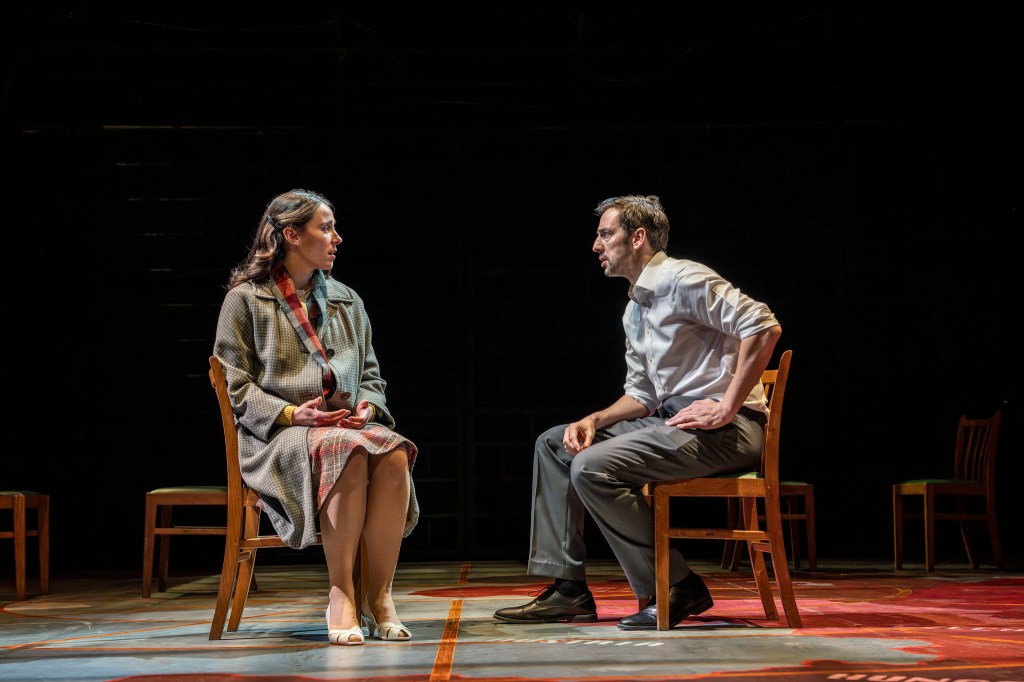
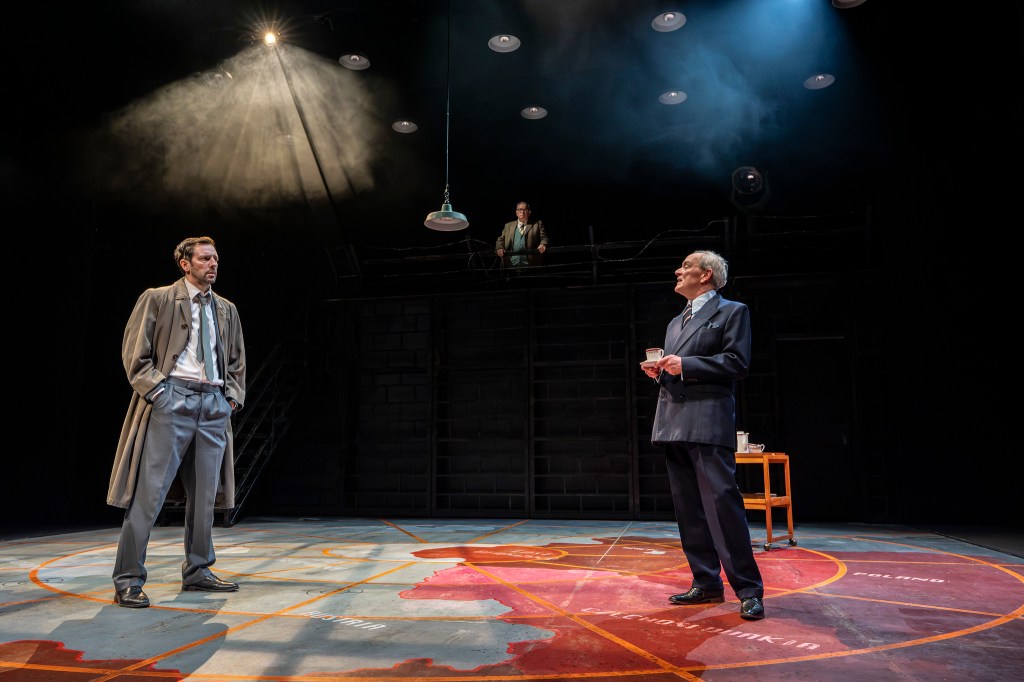
Adapting one of the most celebrated and admired novels of the twentieth century for the stage is a daunting challenge, but playwright David Eldridge has approached John le Carré’s The Spy Who Came in from the Cold with remarkable confidence and skill. It is easy to understand why it has taken so long for one of le Carré’s novels to make its way to the stage, as expectations from devoted fans were always going to be high. Thankfully, Eldridge, alongside director Jeremy Herrin and tour director Joe Lichtenstein, have risen to the challenge. Together they have brought this intelligent and suspenseful thriller vividly to life, preserving the novel’s atmosphere of intrigue while delivering a production filled with twists, turns, betrayals and double-crosses. The result is a gripping and compelling evening of theatre that does full justice to its acclaimed source material.

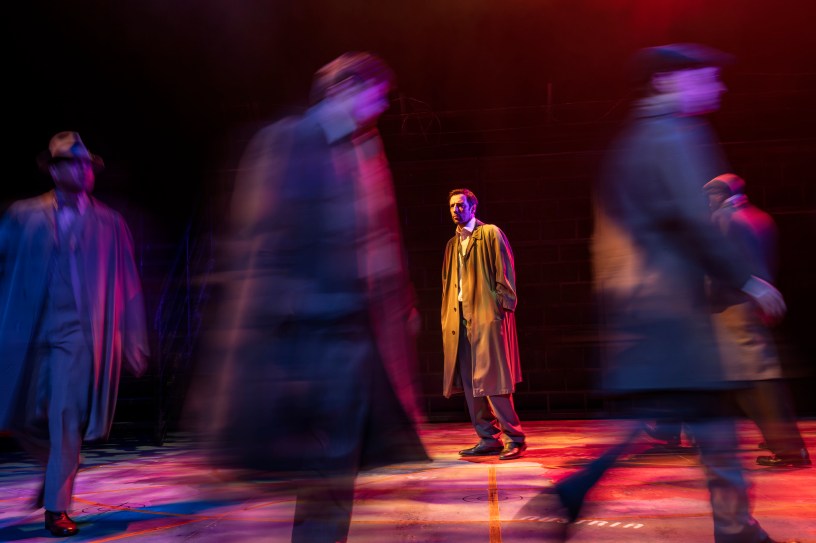
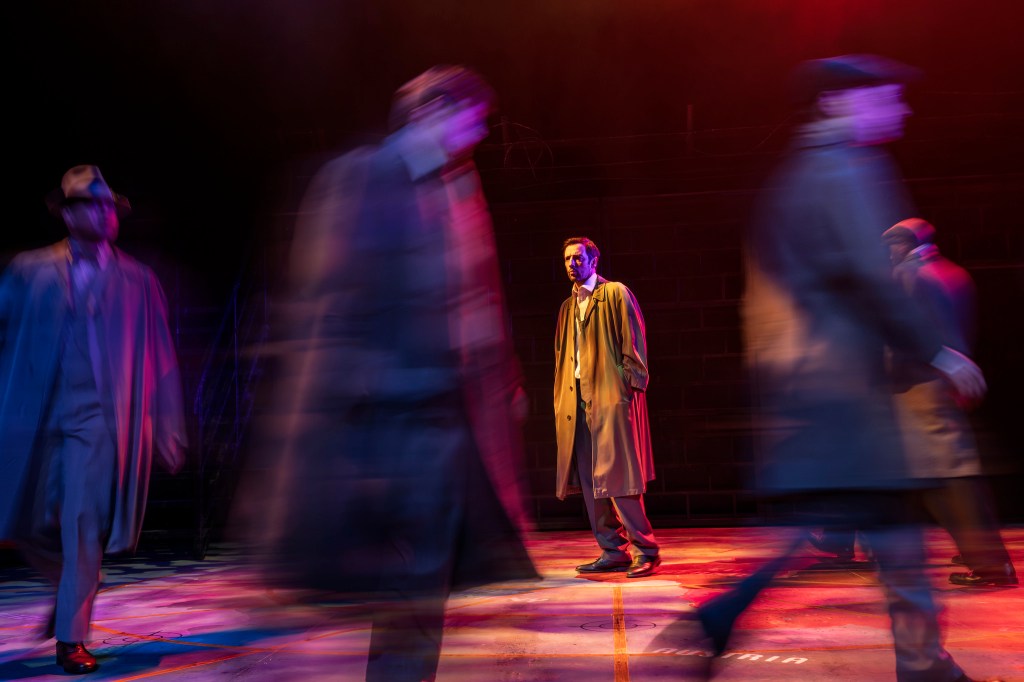
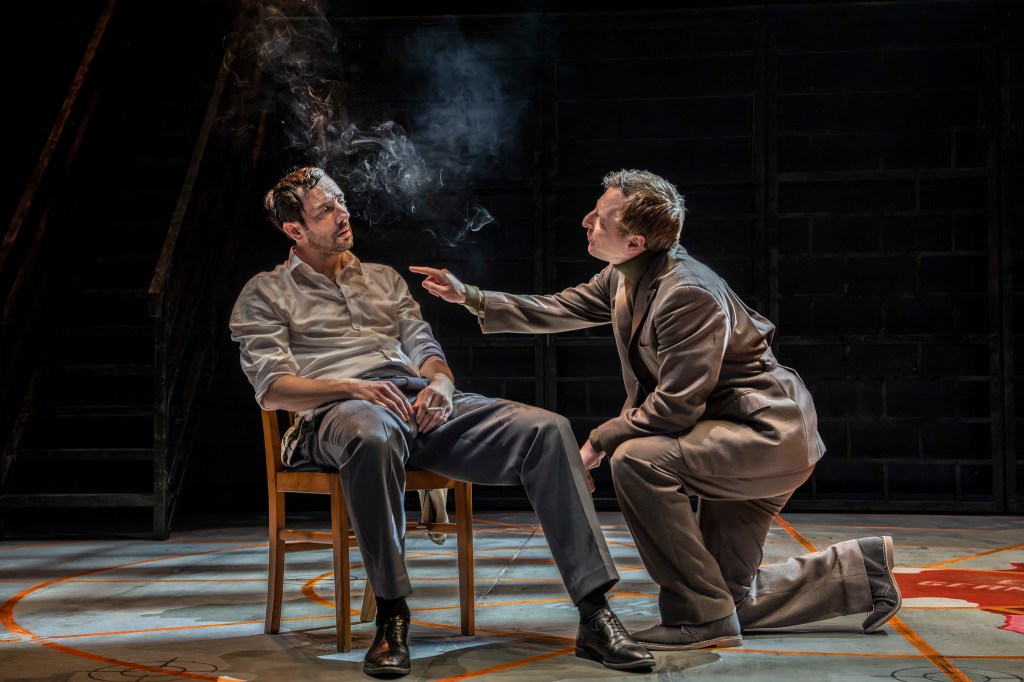
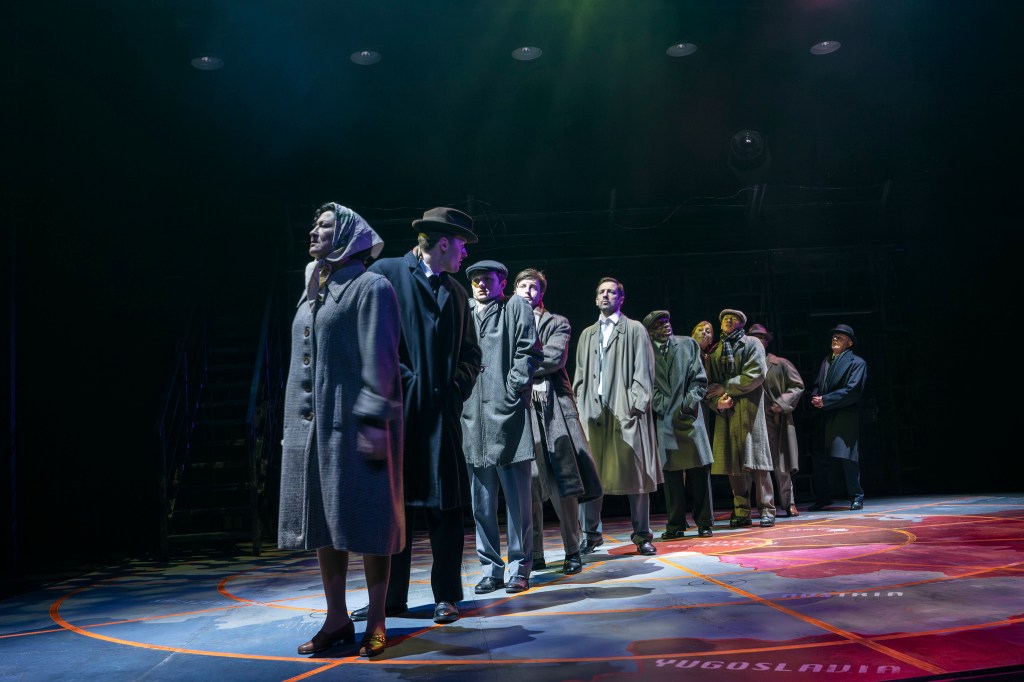
Set in 1963, with Cold War tensions between East and West at breaking point and the Berlin Wall still a recent and imposing symbol of division, the story introduces us to Alec Leamas (Ralf Little), a weary British intelligence officer preparing to leave Berlin and the dangerous world of espionage, following the death of his trusted agent and friend, Karl Riemeck (Jonny Burman). Instead of a quiet retirement Leamas is persuaded to undertake one final mission, lured by the promise of revenge against Hans-Dieter Mundt, (Peter Losasso) the ruthless East German intelligence officer responsible for Riemeck’s death.

Hovering over the operation is the seemingly retired master spy George Smiley (Tony Turner), whose reputation and mentoring is ingrained in Leamas’s conscience throughout the mission. As his carefully constructed assignment unfolds, Leamas finds himself navigating an increasingly tangled web of deception, where every move appears to have been anticipated. Matters become even more complicated when he meets Liz Gold (Gráinne Dromgoole), a kind-hearted young Jewish Communist librarian whose growing affection for Leamas offers him a glimpse of a life beyond espionage.

As Leamas begins to question not only who he can trust but also the morality of the organisation he has served so loyally. He desperately tries to stay one step ahead of the lies, manipulation and betrayal in the hope of getting out alive.

Despite an opening that is perhaps a little too reliant on exposition, the script soon finds its rhythm, navigating the novel’s intricate plot with clarity. At the heart of the production is a superb performance from Ralf Little as Alec Leamas. Little brings real depth to the role, portraying the veteran spy with an air of paranoia, cynicism and emotional fatigue, while never losing sight of the resilience and unwavering sense of duty that define the character. He also finds moments of dry humour that puncture the tension and provide welcome flashes of levity, although one comedic moment towards the conclusion feels slightly out of place and doesn’t quite land.

The relationship between Leamas and Liz Gold forms the emotional core of the production, and the chemistry between Little and Gráinne Dromgoole ensures the audience remains fully invested in their growing connection. Dromgoole is equally impressive, portraying Liz as a compassionate, idealistic and quietly courageous young woman who becomes an unwitting pawn in a dangerous game of political manipulation. Her warmth provides a striking contrast to Leamas’ hardened exterior, making their relationship all the more poignant.

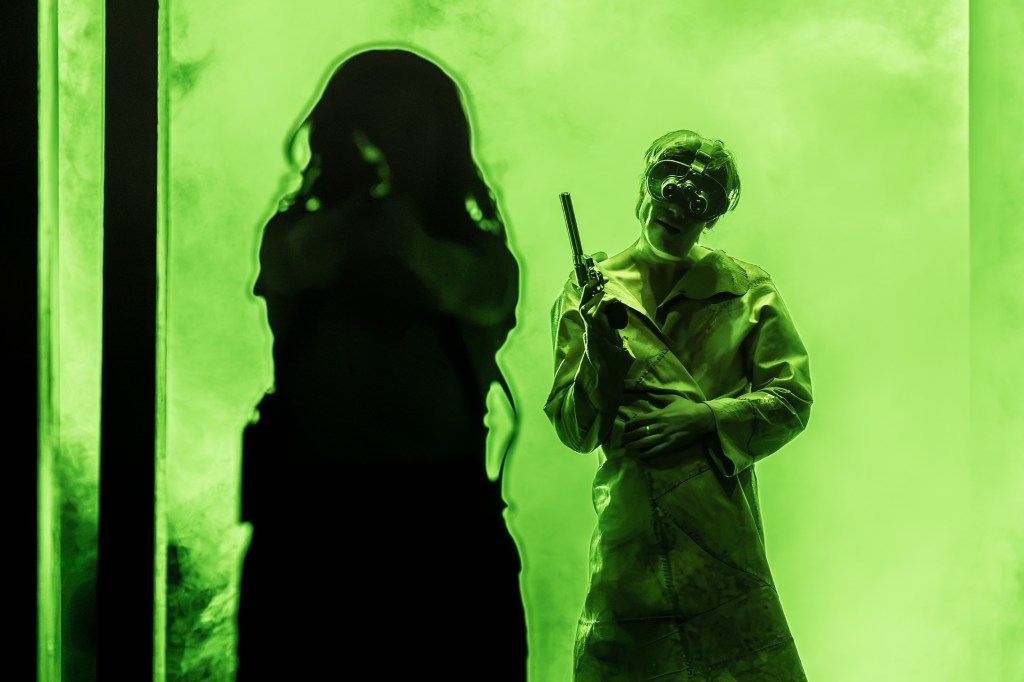
Despite the vast scale of the Lyric Theatre stage, production designer Max Jones creates a world that feels remarkably claustrophobic and oppressive. Through a minimalist set, cleverly configured to suggest multiple locations, the production evokes the suffocating atmosphere of Cold War Berlin with impressive economy. Paul Englishby’s haunting, noir-inspired score heightens the sense of unease throughout, while Azusa Ono’s atmospheric lighting design makes striking use of shadow and darkness to reinforce the themes of secrecy, surveillance and deception. It is a perfect example of the old adage that less is more, with every design element working in harmony to immerse the audience in le Carré’s morally ambiguous world.

As expected in a Cold War thriller, moments of violence are inevitable. Though used sparingly, they are impactful, uncomfortable and gripping, adding to the production’s realism rather than feeling gratuitous. Expertly choreographed by fight director Salvatore Sorce, they leave a lasting impression.

This is a well-crafted and faithful adaptation that captures the spirit of le Carré’s novel and keeps the audience engaged from the very beginning. It is refreshing to see a literary adaptation make such a successful transition to the stage. A must-see for devoted le Carré fans, it also serves as an excellent introduction for newcomers to his work.

The Spy Who Came in from the Cold is at the Lowry until 25th July tickets are available here.
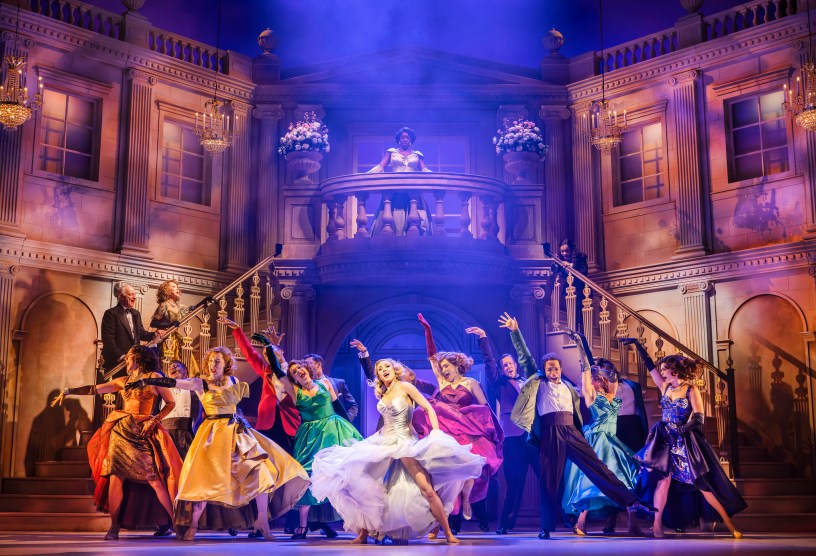
Annie

Reviewed by Sophie Rowley

Opening Night verdict ⭐⭐⭐⭐

The girl who taught us to believe that “…the sun’ll come out tomorrow” is back in Manchester. Based on the 1924 comic strip ‘little Orphan Annie’ by Harold Gray, Annie first opened on Broadway in 1977 and has been delighting audiences across the globe ever since. But what is it about Annie that continues to captivate theatre goers nearly 50 years later?

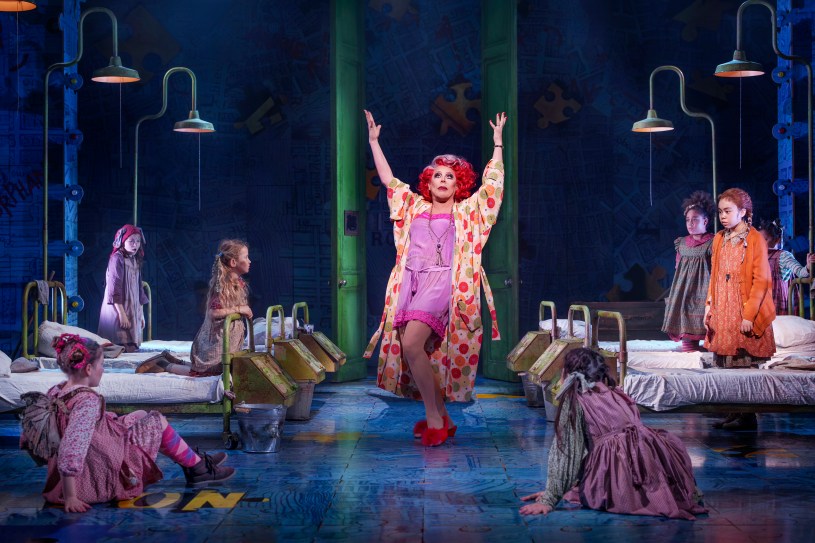
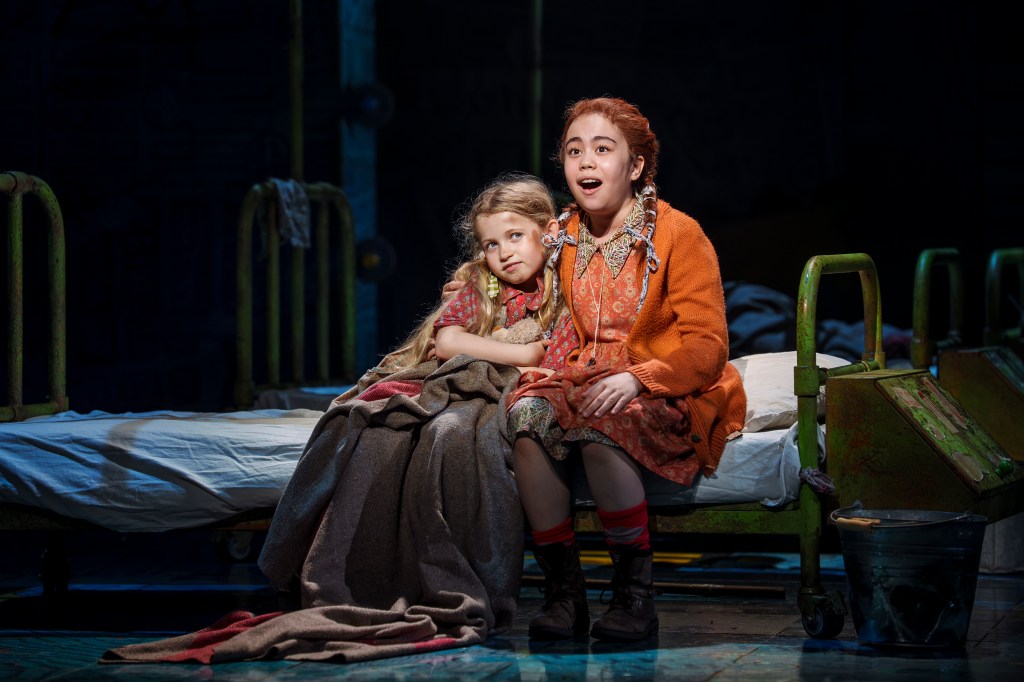
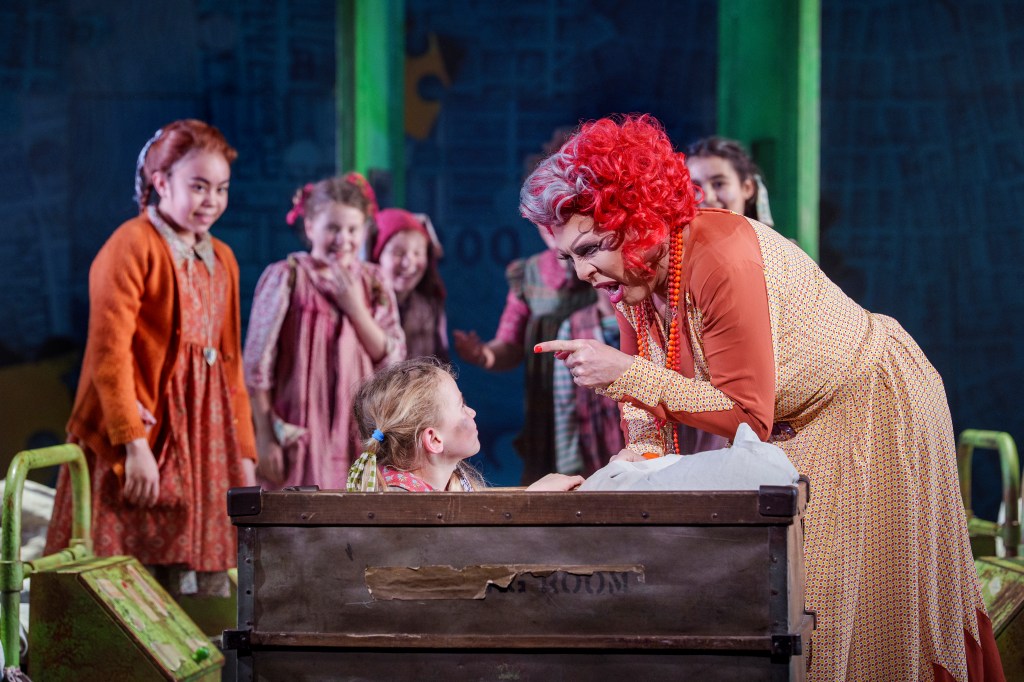
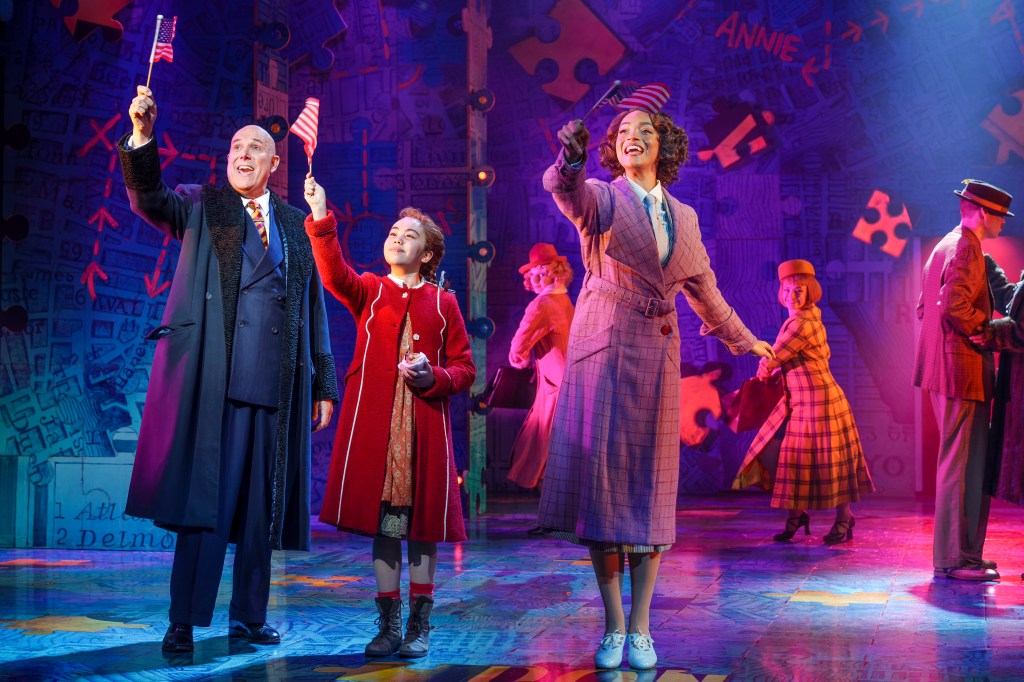
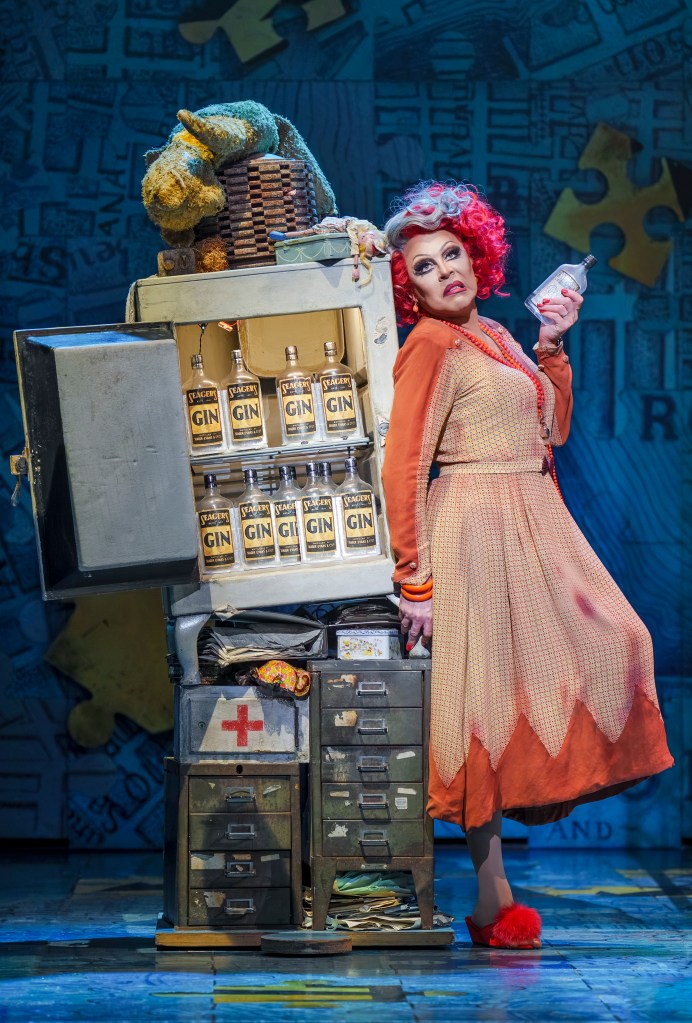
At its heart is the story of eleven-year-old Annie (Victoria Alsina), a sprinted, red haired orphan, whose determination and optimism never wavers despite the hardships she faces. Constantly escaping in search of the parents she longs to find, Annie’s dreams are repeatedly crushed by the cruel and embittered Miss Hannigan, played with gusto by La Voix. However, Annie’s greatest challenge may be winning over the wealthy Oliver Warbucks (Alex Bourne). With the support of Grace Farrell (Tanisha-Mae Brown) and the Warbucks household staff, Annie sets out to change his life – and perhaps her own – in the process.

Despite being set during the Great Depression this show is filled to the brim with energy and heart. Colin Richmond’s set design reinforces this contrast, instantly transporting the audience to 1930’s New York City. The Orphanage is presented as a bleak and unforgiving environment which reflects the harsh realities of the era as well as the difficult circumstances in which Annie lives. This is complemented wonderfully by the stark lighting and the worn threadbare costumes of Annie, the orphans and even Miss Hannigan. All these elements, together, create the perfect anthesis to Annie’s sunny disposition, allowing her optimism and resilience to shine through. A mindset that is highly welcomed by this 2026 audience.

Another element that is highly welcomed is the incredible cast of this production. Starting with the headline hero – Annie herself, Victoria Alsina, she fully embodies the role and thrives in her portrayal. Alsina combines humour, charm and attitude into her version of Annie that creates a fresh feel to this audacious orphan.

Alex Bourne delights as Oliver (Daddy) Warbucks, he begins as the tough loving business tycoon whose icy exterior slowly thaws as Annie’s charm takes over. Both Bourne and Alsina work wonderfully together and his character transition from prickly to paternal is heartwarming to watch.

As Grace Farrell, Tanisha-Mae Brown brings elegance and warmth to the character and plays a key role in Warbucks’ transformation. Her performance is complemented by Richmond’s clever costume design which remains faithful to the 1930s aesthetic while giving Grace a modern sophistication.

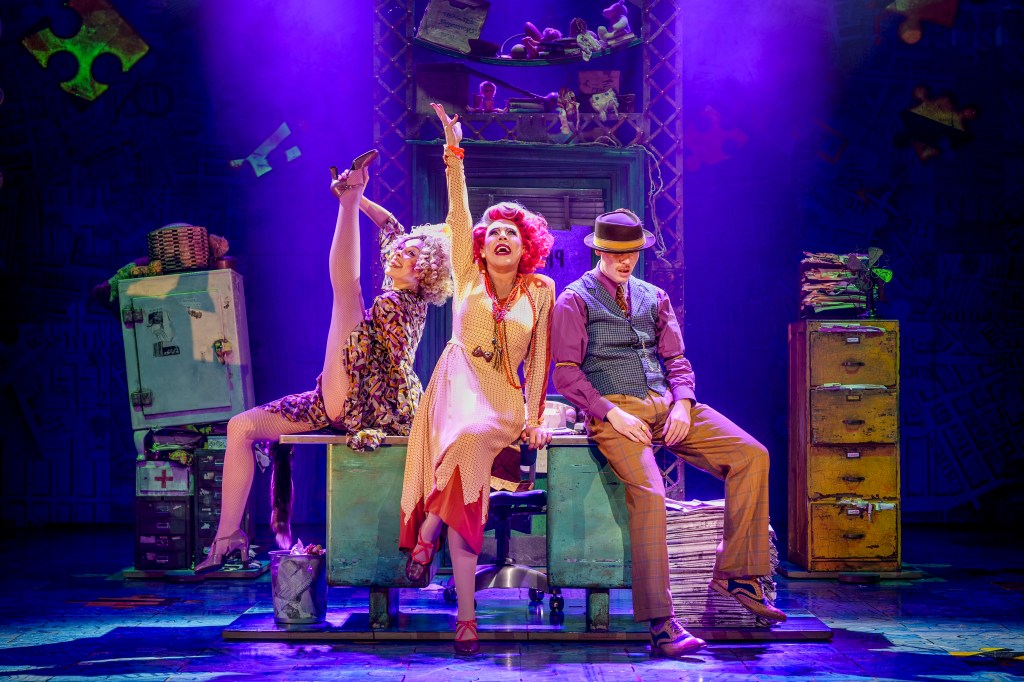
The villains are equally impressive. Christian Cooper and Amber Kennedy fully commit to their roles as Rooster and Lily and fully deliver as the scheming duo. Cooper makes Rooster as despicable as required, while Kennedy’s Lily is equally as detestable. The highly anticipated rendition of ‘Easy Street’ doesn’t disappoint and is a standout moment in the show filling the theatre with energy and excitement.

However, it is La Voix’s Miss Hannigan who steals the show. La Voix is the reason I wanted to see this show, and she certainly does not disappoint. She explores every facet of the character and transitions effortlessly between comedy, bitterness and vulnerability. At times Miss Hannigan’s treatment of the orphans cements her villainess character, yet by the end of the show, La Voix has charmed the audience so much that it is impossible not to fall in love with her.

I knew coming to watch this show that I was going to enjoy it. Annie is a timeless tale about hope, never giving up and trusting love will always win. Told primarily through a child’s voice it still managed to touch adult hearts which makes this show such a success. As mentioned throughout the talented cast and creative team make this production a triumph. Every set and costume choice allows the performers to fully embody their characters which in turn allows the audience to become completely immersed in the show. Director Nikolai Foster has successfully created a beautifully balanced production which, despite its occasional darker themes, retains the warmth and familiarity of your favourite film. I thoroughly enjoyed the show and am certain future audiences will too.

Don’t wait until tomorrow book now and let Annie enchant you – showing at the Palace Theatre Manchester until Saturday 20th June, tickets available here.

Waitress

Reviewed by Nikki Cotter

Opening Night verdict ⭐⭐⭐⭐

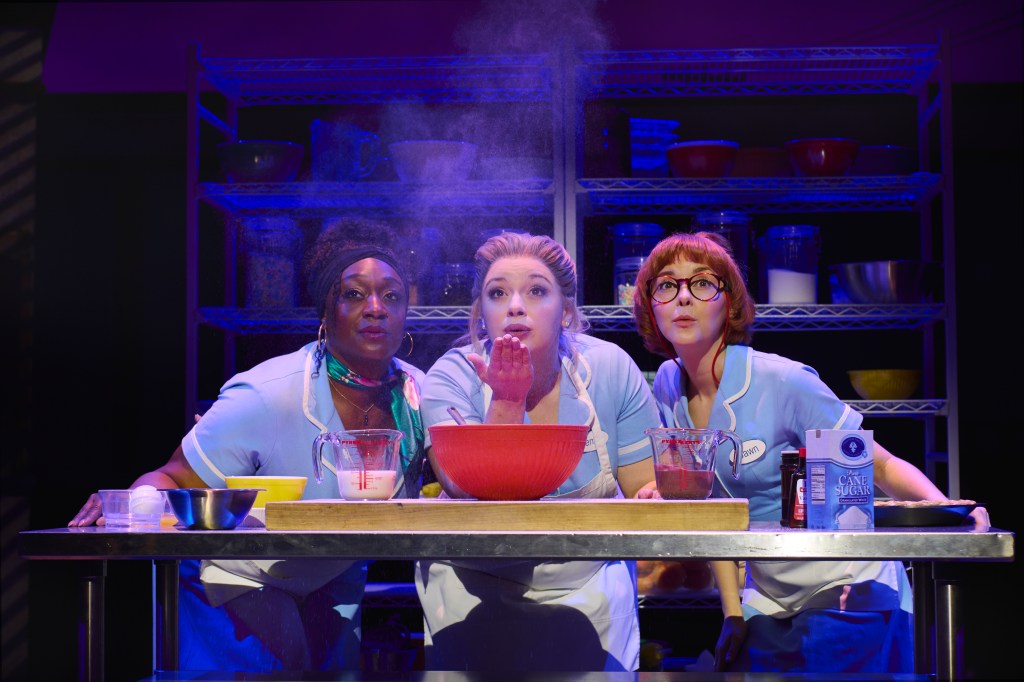
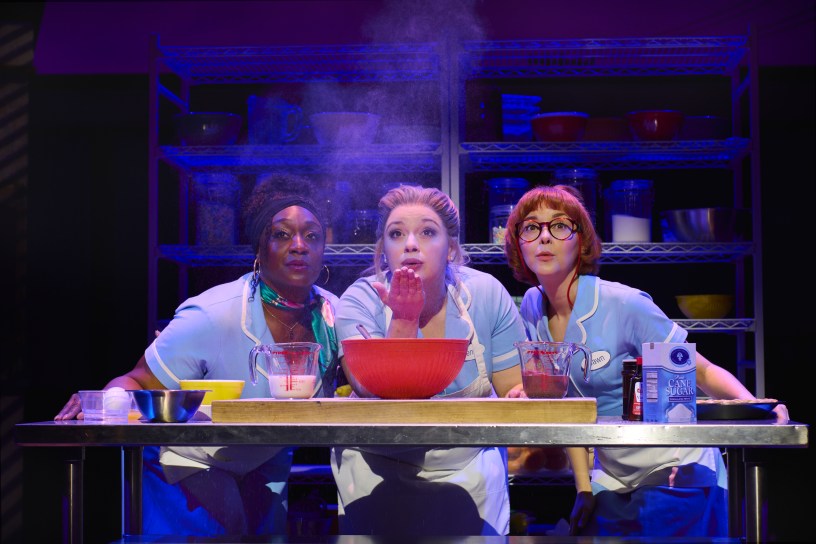
Adapted from Adrienne Shelly’s 2007 film, with a book by Jessie Nelson, music and lyrics by Sara Bareilles and presented for this 10th anniversary tour by Abbey O’Brien, Waitress serves up an inspiring mix of self-empowerment, southern sisterhood, and super sharp wit.

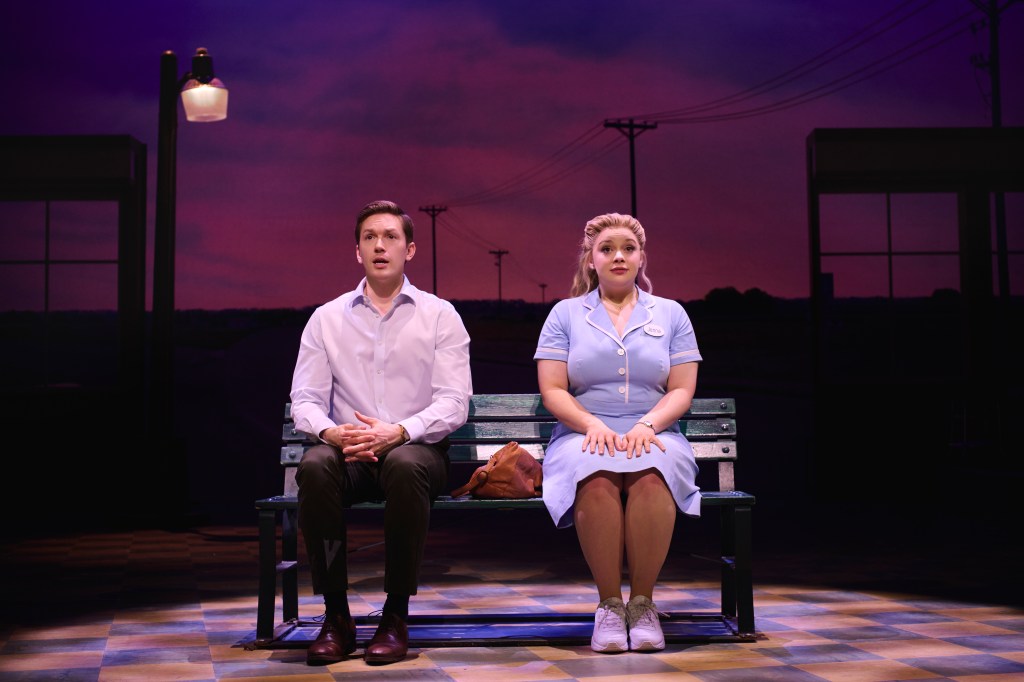
The story centres on Jenna (Carrie Hope Fletcher), a gifted baker working at Joe’s Pie Diner. While famous locally for her creative flavour combinations, her personal life is far from sweet. Her abusive, controlling husband Earl (Mark Willshire) drains the joy from life with his belittling, controlling and abusive behaviour.

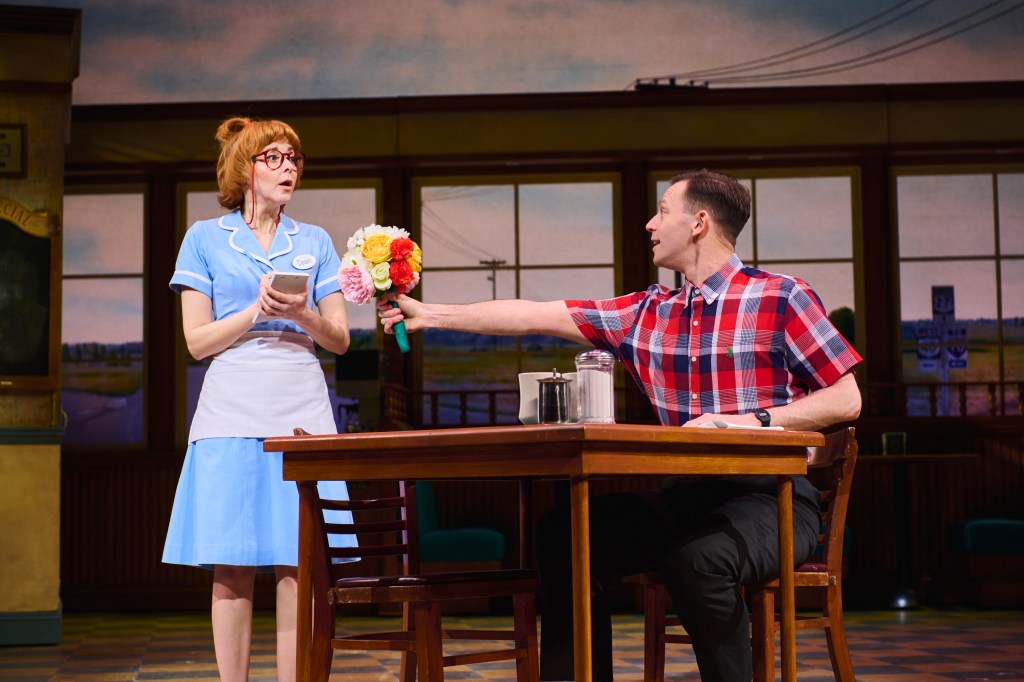
Jenna’s daily escape fantasies not only inspire her unique pie specials but also cleverly drive the narrative forward. Supported by her close friends and fellow waitresses, Becky (Sandra Marvin) and Dawn (Evelyn Hoskins), Jenna faces a life-changing moment when she discovers she is pregnant. The story then takes a rather unexpected turn as she begins a passionate affair with her gynaecologist, Dr Pomatter (Dan Partridge).

This uplifting female-led story bursts with heart as we follow Jenna’s journey from using baking as an escape to discovering her true self-worth and ultimately independence. Carrie Hope Fletcher makes for a perfect Jenna, she leads the cast with charisma, warmth and a strong, steely determination. Her delivery of iconic ballad She Used to Be Mine is sensational, heart-felt and emotionally authentic. The chemistry between Jenna and her co-workers/besties Becky (Marvin) and Dawn (Hoskins) feels real and relatable ensuring we believe in this trio entirely. Both Marvin and Hoskins have played these roles before and slip naturally back into these fully formed, enormously endearing characters. The audience lap up both Becky’s sass and Dawn’s likeability which Marvin and Hoskins deliver in bucketloads.

While this powerful production is superbly female led, the male characters are exceptionally well-cast too. Dan Partridge is immensely endearing as the clumsy yet charming Dr Pomatter. Mark Anderson brings pure joy to the stage as the eccentric Ogie, pairing beautifully with Evelyn Hoskins’ wonderfully kooky Dawn. While Dan O’Brien and Mark Willshire put their own impressive stamps on their very differing characters, Cal and Earl. Additionally, Les Dennis adds emotional weight as diner owner Joe, bringing a wise understanding to Jenna’s journey.

Waitress doesn’t shy away from serious subjects including domestic abuse, infidelity and unwanted pregnancy but manages to offset them cleverly with sharp comedic timing. The result is a brilliantly balanced emotional journey, packed with witty, relatable dialogue that will move you to tears one moment and have you laughing out loud the next. Add to this Sara Bareilles melodic and memorable score and you really have got the recipe for a genuinely sweet musical treat. Waitress is a big, brilliant slice of theatrical magic that proves life’s messy ingredients can still bake up something truly beautiful.

Waitress is on at Manchester’s Palace Theatre until Saturday 30th May tickets are available here.
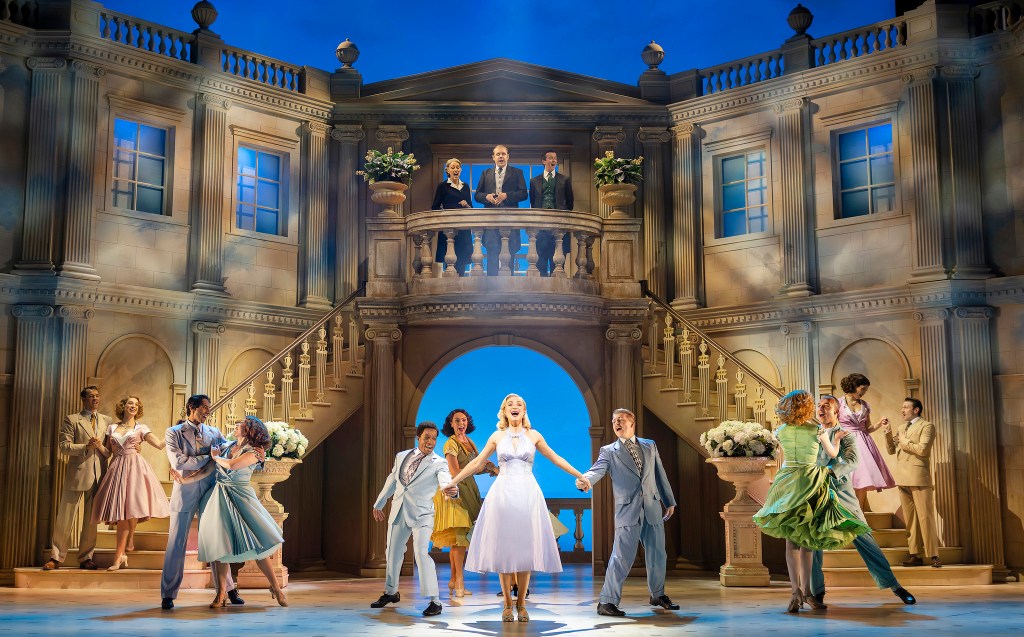
Acosta Danza Carmen

Reviewed by Maddie Shimwell

Opening Night verdict ⭐️⭐️⭐️⭐️

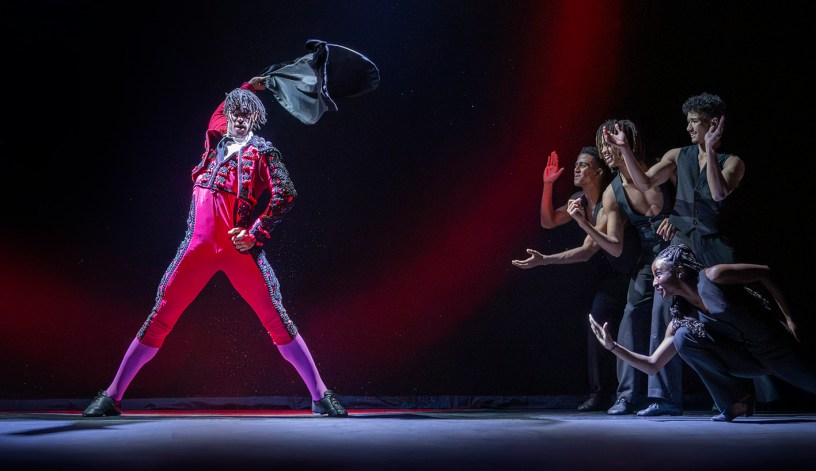
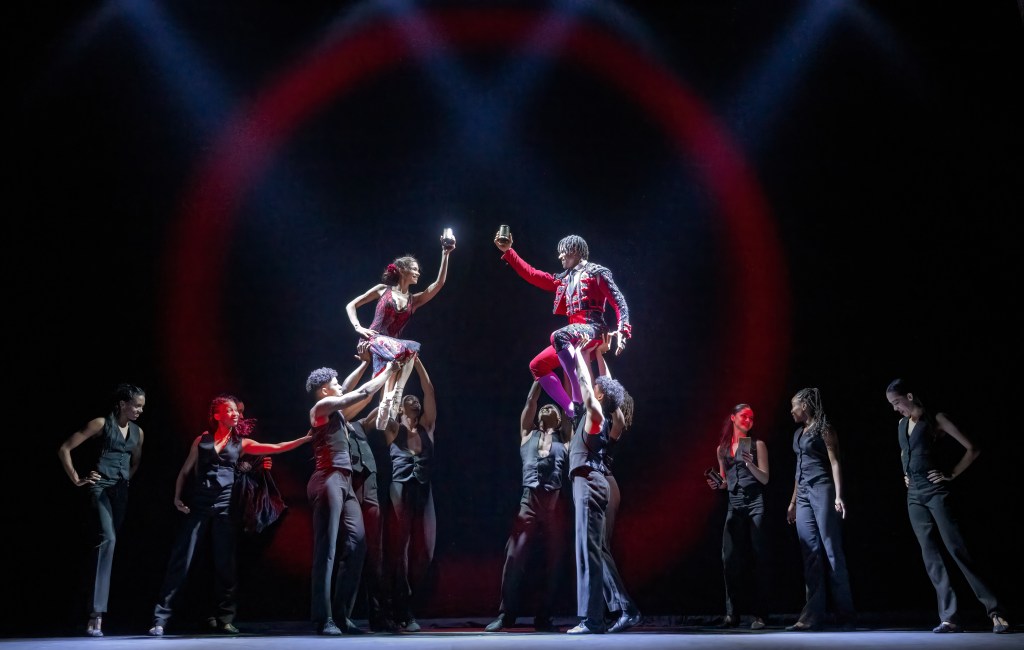
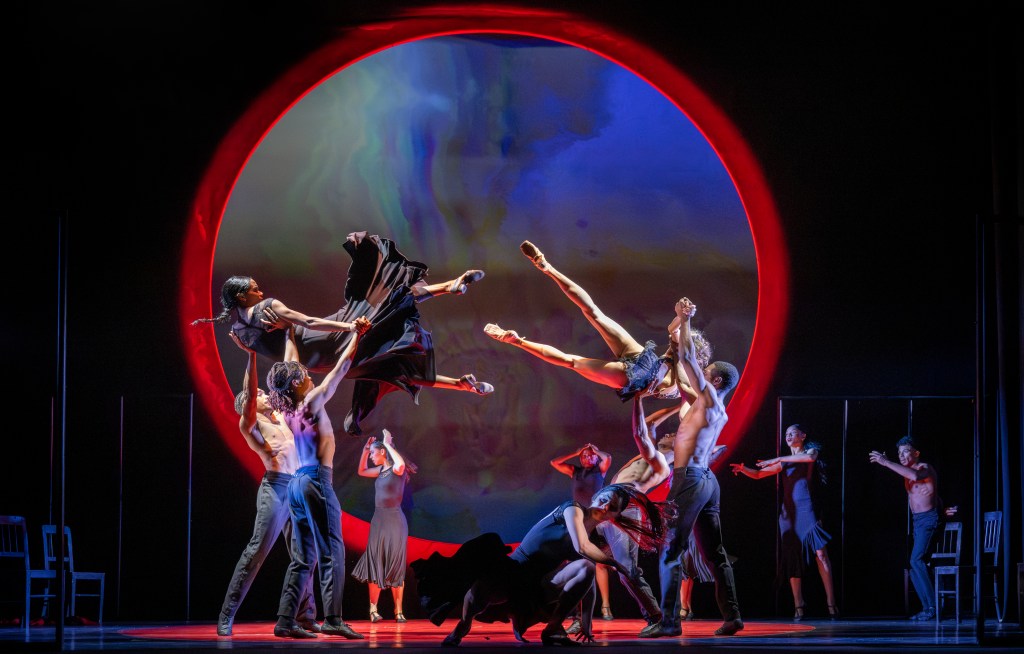
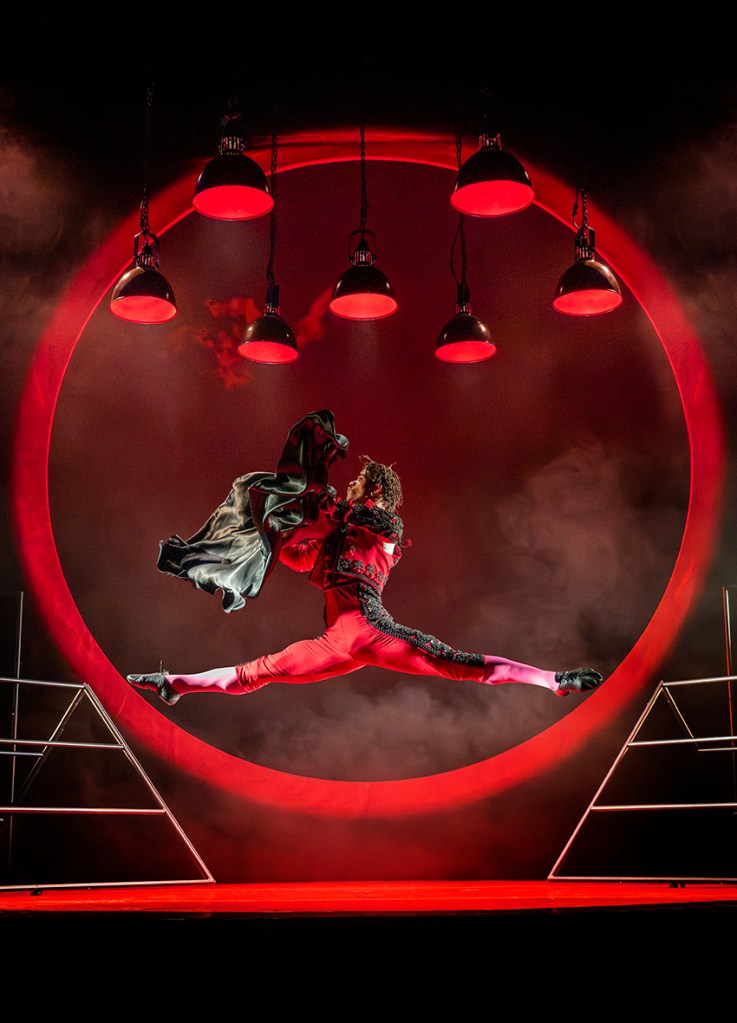
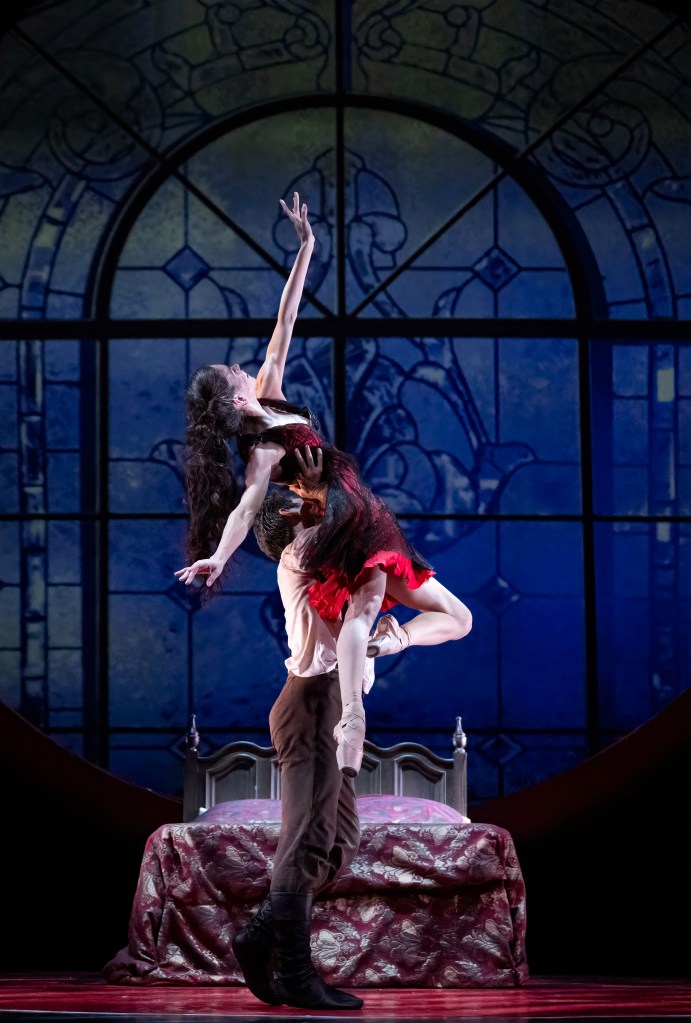
Acosta Danza arrived at the Opera House in Manchester last night, presenting Carlos Acosta’s extended version of his production of Carmen. This reworking of such a famous opera and ballet is striking and contemporary.

The first act introduces Carmen (Amisaday Naara), a factory worker, and Don Jose (Alejandro Silva), a soldier whose lives collide following Carmen’s arrest. One of the most memorable moments occurs early on. The pair weave in and out of a caged structure, Carmen’s wrists bound to a rope held by Don Jose. The choreography here is particularly clever, clearly requiring complex problem solving and meticulous rehearsal to avoid any accidental entanglements. It visually captures the power dynamic and growing tension between the two characters.

Naara and Silva portray the intense passion of Carmen and Don Jose’s relationship excellently. Their chemistry is undeniable, enhanced by beautiful lines and stunning classical technique. The whirlwind romance feels fuelled by lust and circumstance rather than genuine love, which makes their eventual downfall even more inevitable.

One character I struggled to fully connect with was Bull (Aniel Pazos). His presence onstage was undeniably powerful, yet despite Acosta describing him as a ‘Master of Ceremonies’, this did not entirely translate. His function within the narrative felt unclear.

I also felt that some of the corps de ballet sections in Act One lacked the refinement seen in the duets and solos. However, this was resolved in the opening of Act Two which featured the newly added tavern scene for the corps de ballet, which proved to be the standout moment of the entire production. Without having seen the original version, it is difficult to imagine the work without this scene. The dancers brought infectious energy, and the Cuban flair shone through.

 Following this, Escamillo (Paul Brando) is introduced, and Carmen instantly falls for him. In contrast to her relationship with Don Jose, her feelings here feel genuine and you can see she is in love this time. The production builds swiftly to its ending when Don Jose discovers Carmen’s plans to marry Escamillo, and in a fit of jealous rage, tragedy strikes.

Overall, Acosta’s Carmen succeeds in offering a fresh Cuban-contemporary fusion alongside classical ballet. At just 1 hour and 40 minutes including an interval, much shorter than the classic opera, feels purposeful rather than rushed, keeping the story largely clear and engaging throughout.

Acosta Danza Carmen is on at The Opera House until Saturday 25th April tickets available here.

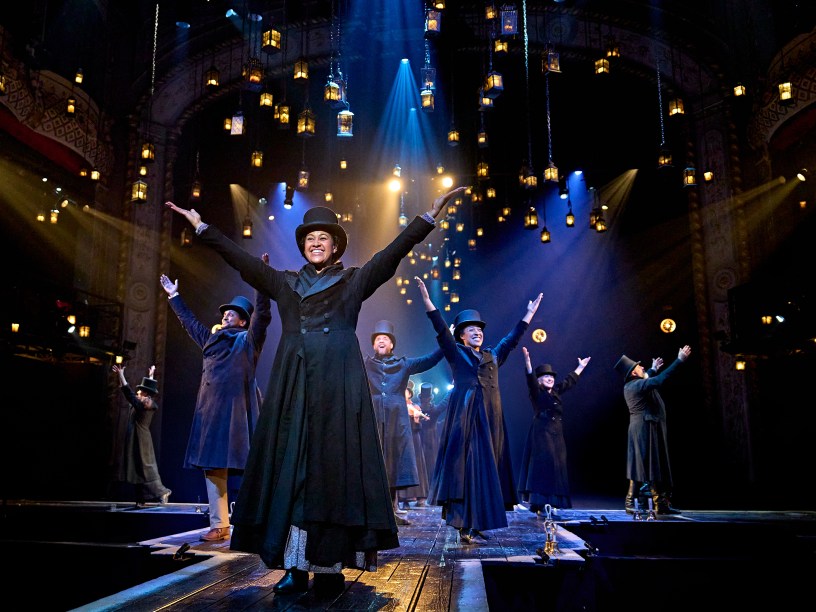
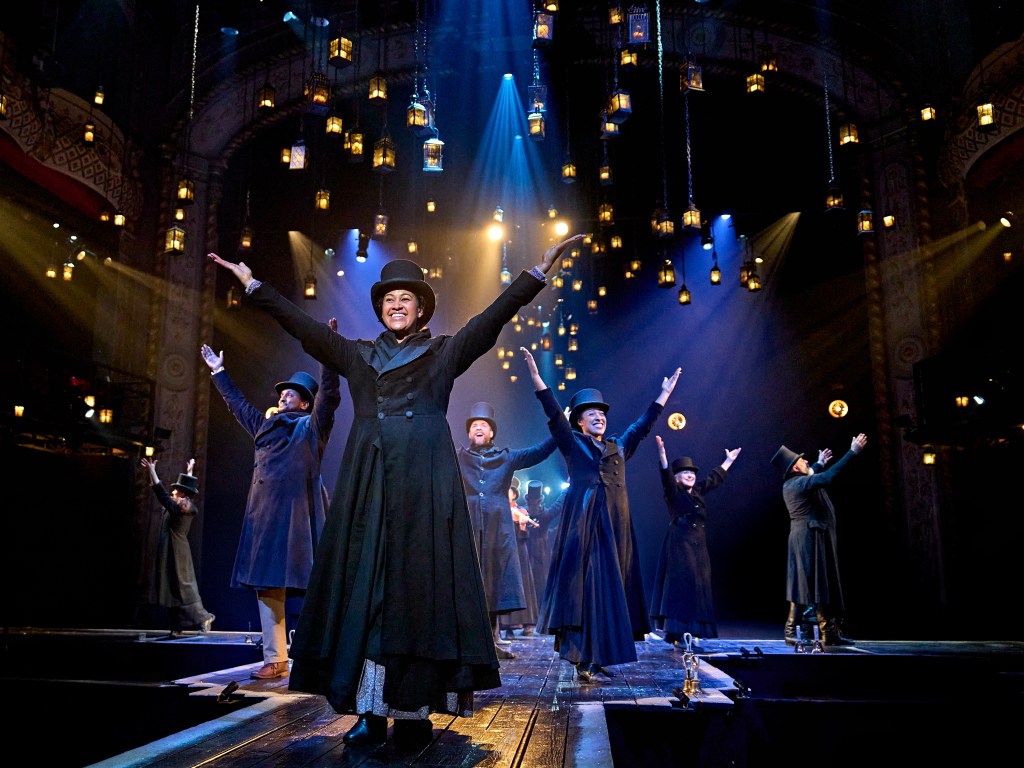
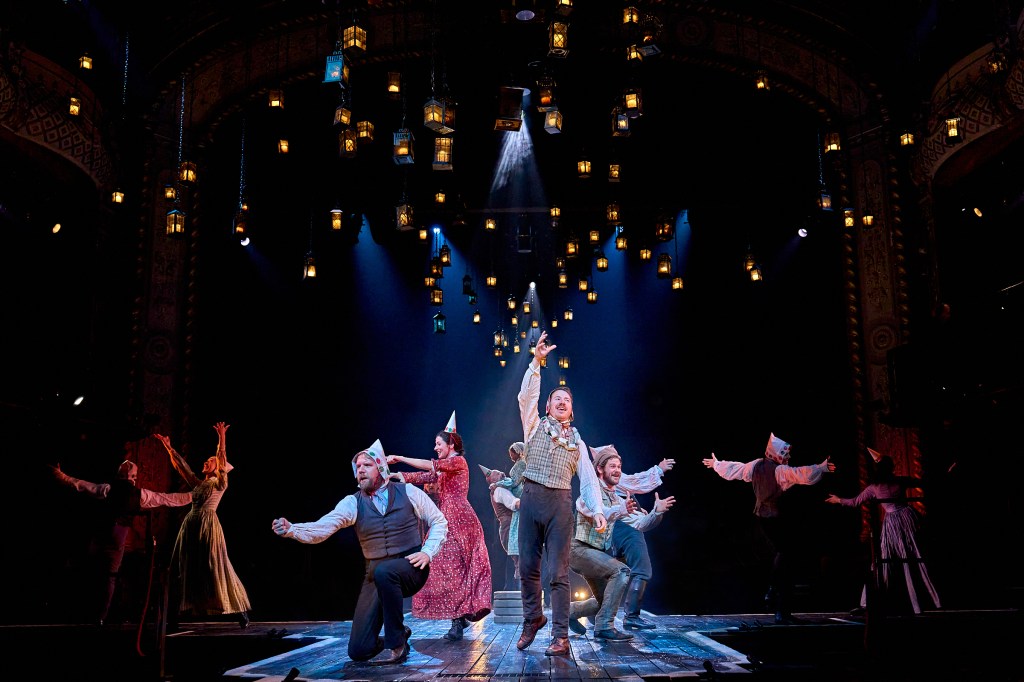
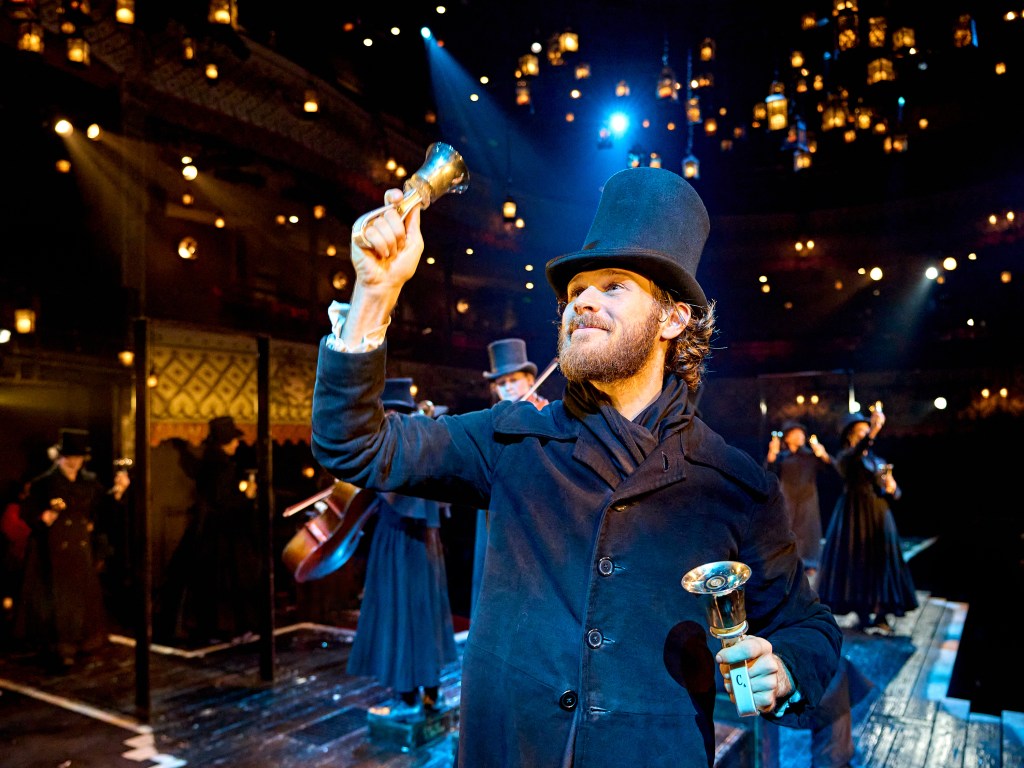
The Old Vic’s A Christmas Carol comes to Salford

The Old Vic is delighted to announce that Matthew Warchus’ much-loved, Tony Award-winning  A Christmas Carol, adapted for the stage by Jack Thorne (His Dark Materials, Harry Potter and The Cursed Child), will play at Lowry, Salford from 11 Dec 2026–10 Jan 2027.   

This will be the first time since its world premiere in 2017 that the show will be seen in another UK city, offering the chance for even more people to experience this magical show firsthand.

The Old Vic’s Artistic Director and Director of A Christmas Carol, Matthew Warchus, said: ‘For ten years now this production of A Christmas Carol has been delighting audiences from London and beyond and I am immensely proud of the impact it continues to have on audiences – whether it be their first time seeing the show or one visit of many. To now be able to share the joy of this production with the Lowry and its audiences makes this year a truly special one.’  

Lowry’s Chief Executive, Julia Fawcett, said ‘We’re absolutely thrilled to be working with The Old Vic – one of the UK’s leading theatres – to present their landmark production of A Christmas Carol – one of the most exciting, joyous and moving Christmas productions you’ll ever see. It’s the first time the show will have been presented in the UK outside of London – a real landmark moment for theatre in the region. We know North West audiences are in for something very special this festive season and everyone at the Lowry is delighted to be welcoming the show to Salford and presenting it on our Lyric stage.’

A Christmas Carol fills the auditorium to the brim with mince pies, music and merriment in this unique big-hearted production full of music and festive cheer.

Tickets are on priority sale to Lowry Members now and on general sale on Tue 31 Mar at 10am. Further details, including cast, are still to be announced. Tickets and further info can be found here.

The Constant Wife

Reviewed by Sophie Rowley

Opening Night verdict ⭐⭐⭐⭐

Filled with style, sophistication and sharp wit, W Somerset Maugham‘s 1926 play The Constant Wife explores the institution of marriage, morals and manners turning every expectation on its head with an imaginative alternative telling of infidelity, betrayal and scandal. Being labelled Maugham’s “most clever and captivating creations” he creates the ultimate heroine in Constance Middleton. Always aware of her husband’s extra-curricular activities with her best friend Marie Louise, Constance plays the dutiful wife and in true 1920’s style pretends to live her life in blissful ignorance. That is until the affair is made public, now Constance must decide how she wants to live her new life. Now a century on, how will the 2026 audience receive Maugham’s play?

Fresh from the success of a West End run, Maugham’s story is brought to life in this incredible collaboration by David Pugh, Cunard and the Royal Shakespeare Company. Such a trio, the expectation is high for Laura Wade’s Lowry production. Staring Kara Tointin as the formidable heroine Constance who is far ahead of her time. Once the affair is made public, this allows Constance a clean slate to rewrite her story. Tointin plays this wonderfully, she playfully weaves humour and sarcasm into her sizeable script. Moreover, Tointon brings a wonderful modern twist to Constance and despite being set in the 1920’s era, she still manages to make Constance relevant and daring. Maugham’s script shines though in Tamara Harvey’s direction, it’s clear to see why this show has had the success it has.

Tim Delap brings a subtle depth to John Middleton who has a predilection for women that aren’t his wife. He plays the 1920’s male very well and the entitlement is played to perfection, especially in the second act when John even slips into melodrama. He epitomised the idea that “men are polygamous and should be allowed their indulgences”. Delap mixes charm with arrogance in his portrayal of John, and as an audience member you feel conflicted in your feeling of him. This conflict of character is also seen in Marie-Louise Durham – played wonderfully by Jocasta King, on the surface she should be despised for defying her loyalty to Constance, yet it could be argued she could be pitied for being swept along in a romance that wasn’t hers to take. The obliviousness King shows in Marie-Louise’s actions highlights her selfishness, this combined with her lack of awareness is a very clever character choice and it works. For me both Delap and King excel in their characterisation and must be commended.

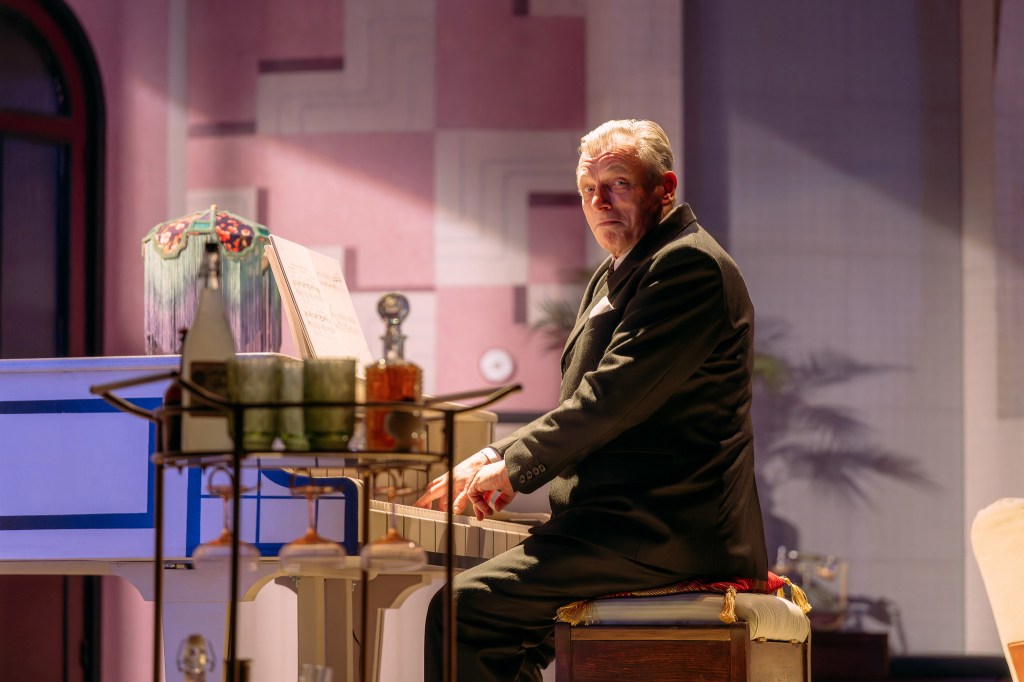
Sara Crowe is perfect as a 1920’s mother – filling Constance with the advice of the time yet she managed to get a few cutting insults on her perception of Constance’s life. Combing humour and wit Crowe brings the archetypal 1920’s mother to life. Amy Vicary-Smith is superb as Martha, Constance’s Sister – the “confirmed Spinster” brings postmodernism to the idea of what a woman is – she is independent and fiercely loyal of Constance. She is a businesswoman and unmarried at a time where this was extremely unfeminine. Like Crowe she brings an effervescent humour that makes the play very enjoyable. Jules Brown, whist having a small part as Mortimer Brown plays a pivotal part as the catalyst for the plot unfolding. Alex Mugnaioni’s portrayal of Bernard as the doting lovesick best friend of Constance adds a entertaining side plot to the play. Finally, Philip Rham’s Bentley the butler is endearing as well as a very talented pianist.

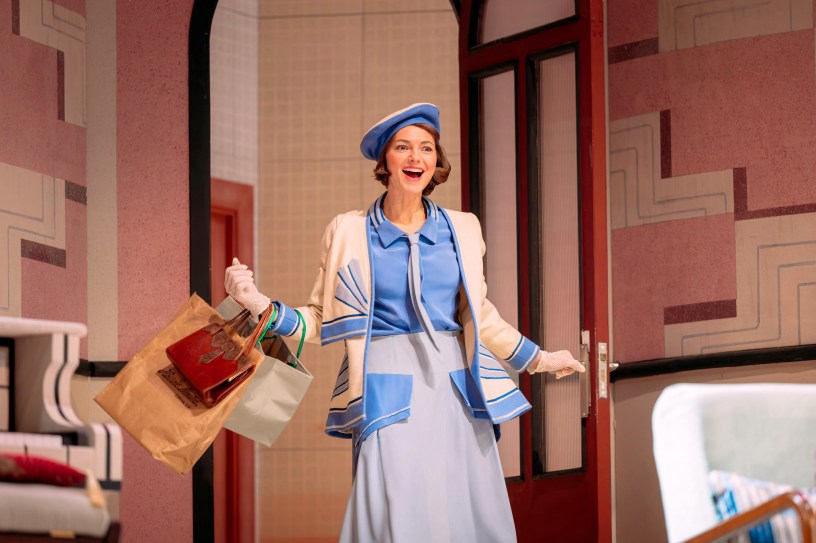
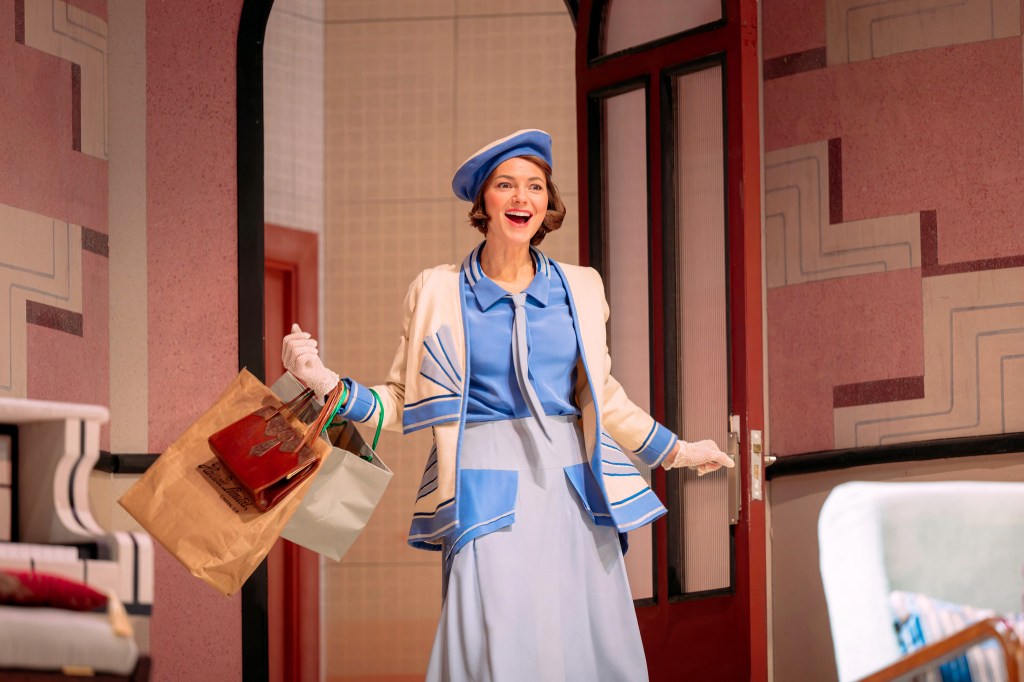
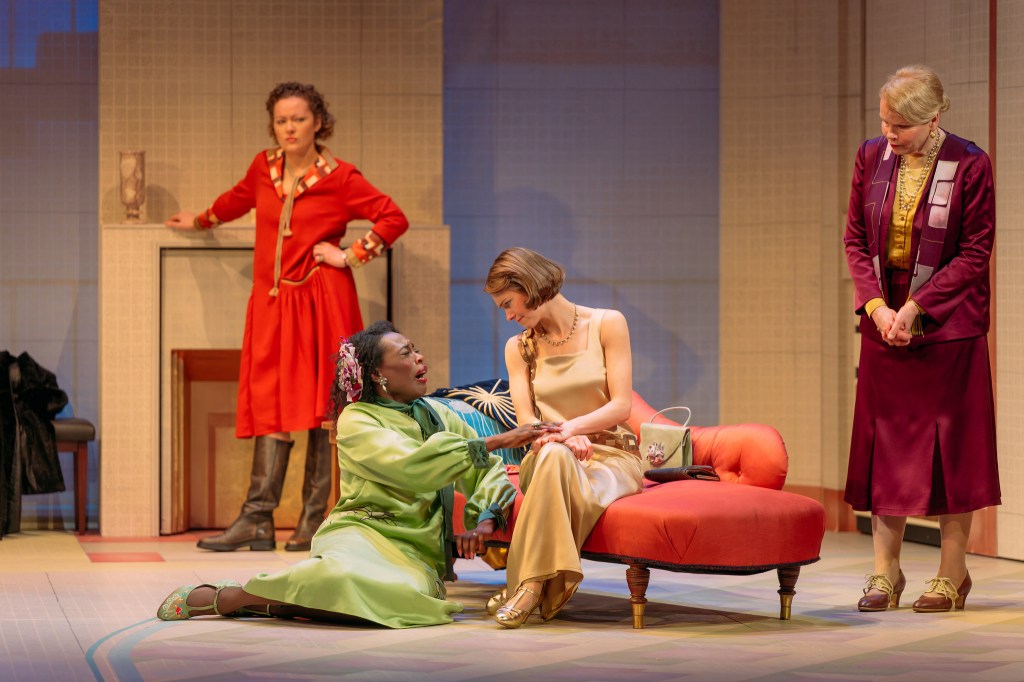
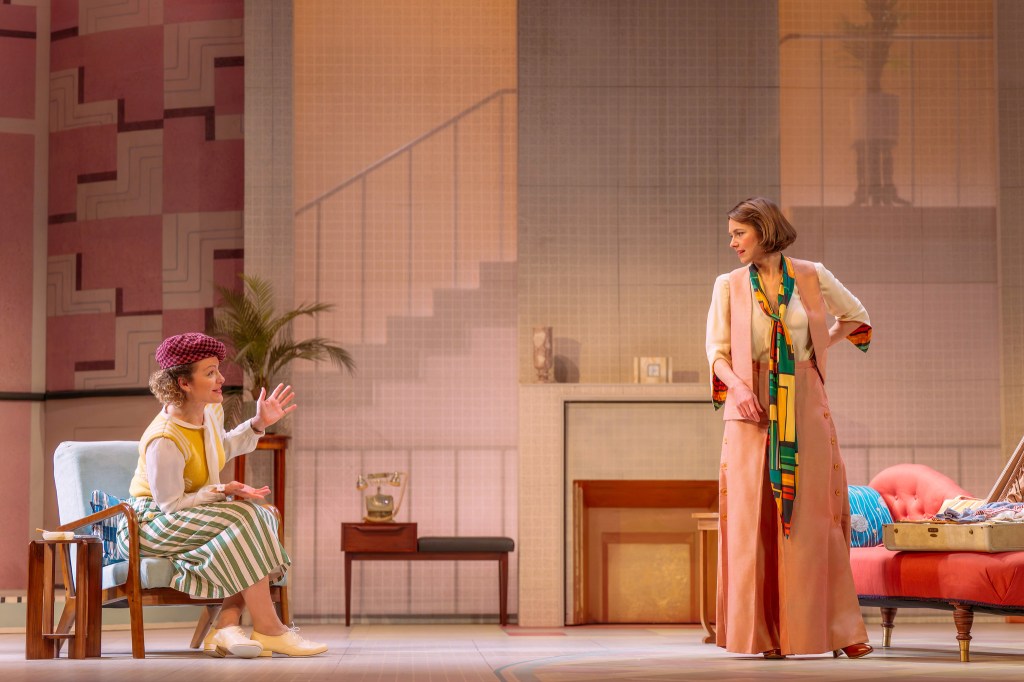
Now a moment must be dedicated to discuss the set and costumes created by Anna Fleischle and Cat Fuller. They have been described as ‘fresh and captivating’ and I cannot disagree. The set is filled with 1920’s staple furniture and art deco designs. Fleischle still brings the 1920’s glamour and elegance with a modern twist that you would see on the high street today.  The combination of these sets and costumes complement one another perfectly and the whole creative team have done a sterling job in creating this masterpiece of visual theatre. For the musical score you can do no better than to include original compositions by Jamie Cullum. Cullum’s signature jazzy tones act as perfect scene changes throughout the play.

The whole production team have delivered an exquisite piece of theatre. The cast is superb in each of their portrayals and are complimented perfectly by the beautiful set, stunning costumes and a jazz soundtrack that will fill you with joy.

The Constant Wife is on at the Lowry until 21st March tickets are available here.
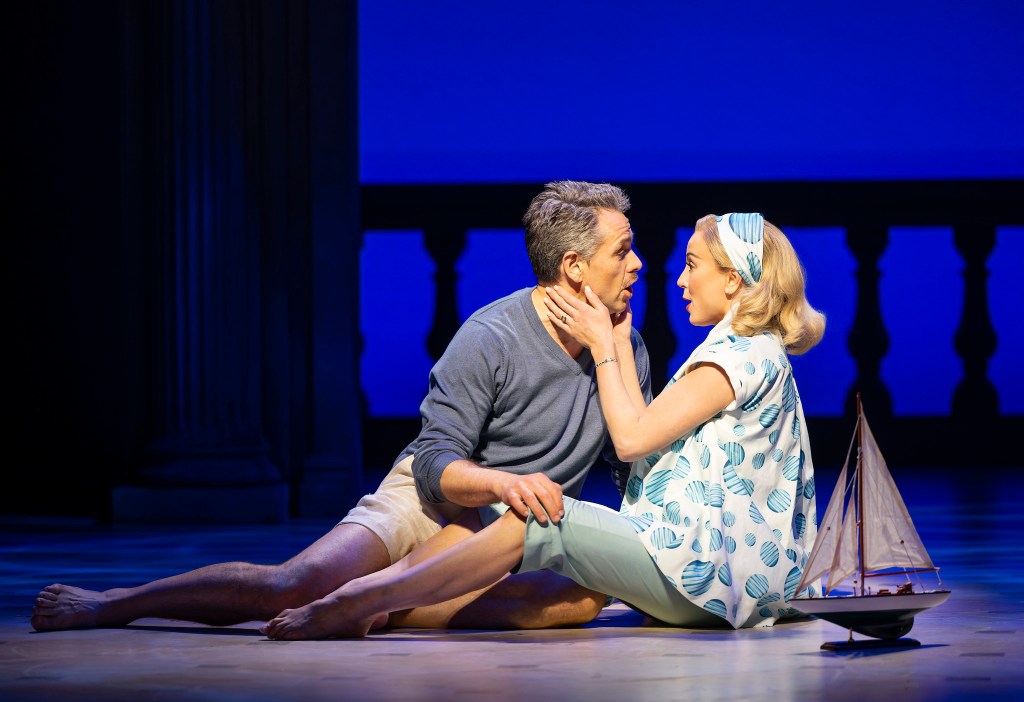
Macbeth

Reviewed by Nikki Cotter

Opening Night verdict ⭐⭐⭐⭐⭐

Marking the return of Shakespeare to Storyhouse’s stage, this bold, inventive interpretation of the Bard’s ultimate tragedy sets an impressively high standard for Storyhouse Originals 2026 programme.

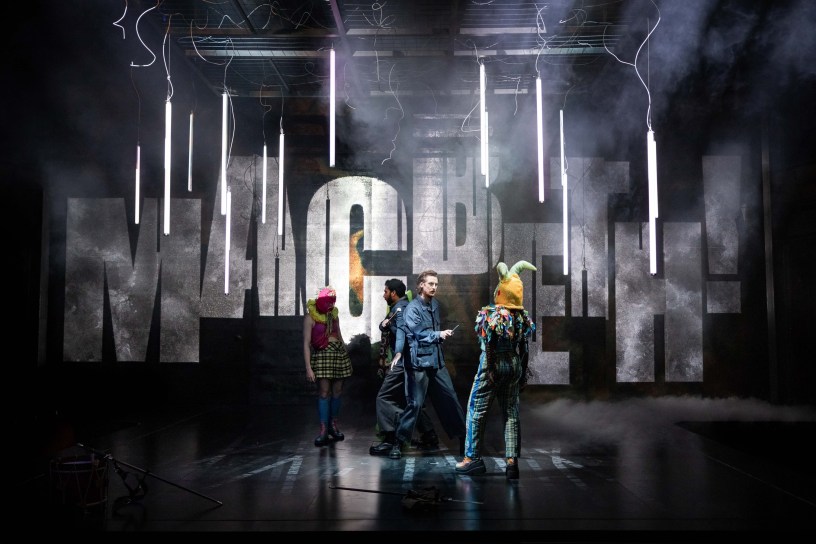
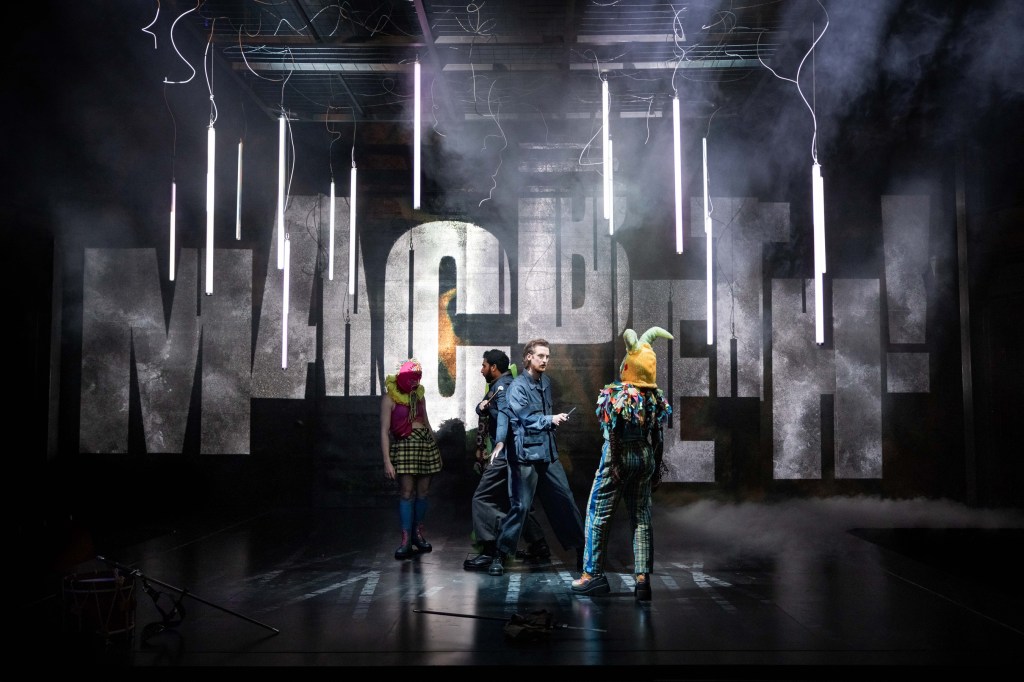
Adapted and directed by Jamie Sophia Fletcher, the play stays true to the classic text while its vivid modern-day setting leans deliciously into cinematic horror. It’s vibrant, loud, fast-paced fluorescent and unapologetic making it incredibly accessible for 2026 audiences.

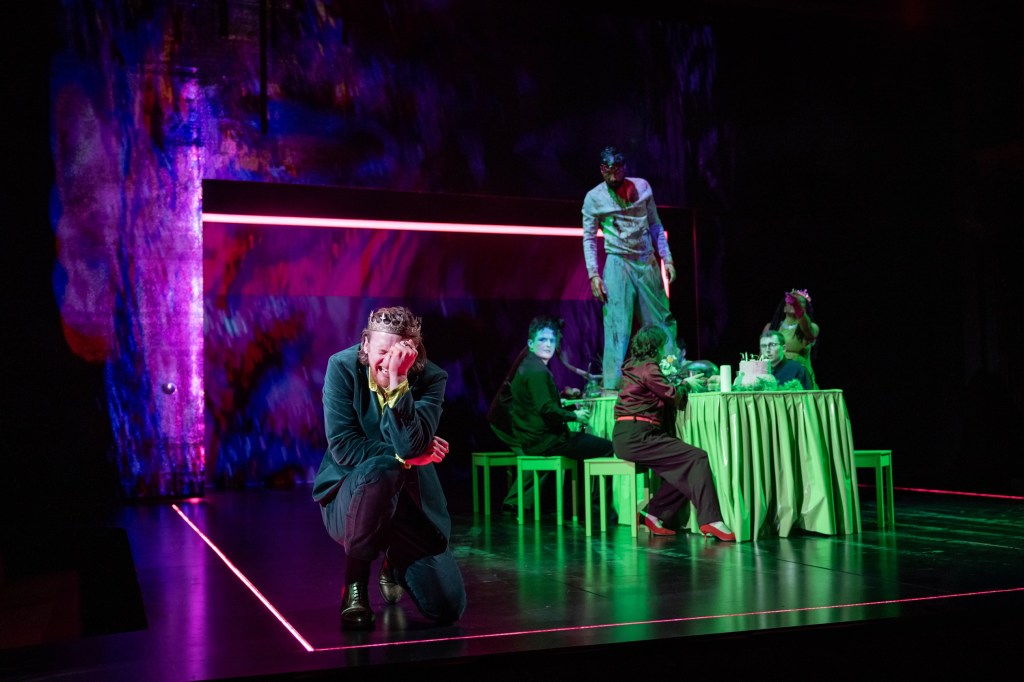
The intimate thrust staging has been embraced by set and lighting designer Andrew Exeter who creates an intense sensory experience with a stunning use of Daniel Denton’s imposing video projections, layered sets and atmospheric lighting while Sarah Victoria’s pitch perfect sound design further cements the quality of this gripping production.

Robin Morrissey captures Macbeth’s spiral into the dark side perfectly as he shifts compellingly from curious social climber to power hungry, murderous King, following his first meeting with the three witches. Yolanda Ovide as Lady Macbeth is equally as impressive, calculating and cold as she plunges powerfully into psychosis, unravelling viscerally before our eyes.

Mika Onyx Johnson’s vulnerability and rawness as Macduff kicks you in the guts while Roly Botha shines playing multiple memorable roles, Witch 1, Porter and Lady Macduff. Special mention must also go to Pete MacHale who brings depth, humour and warmth to Ross.

Storyhouse stay true to their community ethos offering actors from their Youth Theatre an incredible opportunity to make their professional debuts. This is a true ensemble piece with each and every cast member working together cohesively to create unforgettable theatre magic alongside a team of impressive creatives, including April Dalton, costume designer, Michela Meazza movement director, Kaitlin Howard fight and intimacy director. Storyhouse have also worked together with Dan Parr from Hear the Picture for creative audio description while each performance is captioned.

If you thought you knew Macbeth, think again — this production is full of surprises, from unexpectedly brilliant dance breaks while Murderer 1, 2 and 3 will never quite be seen the same again.

The palpable sense of foreboding throughout is added to continually by the striking set and lighting design, visually stunning and adding enormously to the clever creativity of this exceptional piece of theatre.
This Macbeth feels startlingly fresh and fiercely relevant, leaving you longing for a Storyhouse revival of every one of the Bard’s classics. It doesn’t merely retell the tragedy, it grabs you from the first moment and lingers long after the final curtain, a superb piece of theatre that deserves rich praise.
Macbeth is on at Storyhouse until Saturday 21st March tickets are available here.