Reviewed by Nikki Cotter
Opening Night verdict ⭐⭐⭐⭐⭐
In 1903, Manchester, Emmeline Pankhurst founded the Women’s Social and Political Union (WSPU) to fight for the rights and betterment of women. Her name remains synonymous with the city, and she is almost universally the first name which comes to mind when women’s suffrage is mentioned. However, as the WSPU grew increasingly militant under the leadership of Emmeline and her eldest daughter, Christabel, middle daughter Sylvia and the path she takes gives us the focus of this powerful story.
Disillusioned by her mother and elder sisters increasingly radical methods, Sylvia fights to guide the Suffragettes toward a broader socialist agenda, fearing that their extreme tactics and restrictive focus will leave ordinary working-class people behind.
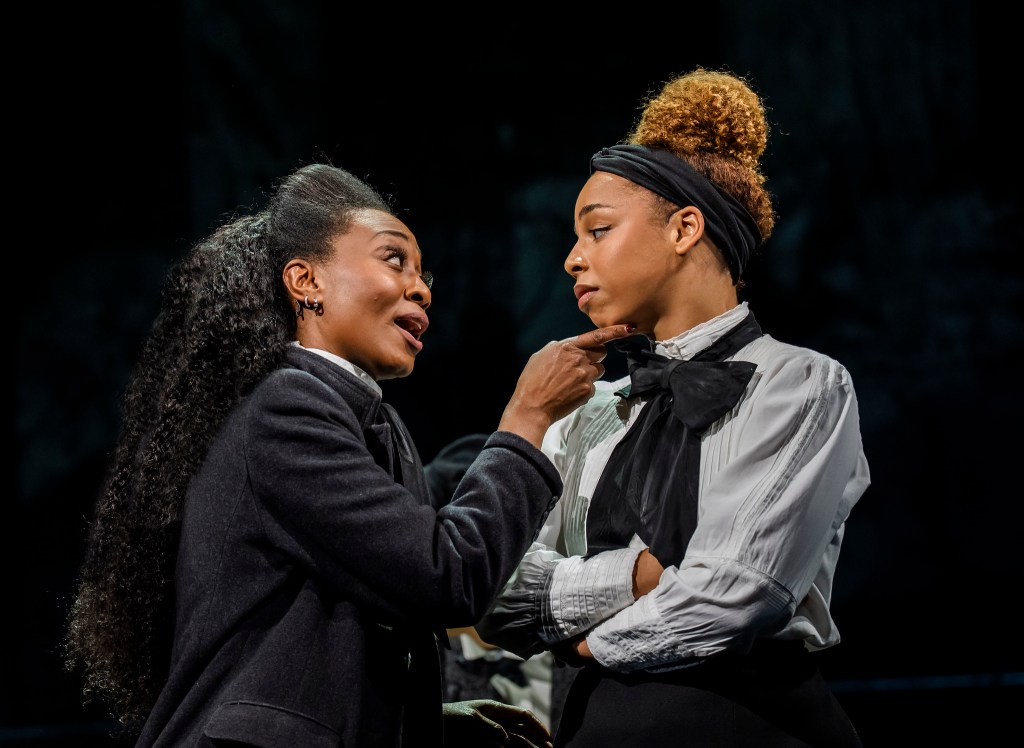
The production brilliantly captures the ideological rift tearing the Pankhurst family apart, resulting in a powerful exploration of family division as the Pankhurst’s feud over the socialist ideals Sylvia refuses to compromise on.
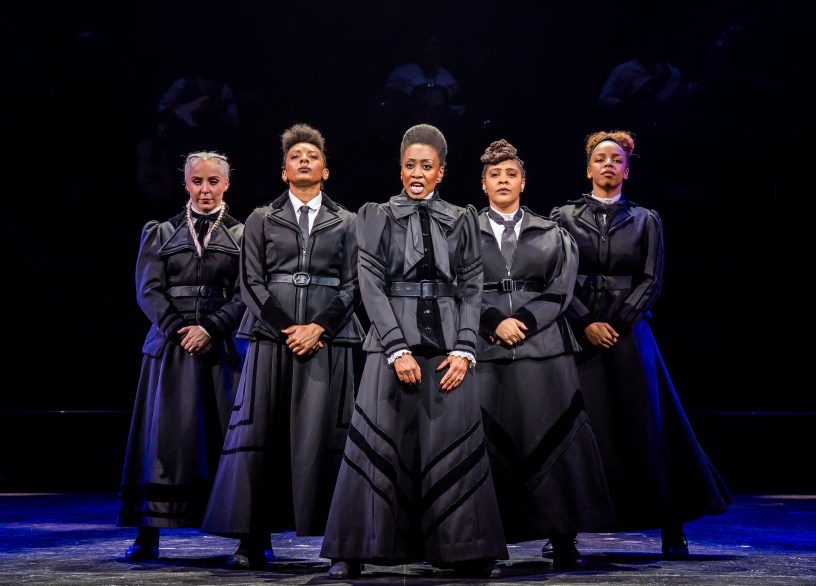
Beverley Knight takes on the role of Emmeline, an authoritative, no-nonsense presence who refuses to back down. Knight, like Emmeline is truly a force of nature, strong, compelling and utterly formidable. Her vocals are pitch perfect, as she delivers Emmeline with a steely, stirring determination.
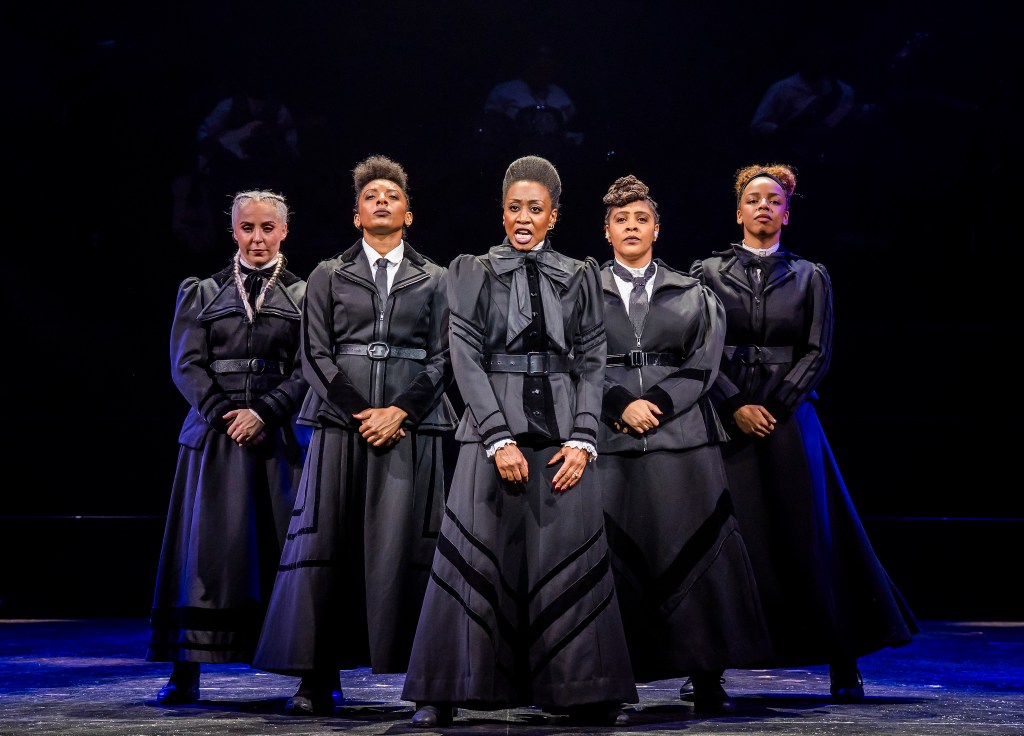
Naomi Katiyo absolutely raises the roof in the titular role of Sylvia. She takes the audience on a truly remarkable journey, growing in strength and conviction despite the brutal conditions she endures. Rather than breaking her spirit, frequent imprisonment and regular hunger strikes only fuel her determination to succeed in her fight against inequality. Her vocals are perfection, delivering Kate Prince’s intricate lyrics with seamless control as she moves from heartbreakingly emotive to powerful and punchy with an incredible ease.
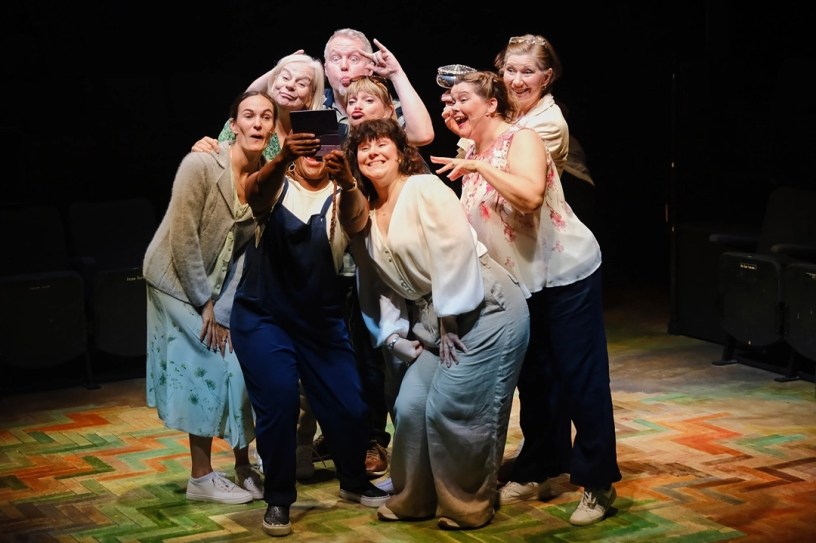
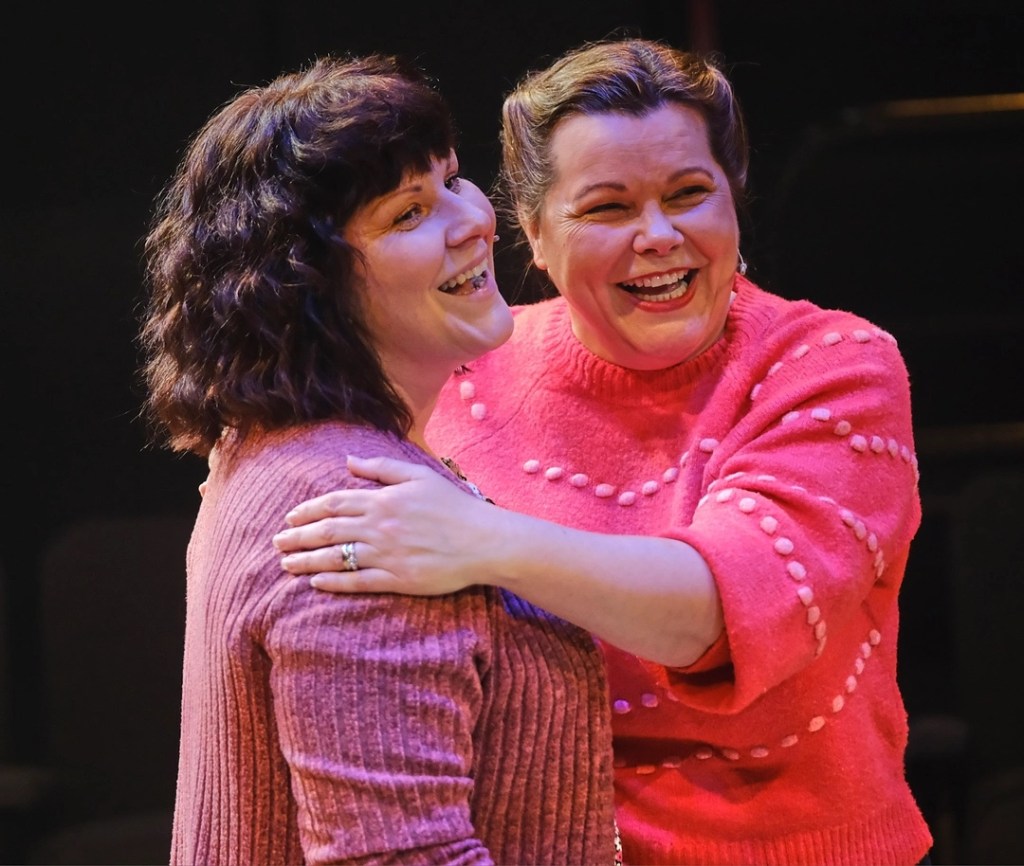
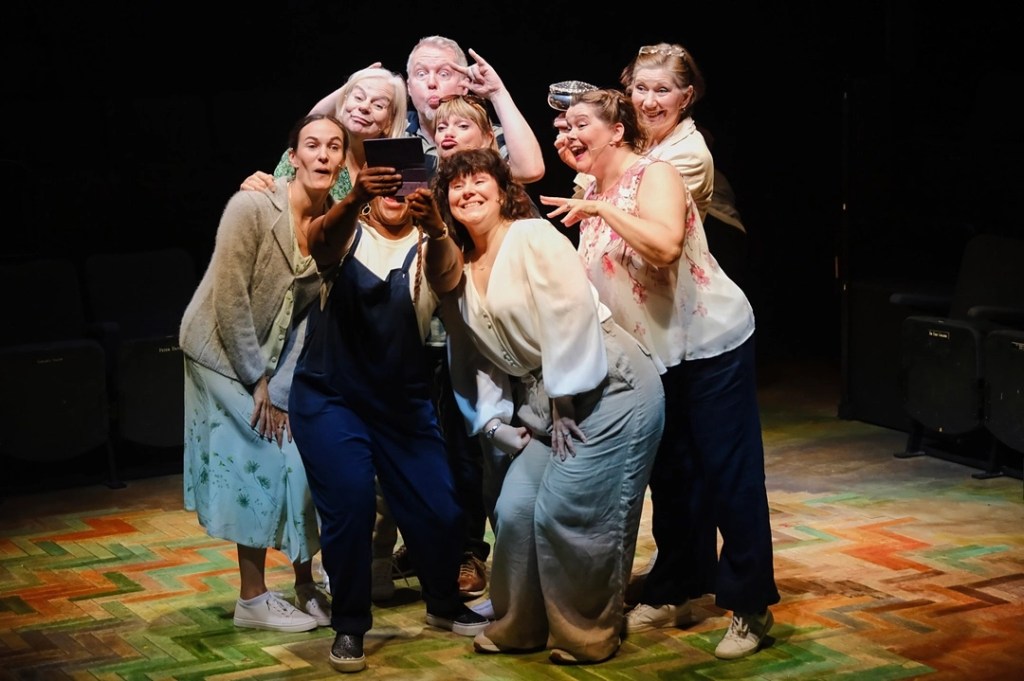
While Beverley Knight and Naomi Katiyo lead this cast superbly the production feels like a very special ensemble piece with every single person on stage well and truly at the top of their game. While every member of the cast deserves enormous praise, special mention must go to Ellena Vincent as Christabel, Tachia Newall as Kier Hardie, Uzuazo O’David as Harry Pankhurst, Kristie Skivington as Adela Pankhurst, Ivano Turco as Silvio Corio and Colette Guitart as Clementine Churchill, all are knock out.
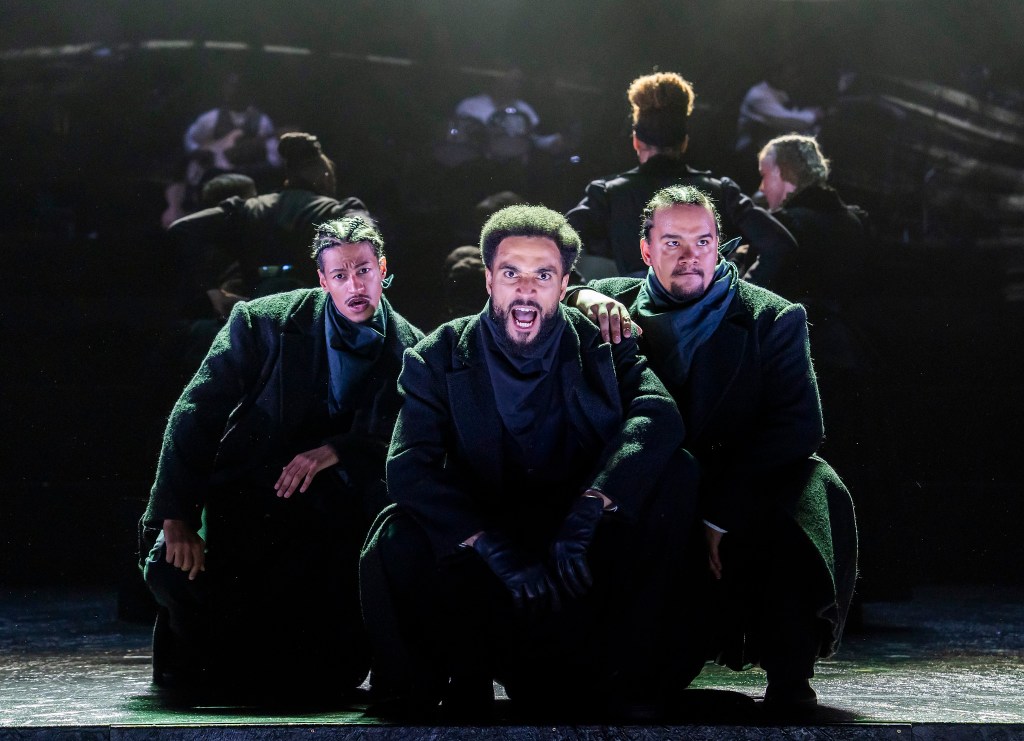
The collaborative writing of Kate Prince (lyrics & book), Priya Parmar (book) Josh Cohen and DJ Walde (music) is a joy, covering multiple genres from hip-hop to soul in impressive style. The vocals in this mostly sung-through production are incredible, paired with Prince’s stunning choreography and direction the result is a slick, striking and visually enthralling piece.
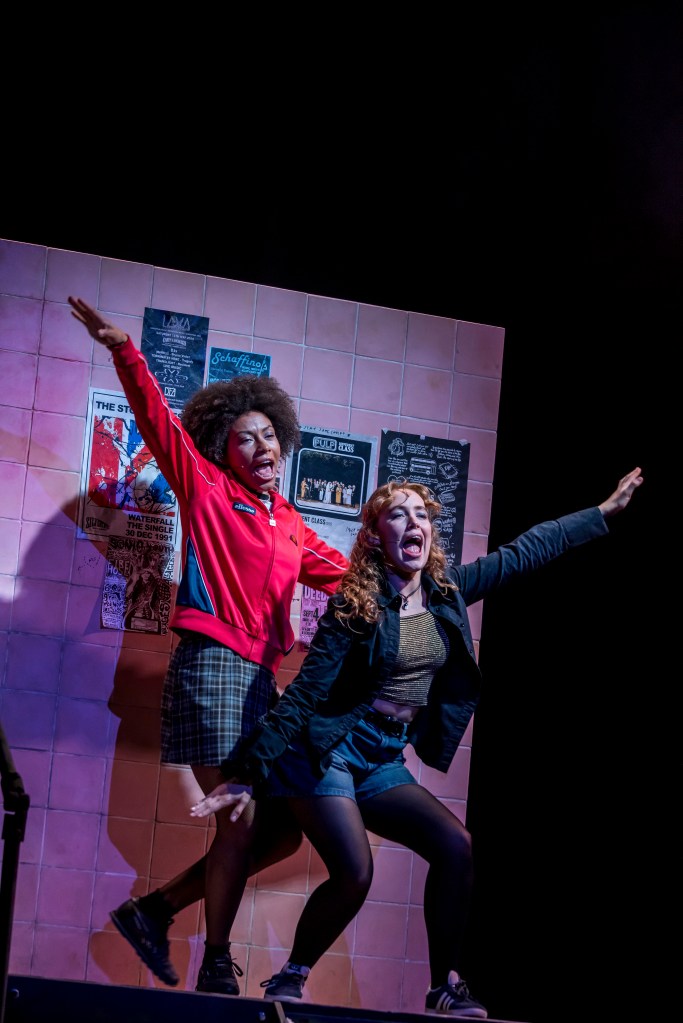
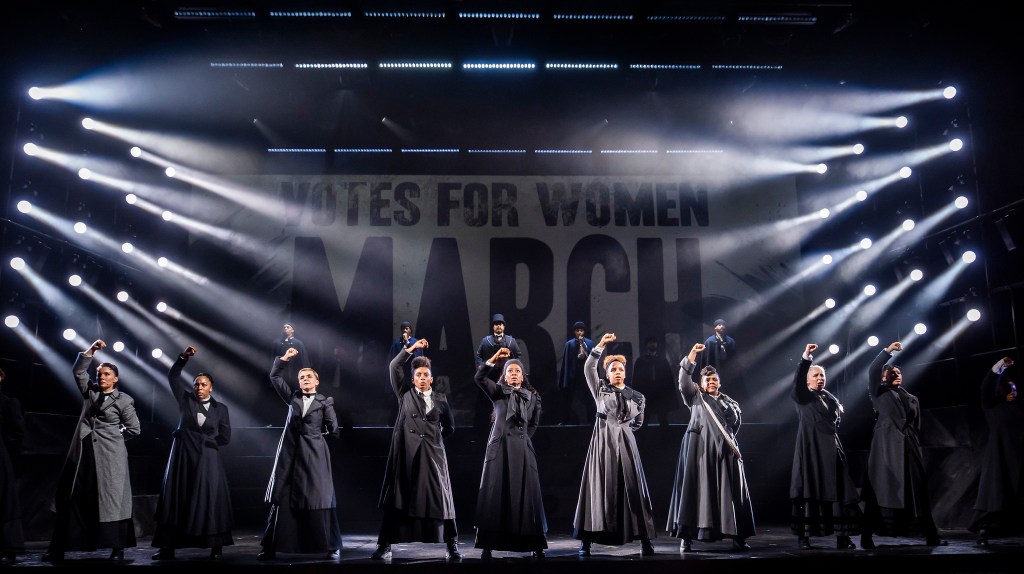
There’s a wonderful balance between vocal numbers like Stand Up that feel like a call to arms and the deeply poignant I Don’t Want Blood on My Hands adding depth and complexity to the storytelling. Taking this to the next level is Prince’s choreography which is used to incredibly dramatic effect, none more so than during March Women March/Be The Change at the close of Act 1 which brought me and many of the audience to tears.

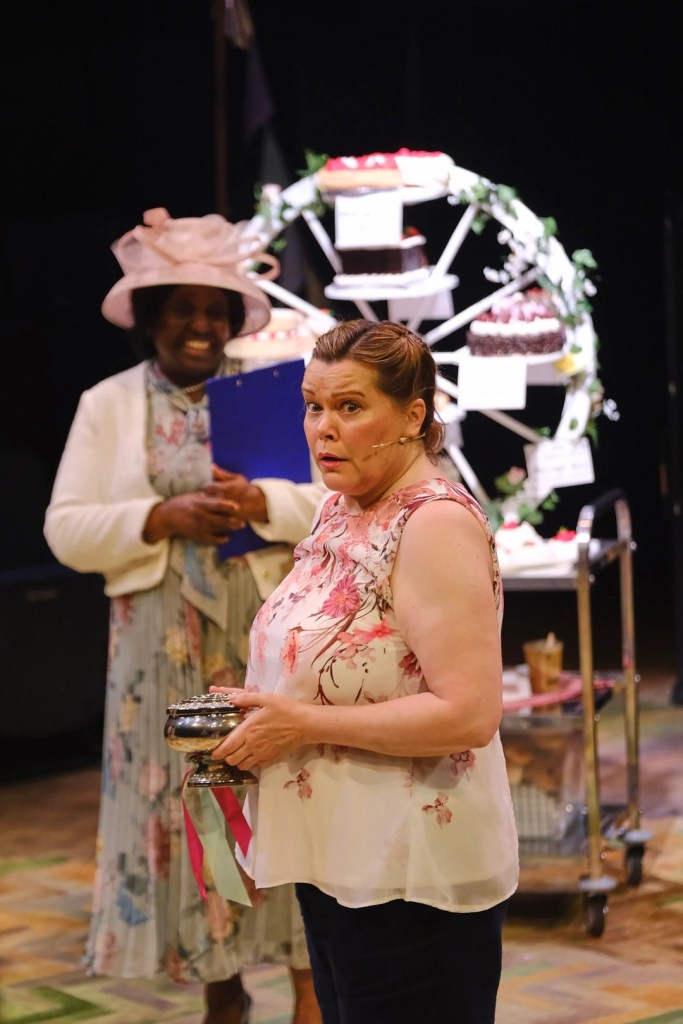
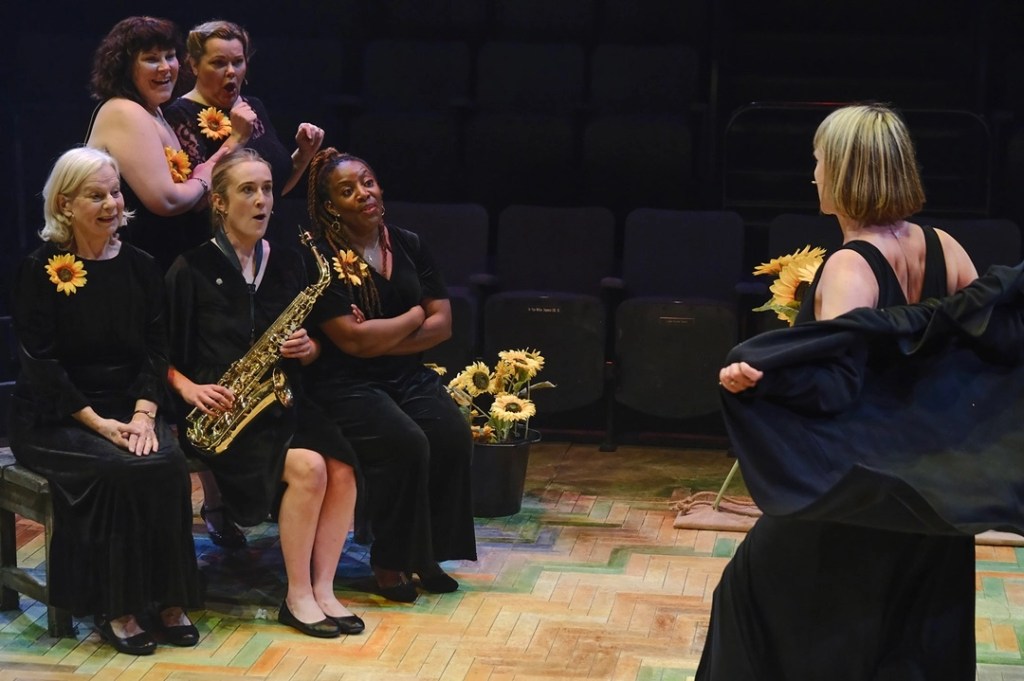
Ben Stones mostly monochrome set paired with Natasha Chivers and Hector Murray’s intentionally stark lighting allows the focus to stay firmly fixed on the characters as this politically charged story unfolds. Splashes of politically aligned colour appear as we move further into the timeline of the period adding clarity and broader character definition.
Sylvia is an absolute triumph, the cast are sublime while the production leaves you feeling, educated, entertained and empowered. Sylvia serves as a true reminder of the importance of standing up against injustice and inequality even when the path feels almost impossible. As a woman, from the North West I found the production deeply moving and a true reminder that we can all be changemakers. Inspirational, powerful and incredibly poignant, this is an absolute must-see.
Sylvia is on at The Lowry until Saturday 24th October tickets are available here.