The Spy Who Came in from the Cold

Reviewed by Matt Forrest

Opening Night verdict ⭐⭐⭐⭐

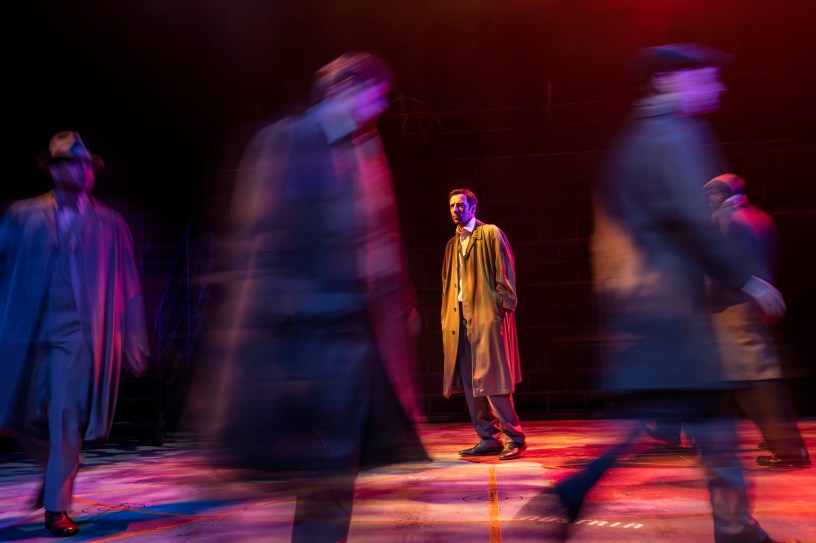
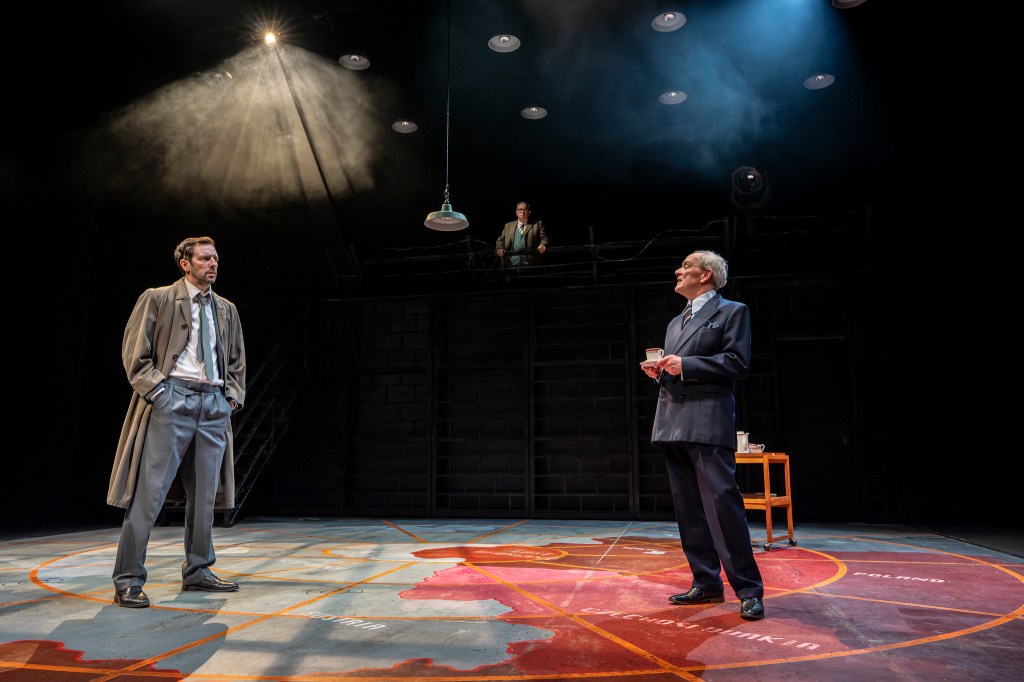
Adapting one of the most celebrated and admired novels of the twentieth century for the stage is a daunting challenge, but playwright David Eldridge has approached John le Carré’s The Spy Who Came in from the Cold with remarkable confidence and skill. It is easy to understand why it has taken so long for one of le Carré’s novels to make its way to the stage, as expectations from devoted fans were always going to be high. Thankfully, Eldridge, alongside director Jeremy Herrin and tour director Joe Lichtenstein, have risen to the challenge. Together they have brought this intelligent and suspenseful thriller vividly to life, preserving the novel’s atmosphere of intrigue while delivering a production filled with twists, turns, betrayals and double-crosses. The result is a gripping and compelling evening of theatre that does full justice to its acclaimed source material.

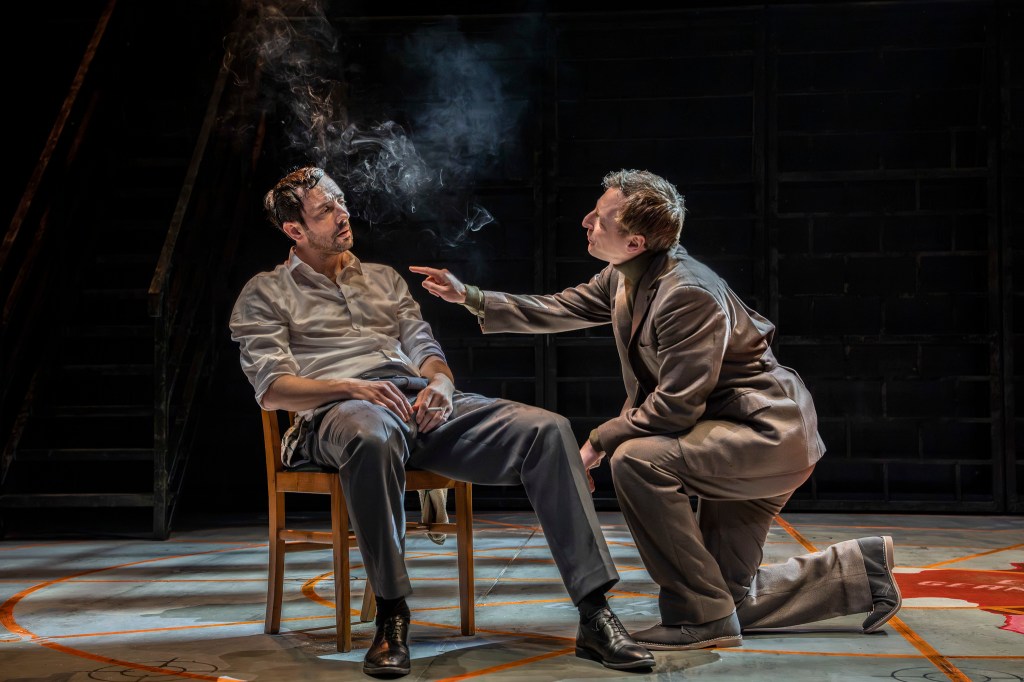
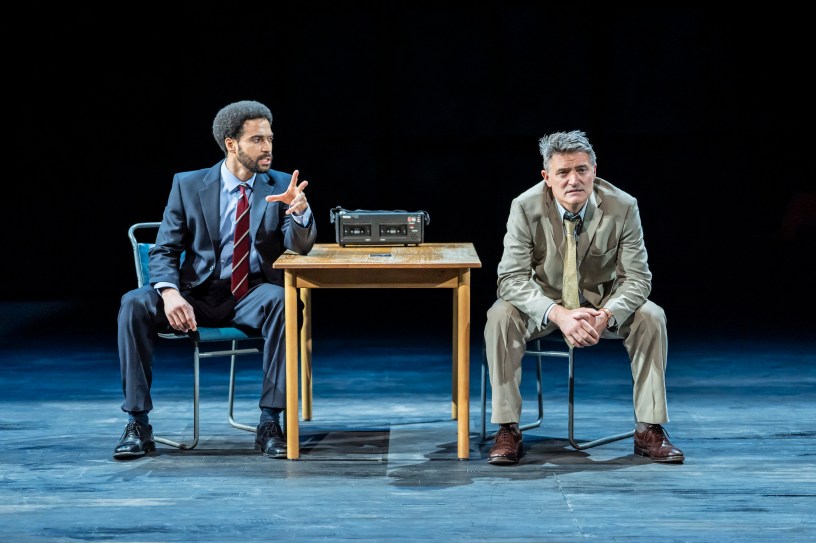
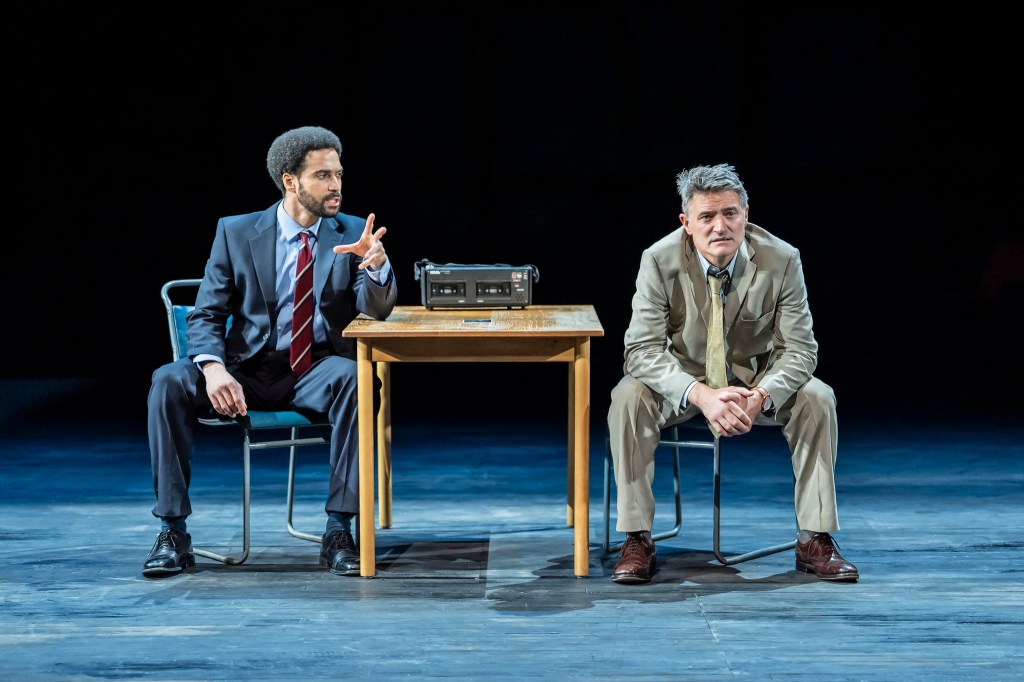
Set in 1963, with Cold War tensions between East and West at breaking point and the Berlin Wall still a recent and imposing symbol of division, the story introduces us to Alec Leamas (Ralf Little), a weary British intelligence officer preparing to leave Berlin and the dangerous world of espionage, following the death of his trusted agent and friend, Karl Riemeck (Jonny Burman). Instead of a quiet retirement Leamas is persuaded to undertake one final mission, lured by the promise of revenge against Hans-Dieter Mundt, (Peter Losasso) the ruthless East German intelligence officer responsible for Riemeck’s death.

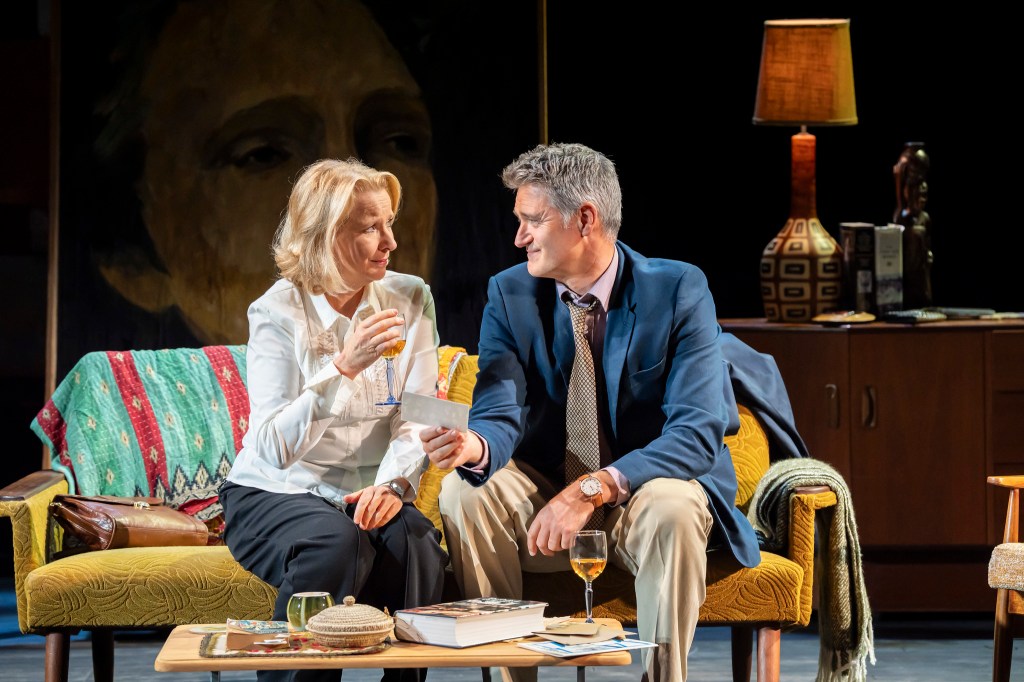
Hovering over the operation is the seemingly retired master spy George Smiley (Tony Turner), whose reputation and mentoring is ingrained in Leamas’s conscience throughout the mission. As his carefully constructed assignment unfolds, Leamas finds himself navigating an increasingly tangled web of deception, where every move appears to have been anticipated. Matters become even more complicated when he meets Liz Gold (Gráinne Dromgoole), a kind-hearted young Jewish Communist librarian whose growing affection for Leamas offers him a glimpse of a life beyond espionage.

As Leamas begins to question not only who he can trust but also the morality of the organisation he has served so loyally. He desperately tries to stay one step ahead of the lies, manipulation and betrayal in the hope of getting out alive.

Despite an opening that is perhaps a little too reliant on exposition, the script soon finds its rhythm, navigating the novel’s intricate plot with clarity. At the heart of the production is a superb performance from Ralf Little as Alec Leamas. Little brings real depth to the role, portraying the veteran spy with an air of paranoia, cynicism and emotional fatigue, while never losing sight of the resilience and unwavering sense of duty that define the character. He also finds moments of dry humour that puncture the tension and provide welcome flashes of levity, although one comedic moment towards the conclusion feels slightly out of place and doesn’t quite land.

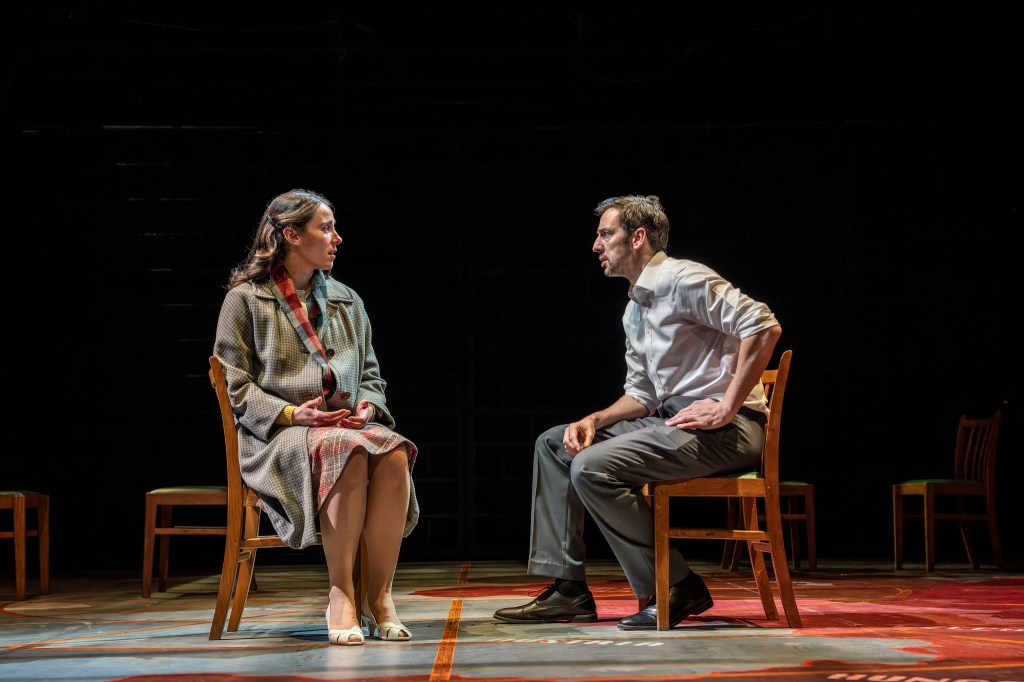
The relationship between Leamas and Liz Gold forms the emotional core of the production, and the chemistry between Little and Gráinne Dromgoole ensures the audience remains fully invested in their growing connection. Dromgoole is equally impressive, portraying Liz as a compassionate, idealistic and quietly courageous young woman who becomes an unwitting pawn in a dangerous game of political manipulation. Her warmth provides a striking contrast to Leamas’ hardened exterior, making their relationship all the more poignant.

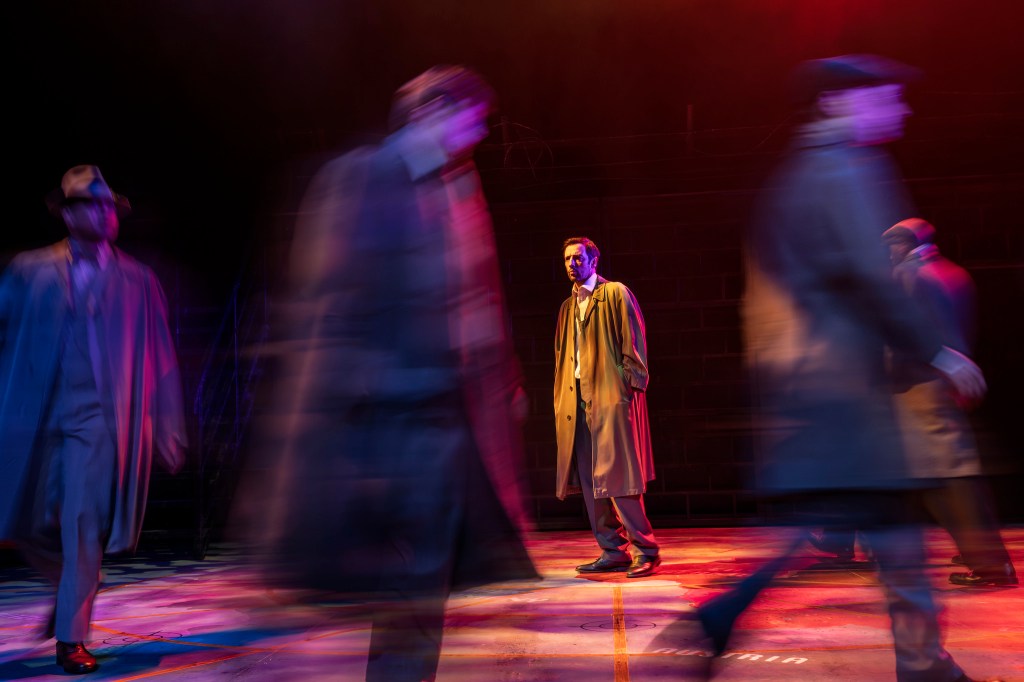
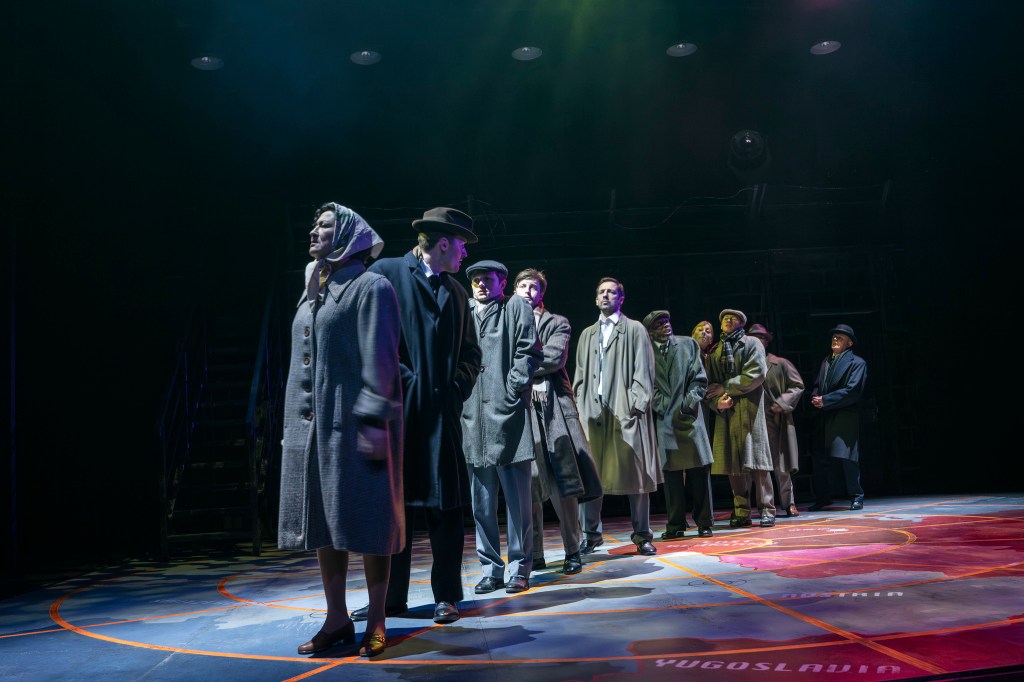
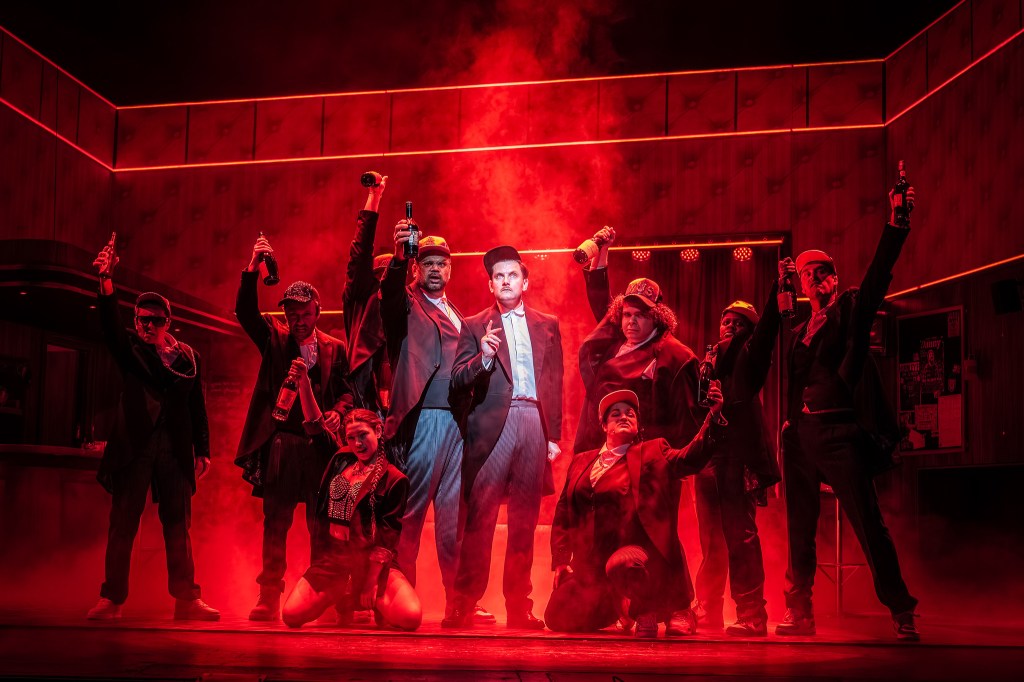
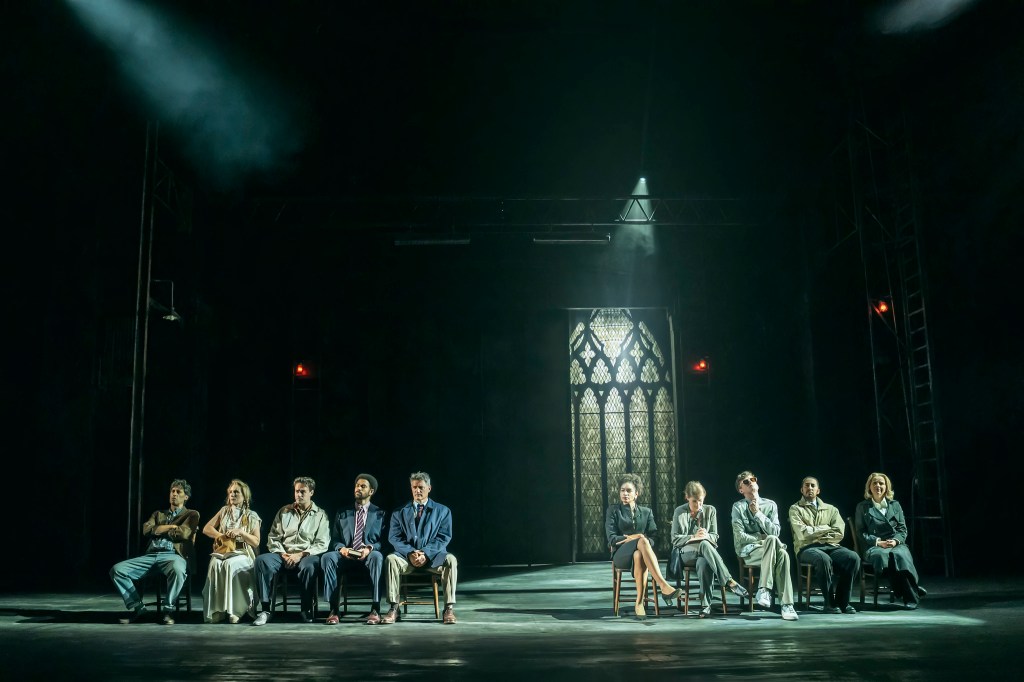
Despite the vast scale of the Lyric Theatre stage, production designer Max Jones creates a world that feels remarkably claustrophobic and oppressive. Through a minimalist set, cleverly configured to suggest multiple locations, the production evokes the suffocating atmosphere of Cold War Berlin with impressive economy. Paul Englishby’s haunting, noir-inspired score heightens the sense of unease throughout, while Azusa Ono’s atmospheric lighting design makes striking use of shadow and darkness to reinforce the themes of secrecy, surveillance and deception. It is a perfect example of the old adage that less is more, with every design element working in harmony to immerse the audience in le Carré’s morally ambiguous world.

As expected in a Cold War thriller, moments of violence are inevitable. Though used sparingly, they are impactful, uncomfortable and gripping, adding to the production’s realism rather than feeling gratuitous. Expertly choreographed by fight director Salvatore Sorce, they leave a lasting impression.

This is a well-crafted and faithful adaptation that captures the spirit of le Carré’s novel and keeps the audience engaged from the very beginning. It is refreshing to see a literary adaptation make such a successful transition to the stage. A must-see for devoted le Carré fans, it also serves as an excellent introduction for newcomers to his work.

The Spy Who Came in from the Cold is at the Lowry until 25th July tickets are available here.

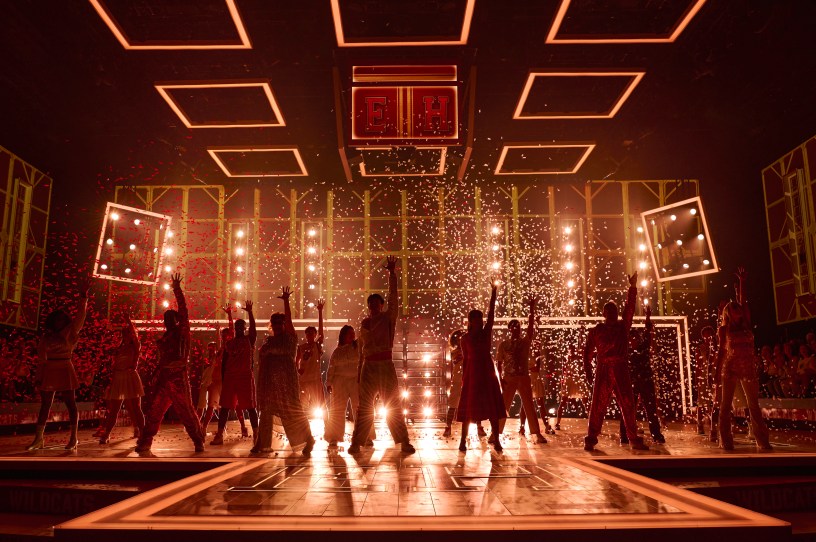
Something Rotten!

Reviewed by Matt Forrest

Opening Night verdict ⭐️⭐️⭐️⭐️

There’s something rotten in Manchester. Usually, that phrase would be more at home describing the city’s famously miserable weather, but on one of the hottest days ever recorded in the UK, the culprit is something altogether more entertaining.

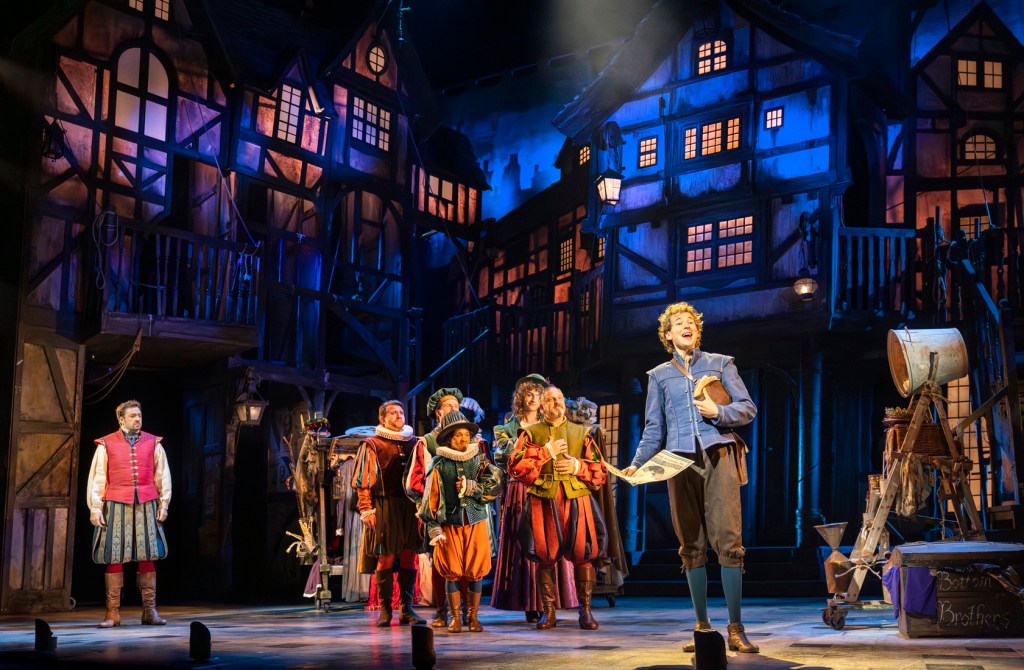
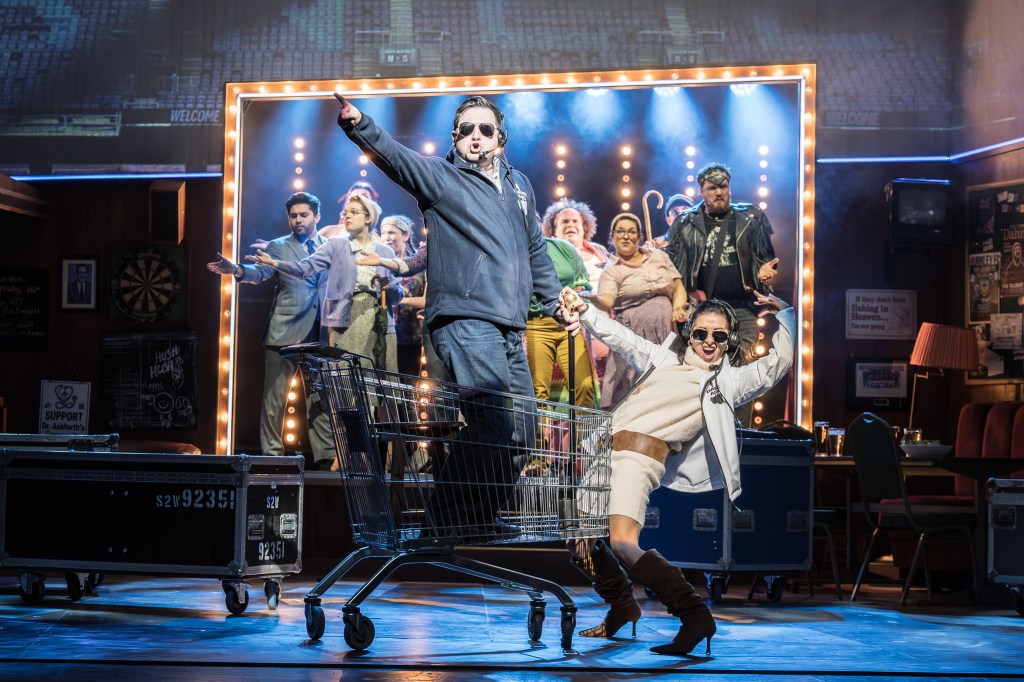
The source of this particular rot is Something Rotten!, the award-winning Broadway smash hit making its UK premiere in Manchester. Packed with razor-sharp wit, infectious musical numbers and a gleeful irreverence towards Shakespeare, the production arrives with lofty expectations,and comfortably clears them, setting the bar(d) impressively high from the outset.

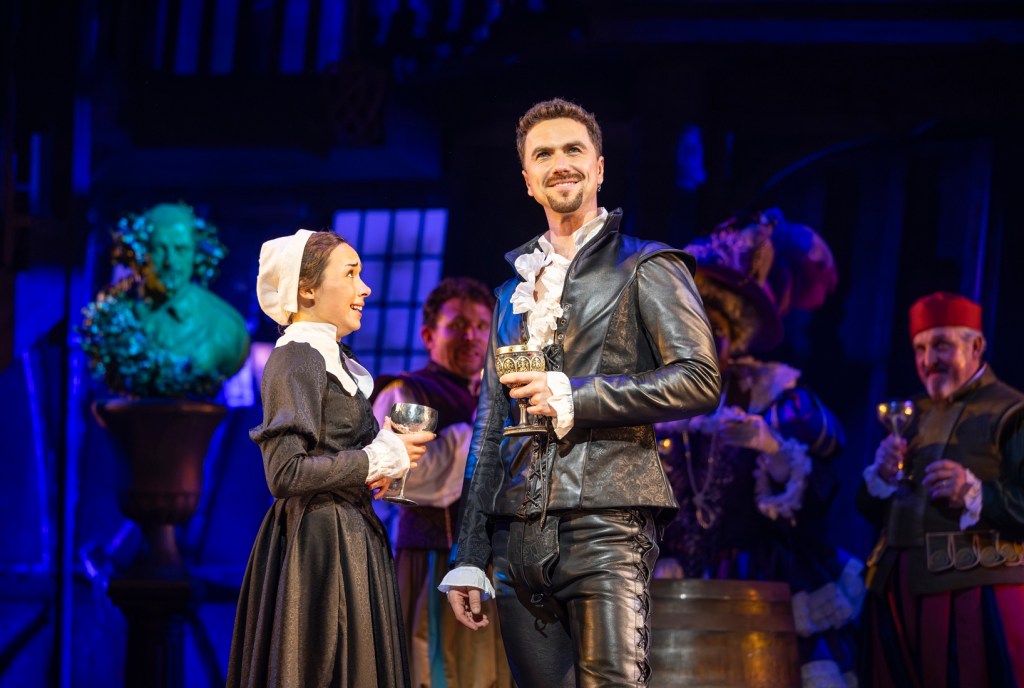
Set in 1590s London, the story follows brothers Nick Bottom (Jason Manford) and Nigel Bottom (Cassius Hackforth), who run a struggling theatre company and are desperately searching for their next hit. Unlike most sibling partnerships in showbusiness, the Bottom brothers actually get along remarkably well. Their only real point of contention is the megastar, A-list celebrity and rival playwright William Shakespeare (Richard Fleeshman). Nigel idolises the Bard, while Nick can barely conceal his contempt.

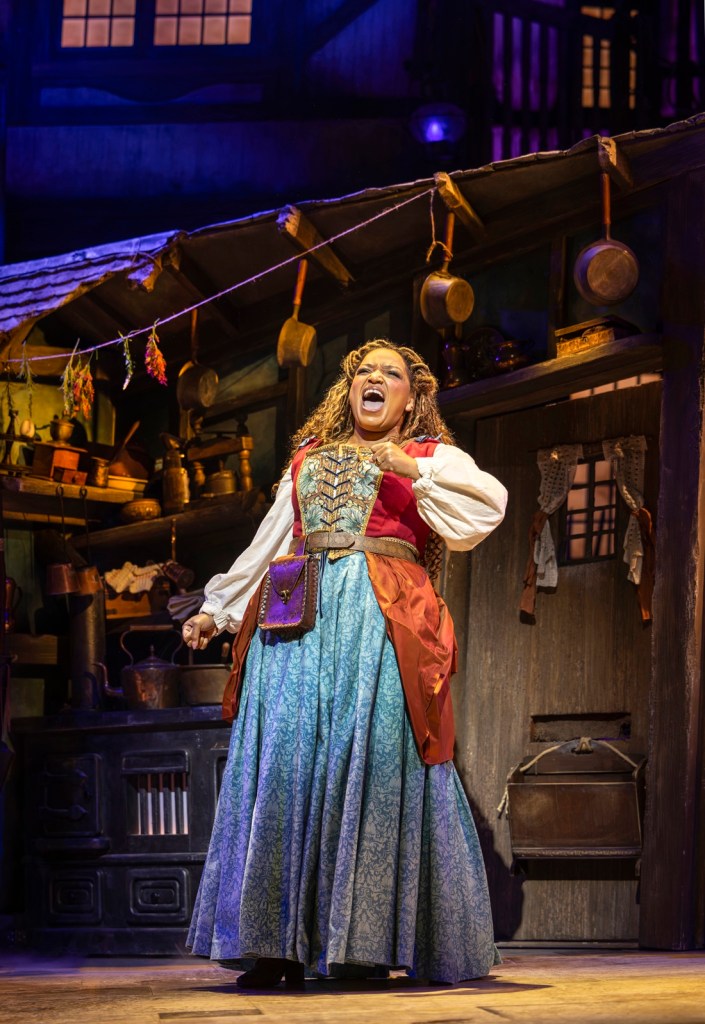
As financial pressures mount, Nick becomes increasingly desperate. Determined to secure a future for his ever-supportive wife Bea (Marisha Wallace), and realise their dream of owning a cottage big enough to start a family, whilst perhaps most importantly taking the spotlight from Shakespeare, he turns to increasingly unconventional methods in pursuit of theatrical success. But can his bold vision of introducing music and song into theatre really become the next big thing, and what will it cost him along the way?

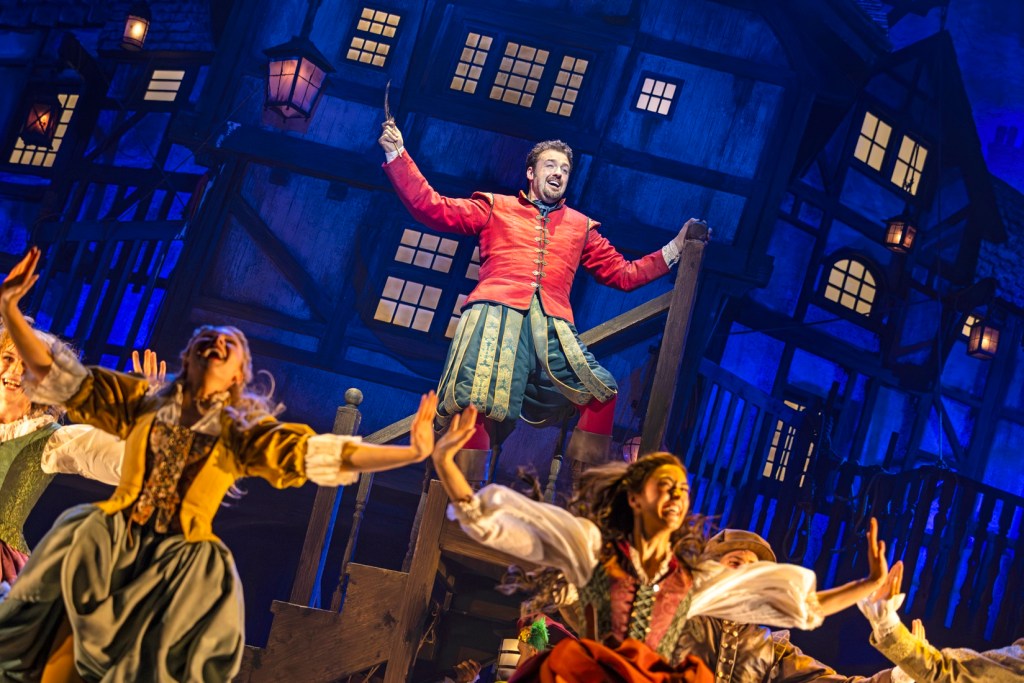
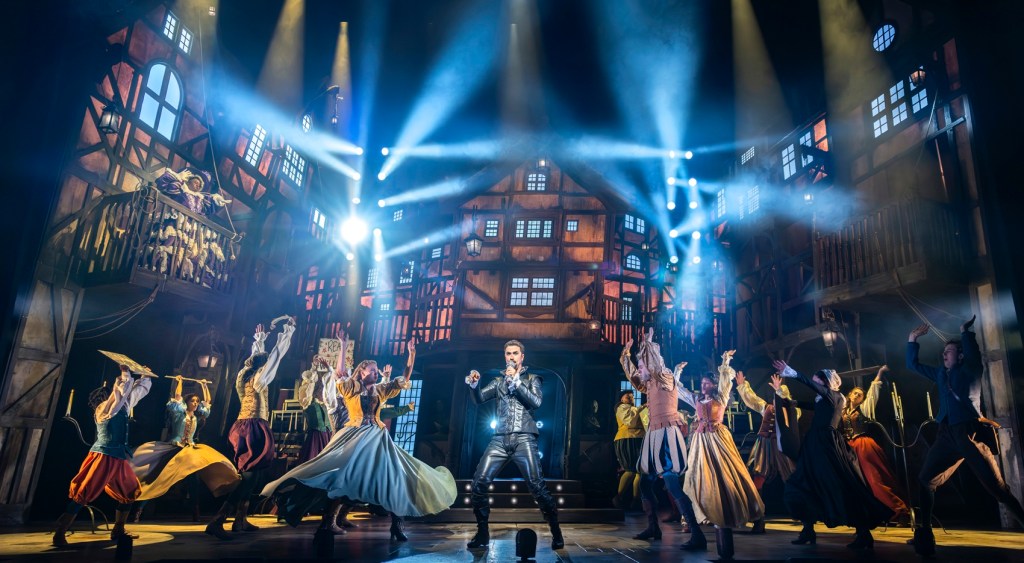
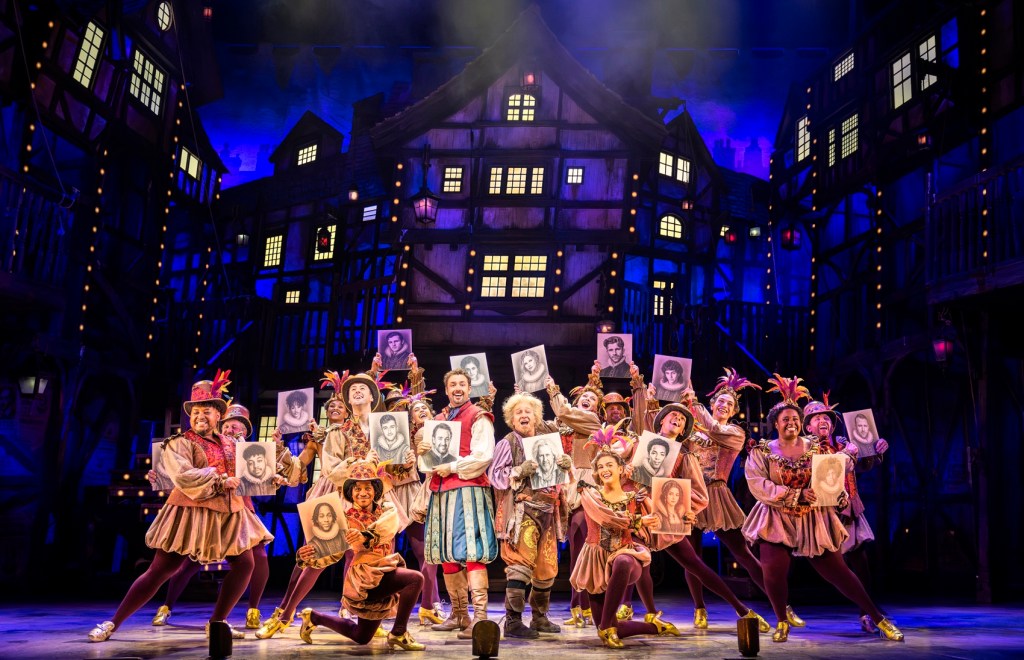
This production is tremendously fun, absurd, ridiculous, and consistently entertaining. John O’Farrell’s book, combined with the songs by brothers Wayne and Karey Kirkpatrick, creates a witty and joyous love letter to musical theatre while delivering a sharp satire of celebrity culture. Standout numbers include the spectacular ensemble piece A Musical and the delightfully silly Make An Omlette, just two highlights in a score packed with memorable moments.

The cast are in excellent form. Jason Manford is, as ever, a dependable leading man, once again showcasing his impressive vocals and impeccable comic timing. Richard Fleeshman is clearly having an absolute blast as the egotistical playwright, portraying him as a gloriously pompous rock star. He has superb vocals, on the wonderfully ludicrous Will Power and the Queen-inspired Hard to Be the Bard, once again providing another highlight.

Broadway star Marisha Wallace is excellent, if somewhat underused, as Bea. The role provides ample opportunity to showcase her exceptional vocals and natural gift for comedy, leaving you only wishing she had more stage time. Corey English is a delight as Nostradamus, delivering a scene-stealing performance, with his contribution to the aforementioned A Musical alone worth the price of admission.

Meanwhile, Cassius Hackforth has the unenviable task of playing perhaps the closest thing the show has to a level-headed presence. As the insecure yet immensely talented Nigel, he brings warmth, sincerity and likeability to the role, providing the perfect foil to the larger-than-life characters around him. 

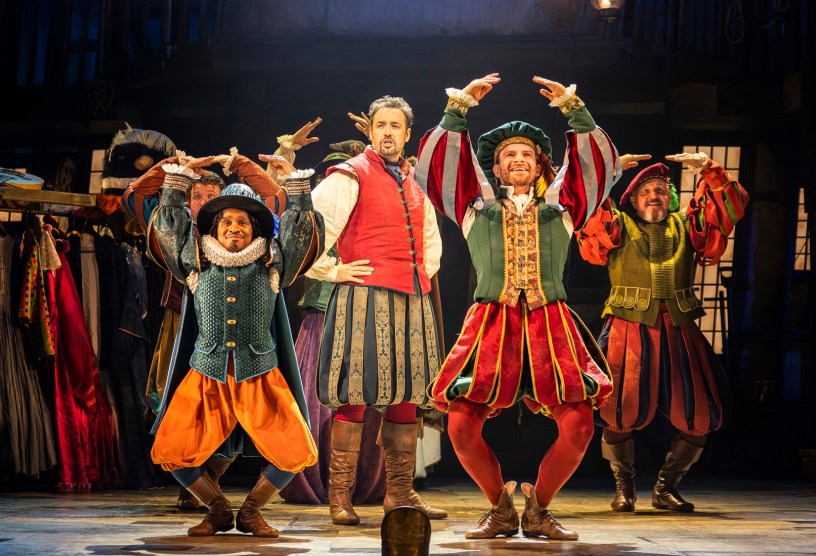
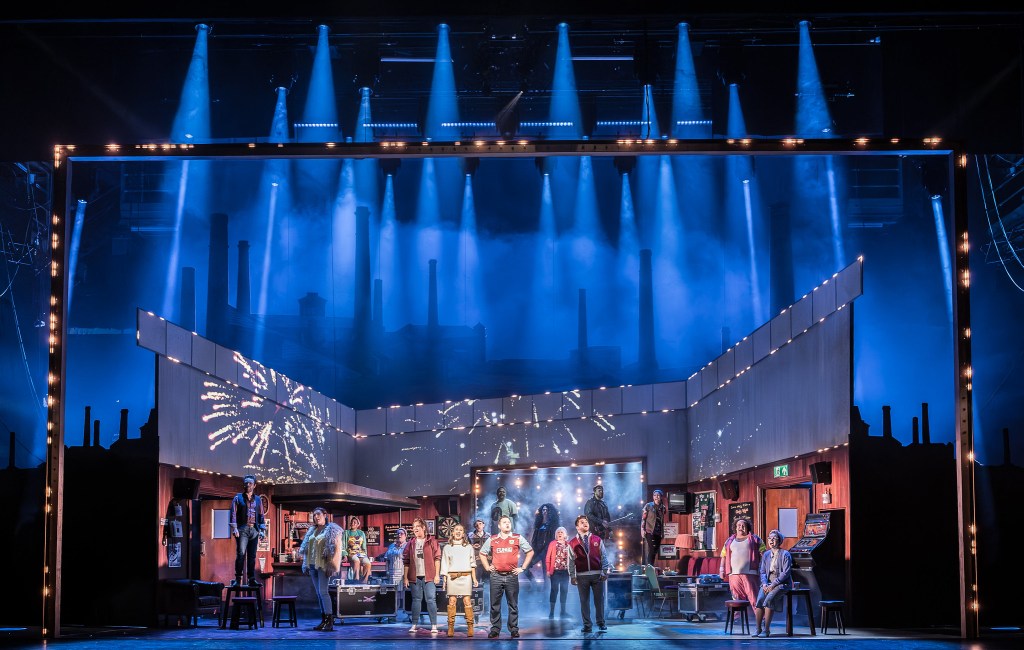
The show boasts impressive production values throughout. Director and choreographer Tim Jackson delivers a series of superbly staged and choreographed song-and-dance numbers that burst with energy and spectacle. Colin Richmond’s set design perfectly captures the grime and atmosphere of Elizabethan London, creating an impressively detailed version that serves as a fitting backdrop to the action.

Completing the visual feast are Rebecca Brower’s bold and vibrant costume designs, which provide the perfect finishing touch. Their bright, flamboyant style complements the show’s larger-than-life personality and reinforces its gloriously unapologetic, in-your-face sense of fun.

This is escapist theatre at its finest, a joyous production that will leave you grinning from start to finish (and craving an omelette). As Shakespeare famously wrote, “If music be the food of love, play on”; and this show serves up a banquet of music, laughter and pure entertainment. I would wholeheartedly recommend tucking into this giant musical feast while it’s in Manchester.

Something Rotten! is on at Manchester Opera House until 19th July. Tickets available here.

Bank of Dave the Musical

Reviewed by Nikki Cotter

Opening Night verdict ⭐⭐⭐⭐

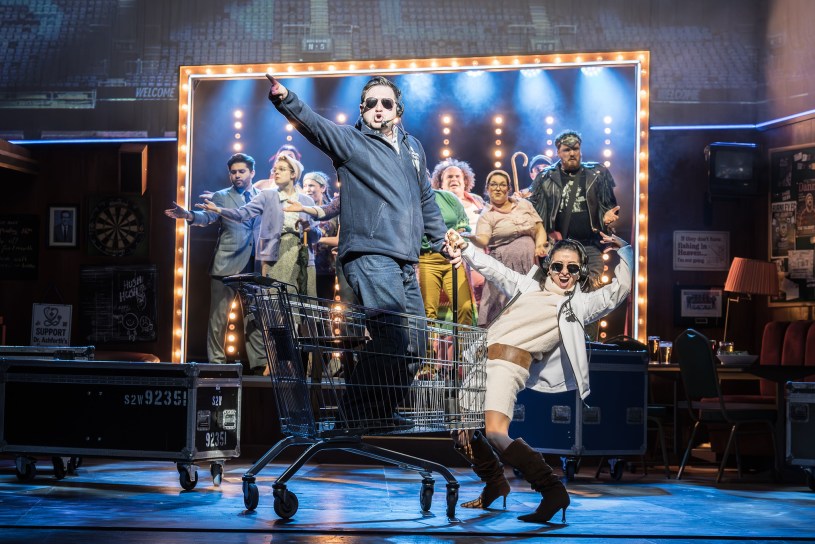
Dave Fishwick is no ordinary man, having left school aged 16 with no qualifications, he defied the odds to become a self-made millionaire through pure grit, hard work and steely determination. After inspiring two Netflix films, a best-selling book, and a BAFTA-winning documentary, the story of Burnley’s favourite community champion is now taking to the Lowry stage in Bank of Dave the Musical.

With a book and lyrics by Rob Madge (My Son’s a Queer (But What Can You Do?)), music and lyrics by Pippa Cleary (The Great British Bake Off Musical), and direction by Leicester Curve’s Artistic Director Nikolai Foster (Kinky Boots, A Chorus Line), Dave Fishwick’s story is in very good hands. At its heart the show follows Dave’s mission to establish Burnley Savings and Loans, an alternative banking offering for the local community who have been failed by traditional corporations. Dave’s defiant stand against the big financial hitters offers an irresistibly inspiring, underdog story making it perfectly suited for dramatisation.

Taking on the larger-than-life role of Dave is a hugely impressive Sam Lupton. Lupton superbly embodies the Burnley entrepreneur, balancing steely determination with undeniable charm. Lupton portrays Fishwick’s infectious optimism with a genuine warmth and sincerity, ensuring you’re rooting for him wholeheartedly from the start. His pairing with Hayley Tamaddon as Nicky, Dave’s wife works wonderfully. There’s a genuine chemistry adding authenticity to the piece as we see their unshakable foundation encourage and support Dave every step of the way while their vocals are perfection.

Lucca Chadwick-Patel gives a sensational performance as Dave’s Solicitor Hugh, a Southern fish out of water who goes on his own journey of self-discovery. His partnership with Lauryn Redding as no nonsense A&E Doctor Alex adds another interesting layer to this feel-good story. While Redding gives an excellent performance with vocals to die for, I’d love to see a tweak to the writing with Dr Alex staying fierce but with a little more nuance to the character.

Special mention must go to Samuel Homes whose characterisation as super toff Sir Charles Denbigh is outstanding. His delivery of hilarious number Rich Boys Club is as deliciously vulgar as you’d hope for. Claire Moore as landlady Maureen brings both playfulness and emotional depth to the piece while Hannah Nuttall’s comedic timing as Mavis is a joy.

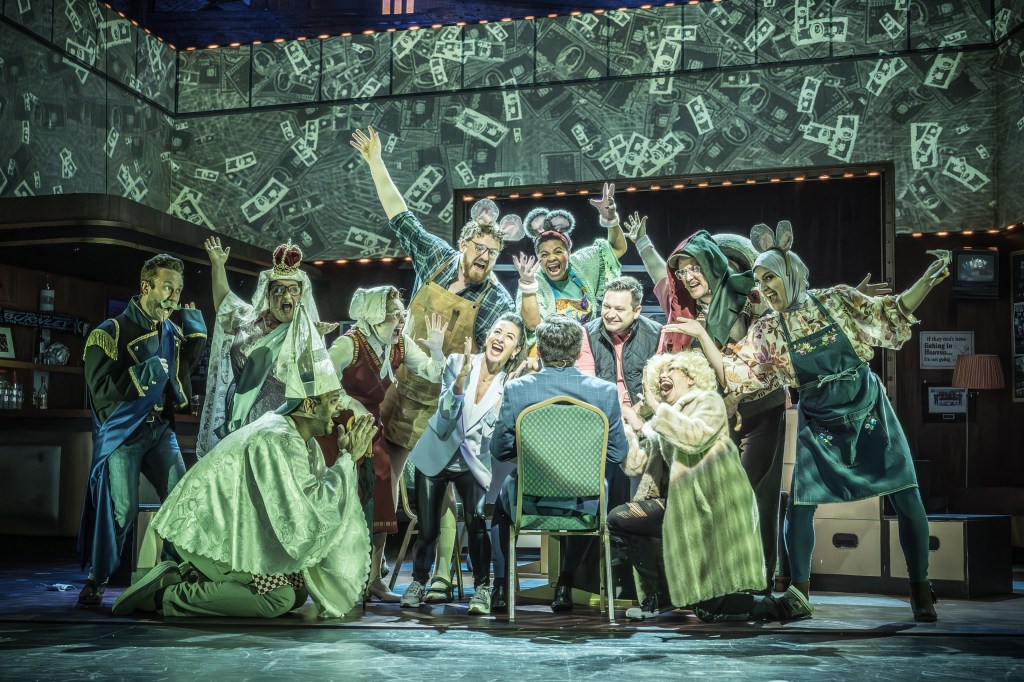
The immensely talented ensemble takes on multiple roles throughout, collectively creating a community the audience very quickly cares about. Vocally they will blow your socks off, with large-scale stirring numbers capturing the true spirit of working-class solidarity. Can You Hear The Mill? being the perfect example of this, leading us into the interval in the most song-tingling way.

Amy Jane Cook’s set and costume design anchors the production beautifully while video design from Duncan McLean elevates it visually. Musical Supervisor Toby Higgins and Orchestrator Tom Curran ensure Pippa Cleary’s melodic score is perfectly executed.

Witty wordplay flows throughout this production ensuring the storytelling both engages and entertains, there is so much to love here and the thunderous standing ovation at curtain calls confirms this. The pacing is good with just a few moments where things could perhaps feel even sharper, this however is a minor quibble for an enormously entertaining show.

With its proud Northern heart on full display, The Bank of Dave is an uplifting, laugh-out-loud triumph that radiates pure joy. This feel-good underdog story is a true celebration of community, determination and an inspiring reminder of what can be achieved when we truly believe in both ourselves and each other.

Bank of Dave the Musical is on at The Lowry until Saturday 16th May tickets are available here.

The Boy at the Back of the Class

Reviewed by Gill and Stan Selkirk

Opening Night verdict ⭐️⭐️⭐️⭐️⭐️

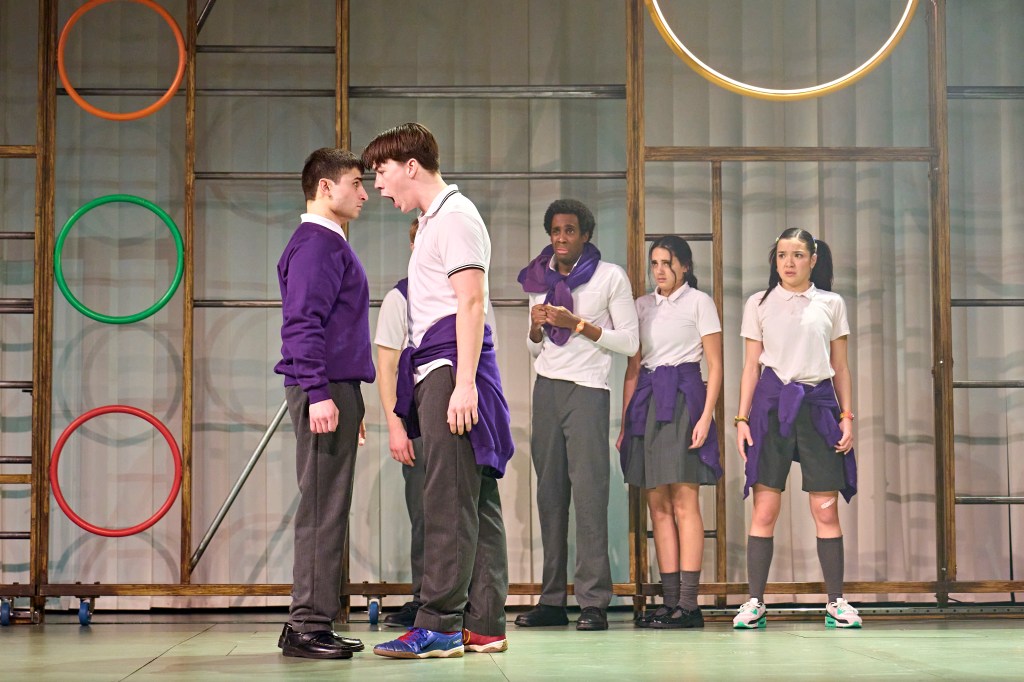
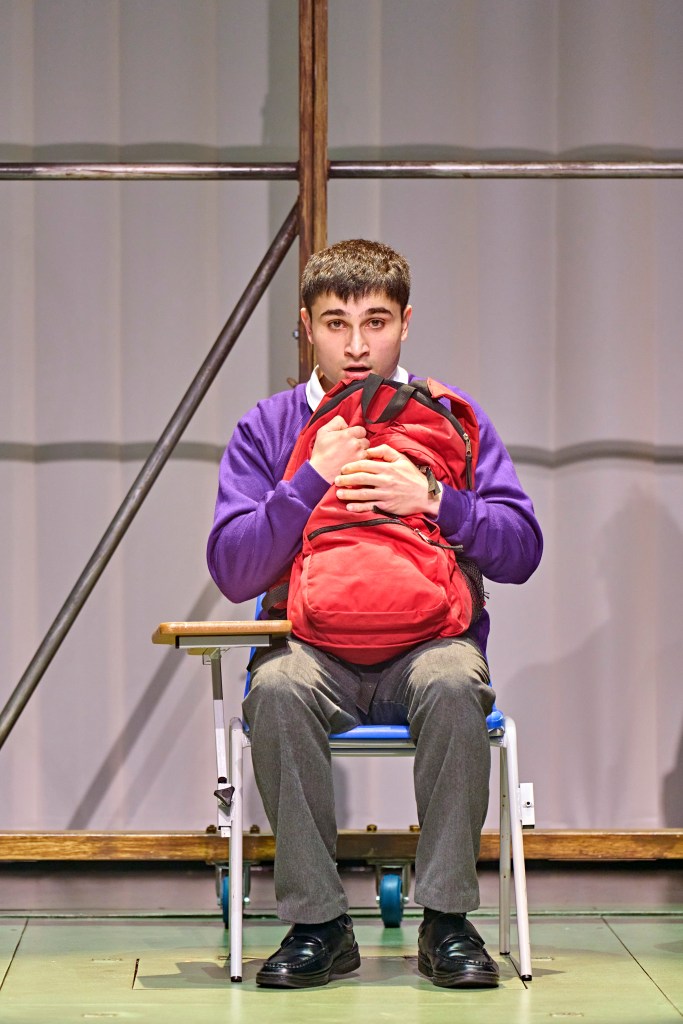
The Boy at the Back of the Class is a well-loved book for many school children. This award-winning book by Onjali Q. Raúf has been adapted by Nick Ahar and is now a 2026 Oliver Award-winning stage show. It tells the story of Ahmet, a refugee boy from Syria. Even though the book is aimed at children this play can absolutely be enjoyed by all ages.

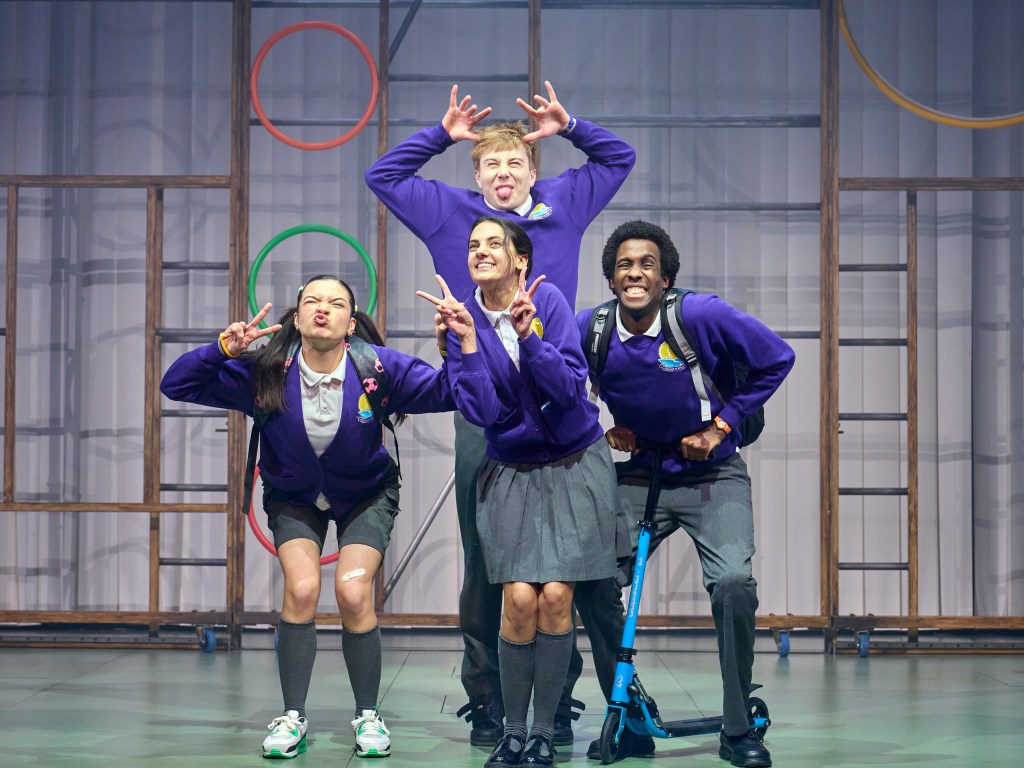
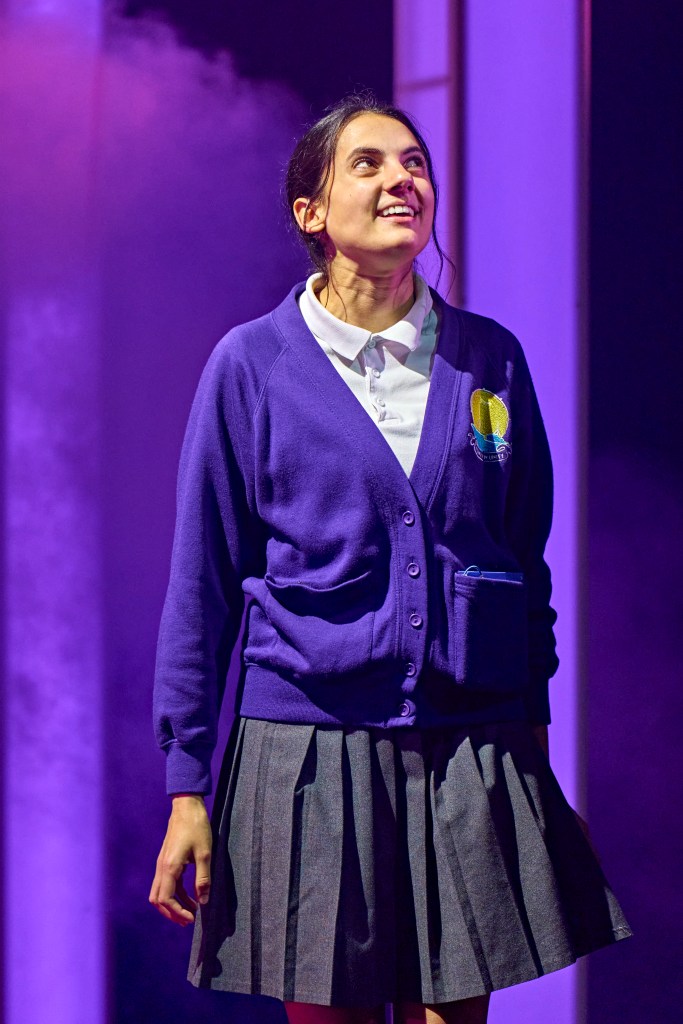
We follow Ahmet played by Serkan Avlik as he tries to settle into his new school in a different country. He is welcomed by a very caring girl called Alexa played by Sasha Desouza-Willock and her friends “The A Team” as they try and help this new boy, who sits quietly at the back of the class. They learn he is a refugee, which is a word they are not familiar with, after learning more about his heartbreaking situation they make it their mission to help reunite Ahmet with his family.

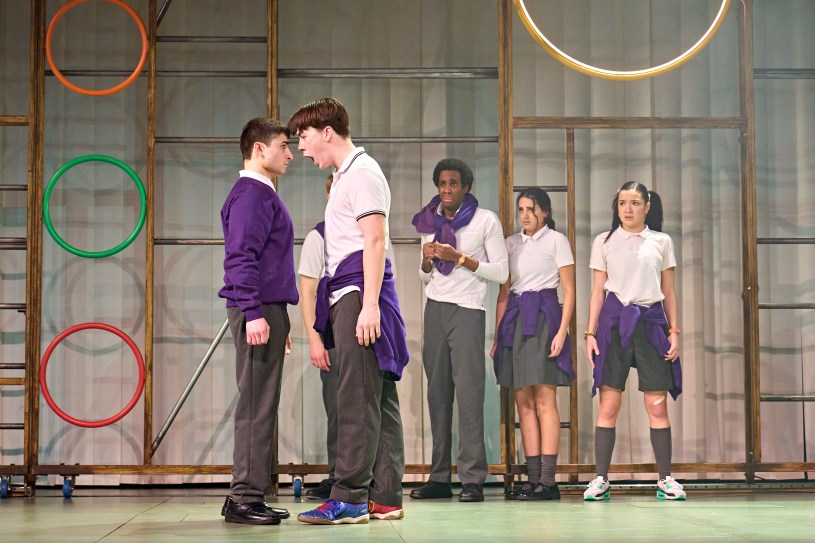
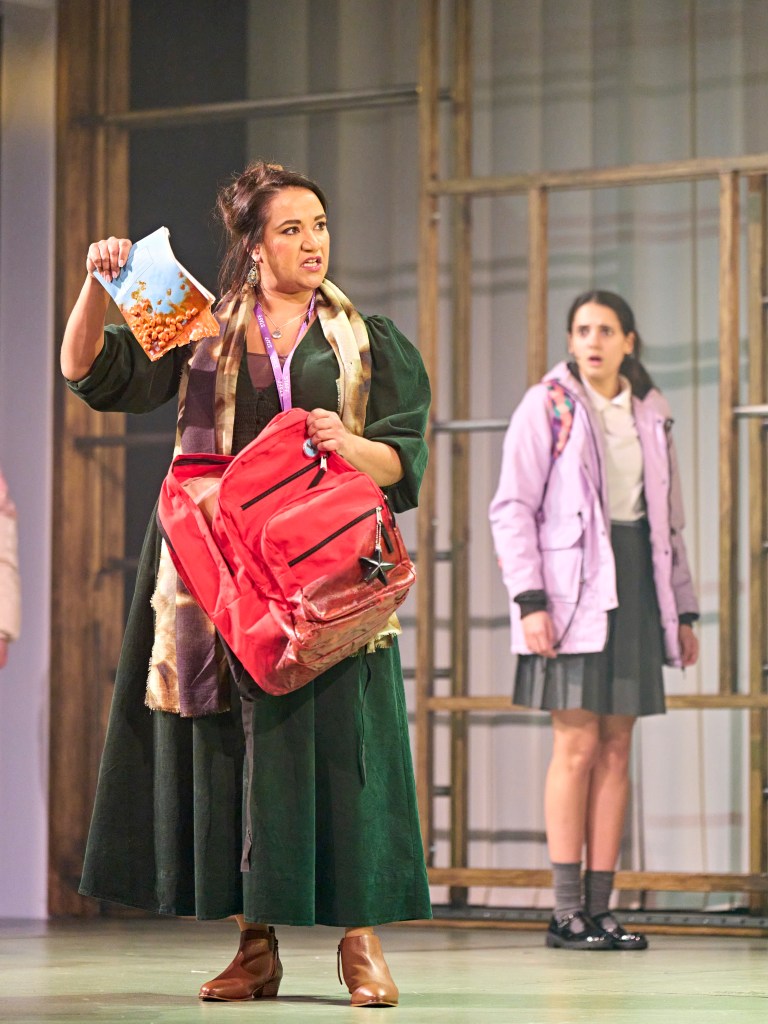
Despite most of the children being welcoming and trying to find ways around the language barrier using games and sharing snacks, Ahmet still must deal with awful treatment from the school bully Brendan played by Max Jordan, some of the parents, and even a teacher.

The story is told through the children’s eyes. Which gives it a refreshing innocence. It challenges why things are accepted by so many in the current world we live in. At no point during this production did I feel it had been dumbed down for children. 

It manages to be accessible, thought provoking and interesting for all. Even with the difficult topic the creators still managed to include plenty of giggles for all the audience. More political moments, are handled well and clearly show the responsibility politicians and the press have in how they portray refugees. 

The brilliantly talented cast are played by adults which works extremely well. Together as the friends Alexa, Michael, Josie and Tom all provide plenty of humour without losing the more serious message in the story. Alexa is also our narrator, she does this with a child’s innocence but allows her incredible determination for justice to shine through as she switches from directly addressing the audience back to the story seamlessly, fidgeting throughout, like many 9-year-old children but then can switch to play the adult characters perfectly.

Jonny Walker is the over-enthusiastic American Tom, who is full of energy and positivity, even managing to continue his performance upside down exercising. Natasha Lewis plays Mum and Mrs Khan, she does this brilliantly with care and compassion being the sort of teacher we all would want. 

Petra Joan-Athene plays star-crazy friend Josie, as well as some of the adult roles, easily switching between her many personas. Serkan Avlik plays Ahmet, our title character in such a way we instantly warm to him, and we are all in his corner, his sadness and fear at the beginning is all-encompassing but we slowly see him become a happier and more confident person as the show goes on. 

Direction by Monique Touko ensures the energetic pace means the audience attention is held throughout thanks to this well told story; incorporating Ahmet talking to the audience making us feel like we are even more invested in the outcome of this story, we see the situation through his eyes and the genuine struggle of many refugees, allowing us to see them as individuals with their own stories rather than the way they are shown often in the media. 

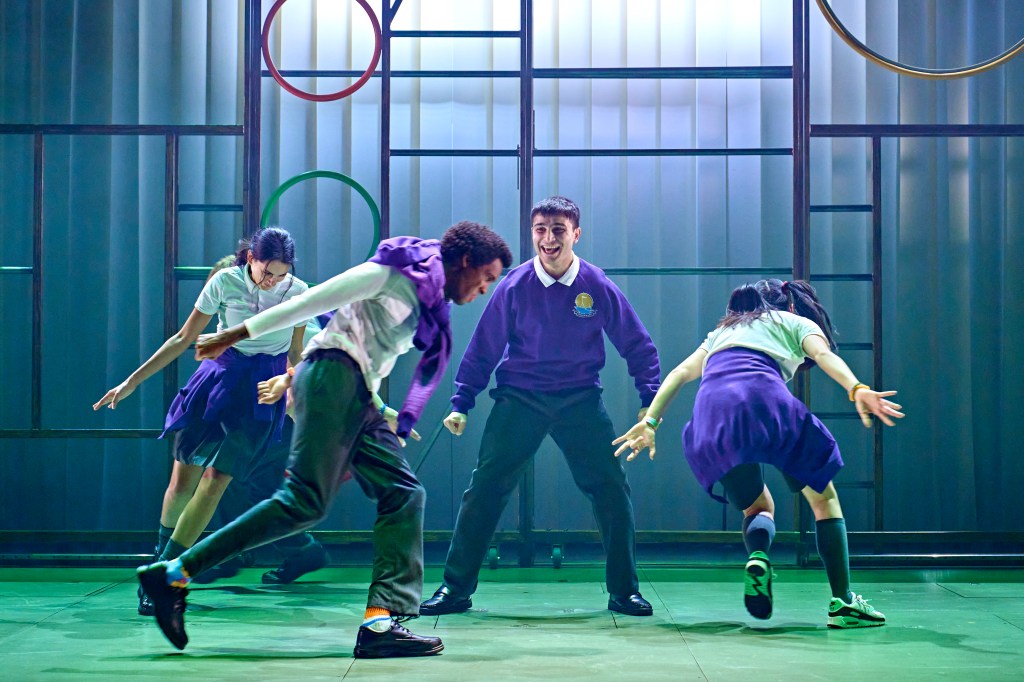
Set design is by Lilly Arnold and adds wonderfully to the storytelling. The backdrop is the kind of PE apparatus that many school children still know and adults remember. This backdrop is easily adaptable, making way for many scenes and works incredibly well along with some great sound effects even transforming to the gates of Buckingham Palace as well as the classroom.

Nick Ahad’s stage adaptation of this best-selling novel has been done beautifully. It manages to be funny and incredibly moving (tissues needed at the end) and portrays such a difficult subject with humanity.

Stan Selkirk – aged 10

I saw The Boy at the Back of the Class at The Lowry and I really enjoyed it. Some bits were funny and made everyone laugh, but other parts were serious and made me feel a bit sad for Ahmet. It taught me a lot about refugees and how hard life can be for them, and it also showed how important it is to stand up to bullying.

The show made me think about how even small acts of kindness can help someone. I liked how the kids in the story tried to help instead of just talking about it. Even though I don’t think I could travel to Buckingham Palace I always try and be kind and help others and I hope as I get older, I can do this more to change the way people treat refugees like Ahmet.

The whole show was produced well – the acting, the set, everything. When it finished, I felt like I’d learned something important and I kept thinking about it afterwards.

We talked about it driving home last night and all thought things need to change, and we all need to be part of this. I learnt that we shouldn’t worry about asking questions and what words mean to help us understand and change things for the better, I hope I can do this more as I get older. 

The Boy at the Back of the Class is on at The Lowry until Saturday 18th April tickets and further information are available here.

Ballet Black at 25

Reviewed by Maddie Shimwell

Opening Night verdict ⭐️⭐️⭐️⭐️⭐️

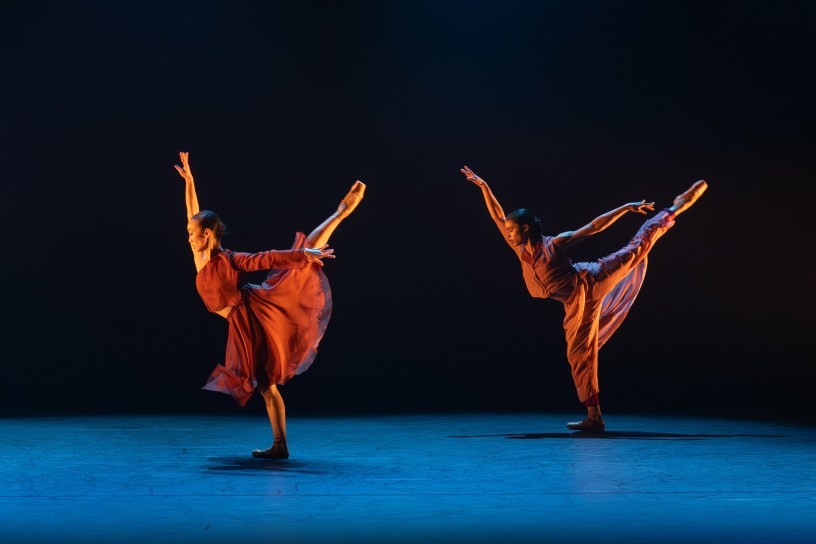
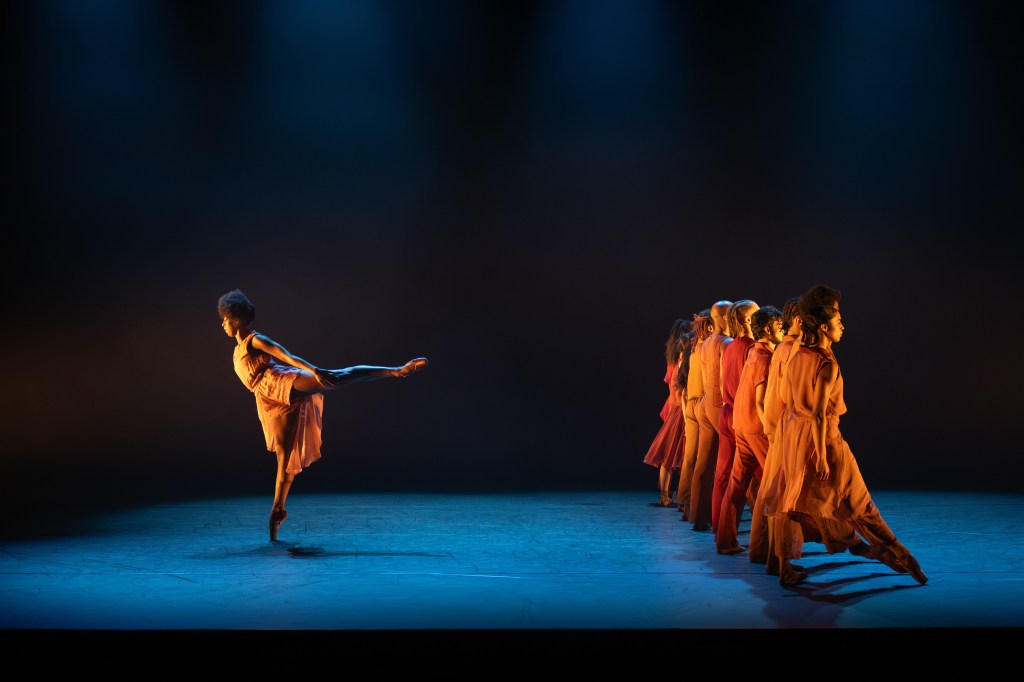
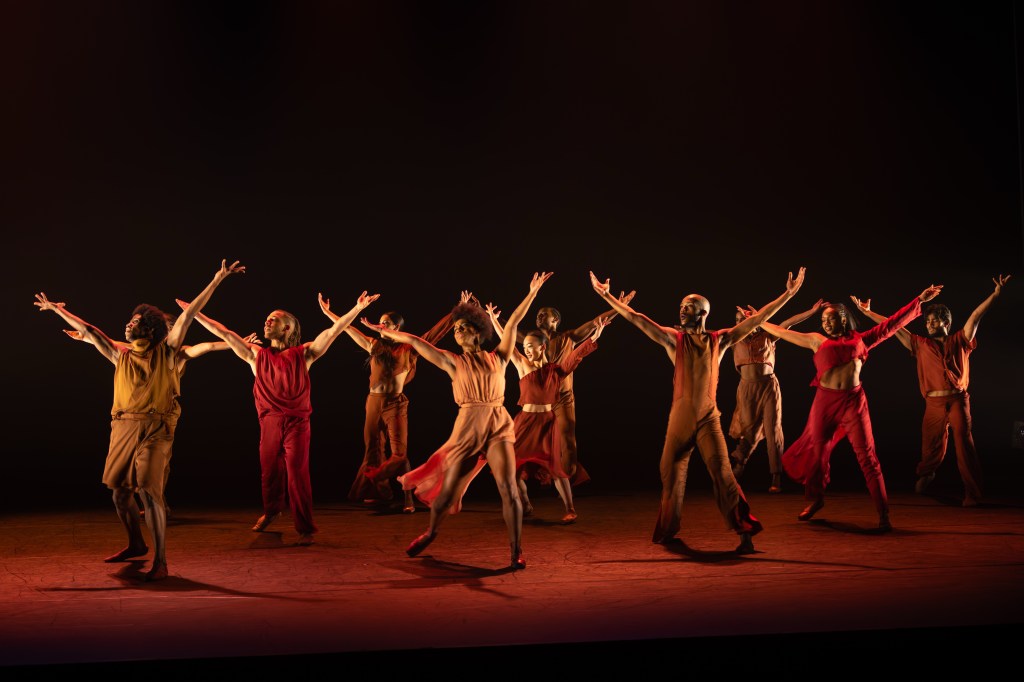
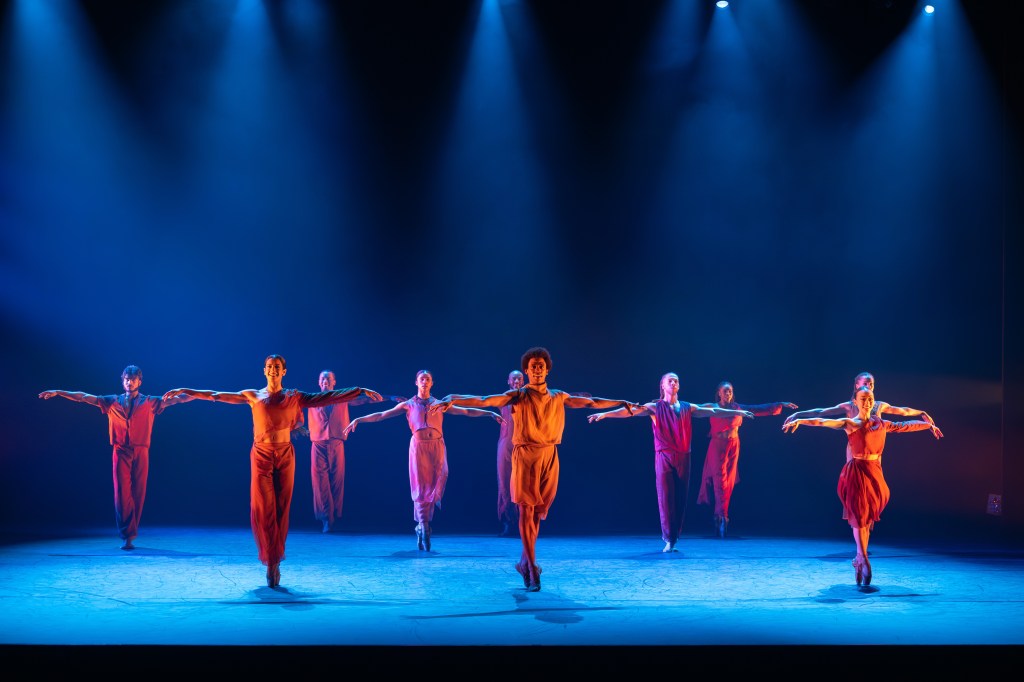
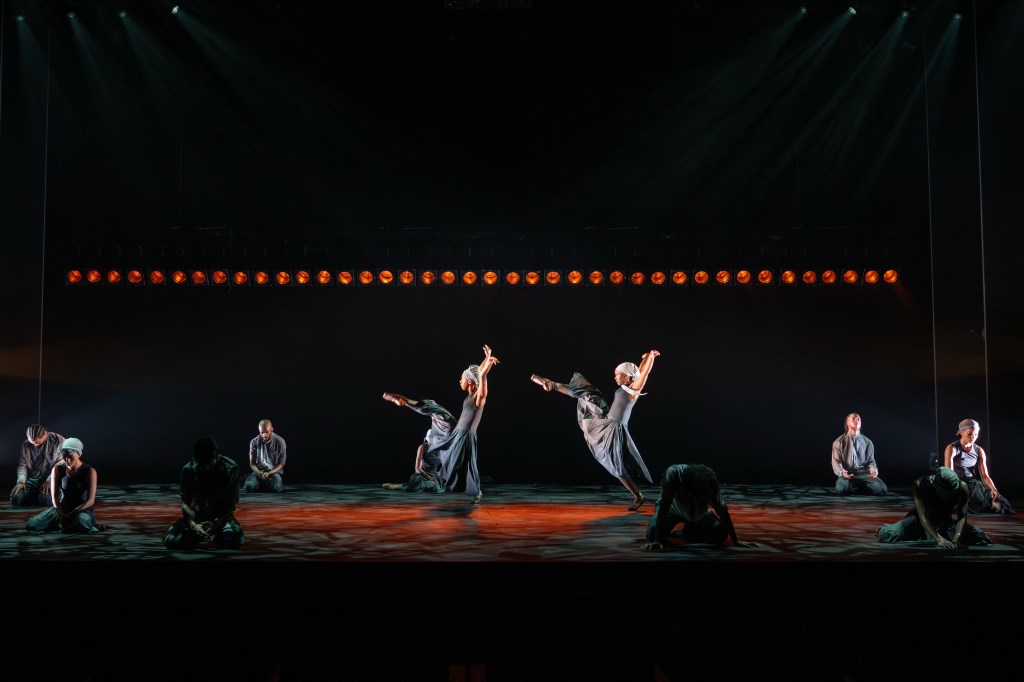
To mark a quarter of a century of beautiful storytelling and cultural impact, Cassa Pancho’s Ballet Black are touring the UK with their Anniversary Programme. The company comprises of 11 dancers. Each artist is given space to showcase their individuality, reinforcing Ballet Blacks continuous commitment and determination to celebrating ballet without stereotype or limitations.

The show opened with ‘…all towards hope.’. A bright and uplifting work choreographed by Hope Boykin. The piece began with the dancers moving to spoken word, written and recorded by Hope herself, immediately setting the tone of unity and having purpose. The message of working collectively to create change and inspire hope, resonated throughout. The choreography was fast paced and technically demanding with intricate footwork, yet this was executed with such precision and an ability to make this seem so effortless.

What really stood out to me was the intentional focus of each dancer as an individual. There was a real sense of celebration of each performer’s own artistry within the company. It added to the message of working towards the same goal together, without the need for uniformity.

One dancer who I could not take my eyes off, was Junior Artist, Bhungane Mehlomakulu who radiated pure joy and I couldn’t help but beam whenever he came on stage. The decision to allow each dancer their own moment for bows, further emphasised the message of celebrating individuality within togetherness. It was a wonderful piece to start the evening with, and did exactly what it says on the tin, delivered hope to those who watched it.

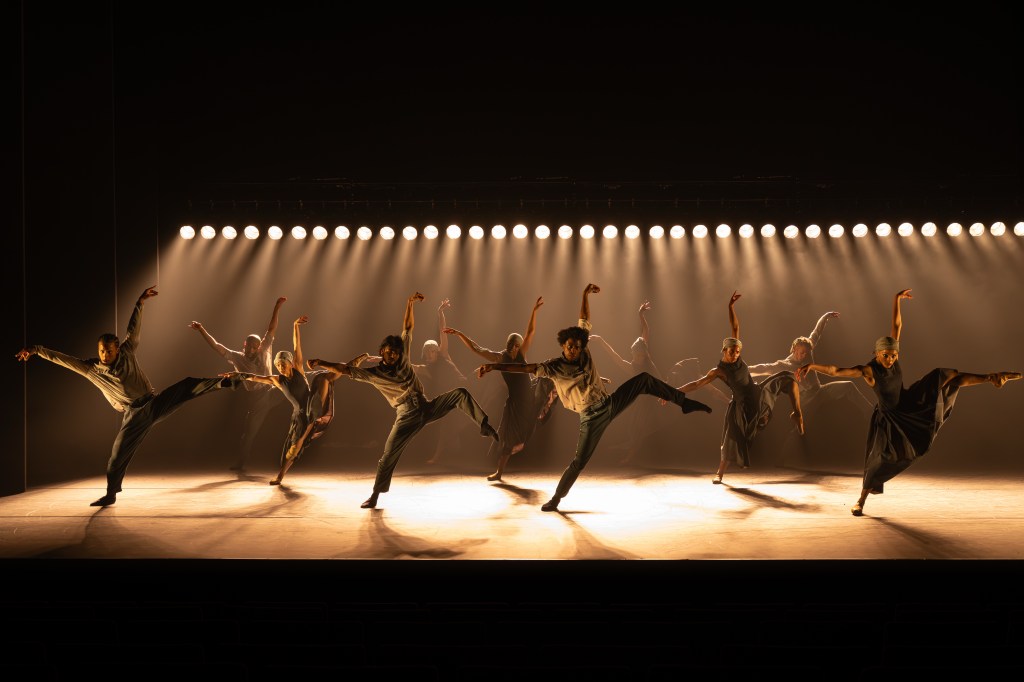
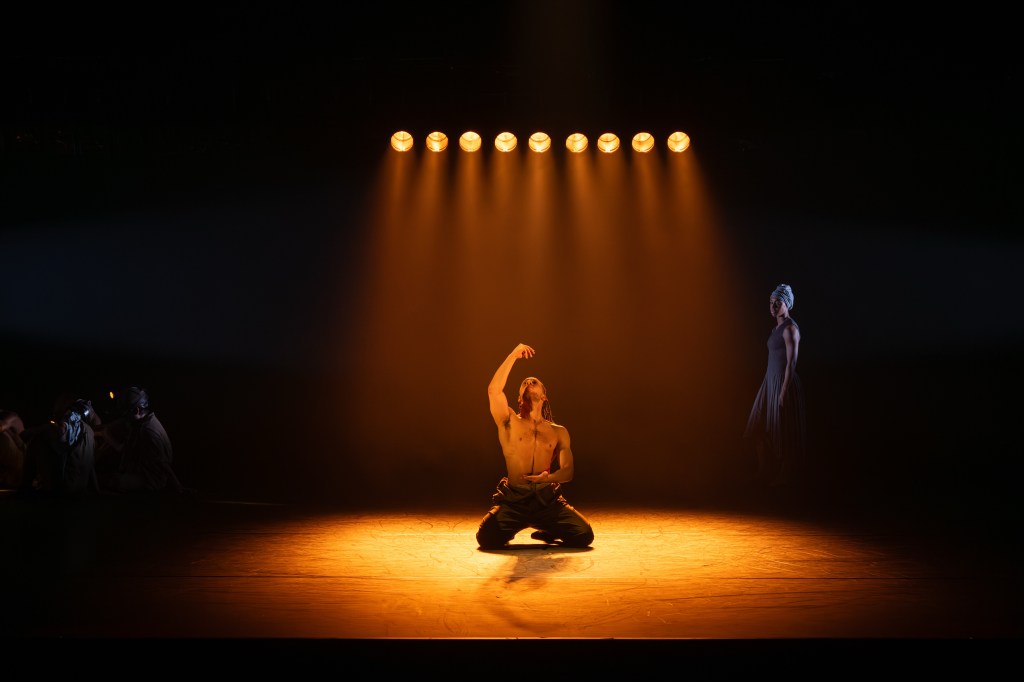
The second piece of the double bill was ‘INGOMA’ choreographed by Mthuthuzeli November. It is the most captivating piece of storytelling I have ever seen. This was an incredibly emotive performance depicting the aftermath of the horrific massacre at the African mine workers’ strike in Marikana 2012 focussing on the grief experienced by the families left behind. The artists showed such emotional depth to their performance. Conveying their despair, anger and pain with authenticity and physical intensity.

The work was incredibly physical and rhythmical, requiring a huge amount of stamina and strength, and each artist rose to the challenge. It was unbelievably inspiring, thought-provoking and showed the power of dance.

The evening was an emotional rollercoaster from hope to heartbreak, and they took us along for the ride. The whole company deserved the standing ovation they received, acknowledging the incredible talent on stage.

Further information and tour dates can be found here.

Inspector Morse – House of Ghosts

Reviewed by Sophie Rowley

Opening Night verdict ⭐⭐⭐⭐

There is something fascinatingly fitting about having the Lowry showcase Inspector Morse: House of Ghosts. By association it is a venue known for being modern, elegant and immersive, quite the start for this production. Inspector Morse, a classic ITV British staple which Radio Times dubbed ‘the greatest British crime series of all time’ was renowned for holding storylines that were intellectual, with a hint of melancholy and crime set superbly against the backdrop of the Oxford academic infrastructure. This theme is felt instantly from the moment you enter the Lyric theatre to Schubert’s symphony number 5 in B flat, welcoming the audience. Then the lights dim and the audience is treated to a bit of Shakespeare, before the plot begins to unfold. This first stage adaptation doesn’t just retell the story of the iconic inspector, it invites the audience into the meticulous mind of Morse and shares intimate details of his life, both past and present which allows an appreciation for the detective. Drawing inspiration from the long running ITV drama and the two spin off series Lewis and Endeavour, it’s fair to say Tom Chambers has a hefty pair of shoes to fill.

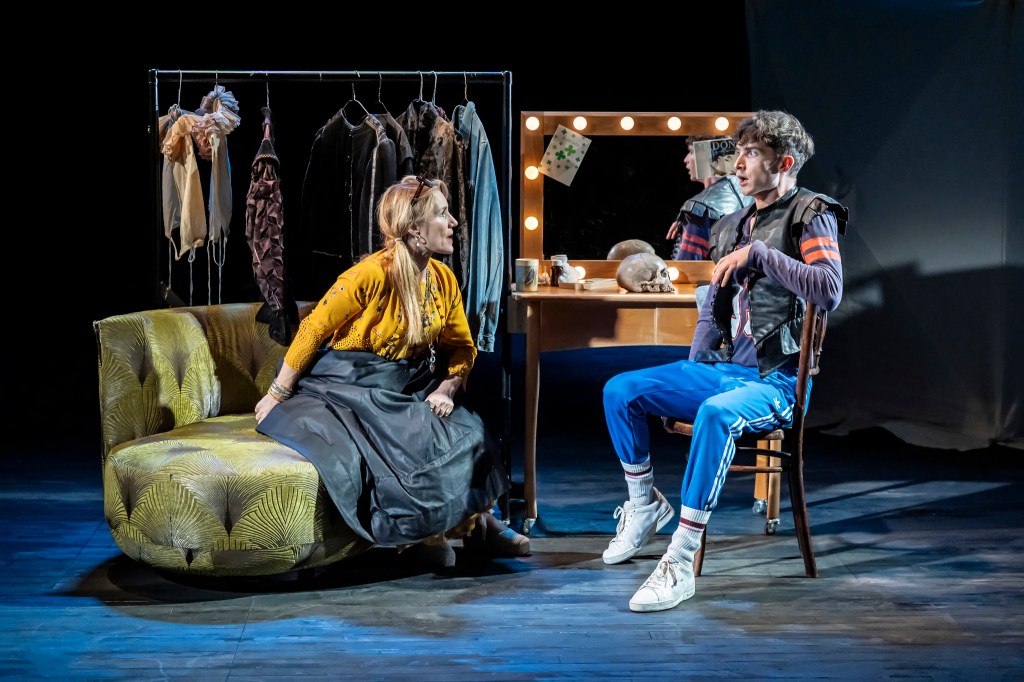
The play starts strong with an on-stage death of a young actress, which calls for Inspector Morse (Chambers) and his trusty sidekick D.S. Lewis played brilliantly by Waterloo Road alumni Tachia Newall, to now discover the truth. The dynamic duo, Morse and Lewis must now embark on a chilling investigation which uncovers more than Morse ever thought possible. Chambers and Newall’s pairing is perfect, a self-confessed fan of the show, Chambers embodies this perfectly, seamlessly weaving Morse’s mannerisms, recognisable facial expressions and sarcastic humour into every scene. Newall’s characterisation of Lewis provides the complete anthesis to Chambers, rather, Newall’s Lewis is caring and quiet and brings a subtle charisma to the role which pairs wonderfully with Chambers melancholic charm. Teresa Banham plays a brilliant part as Ellen who shares a history with the protagonist. The ten strong cast is a wealth of talent with James Gladdon as Freddy, Spin Glancy as Justin, Charlotte Randle as Verity, Olivia Onyehara as Harriet and Eliza Teale as Rebecca. As ever there is always one person who steals the show and that has to go to Jason Done, yet another Waterloo Road icon, who plays a dual role of Lawrence Baxter and Paul Kincaid. Lawrence Baxter is the obstinate, arrogant, loud villainous director who craves admiration, Done is superb in his portrayal. Paul Kincaid on the other hand is a vicar with a guilt complex which Done delivers with ease. In truth, the whole ensemble works well together to bring this masterpiece to life.

Penned by acclaimed writer Alma Cullen the plot holds special significance for Morse fans as Cullen is one of the original four writers from the original 1987 series. Cullen keeps the integrity of the iconic Morse character, upholding his classic characteristics and elements that make him recognisable. The creative collaboration of Director Anthony Banks and Cullen is a major success. Banks bring Cullens words to life, with stark realism which is hard to convey on stage. Banks is no stranger to staging a suspenseful thriller so there could be no better collaborative team to hold the responsibility of adapting Morse to the stage. As an audience member you feel safe in Banks’ and Cullen’s creation, Morse becomes real before your eyes, as you see how he deals with his personal demons and past burdens in his private and professions spheres.

The production team must be commended for the outstanding job they have done with this show. Colin Richmond the set and costume designer excelled in making the stage a home for Morse. Each piece of clothing has been so well thought out as the intricate details allow each character to become instantly recognisable. Suited up and complete with tie both Morse and Lewis command the stage in every scene. Jason Done’s wardrobe as Lawrence is flashy and eludes the arrogance of the character by doing pleather trousers and open neck silk shirts. The sets whilst on first glance, seem simple and structural, act as characters in their own right, constantly interchanging and guiding the plot seamlessly, occasionally accompanied by an instrumental interlude to signify a scene change. The lighting is very well executed and creates an atmospheric feel that heightens the emotional charge of the dialogue in every scene. The tempo of the plot mimics the tempo of the television series, slowing building up suspense for 2 hours then hitting the audience with a curveball plot twist that makes the wait worthwhile.

Chambers relishes this role and in doing so he successfully brings Morse to life – he makes sure all the relatable nuances of Morse are still present as well as managing to bring a fresh take on the classic detective. Newall similarly brings a modernism to Lewis, still keeping the youthful innocence of the character which is relatable to this Salford audience. A personal highlight was to see the Waterloo Road trio reunited and seeing how natural they all were in this partnership. The whole ensemble works wonderfully together to bring this chilling case to the stage. I’m not going to give any spoilers but anyone thinking of venturing out for a classic murder mystery needs to book tickets to this superb production asap.

Inspector Moorse – House of Ghosts is on at The Lowry until Saturday 11th April tickets available here.

Top Hat

Reviewed by Matt Forrest

Opening Night verdict ⭐⭐⭐⭐

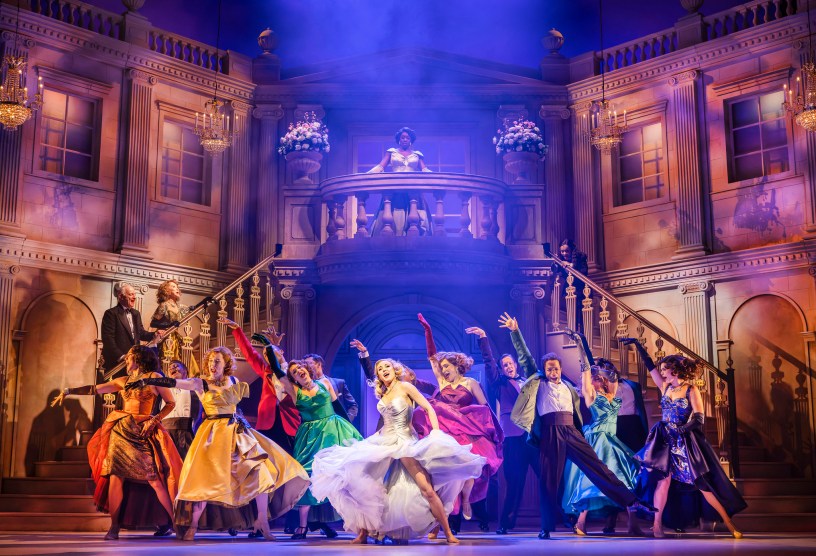
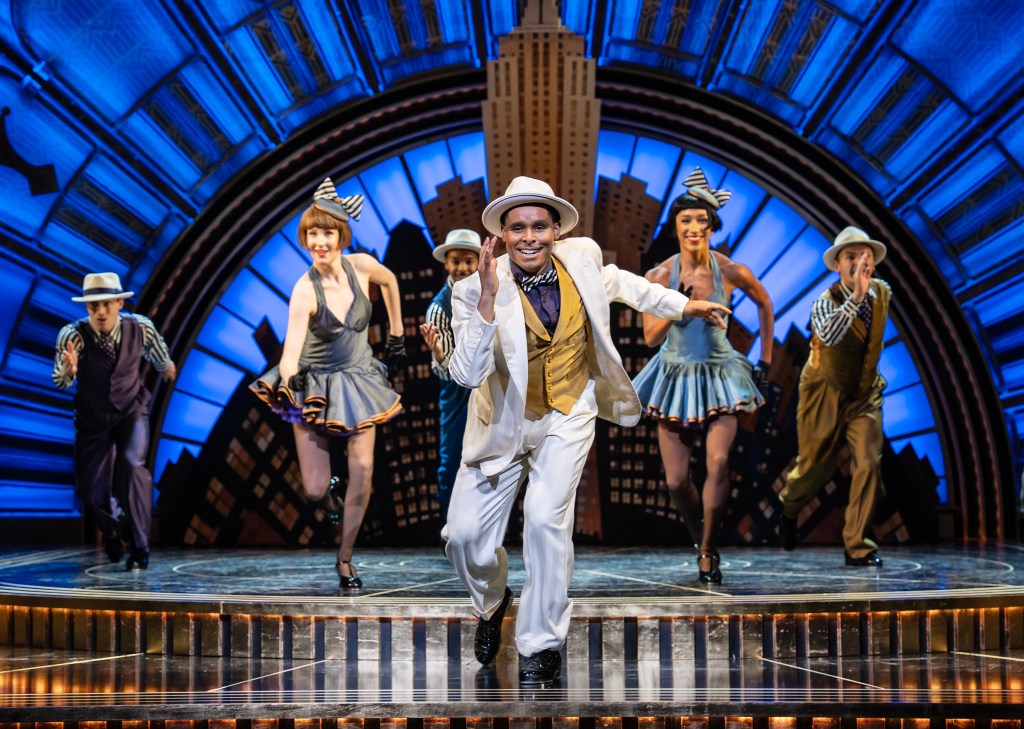
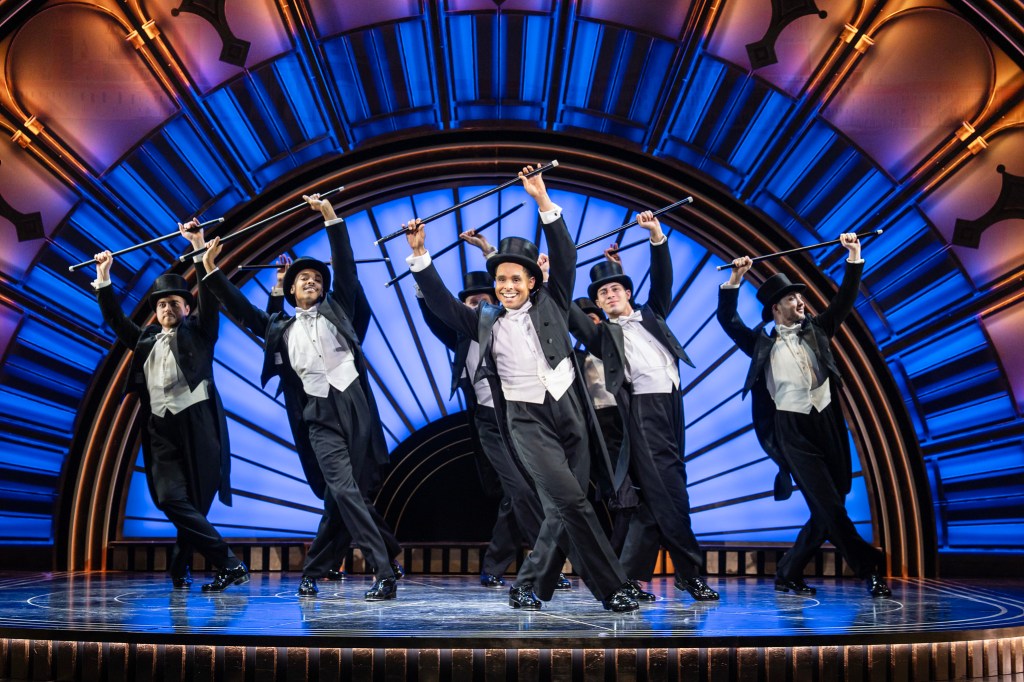
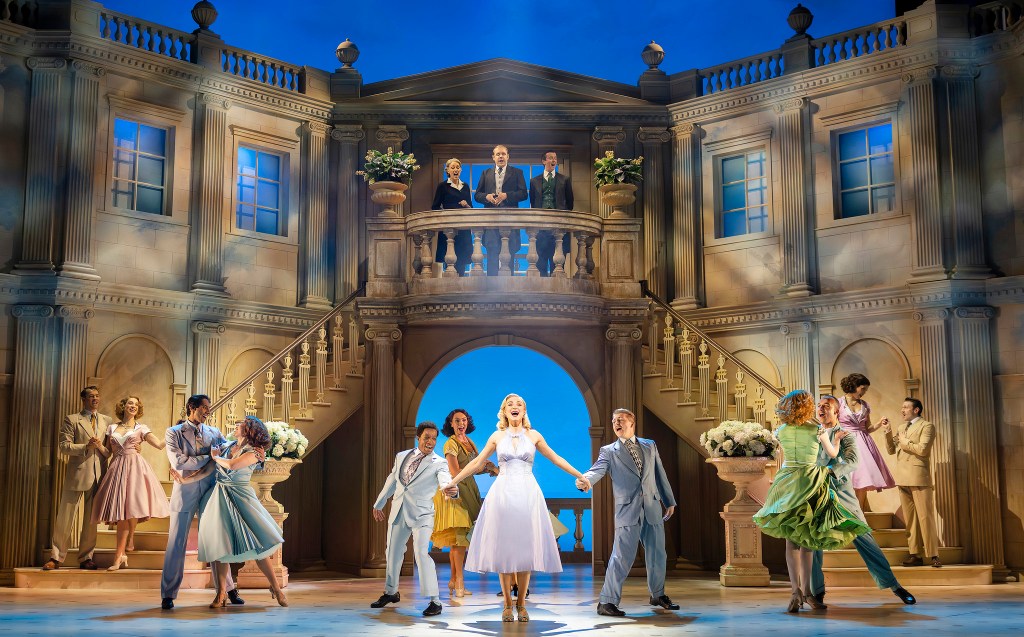
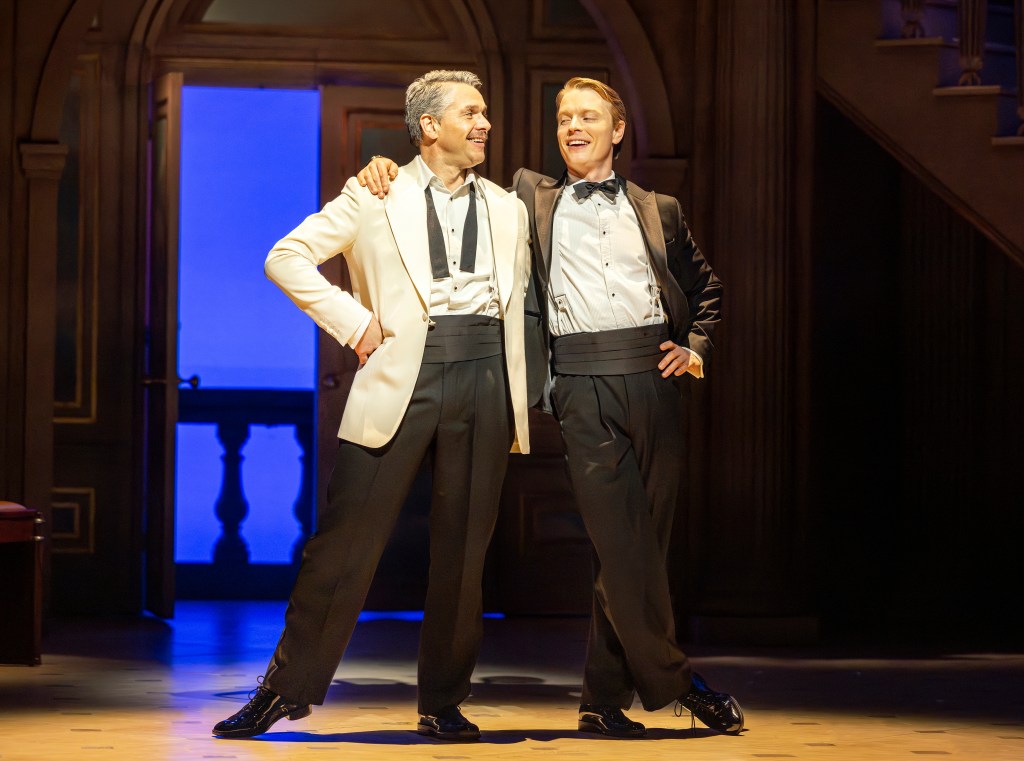
Time to dust off the glad rags, have a rummage for your cumberband and get yourself spruced up for the arrival of a Hollywood classic in town: the stage adaptation of Top Hat is here complete with big glitzy show tunes, sumptuous set pieces and a plot that’s as ludicrous as it is fun.

Top Hat began life as a classic 1935 Hollywood film starring Fred Astaire and Ginger Rogers and is widely regarded as one of the greatest dance musicals ever made. So, it’s staggering to think that it only first made the leap from silver screen to the stage in 2011. In 2025 it was revived by the Chichester Festival Theatre Production team, hitting the road for a nationwide tour in 2026, with one of its final stops at the Lowry.

At its heart, Top Hat is a light-hearted romantic comedy built on mistaken identity and farcical confusion. The story follows Broadway superstar Jerry Travers (Phillip Attmore), who travels to London to star in a new West End show, produced by his good friend, Horace Hardwick (James Hume).

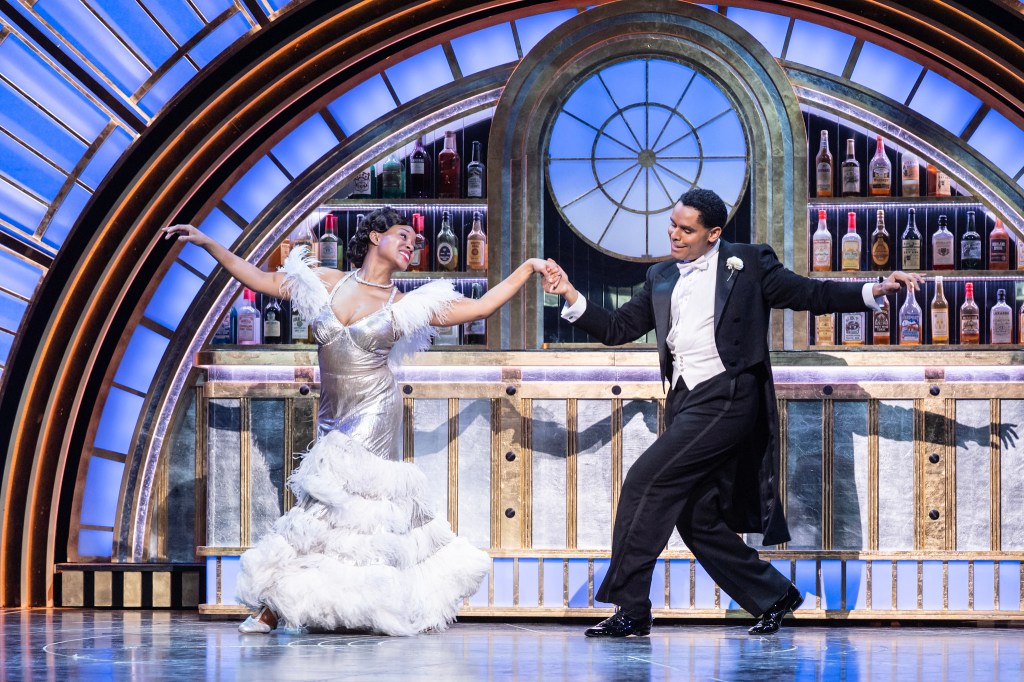
While rehearsing, his enthusiastic late-night tap dancing disturbs a hotel guest staying in the room below, fellow American Dale Tremont (Nicole-Lily Baisden). Despite a frosty first encounter, Travers is bowled over by Miss Tremont, and seeks to woo the new lady in his life. However, as we know the course of true love seldom runs smoothly and  through a series of comedic mix-ups, Dale comes to believe that Jerry is actually his friend Horace, who is married to her good friend Madge (Emma Williams).

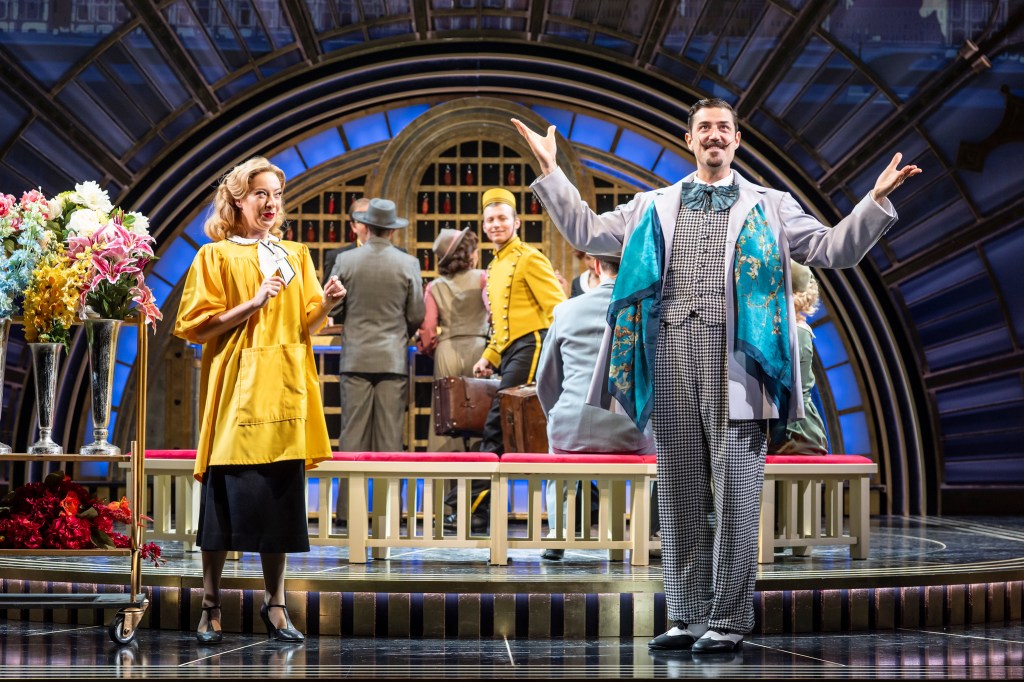
Add into the mix a fiery, flamboyant fashion designer, Alberto Beddini (Zac Edwards), a well-meaning if slightly incompetent Butler, Bates (James Clyde) and you have a perfect storm of mirth and mayhem set against a backdrop of glitz and glamour, taking in New York, London and Venice.

This is a lavish and thoroughly entertaining production that transports the audience straight back to the golden age of Hollywood. At times, the plot borders on incredulity, but this is only a minor quibble for a show that offers so much to enjoy. The performances are first-rate: Phillip Attmore and Nicole-Lily Baisden are perfectly cast in their leading roles, sharing a natural chemistry as they glide effortlessly across the stage. Attmore is every inch the charismatic, confident showman, while Baisden shines as a spirited yet emotionally conflicted leading lady.

They are supported by some fine comedic turns: James Hume and Emma Williams make a perfect double act as the mismatched married couple, Hume plays the bumbling British cad, with great comedic timing, whilst Williams is a great foil as his brash, no-nonsense wife. Alex Gibson-Glorgio is gloriously OTT as the eccentric fashion designer, his rendition of the musical number “Latins Know How”, is suitably silly. Whilst James Clyde nearly steals the show as the well-meaning yet incompetent Bates, complete with comedic disguises a plenty.

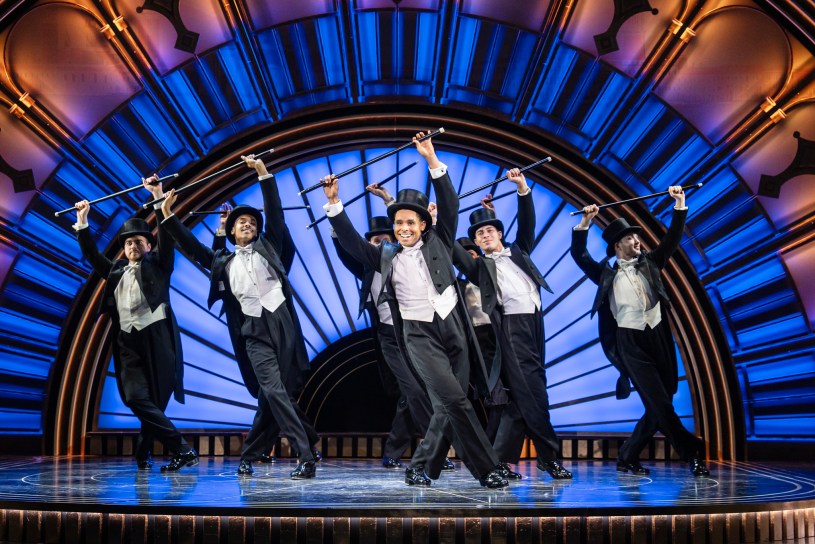
They are of course helped by some timeless showstoppers from the master Irving Berlin, with such classics as “Let’s Face the Music and Dance” , “Cheek to Cheek”, and throw in an outing “Puttin’ on the Ritz,” for good measure you can’t really go wrong. The highlight for me was spectacular, “Top Hat, White Tie and Tails”, which is packed full of razzmatazz. The band performing these numbers more than match the high-quality song writing, adding a touch of class.

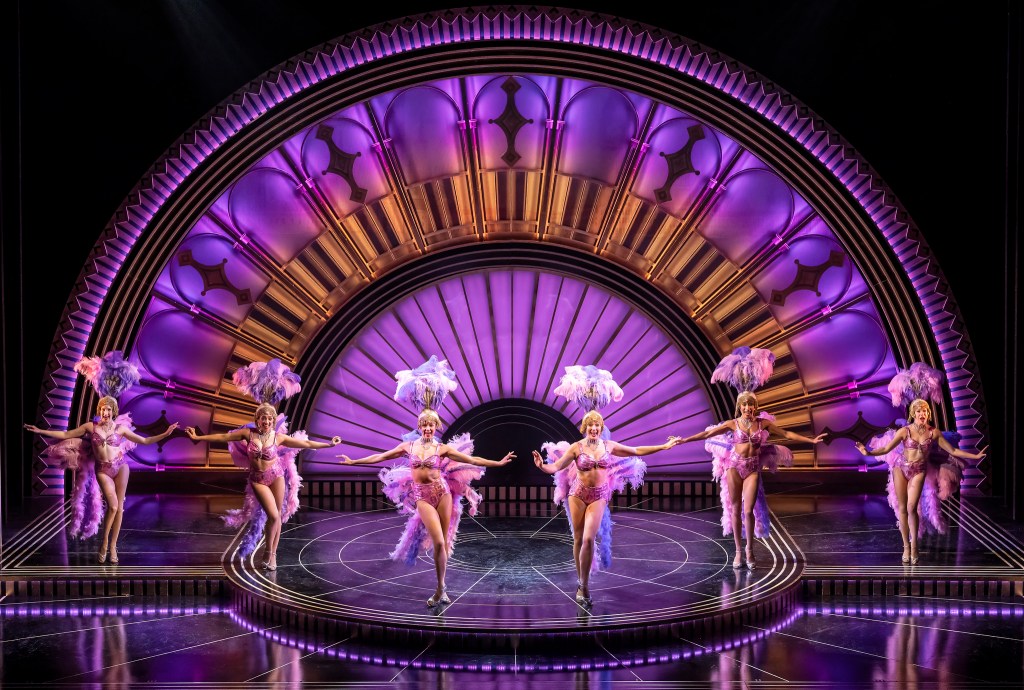
The production looks glorious, exquisite costumes designed by Yvonne Milnes and Peter McKintosh that marry with McKintosh’s stunning art-deco set design, again transporting you to a bygone period and all the troupes you associate with Hollywood musicals of this period.

Sure, the plot is contrived and at times a little ridiculous but that said this is an entertaining night of fine, feel-good musical theatre, that will leave you with a spring in your step and a hankering to get fully dolled up for a night out on the town. 

Top Hat is at Lowry until 4th April. Tickets are available here.

The Old Vic’s A Christmas Carol comes to Salford

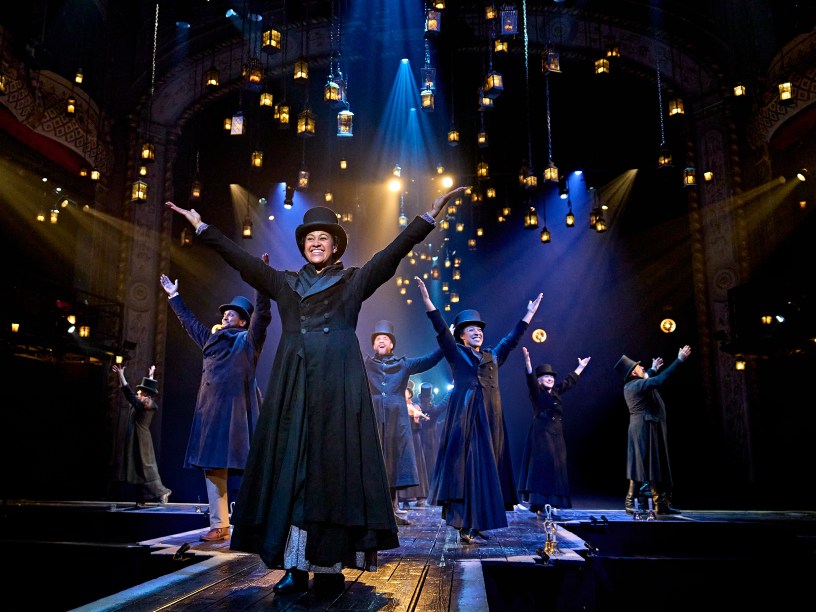
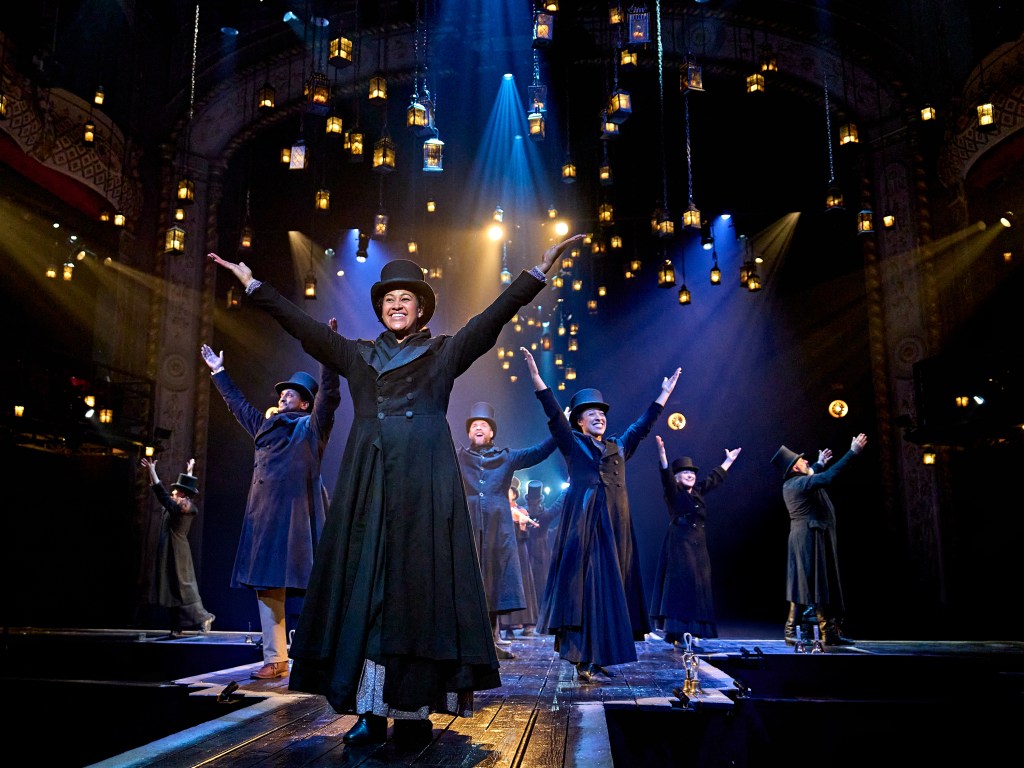
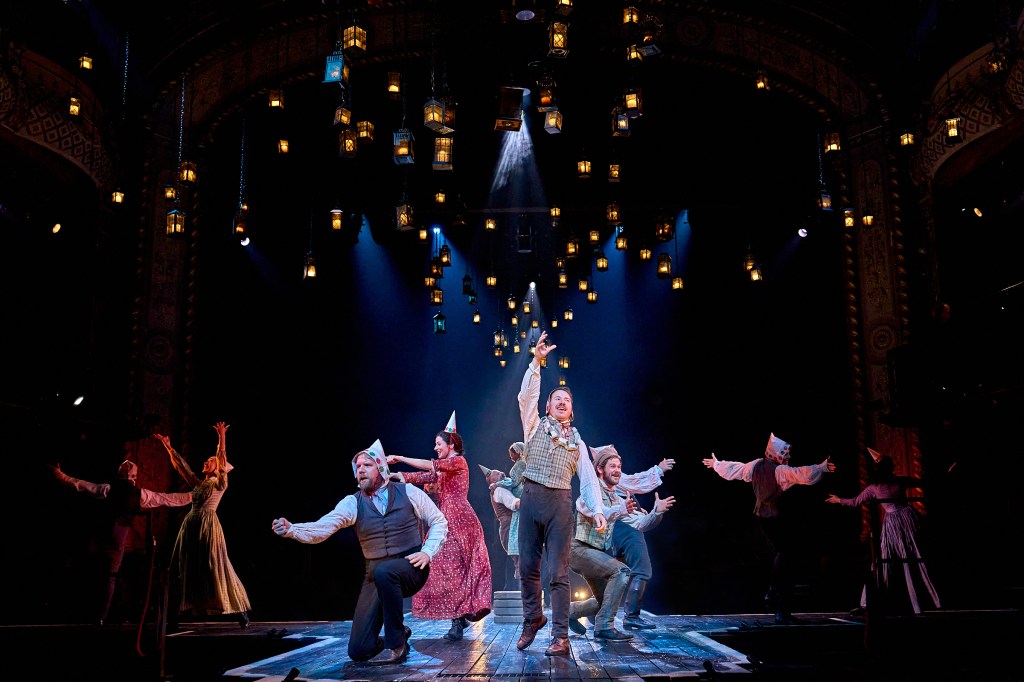
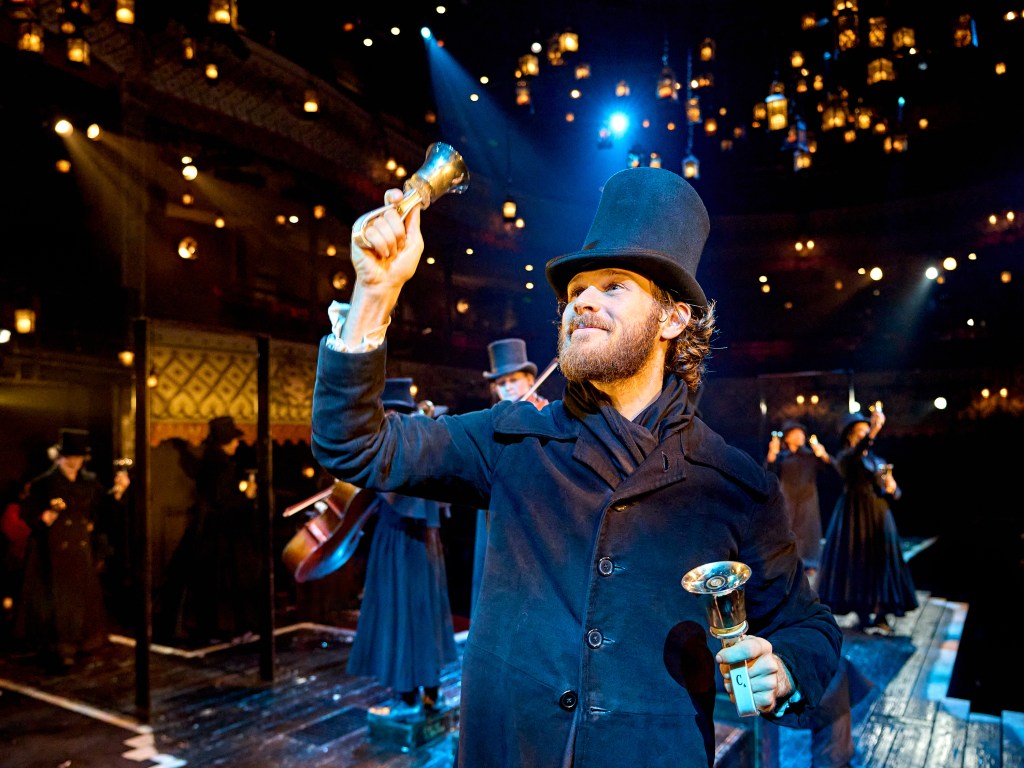
The Old Vic is delighted to announce that Matthew Warchus’ much-loved, Tony Award-winning  A Christmas Carol, adapted for the stage by Jack Thorne (His Dark Materials, Harry Potter and The Cursed Child), will play at Lowry, Salford from 11 Dec 2026–10 Jan 2027.   

This will be the first time since its world premiere in 2017 that the show will be seen in another UK city, offering the chance for even more people to experience this magical show firsthand.

The Old Vic’s Artistic Director and Director of A Christmas Carol, Matthew Warchus, said: ‘For ten years now this production of A Christmas Carol has been delighting audiences from London and beyond and I am immensely proud of the impact it continues to have on audiences – whether it be their first time seeing the show or one visit of many. To now be able to share the joy of this production with the Lowry and its audiences makes this year a truly special one.’  

Lowry’s Chief Executive, Julia Fawcett, saidWe’re absolutely thrilled to be working with The Old Vic – one of the UK’s leading theatres – to present their landmark production of A Christmas Carol – one of the most exciting, joyous and moving Christmas productions you’ll ever see. It’s the first time the show will have been presented in the UK outside of London – a real landmark moment for theatre in the region. We know North West audiences are in for something very special this festive season and everyone at the Lowry is delighted to be welcoming the show to Salford and presenting it on our Lyric stage.’

A Christmas Carol fills the auditorium to the brim with mince pies, music and merriment in this unique big-hearted production full of music and festive cheer.

Tickets are on priority sale to Lowry Members now and on general sale on Tue 31 Mar at 10am. Further details, including cast, are still to be announced. Tickets and further info can be found here.

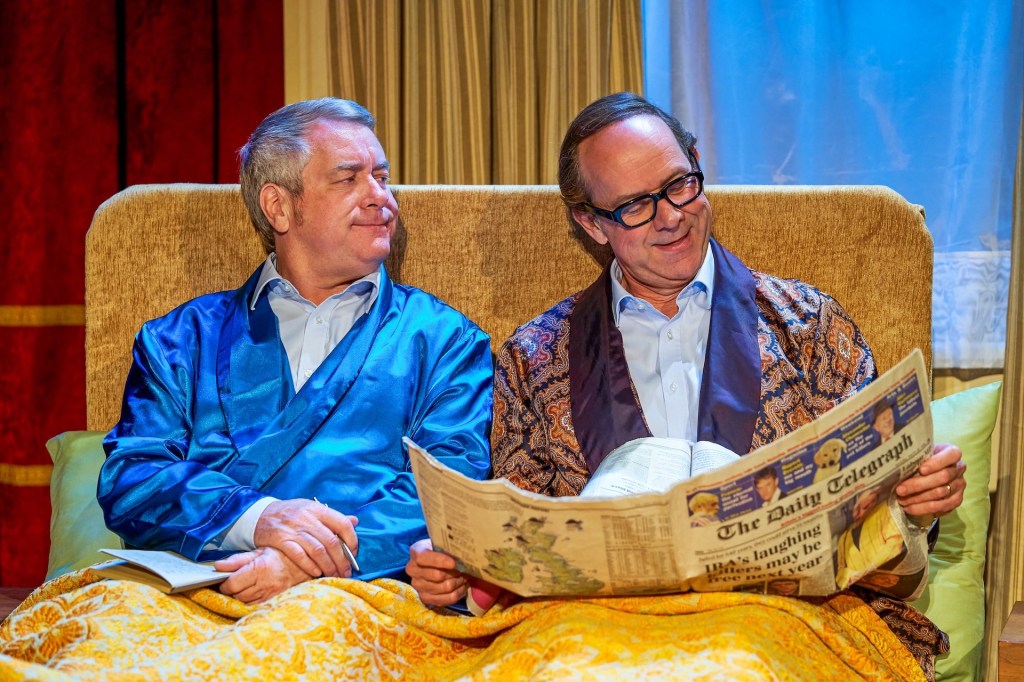
Eric and Ern

Reviewed by Matthew Forrest

Opening Night verdict ⭐⭐⭐⭐

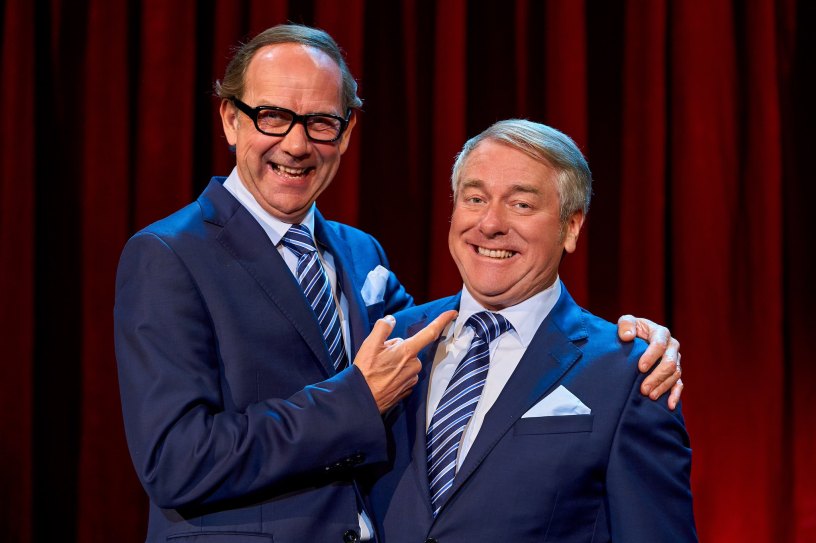
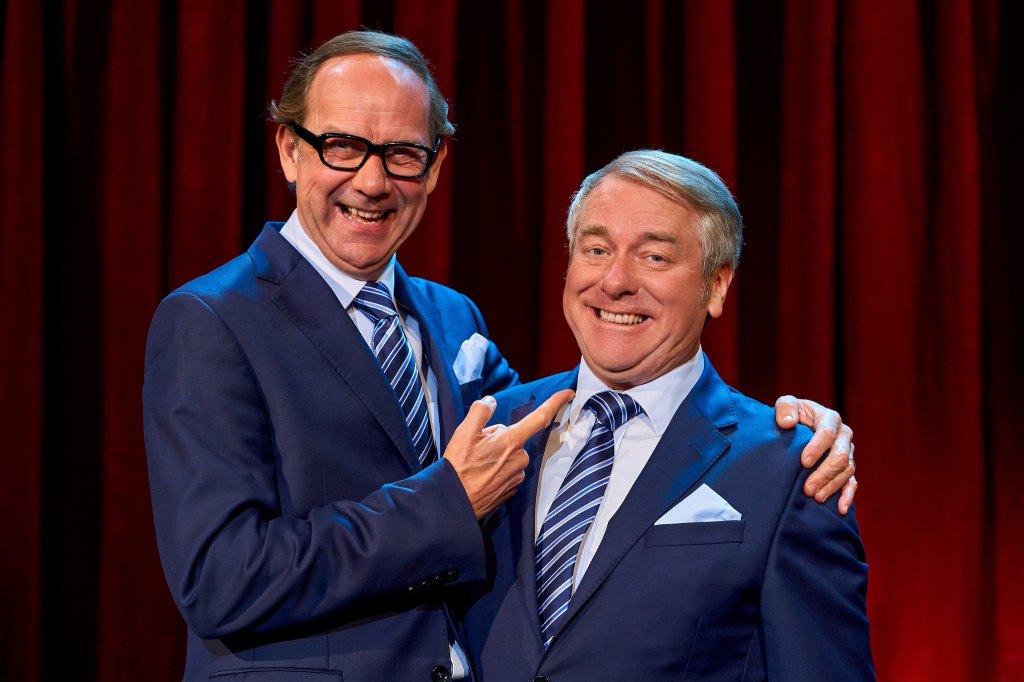
For more than a decade, Jonty Stephens and Ian Ashpitel have been delighting audiences with Eric and Ern—a loving, pitch-perfect homage to the brilliance of Morecambe and Wise. Their dedication hasn’t gone unnoticed either, earning Olivier Award nominations and a string of sell-out tours across the UK.

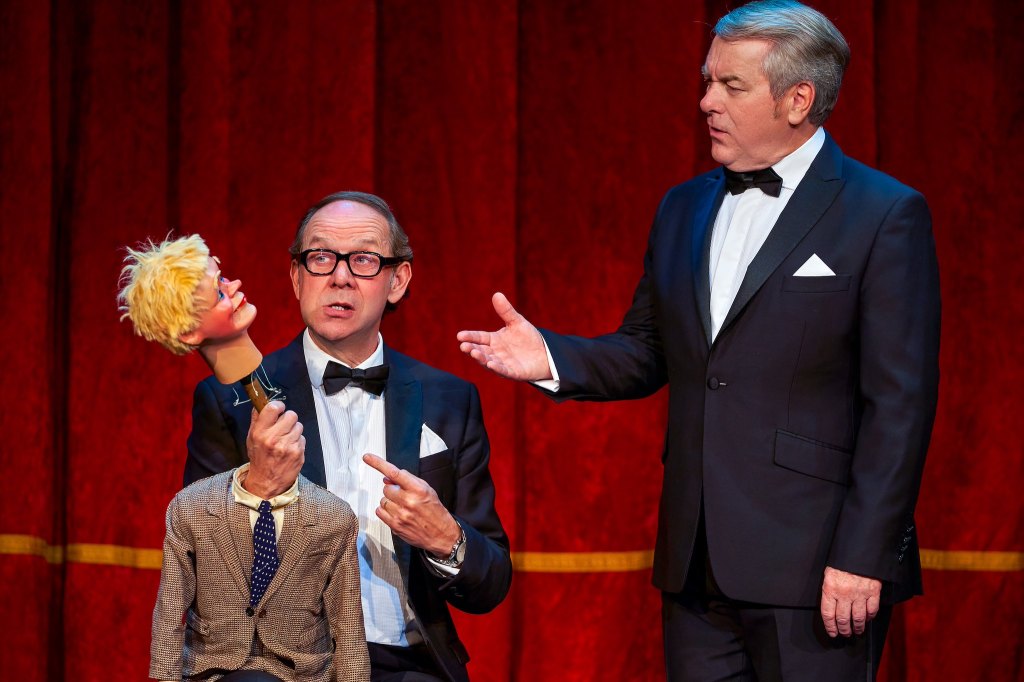
Now, Eric and Ern are back on the road for a run of spring and summer dates, including a five-night stint at The Lowry, before heading out on a full UK tour later in the year. What they deliver is a joyous evening of cabaret, nostalgia, and lovingly recreated sketches. Familiar favourites get a run out which include: “Mr Memory”, Morecambe’s “ball in a bag” routine, and their wonderfully warped take on ventriloquism, complete with Charlie, a hilariously battered and faintly sinister dummy.

Running gags are sprinkled throughout which include regular jabs at Des O’Connor and Ernie’s iron grip on the purse strings among them. Highlights include a clever reworking of the Stripper sketch and a fresh spin on the legendary Grieg’s Piano Concerto routine, both updated just enough to keep them feeling sharp without losing their charm.

Adding a touch of sparkle is West End star Olivia Fines, who proves to be far more than just a supporting act. As well as serving as a brilliant comedic foil, she showcases her vocal talents in a stunning rendition of Stephen Sondheim’s Send in the Clowns, valiantly holding her ground as Eric and Ernie do their best to derail it. She also joins in on “Tea for Two” and the iconic “Boom-oo-yata-ta-ta!” sketch, the latter featuring a particularly brave  audience member.

The atmosphere at times feels closer to a gig than a traditional theatre show at times, with audience members gleefully anticipating punchlines and occasionally joining in. Rather than detracting, it adds to the fun, giving Stephens and Ashpitel plenty of room to ad-lib and play. Their tweaks to Eddie Braben’s original material keep things feeling fresh while staying true to its spirit.

It would be doing Stephens and Ashpitel a disservice to call what they do mere impressions. They don’t imitate, they inhabit. From the physicality to the playful, occasionally chaotic chemistry, they capture the essence of Eric and Ernie so completely that you quickly forget you’re watching anything other than the real thing. The result is a near two-hour ride of high jinks, warmth, and pure nostalgia.

Of course, no evening would be complete without “Bring Me Sunshine,” performed here by the cast with the audience invited to join in. It’s a fitting finale that sends you out into the night with a trademark  Eric and Erm spring in your step.  A perfect way to end an evening of thoroughly feel-good entertainment.

Eric and Ern is at the Lowry until 28th March, tickets are available here.
The Constant Wife

Reviewed by Sophie Rowley

Opening Night verdict ⭐⭐⭐⭐

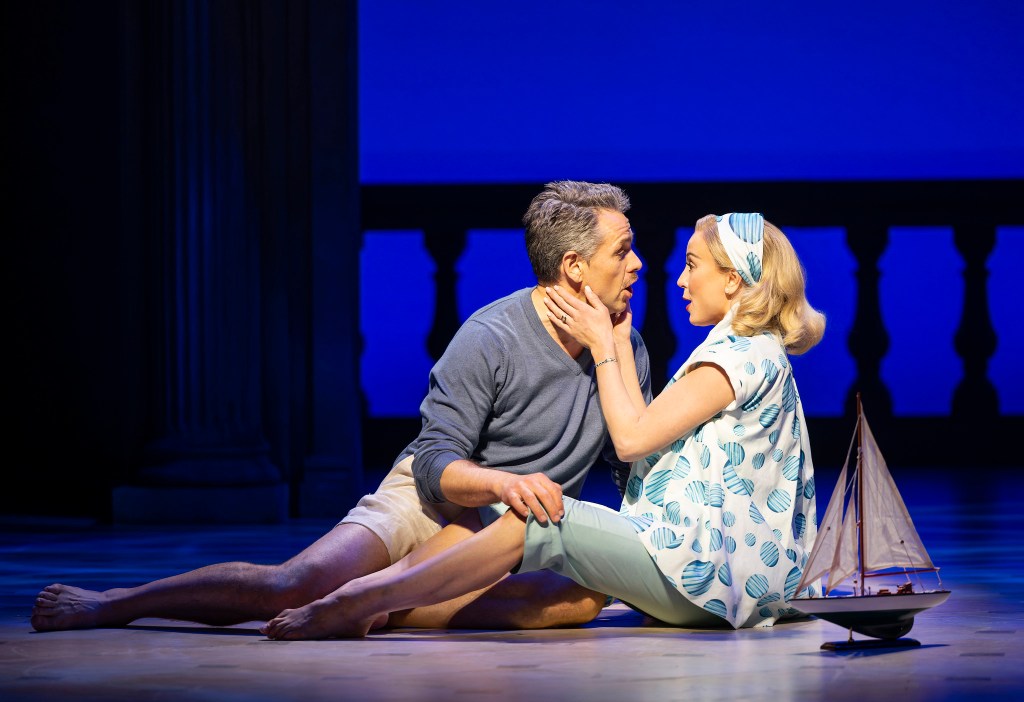
Filled with style, sophistication and sharp wit, W Somerset Maugham‘s 1926 play The Constant Wife explores the institution of marriage, morals and manners turning every expectation on its head with an imaginative alternative telling of infidelity, betrayal and scandal. Being labelled Maugham’s “most clever and captivating creations” he creates the ultimate heroine in Constance Middleton. Always aware of her husband’s extra-curricular activities with her best friend Marie Louise, Constance plays the dutiful wife and in true 1920’s style pretends to live her life in blissful ignorance. That is until the affair is made public, now Constance must decide how she wants to live her new life. Now a century on, how will the 2026 audience receive Maugham’s play?

Fresh from the success of a West End run, Maugham’s story is brought to life in this incredible collaboration by David Pugh, Cunard and the Royal Shakespeare Company. Such a trio, the expectation is high for Laura Wade’s Lowry production. Staring Kara Tointin as the formidable heroine Constance who is far ahead of her time. Once the affair is made public, this allows Constance a clean slate to rewrite her story. Tointin plays this wonderfully, she playfully weaves humour and sarcasm into her sizeable script. Moreover, Tointon brings a wonderful modern twist to Constance and despite being set in the 1920’s era, she still manages to make Constance relevant and daring. Maugham’s script shines though in Tamara Harvey’s direction, it’s clear to see why this show has had the success it has.

Tim Delap brings a subtle depth to John Middleton who has a predilection for women that aren’t his wife. He plays the 1920’s male very well and the entitlement is played to perfection, especially in the second act when John even slips into melodrama. He epitomised the idea that “men are polygamous and should be allowed their indulgences”. Delap mixes charm with arrogance in his portrayal of John, and as an audience member you feel conflicted in your feeling of him. This conflict of character is also seen in Marie-Louise Durham – played wonderfully by Jocasta King, on the surface she should be despised for defying her loyalty to Constance, yet it could be argued she could be pitied for being swept along in a romance that wasn’t hers to take. The obliviousness King shows in Marie-Louise’s actions highlights her selfishness, this combined with her lack of awareness is a very clever character choice and it works. For me both Delap and King excel in their characterisation and must be commended.

Sara Crowe is perfect as a 1920’s mother – filling Constance with the advice of the time yet she managed to get a few cutting insults on her perception of Constance’s life. Combing humour and wit Crowe brings the archetypal 1920’s mother to life. Amy Vicary-Smith is superb as Martha, Constance’s Sister – the “confirmed Spinster” brings postmodernism to the idea of what a woman is – she is independent and fiercely loyal of Constance. She is a businesswoman and unmarried at a time where this was extremely unfeminine. Like Crowe she brings an effervescent humour that makes the play very enjoyable. Jules Brown, whist having a small part as Mortimer Brown plays a pivotal part as the catalyst for the plot unfolding. Alex Mugnaioni’s portrayal of Bernard as the doting lovesick best friend of Constance adds a entertaining side plot to the play. Finally, Philip Rham’s Bentley the butler is endearing as well as a very talented pianist.

Now a moment must be dedicated to discuss the set and costumes created by Anna Fleischle and Cat Fuller. They have been described as ‘fresh and captivating’ and I cannot disagree. The set is filled with 1920’s staple furniture and art deco designs. Fleischle still brings the 1920’s glamour and elegance with a modern twist that you would see on the high street today.  The combination of these sets and costumes complement one another perfectly and the whole creative team have done a sterling job in creating this masterpiece of visual theatre. For the musical score you can do no better than to include original compositions by Jamie Cullum. Cullum’s signature jazzy tones act as perfect scene changes throughout the play.

The whole production team have delivered an exquisite piece of theatre. The cast is superb in each of their portrayals and are complimented perfectly by the beautiful set, stunning costumes and a jazz soundtrack that will fill you with joy.

The Constant Wife is on at the Lowry until 21st March tickets are available here.
BRB: Don Quixote

Reviewed by Maddie Shimwell

Opening Night verdict ⭐️⭐️⭐️⭐️⭐️

Don Quixote, known for its energised Spanish flair, comedy, and vibrant pas de deux, was originally choreographed by Marius Petipa in 1869. Carlos Acosta has brought back his 2022 version, to The Lowry, performed by Birmingham Royal Ballet,

We follow Don Quixote (Dominic Antonucci), who acts as a matchmaker for young lovers Kitri (First Soloist Beatrice Parma) and Basilio (First Soloist Enrique Bejarano Vidal). At the same time, Don Quixote grapples with reality and experiences hallucinations of his dream woman, Dulcinea (Daria Stanciulescu), whom he mistakes Kitri for. 

Of course, there must be a barrier to Kitri and Basilio’s love. Her father, Lorenzo (Rory Mackay), disapproves of the relationship as he wishes Kitri to marry a rich nobleman, Gamache (Jonathan Payn), and not a poor barber like Basilio! After Basilio fakes his death (and comes back to life!), her father gives the couple his blessing, and celebrations begin. 

This performance has everything you want from a ballet…flamboyant costumes, a fantastic live orchestra conducted by Thomas Jung, and dramatic fainting scenes delivered with perfect comedic timing. One element of the story that many other classical ballets have, but is missing from Don Quixote, is tragedy…which was so refreshing!  It is full of fun, joy, and humour…even the ‘suicide’ was comedic! 

Highlights of this particular version were the incredible solos and pas de deux throughout the performance from Beatrice Parma and Enrique Bejarano Vidal. The grand allegro, turns, and lifts were made to look effortless. My favourite pas de deux was their duet against the silhouette of a windmill and sunset, with no other distractions.

The set design by Tim Hatley was stunning, featuring glistening leaves hanging from vines, large brick arches decorated with flowers, and rose petals falling from above. Another element that helped transport the audience to 17th-century rural Spain was the live on-stage guitarists, Tom Ellis and Dan Thomas who played traditional Spanish music around a fire. 

A final mention must go to Amour, performed by First Soloist Riku Ito during the dream scene. Ito had flawless technique, with fast footwork and amazing stage presence. Kitri’s friends, Olivia Chang-Clarke and Katherine Ochoa, also brought contagious energy to the performance. I would highly recommend watching this stunning production if you get the chance!

Don Quixote is on at The Lowry until Saturday 9th March, tickets are available here.
New Dawn Fades

Reviewed by Matt Forrest

Opening Night verdict ⭐⭐⭐

The Brit Awards rolled into Manchester weekend just past, and not for the first time   Manchester was the music epicentre of the universe, a hyperbolic claim that Anthony H Wilson would have endorsed if he were still with us today. However, what is not an exaggeration is that one of the key factors in the story of popular music in Manchester is the importance and influence of Joy Division.

Writer Brian Gorman’s play New Dawn Fades charts the rise of Joy Division while weaving in a potted history of the great city of Manchester — or Mamucium, as it was christened by the Romans.

The play opens with “Mr Manchester” himself Tony Wilson in full television-presenter mode (Brian Gorman), brandishing a This Is Your Life red book as he introduces the band’s key figures: frontman Ian Curtis (Josh Lonsdale), guitarist Bernard Sumner (Garient Lyons), bassist Peter Hook (Gaz Hayden), and drummer Stephen Morris (Jack McGarry). Completing the picture and central to the band’s story is Debbie Curtis (Lauren Greenwood), Ian’s wife. Wilson himself was an essential part of the Joy Division story signing them to Factory, the record label he co-founded.

As we’re given an inside track on the band’s formation, we’re also offered a vivid snapshot of life in 1970s Manchester, capturing the raw energy of the punk movement and the seismic influence of bands such as Sex Pistols and Buzzcocks on the city’s cultural identity. Along the way, the audience is treated to a brisk history lesson exploring Manchester’s origins and what makes it so distinctive.

As the band begins to garner success, which means more tours and more live shows, the mounting pressures begin to take their toll on Curtis, straining his marriage, testing his relationships within the band, and exacerbating his fragile physical/mental health with devastating consequences.

New Dawn Fades has all the ingredients to be something truly special; however, it doesn’t always fully come together. When it works, though, it works well. Josh Lonsdale is outstanding as Curtis, completely capturing the intensity of the man, nowhere more so than in the electrifying renditions of Joy Division classics “Shadowplay,” “Transmission,” and “Love Will Tear Us Apart.” Yet it is Lonsdale’s portrayal of the debilitating impact of epilepsy on Curtis that resonates most powerfully.

Brian Gorman delivers a fantastic performance as Tony Wilson. His delivery is uncanny, and he does a spot-on job of bringing Wilson’s mannerisms and at times self-aggrandising nature to life. Lauren Greenwood is good as Debbie, though somewhat underused; you can’t help but feel it was a missed opportunity not to explore more of her perspective and give greater depth to her side of the story.

Where the show misses a trick, is with the live song performances, of the band only Lonsdale  seemed to be performing live, whilst the rest of the band played a long to a backing track, it seems an odd choice considering that all the actors are musicians as well.

The narrative flow also stutters at times. Scene transitions are marked by quick blasts of music as the lights abruptly drop and rise again. The effect can feel jarring and would benefit from a smoother, more seamless approach.

There is, however, much to admire. The playfulness of the first half, using figures such as a Roman general and Friedrich Engels to frame Manchester’s story, adds invention and humour. The band dynamics are engaging, particularly the fiery presence of Peter Hook balanced against Bernard Sumner’s more measured, calming nature, which brings welcome levity. This tonal lightness contrasts effectively with the darker intensity that follows the interval. That said, aside from Curtis, the band members are not fully fleshed out and at times feel somewhat superficial.
This is clearly a labour of love, created with deep affection for the band and the great city of Manchester. While there is much to enjoy, the production ultimately left me wondering what might have been, and wanting just a little more.
New Dawn Fades is on at the Lowry till 4th March tickets are available here.