Acosta Danza Carmen

Reviewed by Maddie Shimwell

Opening Night verdict ⭐️⭐️⭐️⭐️
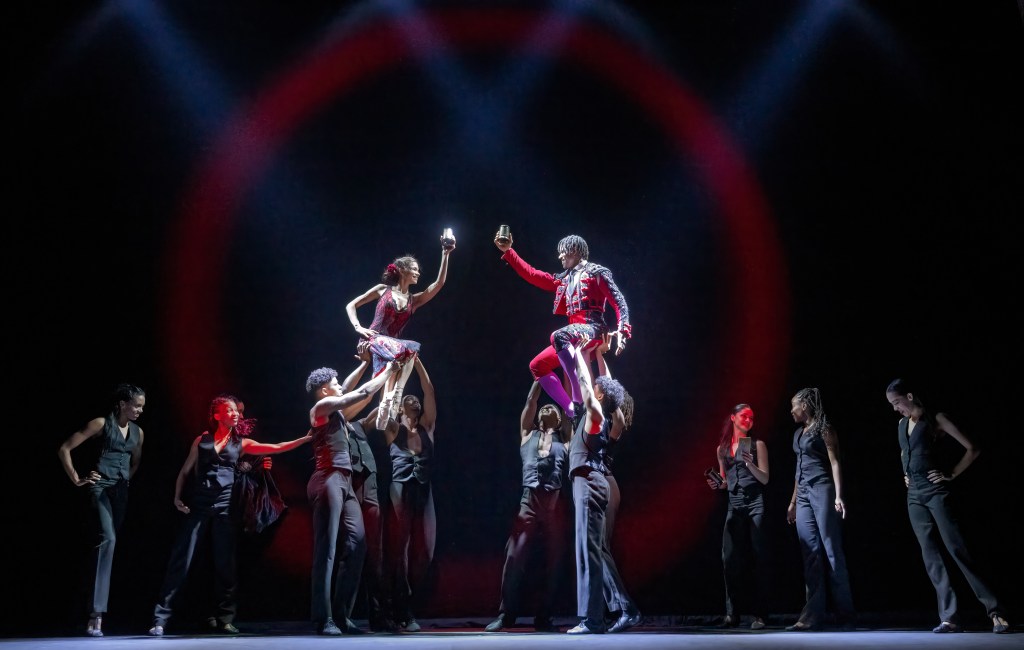
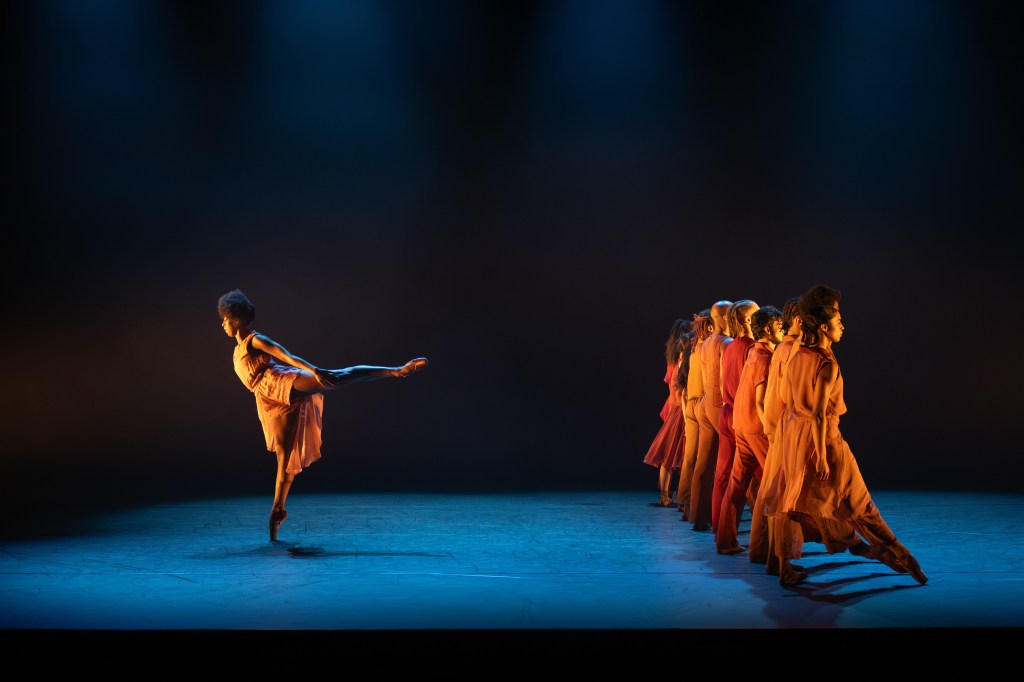
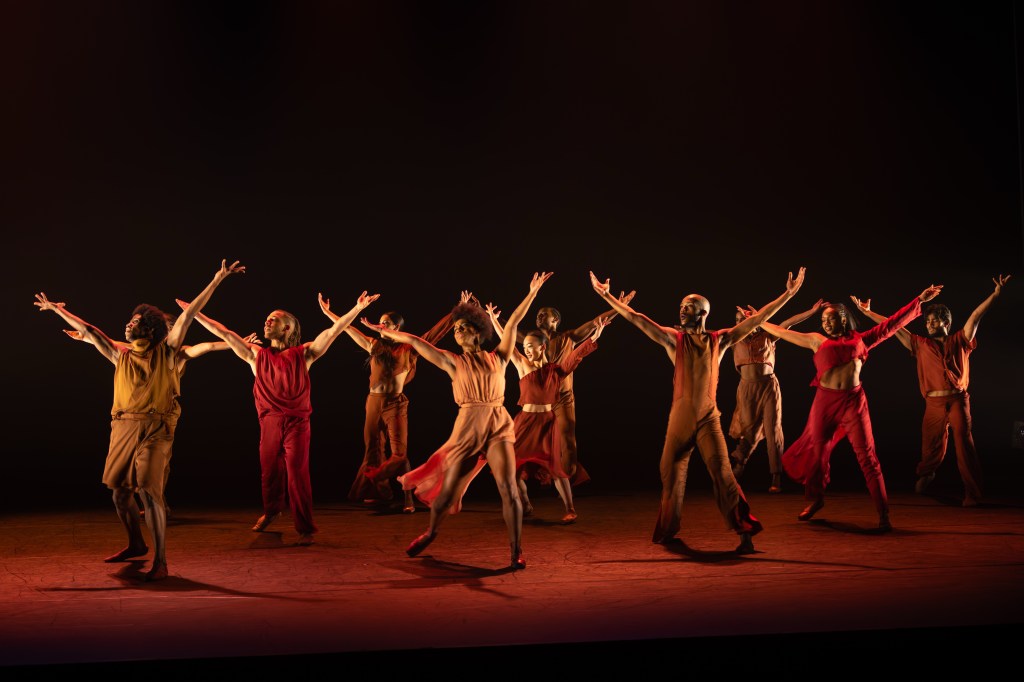
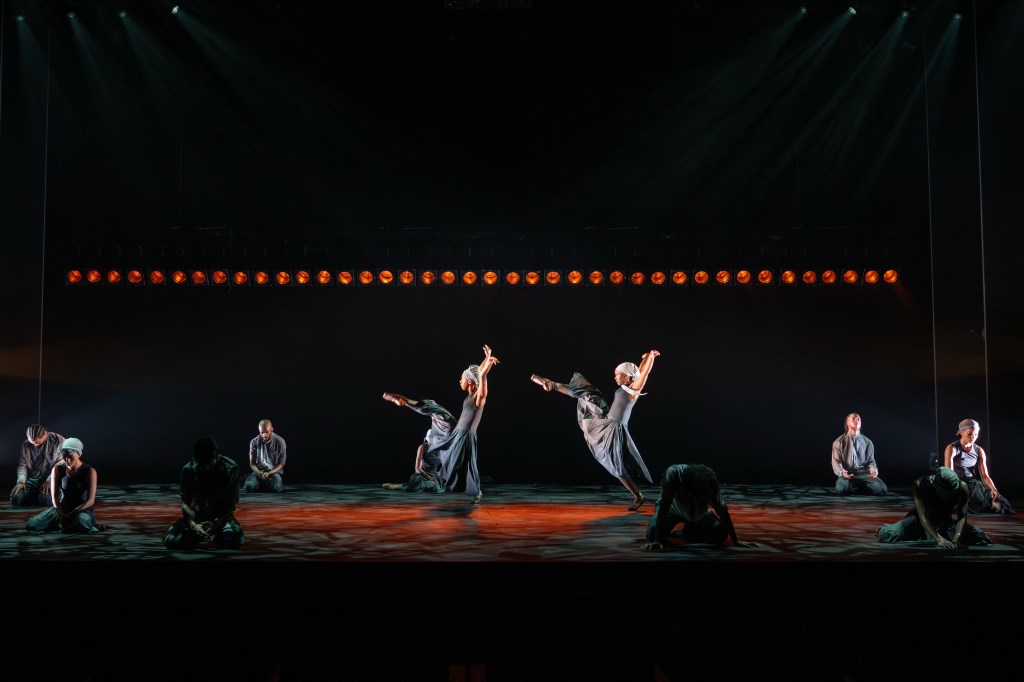
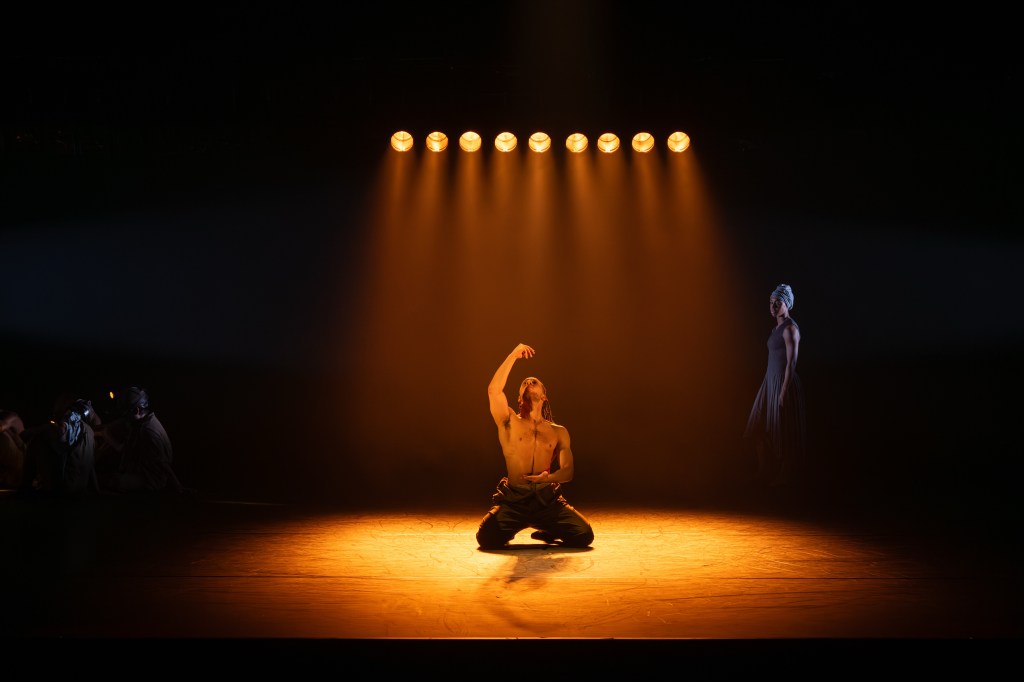
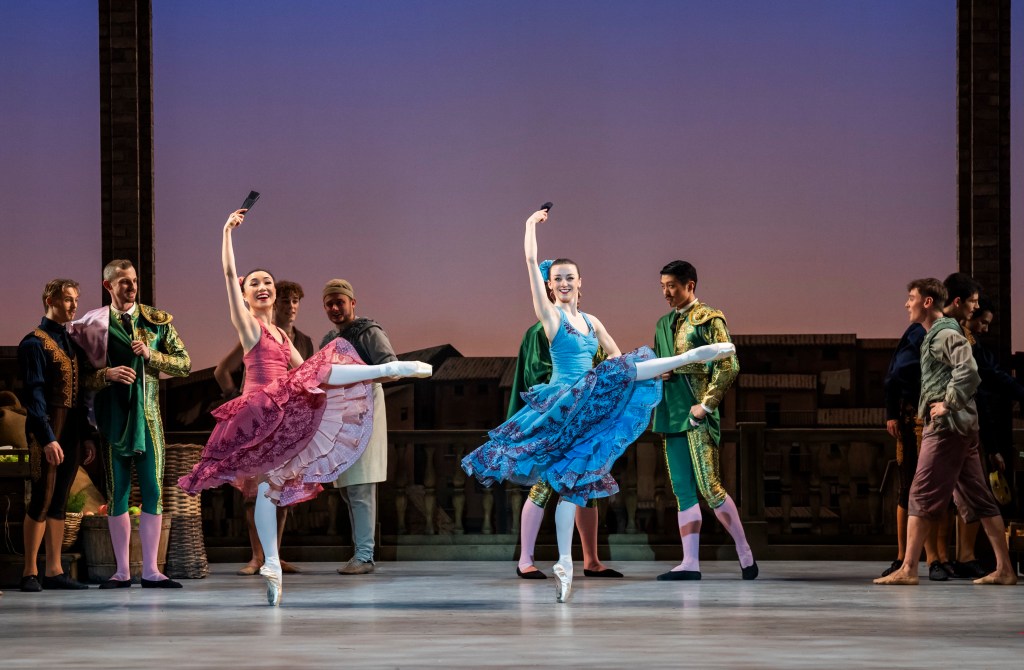
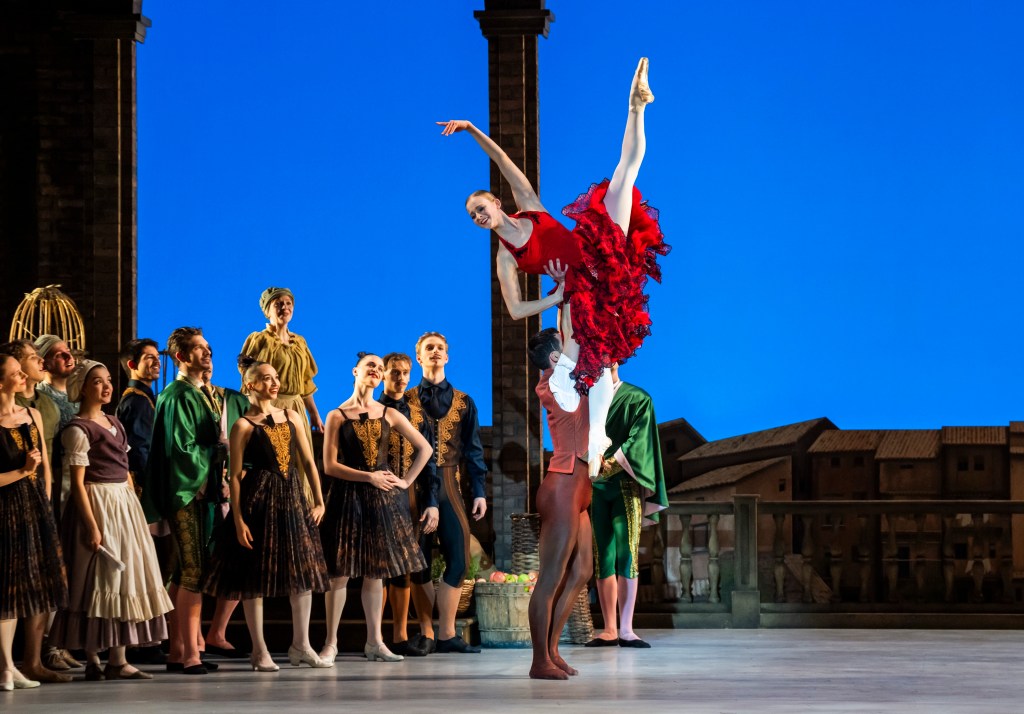
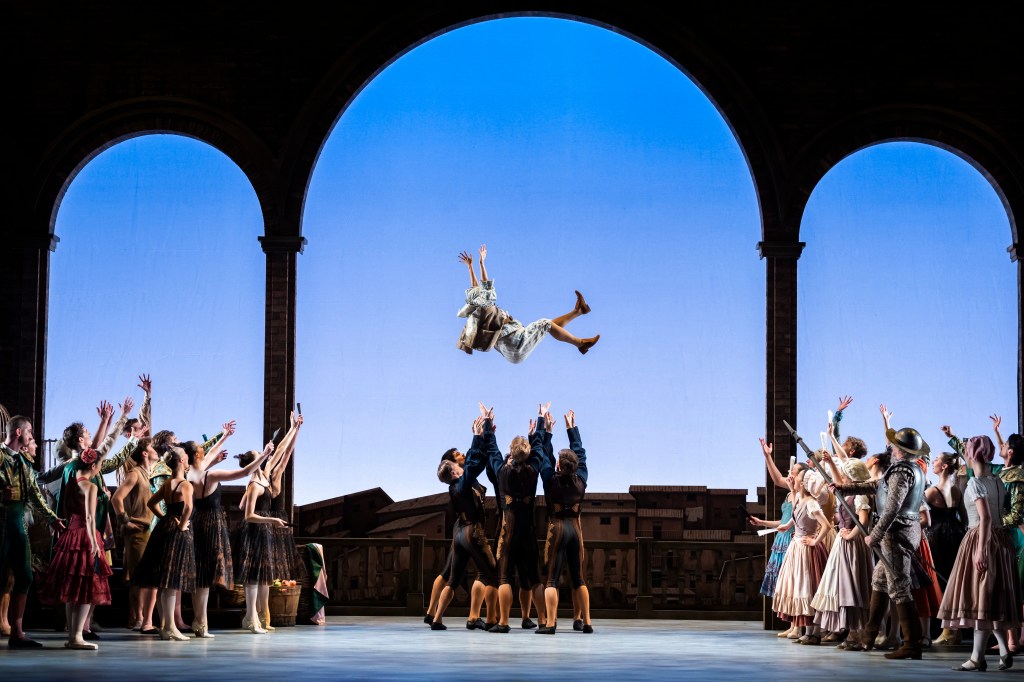
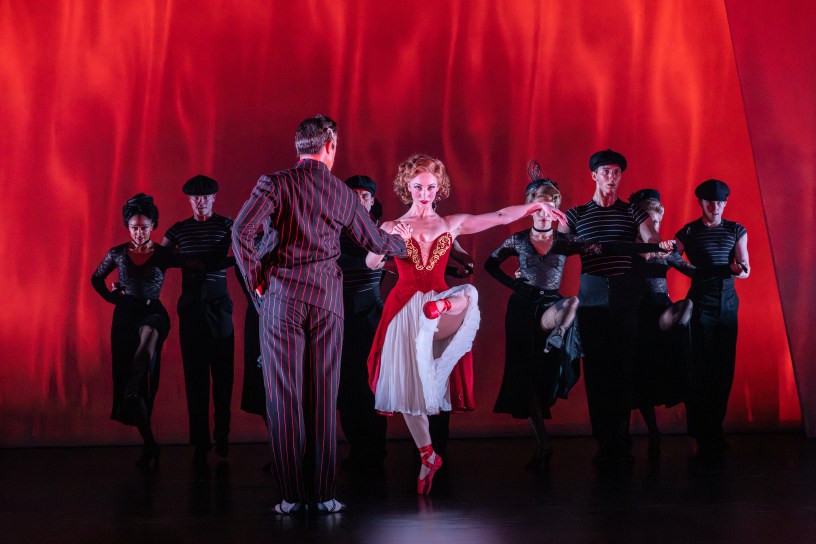
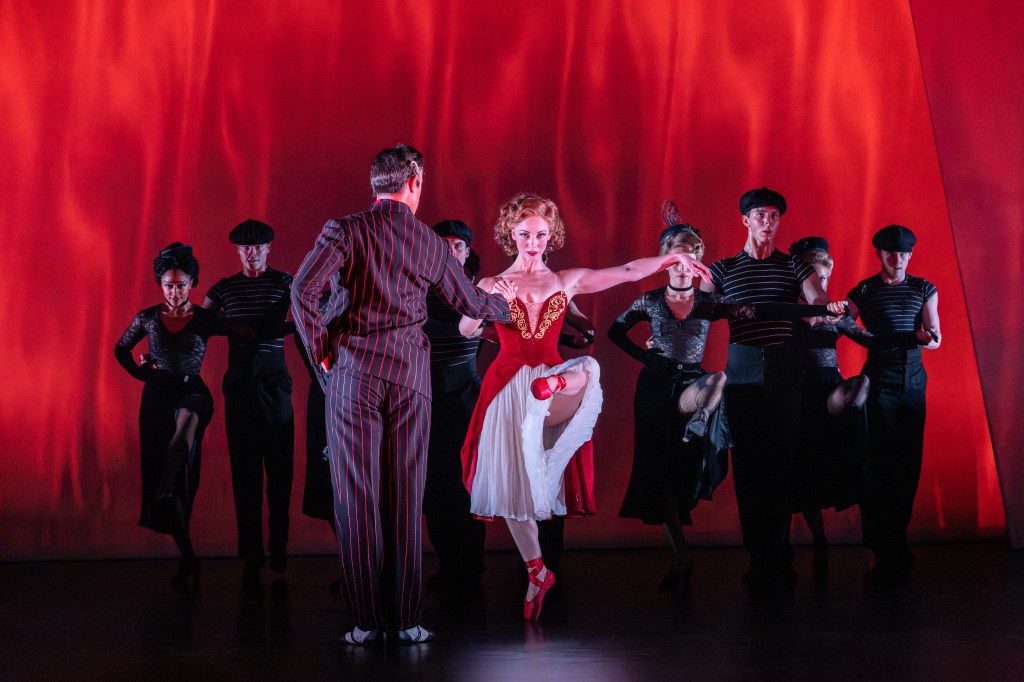
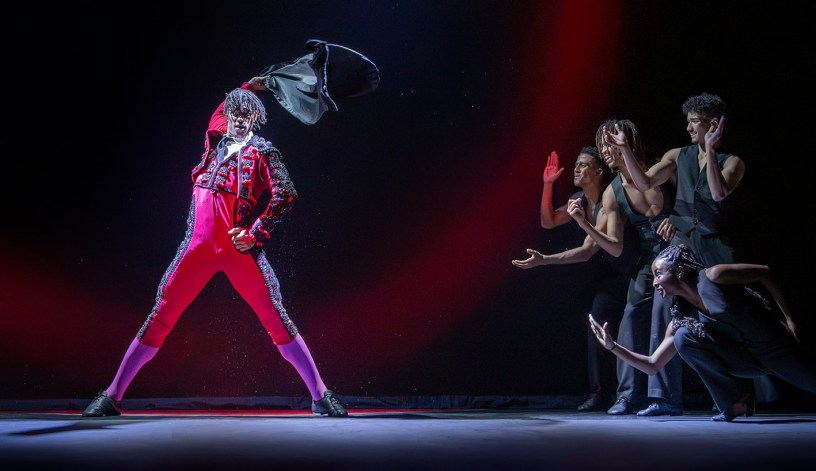
Acosta Danza arrived at the Opera House in Manchester last night, presenting Carlos Acosta’s extended version of his production of Carmen. This reworking of such a famous opera and ballet is striking and contemporary.

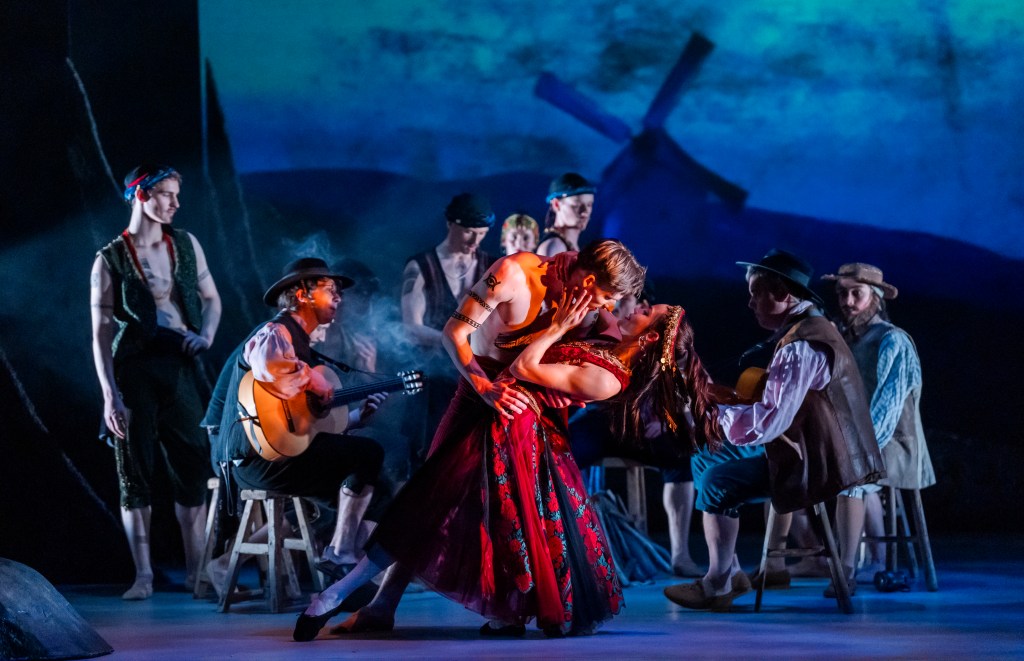
The first act introduces Carmen (Amisaday Naara), a factory worker, and Don Jose (Alejandro Silva), a soldier whose lives collide following Carmen’s arrest. One of the most memorable moments occurs early on. The pair weave in and out of a caged structure, Carmen’s wrists bound to a rope held by Don Jose. The choreography here is particularly clever, clearly requiring complex problem solving and meticulous rehearsal to avoid any accidental entanglements. It visually captures the power dynamic and growing tension between the two characters.
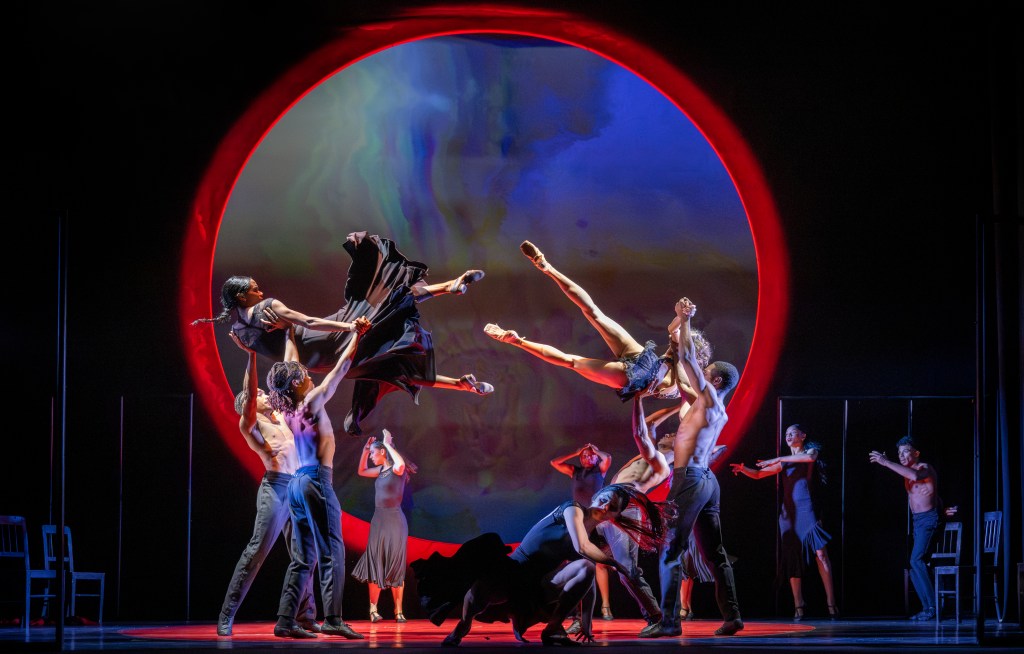
Naara and Silva portray the intense passion of Carmen and Don Jose’s relationship excellently. Their chemistry is undeniable, enhanced by beautiful lines and stunning classical technique. The whirlwind romance feels fuelled by lust and circumstance rather than genuine love, which makes their eventual downfall even more inevitable.

One character I struggled to fully connect with was Bull (Aniel Pazos). His presence onstage was undeniably powerful, yet despite Acosta describing him as a ‘Master of Ceremonies’, this did not entirely translate. His function within the narrative felt unclear.
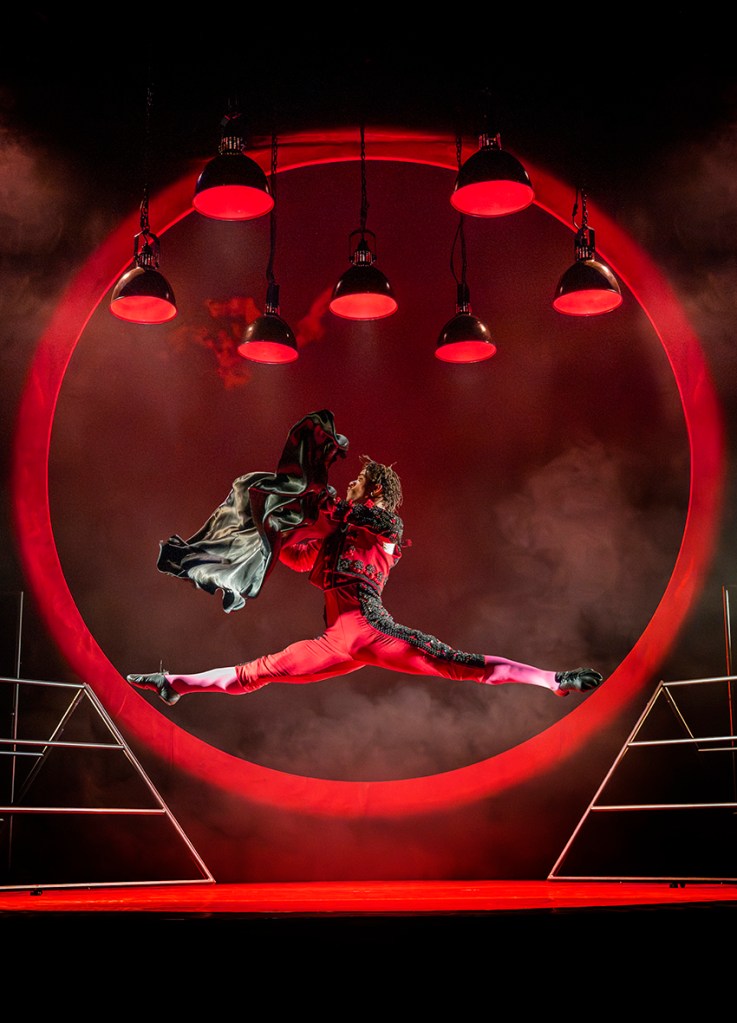
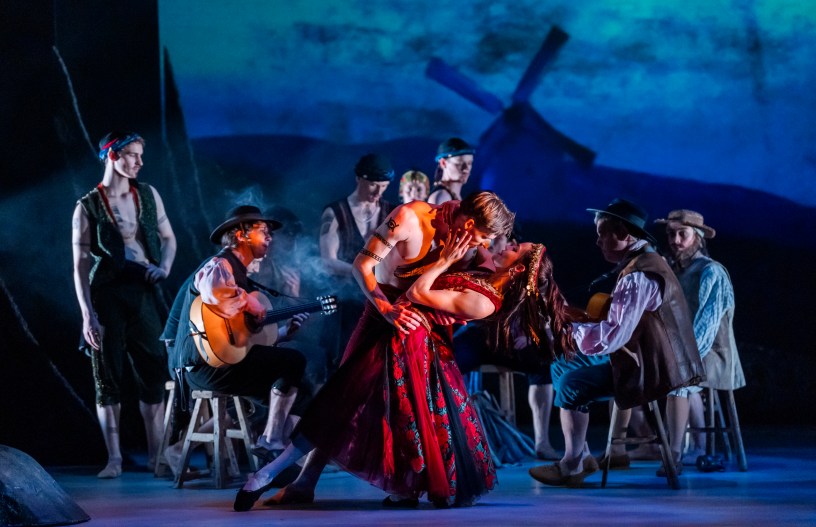
I also felt that some of the corps de ballet sections in Act One lacked the refinement seen in the duets and solos. However, this was resolved in the opening of Act Two which featured the newly added tavern scene for the corps de ballet, which proved to be the standout moment of the entire production. Without having seen the original version, it is difficult to imagine the work without this scene. The dancers brought infectious energy, and the Cuban flair shone through.

 Following this, Escamillo (Paul Brando) is introduced, and Carmen instantly falls for him. In contrast to her relationship with Don Jose, her feelings here feel genuine and you can see she is in love this time. The production builds swiftly to its ending when Don Jose discovers Carmen’s plans to marry Escamillo, and in a fit of jealous rage, tragedy strikes.
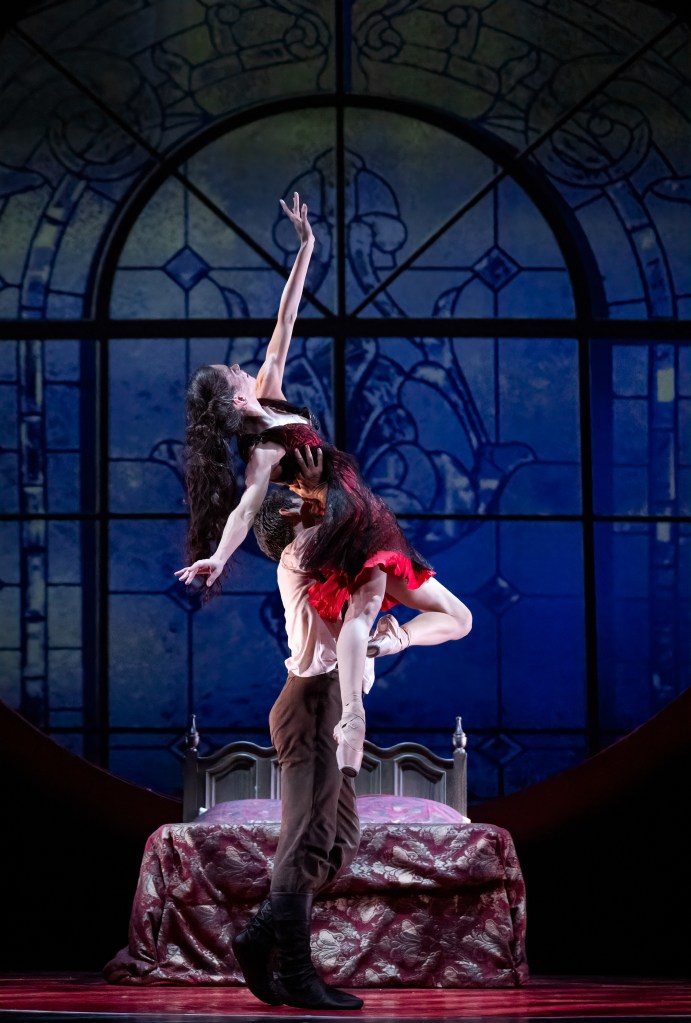
Overall, Acosta’s Carmen succeeds in offering a fresh Cuban-contemporary fusion alongside classical ballet. At just 1 hour and 40 minutes including an interval, much shorter than the classic opera, feels purposeful rather than rushed, keeping the story largely clear and engaging throughout.

Acosta Danza Carmen is on at The Opera House until Saturday 25th April tickets available here.
Ballet Black at 25

Reviewed by Maddie Shimwell

Opening Night verdict ⭐️⭐️⭐️⭐️⭐️

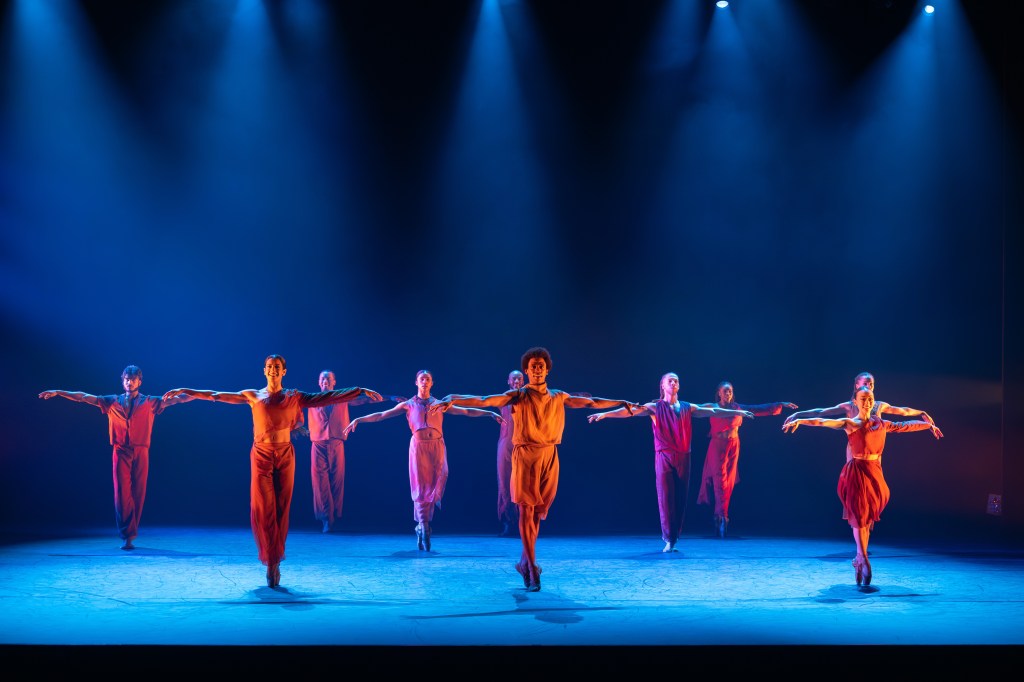
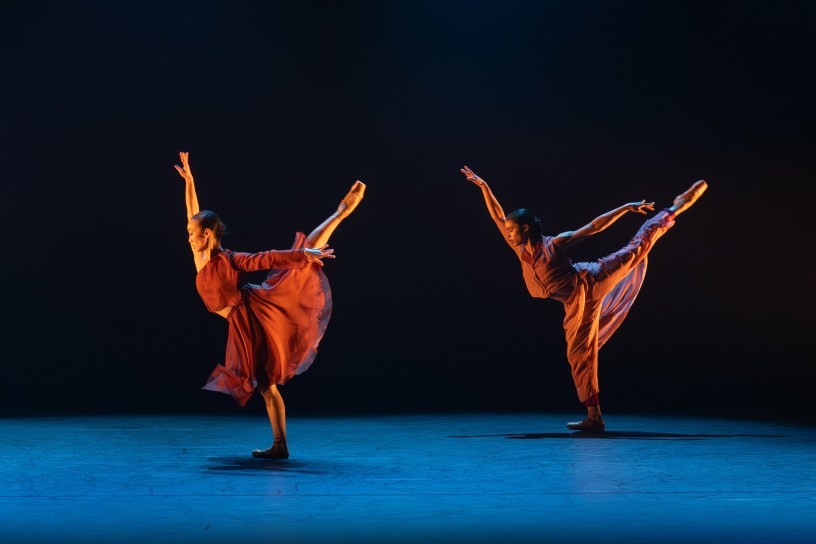
To mark a quarter of a century of beautiful storytelling and cultural impact, Cassa Pancho’s Ballet Black are touring the UK with their Anniversary Programme. The company comprises of 11 dancers. Each artist is given space to showcase their individuality, reinforcing Ballet Blacks continuous commitment and determination to celebrating ballet without stereotype or limitations.

The show opened with ‘…all towards hope.’. A bright and uplifting work choreographed by Hope Boykin. The piece began with the dancers moving to spoken word, written and recorded by Hope herself, immediately setting the tone of unity and having purpose. The message of working collectively to create change and inspire hope, resonated throughout. The choreography was fast paced and technically demanding with intricate footwork, yet this was executed with such precision and an ability to make this seem so effortless.

What really stood out to me was the intentional focus of each dancer as an individual. There was a real sense of celebration of each performer’s own artistry within the company. It added to the message of working towards the same goal together, without the need for uniformity.

One dancer who I could not take my eyes off, was Junior Artist, Bhungane Mehlomakulu who radiated pure joy and I couldn’t help but beam whenever he came on stage. The decision to allow each dancer their own moment for bows, further emphasised the message of celebrating individuality within togetherness. It was a wonderful piece to start the evening with, and did exactly what it says on the tin, delivered hope to those who watched it.

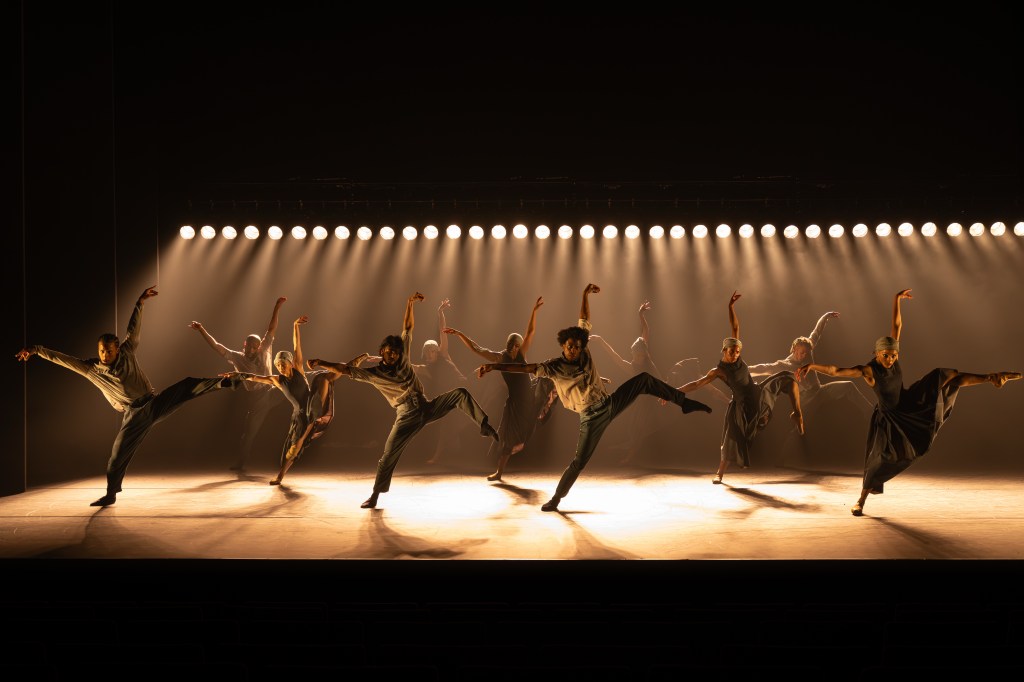
The second piece of the double bill was ‘INGOMA’ choreographed by Mthuthuzeli November. It is the most captivating piece of storytelling I have ever seen. This was an incredibly emotive performance depicting the aftermath of the horrific massacre at the African mine workers’ strike in Marikana 2012 focussing on the grief experienced by the families left behind. The artists showed such emotional depth to their performance. Conveying their despair, anger and pain with authenticity and physical intensity.

The work was incredibly physical and rhythmical, requiring a huge amount of stamina and strength, and each artist rose to the challenge. It was unbelievably inspiring, thought-provoking and showed the power of dance.

The evening was an emotional rollercoaster from hope to heartbreak, and they took us along for the ride. The whole company deserved the standing ovation they received, acknowledging the incredible talent on stage.

Further information and tour dates can be found here.

BRB: Don Quixote

Reviewed by Maddie Shimwell

Opening Night verdict ⭐️⭐️⭐️⭐️⭐️

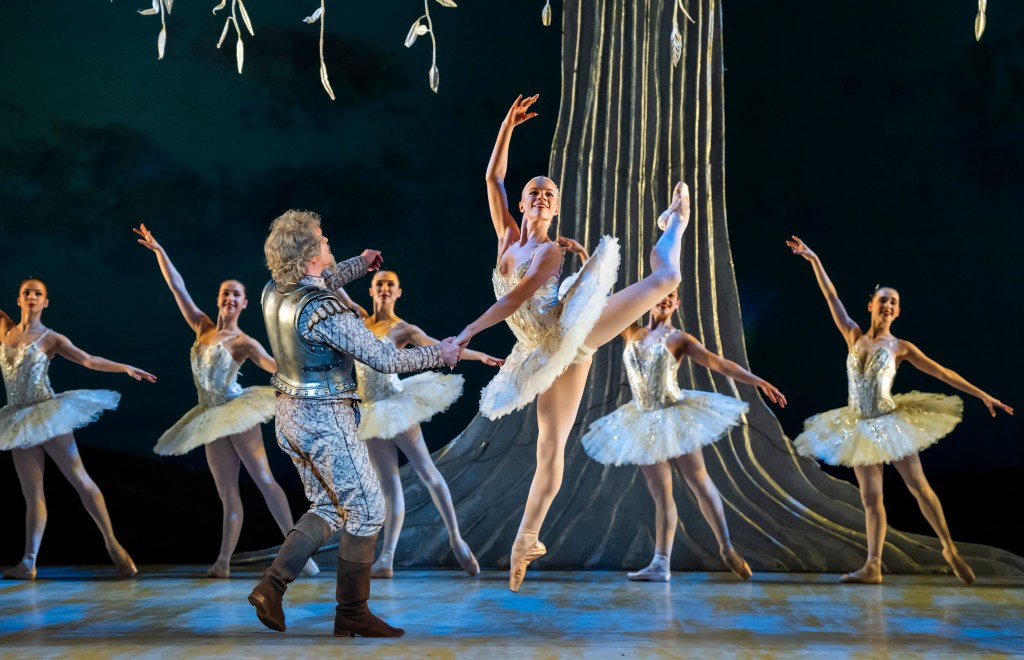
Don Quixote, known for its energised Spanish flair, comedy, and vibrant pas de deux, was originally choreographed by Marius Petipa in 1869. Carlos Acosta has brought back his 2022 version, to The Lowry, performed by Birmingham Royal Ballet,

We follow Don Quixote (Dominic Antonucci), who acts as a matchmaker for young lovers Kitri (First Soloist Beatrice Parma) and Basilio (First Soloist Enrique Bejarano Vidal). At the same time, Don Quixote grapples with reality and experiences hallucinations of his dream woman, Dulcinea (Daria Stanciulescu), whom he mistakes Kitri for. 

Of course, there must be a barrier to Kitri and Basilio’s love. Her father, Lorenzo (Rory Mackay), disapproves of the relationship as he wishes Kitri to marry a rich nobleman, Gamache (Jonathan Payn), and not a poor barber like Basilio! After Basilio fakes his death (and comes back to life!), her father gives the couple his blessing, and celebrations begin. 

This performance has everything you want from a ballet…flamboyant costumes, a fantastic live orchestra conducted by Thomas Jung, and dramatic fainting scenes delivered with perfect comedic timing. One element of the story that many other classical ballets have, but is missing from Don Quixote, is tragedy…which was so refreshing!  It is full of fun, joy, and humour…even the ‘suicide’ was comedic! 

Highlights of this particular version were the incredible solos and pas de deux throughout the performance from Beatrice Parma and Enrique Bejarano Vidal. The grand allegro, turns, and lifts were made to look effortless. My favourite pas de deux was their duet against the silhouette of a windmill and sunset, with no other distractions.

The set design by Tim Hatley was stunning, featuring glistening leaves hanging from vines, large brick arches decorated with flowers, and rose petals falling from above. Another element that helped transport the audience to 17th-century rural Spain was the live on-stage guitarists, Tom Ellis and Dan Thomas who played traditional Spanish music around a fire. 

A final mention must go to Amour, performed by First Soloist Riku Ito during the dream scene. Ito had flawless technique, with fast footwork and amazing stage presence. Kitri’s friends, Olivia Chang-Clarke and Katherine Ochoa, also brought contagious energy to the performance. I would highly recommend watching this stunning production if you get the chance!

Don Quixote is on at The Lowry until Saturday 9th March, tickets are available here.

The Red Shoes

Reviewed by Matthew Forrest

Opening Night verdict ⭐⭐⭐⭐⭐

Credit: Johan Persson

It’s nine years since Matthew Bourne’s The Red Shoes first graced the stage to great critical and commercial success. Now, those elegant yet troublesome rouge ballet slippers have been taken out of storage once more for a nationwide tour in 2025/26, stopping off at The Lowry, where a Matthew Bourne ballet has become something of an autumn tradition.

Based on the 1948 British film The Red Shoes by Michael Powell and Emeric Pressburger, the ballet is set between London, Paris and Monte Carlo and follows ballerina Victoria Page (Ashley Shaw), who catches the eye of dance Svengali Boris Lermontov (Andy Monaghan). Captivated by her immense talent, Lermontov offers Page a place in his prestigious dance troupe. There, she meets another of his protégés, composer Julian Craster (Dominic North), who has been tasked with creating a new ballet.

Credit: Johan Persson

Lermontov is a perfectionist who demands that his dancers devote themselves entirely to their art – anything else is merely a distraction. Inspired by his patron’s obsessive tendencies, Craster pens a new work based on the grisly Hans Christian Andersen fairytale The Red Shoes. Page takes the lead role in the young composer’s creation, and the production becomes a runaway success, with Page emerging as a star.

But as Page and Craster’s collaboration deepens into romance, their growing bond enrages the controlling and possessive Lermontov, setting in motion a chain of events with devastating consequences for all involved.

Credit: Johan Persson

Once again, Matthew Bourne and the team at New Adventures have delivered a production brimming with talent. With a story rich in passion, tragedy and a generous dose of humour, it offers something for everyone to enjoy.

This is very much a love letter to theatre and dance, highlighting the sacrifices performers and creatives make to bring a show to the stage. We’re given a behind-the-scenes glimpse into auditions and rehearsals, complete with all the tension, jealousy and rivalries that inevitably arise. Then comes the staging of the show itself, followed by the poignant question of what happens when a performer can no longer do what they love to the acclaim they once received. It makes for truly fascinating viewing.

Credit: Johan Persson

As you would expect, the production features several exceptionally choreographed set pieces, with the gloriously colourful “Ballon de Plage” standing out as a particular highlight. This is later contrasted with the beautiful, gothic staging of Craster’s masterpiece in The Ballet of The Red Shoes. My personal favourite, a scene titled A Music Hall, is a perfect example of what this production does so brilliantly – beginning with humour and lightness before descending into a twisted nightmare, merging comedy with horror, the light with the dark.

There are several outstanding performances throughout. Ashley Shaw is fantastic as the lead, guiding us through her character’s journey from a young upstart to the driven, passionate star she becomes. Making her fall from grace is all the more heartbreaking, Shaw portrays it with remarkable sensitivity and depth. Equally impressive is Dominic North as the ambitious writer; his descent from confident, showy musician to frustrated, spurned lover is filled with a quiet sadness.

Credit: Johan Persson

Andy Monaghan cuts a brooding, menacing figure as the embittered Lermontov, while Glenn Graham is a captivating stage presence as Grischa Ljubov, the cherographer/character artist who drifts delightfully between over-the-top comedy and devilish seducer.

Another element that deserves special mention is the superb set design by Lez Brotherston. The almost ever-present movable arch and grand drape become characters in their own right, gliding around the stage, interacting with the dancers and serving as essential components of the storytelling. Visually, it is consistently impressive.

Credit: Johan Persson

The production is further enriched by the music of Hollywood composer Bernard Herrmann, renowned for his work on Citizen Kane, Taxi Driver and more, with selections from Fahrenheit 451 adding depth, atmosphere and dramatic weight.

Yet again, this is another triumph for Bourne and his team, one that will see these Red Shoes continue to dance on and on, dazzling audiences for years to come. It is fantastic storytelling, delivered by a supremely talented company at the very top of their game.

Matthew Bourne’s The Red Shoes is on at the  Lowry until Saturday 29th November tickets are available here.

Quadrophenia, A Mod Ballet

Reviewed by Matthew Forrest

Opening Night verdict ⭐⭐⭐⭐

Quadrophenia has taken on many guises down the years: From its origins as The Who’s sixth studio album/ rock opera. It later became a hugely popular film, and later a classical opera. Now ballet has a crack at breathing life into this ever changing, highly influential piece of work.

In 2016 composer Rachel Fuller, composer, scored a classical adaptation of The Who’s 1973 album Quadrophenia, written by The Who guitarist and Fuller’s husband Pete Townsend. The reimagined album was called Classic Quadrophenia, and it provides the score for the ballet.

We are introduced to the troubled young man, Jimmy (Paris Fitzpatrick). He is struggling to make his way in the world, his home life with his parents isn’t great, he is being treated for mental health issues, and is struggling with the daily grind of boring dead end jobs. Jimmy is desperate to escape. He sees his way out coming through the mod way of life: drugs, sharp clothes, and great music. In addition, Jimmy is smitten by a young woman (Taela Yeomans-Brown) who is also a fellow mod, who also happens to be dating the leader of a gang of mods, the charismatic Ace Face (Dan Baines).

Director Rob Ashford and choreographer Paul Roberts have done a superb job bringing to life Townsend’s vision and putting it up on the stage. Throughout, the dances range from the frenetic to subtle and measured. There are a mix of huge ensemble routines such as the brilliantly crafted 5:15pm, which sees Jimmy take a packed train to Brighton and the act one closer of Who favourite Can’t Explain intertwined with the ballet’s beating heart: the song Love Reign O’er Me. Where Jimmy finally gets noticed by the Mod Girl of his dreams.

In addition to the big ensemble numbers, the production has some surprising moments of warmth. Cut My Hair, which sees Jimmy meet up with his friend (Euan Garret), who happens to be a rocker, the sworn enemy of the mods, is a tender moment, a brief respite from the conflict raging in Jimmy both internally and externally. Whilst a sequence showing Jimmy’s father PTSD from the war, is a surprising, yet welcome addition.

There are fine performances throughout: Paris Fitzpatrick is fantastic as the angst-riddled Jimmy, he’s managed to bottle up the raw emotion and channel it into his turn, from teenage kicks to a broken heart, you have sympathy with the young mod’s situation throughout. Taela Yeomans-Brown as the Mod Girl gives a delicate performance filled with grace and charm. Whilst Dan Baines is a must-watch as the effortlessly cool mod of the moment: Ace Face. The interaction between Brown and Baines showcases the intensity in their relationship.

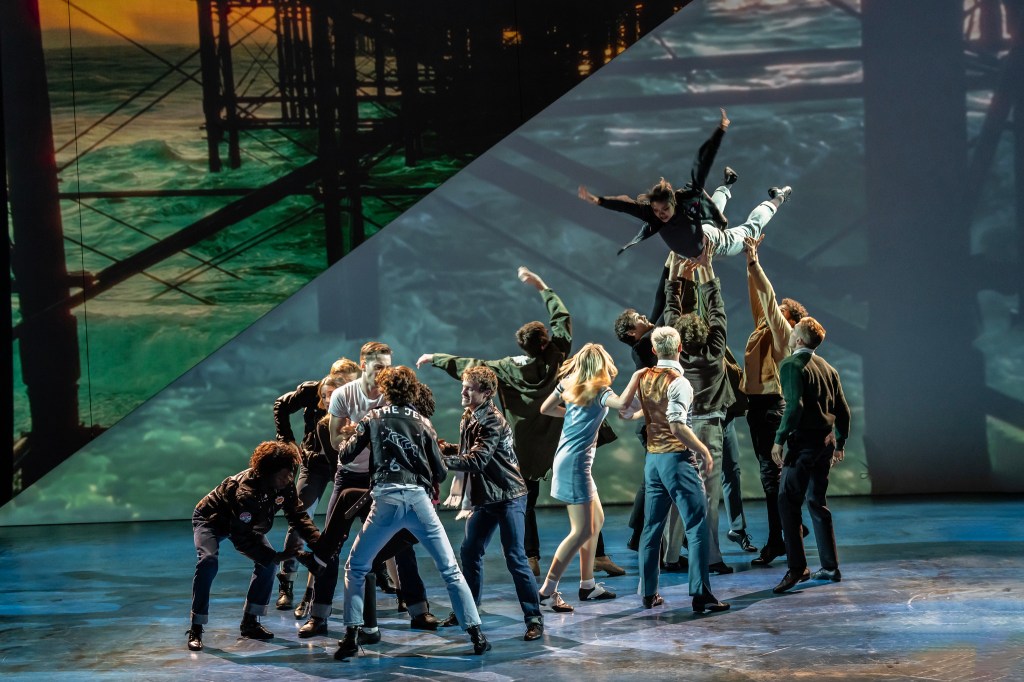
One of the absolute joys of the production is just how good it looks.  The costumes from designer Paul Smith are fabulous throughout, the suits look crisp and sharp, the dresses are bold and stunning, they pull that neat trick of capturing the spirit of the 60’s whilst still managing to look contemporary. In addition to the costumes the video design and staging is superb. The opening/closing sequence on the rocks at the seaside, are beautifully haunting, whilst other highlights include a scene outside a late-night diner as Jimmy dances with his reflection just adds extra depth to proceedings.

Overall, this is a faithful yet unique take on this captivating story. Fans of the original album will enjoy the fresh arrangements the fuller orchestration brings, whilst ballet fans will enjoy a super talented set of performers at the top of their game. Like the RAF roundel at the heart of mod culture, Quadrophenia, A Mod Ballet more than hits the target.

Quadrophenia, A Mod Ballet is at the Lowry until 19th July tickets are available here.

Quadrophenia A Mod Ballet, Lyric Theatre, Lowry, Quadrophenia, Rachel Fuller, Pete Townsend, Paris Fitzpatrick, Taela Yeomans-Brown, Dan Baines, Rob  Ashford,  Paul Roberts, 5:15pm, Can’t Explain, Love Reign O’er Me, Cut My Hair, Euan Garret, Paul Smith

Matthew Bourne’s Swan Lake: The Next Generation

Reviewed by Matthew Forrest

Opening Night verdict ⭐⭐⭐⭐⭐

It may come as a shock but Matthew Bourne’s ground breaking retelling of Tchaikovsky’s Swan Lake premiered some 30 years ago. The show sent shockwaves through the ballet world, and is about to do the same again as Matthew Bourne’s Swan Lake: The Next Generation is spreading its wings and taking flight for a full UK tour, in 2024/25. Hopefully it won’t break any arms (strangely the third most internet searched thing about swans), but may well leave you heartbroken.

Arriving at the Lowry this week, this contemporary version sees a young Prince (Stephen Murray) woken from his slumber by a nightmarish vision of a swan. Not long after the dream, the Prince is thrust into public life by his emotionally distant mother the Queen, (Ashley Shaw), who is far more interested in flirting with the guards than showing her son any affection.

The Private Secretary (Benjamin Barlow Bazeley) sets the Prince up with a young woman, known as The Girlfriend (Bryony Wood), with the pair hitting it off. However, a series of very public gaffs by the Prince’s girlfriend leads to a near violent altercation between the Prince and the Queen, which sees the Prince flee in a drunken rage. With thoughts of suicide, the Prince goes to a local lake, only to be saved by a swan, (Jackson Fisch) the same swan from his dream. The pair are instantly attracted to each other and fall in love.

However, the course of true love doesn’t run smooth, a grand ball is hosted by the Queen, with princesses from across the land in attendance. At the ball, the Private Secretary’s son arrives, who has more than passing resemblance to the swan the Prince has fallen for. The man, dressed in all in black soon, begins to wow the princesses and even the Queen with his sexually charged dance moves and confident swagger, which upsets the males in attendance as well as the Prince, leading to the evening ending in tragedy. 

Even after 30 years this bold, innovative adaptation still manages to cast a spell on an audience like no other. The sight of muscular male dancers playing the part of the elegant swans is a powerful image and one that will stay long in the memory. It’s a master stroke, that the swan’s shift from elegant beautiful creatures to aggressive protectors, hissing and stomping at anyone who dares cross them. Visually it looks stunning as Bourne’s exceptionally choreography moulds perfectly with long-time collaborator Lez Brotherston’s gorgeous swan costumes.  It’s as intense as it is captivating.

For me the greatest trick Bourne pulls is how accessible his ballets are and Swan Lake is no different. There is a mixture of classical ballet, jazz and contemporary dance, which allows for a different viewing experience.  In addition, despite the tragedy at its core, the production is littered with some great comedic moments, from the appearance of a puppet dog, to a hilarious scene at the theatre. Whilst there is always something going on in the background with arguing couples or many a suggestive glance.  I laughed more at the comedic elements in this than I have at many supposed comedies.

The performances of Jackson Fisch and Stephen Murray as the ill-fated lovers is a triumph, with both putting their heart and soul into the performance. Bryony Wood puts in a scene stealing turn as the Girlfriend: it’s a comedic turn that entertains throughout. Benjamin Barlow Bazeley cuts an imposing presence as the villainous Private Secretary. The whole ensemble cast work tirelessly throughout, mastering the various dancing styles and making this a truly memorable experience.

In addition to the fabulous costumes, Lez Brotherston’s huge set design is impressive: from grand palace interiors to seedy back street night spots. It fills the stage, making it feel huge. The lake setting is hauntingly beautiful.

It’s another triumph for Matthew Bourne: rich, engaging storytelling, beautifully assembled by a true master of his craft.


Matthew Bourne’s Swan Lake: The Next Generation is at The Lyric Theatre, Lowry until 30th November. Tickets available: Here

Birmingham Royal Ballet – Sleeping Beauty

Reviewed by Alicia Graham and Jan Halloran

Opening Night verdict ⭐️⭐️⭐️⭐️⭐️

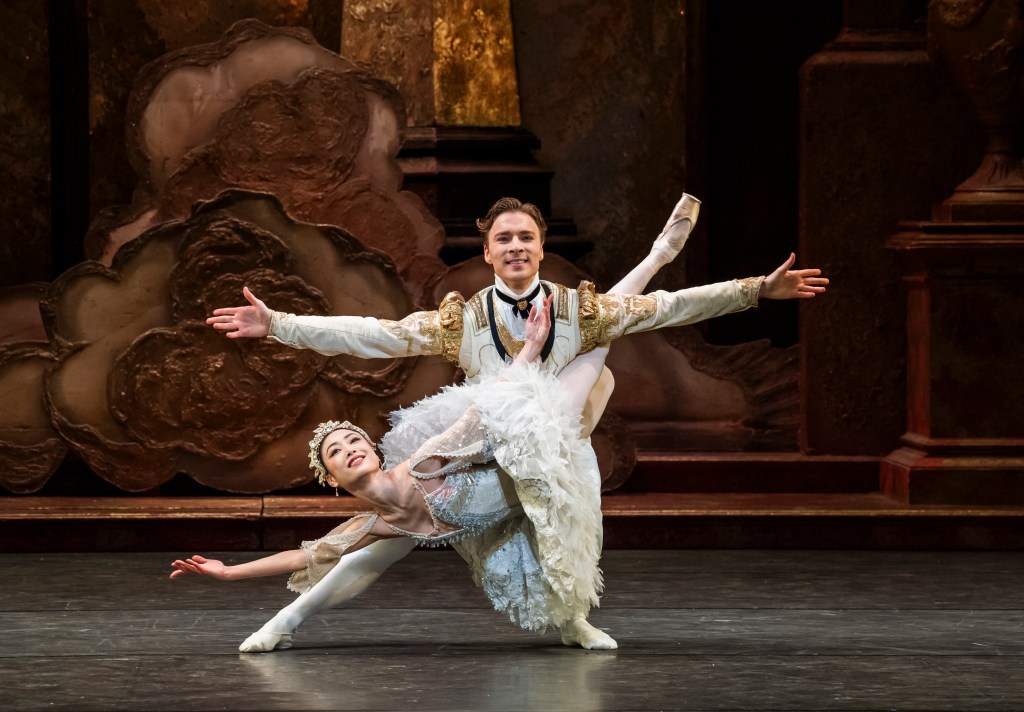
The Birmingham Royal Ballet’s 40th anniversary production of The Sleeping Beauty delivered a pure classical ballet experience. Artistic Director Carlos Acosta brings the iconic, Sir Peter Wright production to life in all its gilded glory to The Lowry. Salford.

Originally choreographed in 1892, Marius Petipa’s chorographical footprint is prevalent throughout this production accompanied with Tchaikovsky’s stunning orchestral composition that paints exquisite pictures. 

Sleeping Beauty is a master class in dance history, whilst being truly accessible to all. BRB do not disappoint with this exquisite production. Supremely talented dancers, exhibit artistry, dramatic characterisation and technical prowess. 

The Royal Ballet Sinfonia are a joy, truly integral to the classical experience, the overture enveloping you in familiar strains that hint of the narrative to come.

A golden production, the imperial, sumptuous, set shimmered and the costumes, many restored from the original production, created a true spectacle and the lighting design complemented the story beautifully.

This classic well known fairytale where good triumphs over evil, begins with the prologue, the curtain opening onto a majestic court where the baby Princess Aurora is to be christened. Catalabutte, the Master of Ceremonies, keeps checking his list of invites, something is worrying him. Courtiers sweep and glide across the stage in heavy brocade and velvet, the costumes dancing with every choreographed step. The choreography brings the music to life through incredible musical visualisation.

Fairies shower Aurora with their gifts, showcased in a solo dance, of beauty, honour, modesty, song (a particularly enchanting performance), temperament and joy.

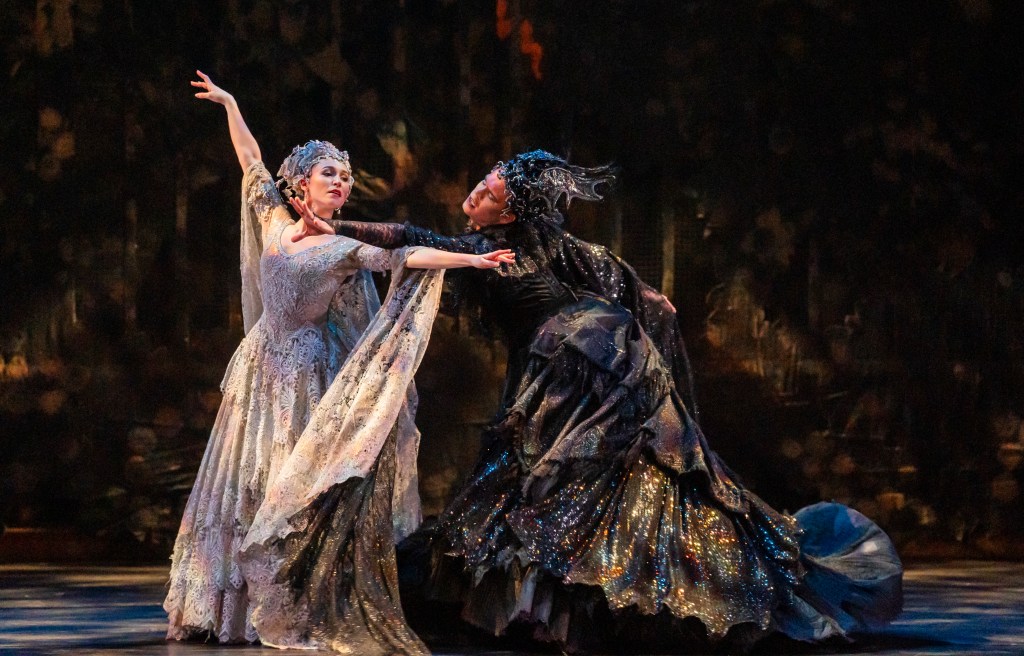
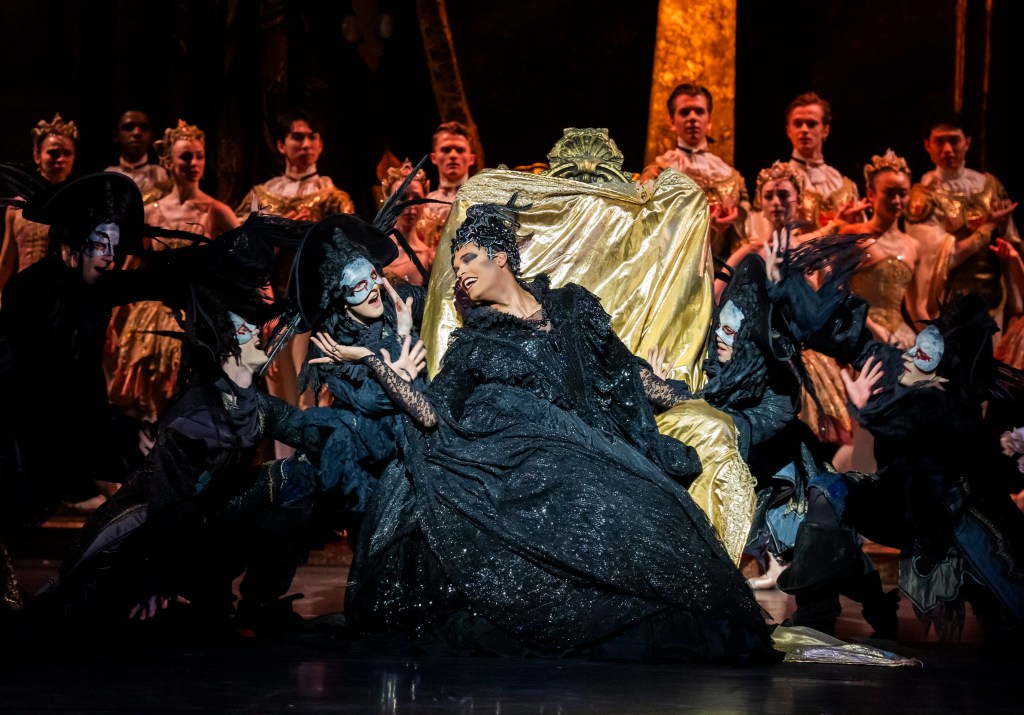
Ominous tones from the tympani drums signal foreboding. Enter Carabosse on an imposing chariot, ready for battle carried high by her crow-like attendants.  Threateningly evil movements inhabit her body. Incensed because she was not invited, Carabosse threatens that her gift is that Aurora will die if pricked by a needle. A mimed battle ensues between Carabosse (Daria Stanciulescu) and the Lilac Fairy (Ellis Small), who triumphs as her spell is the last to be granted. Aurora will not die, she will sleep for a hundred years.

Act one celebrates Auroras 16th birthday at the court. As the familiar notes of the beautifully choreographed garland dance are heard, you can hear the audience humming along to the familiar soundtrack. Mokomo Hirata makes a joyful entrance, full of youthful innocence.

As the famous Rose Adagio begins there is no apprehension in Hirata of the technical challenges to come. The adagio is danced with fluidity and a cheeky smile as she coyly eyes up the suitors.

Suddenly a stranger enters with flowers for Aurora, concealing a spindle, which intrigues her. Despite the best efforts of the courtiers Aurora pricks her finger, the hooded stranger is revealed as Carabosse, and again the Lilac Fairy enters to spread calm and send Aurora and the whole palace to sleep.The castle is cocooned in thorns, (the descending set here is dramatic) until a handsome prince will come and awaken Aurora with a kiss.

A hundred years pass. Hunters enter the wood in front of the hidden castle. A cleverly light-hearted scene, the hunters in wonderfully accentuating bustles, wield their whips. Prince Florimund (Max Maslan) as the handsome prince, looking for true love is introduced, showing precise, authoritative technique with exquisite, ariel batterie.

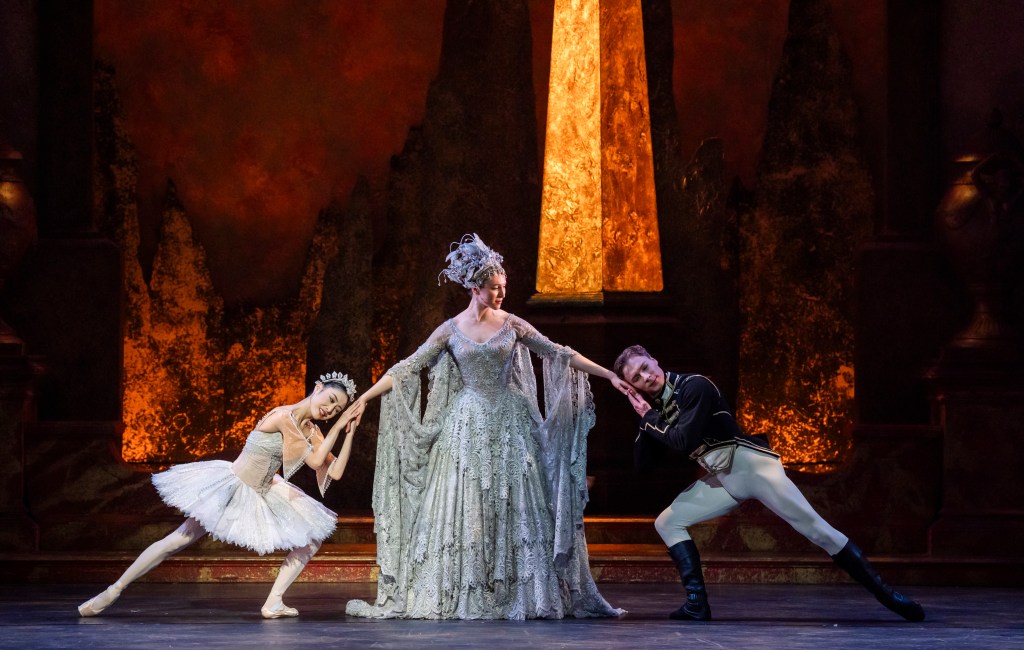
Finding himself alone, he is entranced by a misty vision of Aurora introduced to him by the commanding yet ethereal and elegantly empathetic, Lilac Fairy and her atmospheric woodland fairies. He begs the Lilac fairy to take him to Aurora. Despite Carabosse’s wildly treacherous and evil protestations, his love parts the thorns. Good prevails, on finding Aurora he seals his love with a kiss, awakening Aurora and the court, signalling the triumph of good over evil.

A sparkling, rejoicing court dressed in opulent finery,welcomes the new Prince and Princess to their royal wedding celebrations with guests providing the entertainment for the court, displaying the talents of BRB’s dancers.

An exuberant Pas de Quatre was danced with beautiful synchronicity. Puss-in-boots and the white cat positively purred, delighting in their pas de chats, whilst their spines meowed. Red riding hood and the Wolf brought lovely humour. Bluebird soared with winged gestural arms and the Enchanted Princess with her beautiful smile was truly enchanting. Their pas de deux was breath-taking.

Hirato and Maslan steal the show as their solos and pas de deux showcase their talents. Increasingly complex choreography is performed effortlessly, the partnership setting the stage and audience alight. The production comes to an end in the most glittering finale leaving the audience feeling like they’ve attended a very important occasion. This is a ballet not to be missed which will thrill experienced and inexperienced ballet goers alike.

Birmingham Royal Ballet’s Sleeping Beauty is on at The Lowry until Saturday 9th March, tickets available here.
Giselle

Reviewed by Nikki Cotter

Opening Night verdict ⭐️⭐️⭐️⭐️⭐️

Following its 2016 premiere right here at Manchester’s Palace Theatre, Akram Khan’s Giselle has gone on to wow audiences the world over. This hauntingly beautiful reimagining of the classic 1840’s ballet which was originally co-produced by Manchester International Festival and Sadler’s Wells is brought brilliantly up to date.

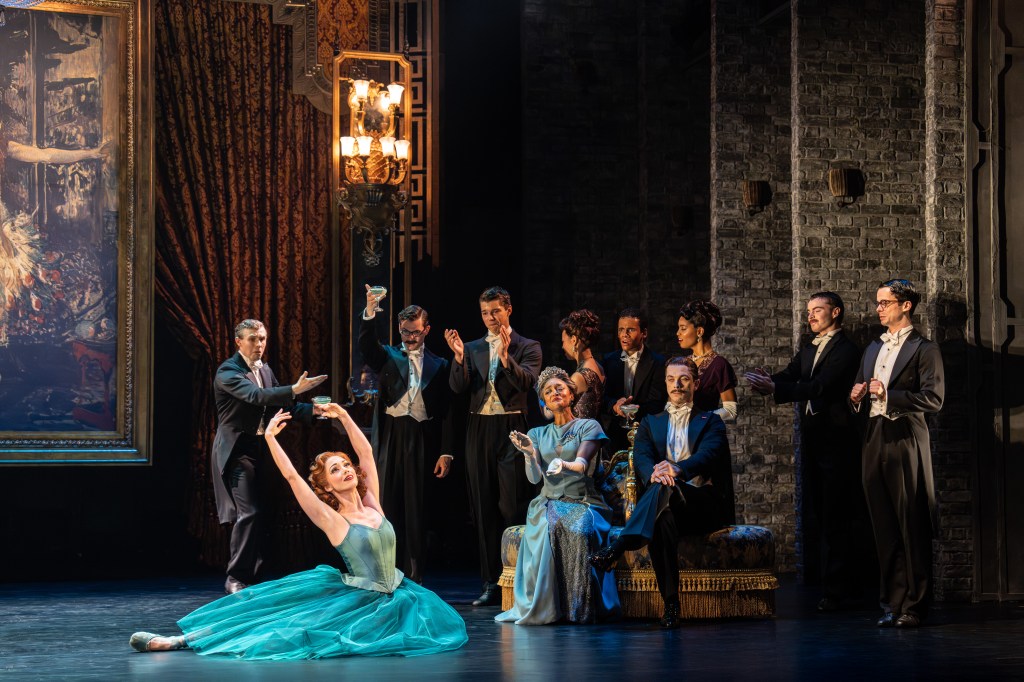
We see Giselle (Erina Takahashi) portrayed as a migrant worker, disposable to her employers and banished with the rest of her community behind a thick and impenetrable wall. Their only use seemingly to provide entertainment on demand for the elite, the landholders, as and when they require it.

Despite this barren, bleak life Giselle still finds a hope to cling to in the form of her lover, Albrecht (James Streeter), a wealthy suitor who has been so bewitched by Giselle’s beauty he disguises himself as an outcast in order to be with his love . The pairing of the two young lovers has not gone unnoticed by Hilarion (Ken Saruhashi) an opportunist peasant ‘fixer’ who is fluid with his allegiance in order to benefit himself. Sadly, for Giselle and Albrecht, the opportunity to raise himself up by exposing Albrecht is too much for Hilarion to resist.

Everything about this reimagined piece is so wonderfully stylised it’s hard to imagine another version of this stunning ballet. Vincenzo Lamagna’s reworking of Adolphe Adam’s score injects an intense theatricality while Mark Henderson’s dynamic lighting design adds depth with its impactful moments of light and shade.

Tim Yip’s visual design and incredible costumes ensure the characters and classes within this production are clearly defined adding superbly to the strength of the storytelling.

Act I introduces us to our principle characters and is a feast of contemporary movement featuring galloping, contorting, artists of the company in contrast to the gliding, considered steps of the elite. There are moments of joy as we see Giselle falling in love, celebrated by a light, gentle pas de deux delivered to perfection by Takahashi and Streeter.

This enthralling physical and emotional expression continues through to Act 2 as we see the wall which has been used to separate the classes until now acting as a gateway into the underworld where ghostly Wills dance en pointe, eerie yet beautiful with each determined movement. The skill displayed by the company in particular Emma Hawes as Myrtha, Queen of the Wills is nothing short of spectacular.

Saruhashi as Hilarion weaves his way impressively throughout the company, commanding in his presence delivering a clearly defined character. While the pairing of Takahashi and Streeter is enthralling, the delicacy and precision of their movements highlighted wonderfully by two stunning yet entirely contrasting pas de deux.

Khan, who hails from a background in Indian classical dance has choreographed this piece generously, allowing the physical storytelling to reach an extraordinary emotional depth. Paired with an immensely talented company accompanied by the sublime English National Ballet Philharmonic you have a production that’s utter perfection.

Giselle is on at Manchester’s Palace Theatre until Saturday 21st October tickets available here.
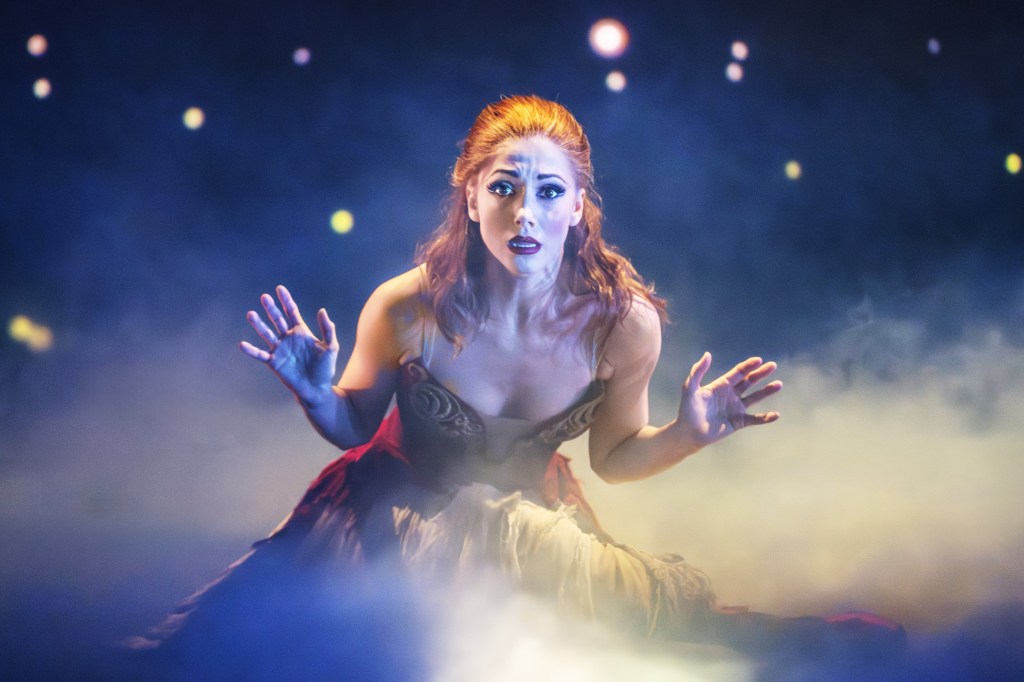
Peaky Blinders: The Redemption of Thomas Shelby

Reviewed by Matt Forrest

Opening Night verdict ⭐️⭐️⭐️⭐️

Peaky Blinders has a lot to answer for: on the one hand it’s one of the most popular TV series of the 21st century, what with its sublime performances and killer soundtrack, a great deal of viewers would have it in their top ten list of favourite series of all time, such is the acclaim and love for the show.

The flip side to this, is the rise of “Peaky Blinders” fan boys dressed in flats-caps, and waist coats invading town centre pubs across the land each weekend. Then, there is the almost criminal use of Cillian Murphy pictures in full Thomas Shelby getup, alongside some horrendous quote about respect, usually posted on social media, when someone’s  had a fall out with a friend/family member and is trying to prove a  point, sorry it just winds me up!

However, one offshoot I would never have foreseen would be a dance show. Well, respected dance company Rambert have done just that with their spectacular, Peaky Blinders: The Redemption of Thomas Shelby.

Condensing storylines from the first four series, the show opens as Tommy Shelby’s gang emerge from the trenches  of The First World War. They are a damaged, battered, bloodied bunch, forced to commit violent acts that leave physical and mental scars and shape the way the Peaky Blinders will operate in the future. It’s a stunning opening sequence that perfectly sets the tone for what is to follow, exquisite yet brutal routines, beautifully choreographed by Benoit Swan Pouffer, with moody, atmospheric lighting by Nataha Chivers.

From the battlefields of the Somme, we are transported to the brutal factory conditions of the Black Country, where the female gang members, Polly and Ada take centre stage. They fight a different war, a war of oppression and greed perpetrated by a sleazy, factory foreman, showing just how vital women were to the Great War cause, and how they kept the country going whilst men were away fighting. Again, this is a visually stunning sequence as the Birmingham industrial scene is brought to life with huge metal chains, fiery pyrotechnics and a wide range of stunning costumes from Richard Gellar.

With introductions done and dusted, the story focuses on the relationship of Tommy and mysterious lounge singer, Grace. What follows is a whirl-wind story of betrayal, romance, and murder, with the backdrop of glitzy, glamorous night clubs and  police man-hunts, gang warfare culminating in a wedding and assassination, and that’s just the first act!

This is a treat for the senses, with Peaky Blinders’ creator Steven Knight on writing duties, he has given us both a greatest hits of the show’s big moments, whilst offering up something new, that of a detailed examination of grief, addiction and trauma, especially prominent in the second act.

The superb, ensemble cast work incredibly hard throughout, with stunning, beautifully choreographed routines, they tread a fine line between elegant and rugged. Visually it packs a punch with so much going on around you it’s hard to know where to focus your gaze.

Set designer Moi Tran’s bold, ambitious staging allows the action to shift from the tunnels and trenches of World War One, to opium houses, to glamourous night clubs. It’s a fantastic use of space as dancers spring out of hidden pockets, it certainly gives the show a frenetic quality.

Other aspects associated with the series are also ever present, an absolute banging soundtrack with reworking of songs by Black Rebel Motorcycle Club, Radiohead and of course the signature Red Right Hand by Nick Cave and the Bad Seeds brought to life by Yaron Engler and a brilliant live band. Also present is TV series regular, the poet Benjamin Zephaniah, who’s always recognisable voice guides us through this bloody, violent world.

My only real issue is the use of dialogue from the TV series, clips of Cillian Murphy and brilliant, greatly missed Helen McCrory are occasionally played throughout, but due to the sound mix are at times inaudible, which as is as you might expect is rather frustrating.

This is a unique, bold attempt to do something a little different with a much loved franchise, that sees all involved on top of their game and well worth a night at the theatre.

Peaky Blinders: The Redemption of Thomas Shelby is at The Lowry until Saturday 18th March, Tickets available here.
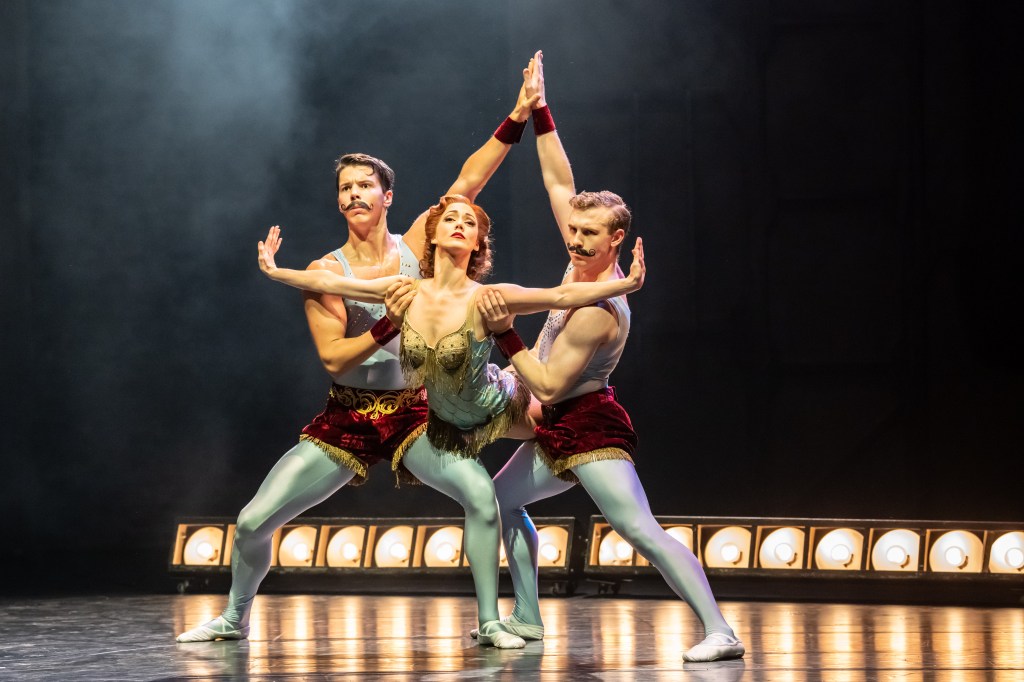
BRB’s Swan Lake

Reviewed by Matthew Forrest

Opening Night verdict ⭐️⭐️⭐️⭐️

Director, Calos Acosta states in the programme notes “Swan Lake, ballet’s greatest
love story.” A statement few would argue against, however it would be fair to say that this
production is that and oh so much more!

The story is that of Prince Siegfried (Mathias Dingman), who, when out hunting with his
friend Benno, (Enrique Bejarano Vidal), witnesses a white swan transform into a beautiful
Princess. named Odette ( Momoko Hirata). Siegfried, captivated by her beauty, falls in love
with Odette, however we learn that the young woman and her friends are under a spell
cast by the evil magician, Baron von Rothbart (Jonathan Payn).

A masked ball is held for the young Prince’s birthday where he meets Rothbart’s daughter,
Odile ( Hirata in a duel role), who looks remarkably like Odette. It’s a plan by the magician
in order for his daughter to marry the Prince. However, as you may expect the wicked
warlock’s scheme doesn’t quite pan out.

There is a great deal to admire about this production despite an initial slow start with the
opening act, set at the Prince’s court. It’s a laboured opening with the most of the standout
moments coming from the performance of Enrique Bejarano Vidal, as Benno, who
commanded every inch of the Lowry stage.

However, from Act II, it’s simply outstanding. During this sequence we are introduced to
the gaggle of swans at the banks of a hauntingly moonlit lake. Here we are treated to
some exquisite routines played out to some of Tchaikovsky’s best known and most
treasured music. It felt a privilege to hear such rich, vibrant music played by a full
orchestra, who were flawless throughout tonight’s performance.


Momoko Hirata as Odette/Odile is at the top of her game, she made seemingly impossible
movements look effortless. The numerous fouetté en tournant drawing several shouts of
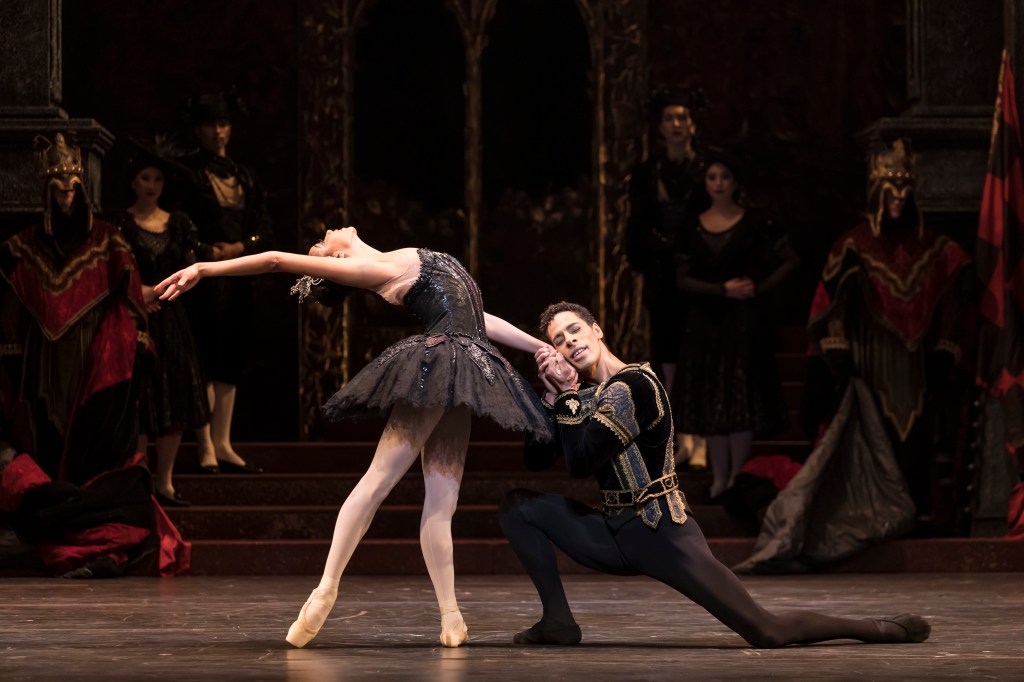
“bravo!” from knowledgeable, enthusiastic audience members. The numerous pas de deux between the Prince and Odette/Odile are gorgeous and wonderfully choreographed. Their duet during Act III at the castle ballroom, is expertly put together and a real showcase for Hirata and Dingman, set against the backdrop of a fabulous grand, gothic ballroom.

As well as the exquisite routines the costumes throughout look fantastic, from the iconic
swan’s outfits to the rich, glamorous costumes of the Act III ball, with lots of bold red and
brown colours, which makes the arrival of Odile and her father decked out in black all the
more striking. Add into the mix the stunning set design for the two interior castle
sequences as well as the enchanting and ethereal lakeside set design and visually it looks
near perfect.

The final act is simply outstanding, and one I don’t wish to spoil, However it opens with a
truly breathtaking sequence, that drew loud audible gasps of delight from the audience
and is certainly one of my favourite moments from nearly 10 years of reviewing. The final
act is a fitting showcase for all involved with the Prince and Odette performing their final
sequence together, whilst the swan’s around were held still in their position, pure focus etched on their faces, making it seem effortless, it really was a sight to behold.


There are a few minor quibbles, I wasn’t a fan of the video imagery of Odette used during
Act III, it just didn’t look right, and this is one very minor but throughout the ball sequences
the Prince would sit on a chair which very much resembled a camping chair you’d seen
scattered around the pyramid stage at Glastonbury. It seemed such a shame that
everything else looks so exquisite, that this chair stands out like a sore thumb. Only a
small detail I know, but once I noticed it I couldn’t unsee it!

The is an elegant, graceful production, telling a timeless story through beautiful
performances and the glorious music of Tchaikovsky, a true master of his craft. On the
basis of tonight’s show, you can more than see why Swan Lake is an endearing and
mesmerising piece of work and one that with productions like this, will always stand the
test of time.

Swan Lake is at the Lyric Theatre, Lowry until the 4th March. Tickets available here.
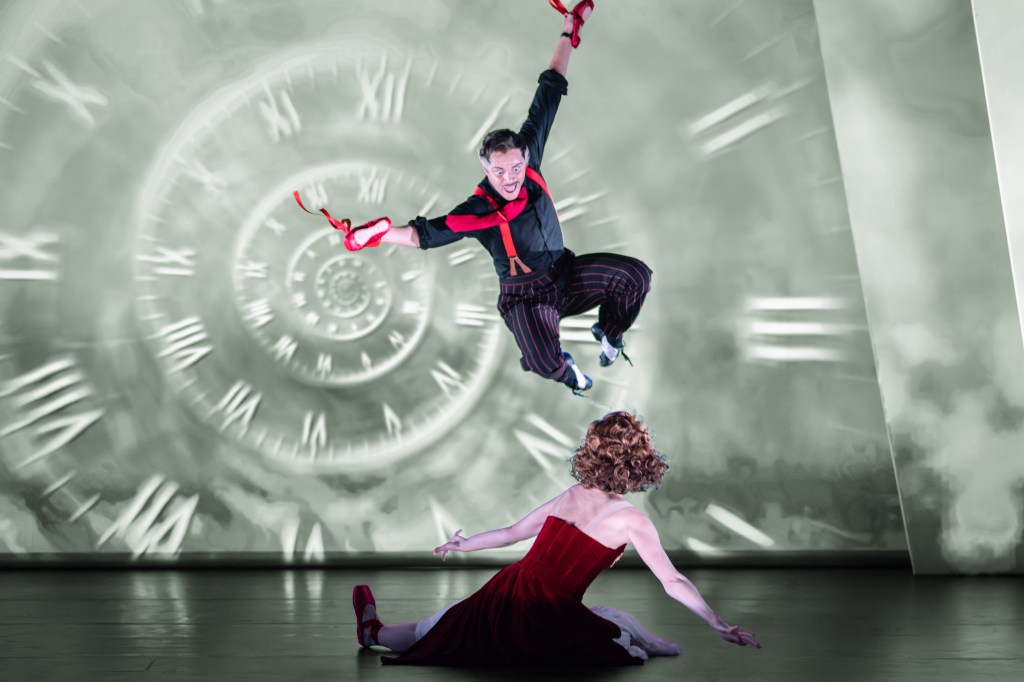
Matthew Bourne’s Nutcracker

Reviewed by Nikki Cotter

Opening Night verdict ⭐️⭐️⭐️⭐️⭐️

First seen on stage 30 years ago, Matthew Bourne’s Nutcracker returns to theatres this autumn with Bourne’s stunning choreography updated while Anthony Ward’s design has been reimagined.

Act 1 takes place in a bleak Dickensian orphanage on Christmas Eve, a far cry from the traditionally lavish Victorian festivities we usually associate with the classic Tchaikovsky score. The orphans live a miserable life, forced by overbearing bullies Dr and Mrs Dross to dance for their visitors in the hope of receiving meagre gifts, which are then swiped by the Dross children, Fritz and Sugar, who pinch and punch their way to the top.

With monochrome colours aside from a few deflating balloons and homemade paper chains the orphanage feels like a desperately dank and dismal place; that is until the Nutcracker, in this case a ventriloquist dummy gifted to orphan Clara comes magically to life, taking her on an adventure she’ll never forget.

As the dark oppressive atmosphere of the orphanage is left behind a brilliant white frosted lake appears while the orphans, and the Nutcracker come bursting into beautiful life.

This winter-wonderland as a contrast to the dismal orphanage is simply magnificent, the slick choreography almost convinces you that each dancer is performing on ice. The illusion of ice-dancing is a real spectacle, leading you into the interval desperate for more.

Act 2 transports us to the vibrant fantasy world that is Sweetieland. Bold and bright with buckets of cheeky humour we watch as Clara falls deeply in love with the now human, Nutcracker. Spiteful Princess Sugar however soon senses Clara’s happiness and quickly steps in to claim the handsome Nutcracker as her own.

The traditional story has been inventively reworked, keeping you guessing throughout. The storytelling really is sublime, there’s humour, originality and heaps of heart while visually it’s an absolute feast for the eyes. Bourne’s choreography while complex and demanding is delivered with such precision and grace it seems effortless and light. The skill of the company seemingly increasing with every scene, special mention must go to the reworking of the traditional ‘national dances’ each and every one is pure joy.

Cordelia Braithwaite is superb as orphan Clara, she dances with such feeling, drawing you into her journey wholeheartedly. Her commitment to winning the love of the Nutcracker (Harrison Dowzell) is heart-warming; I literally couldn’t stop smiling throughout.

Neil Westmoreland and Stephanie Billers are clearly having great fun as Dr and Mrs Dross who reappear as the magnificent King Sherbert and Queen Candy in Act 2 while Dominic North and Ashley Shaw are deliciously devilish as Fritz and Sugar. Both delight in their roles and are wickedly good at being bad.

Harrison Dowzell is wonderful as the Nutcracker, switching from stiff wooden doll-like movements to fluid ballet choreography with ease. His chemistry with both Braithwaite and Shaw is just perfect.

One thing (amongst many others) that Matthew Bourne does so well is make dance accessible, this joyful production is no exception; the characterisation is incredible while the choreography captivates entirely. This really is a show for all and would be the perfect introduction to dance for any theatregoer.

Matthew Bourne triumphs once again in reimagining the traditional and bringing it bang up to date in the most visually spectacular way. Bright, bold and utterly beautiful.

Matthew Bourne’s Nutcracker is on at The Lowry until Saturday 4th December tickets available here.
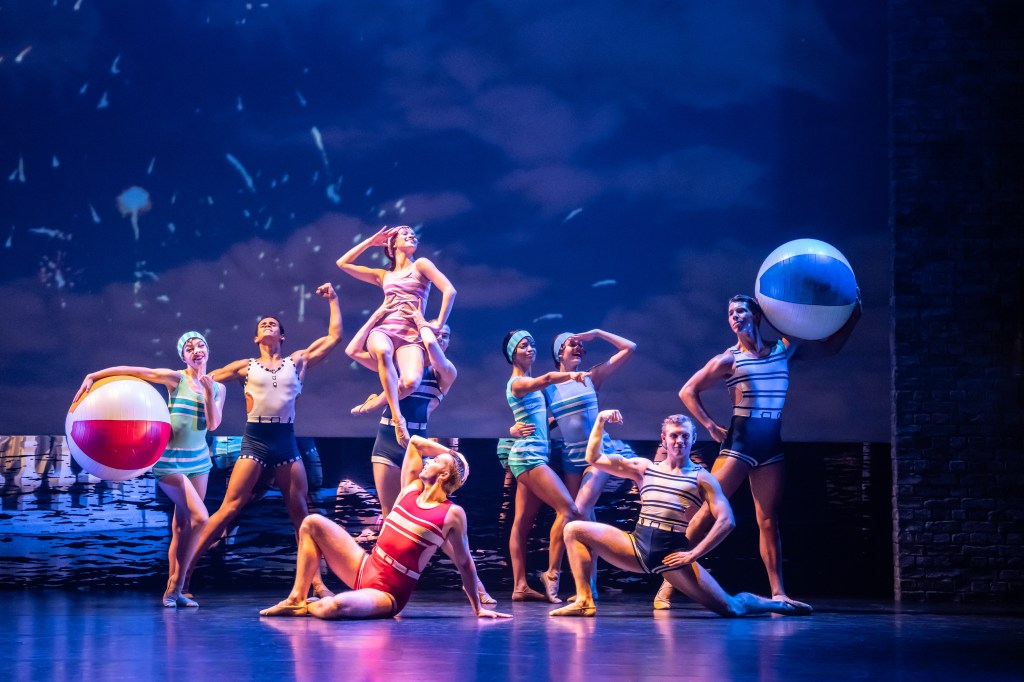
BRB | Swan Lake

49547487538_9d7eab2c69_c

Reviewed by Nikki Cotter

Opening Night verdict ⭐️⭐️⭐️⭐️⭐️

Birmingham Royal Ballet brings ballets greatest love story to the Lowry’s lyric stage this week and it is as breathtakingly beautiful as ever.

Set to Tchaikovsky’s instantly recognisable score, played to perfection by the Royal Ballet Sinfonia, Swan Lake offers an unforgettable night of theatre. From the opening of Act I it’s clear to see why this classic production first created in 1981 by Sir Peter Wright and Galina Samsova remains a firm audience favourite. From stunningly intricate choreography to lavish sets, sumptuous costumes to sensational performances this magnificent production has it all.

49548212797_2234af8f7c_c

Split into four acts Swan Lake tells the dramatic love story of Prince Siegfried and Odette; impeccably danced by César Morales and Momoko Hirata. Opening with a funeral scene following the death of The King, Prince Siegfried’s fear of a forced marriage is realised. With no desire to marry he distracts himself by heading off to the Lake with faithful equerry Benno (danced wonderfully by Tzu-Chao Chou) for a spot of hunting. It is here by the moonlit waters he witnesses the majestic Odette, a stunning Swan Princess who has been cursed to live as a Swan by evil sorcerer Baron von Rothbart. The spark is immediate, and the Prince falls hopelessly in love. From here their dramatic story unfolds, exquisitely told by this highly skilled company.

César Morales excels as Prince Siegfried, athletic yet gentle his bewitching by the glittering Odette feels entirely believable. Momoko Hirata captivates entirely, her elegance as the delicate Odette in complete contrast to the determined and devious Odile. She performs the complex choreography with such graceful ease appearing at times to almost float on air. The pairing of Morales and Hirata works beautifully every intricate movement appears effortless with each moving pas de deux receiving rapturous applause.

49547985106_d3d15fd98c_c

One thing which really stands out in this production is BRB’s ability to consistently deliver complex choreography while still ensuring the storytelling is both clear and well defined. There is never any confusion as to what is happening on stage as the company have wholeheartedly mastered the art of storytelling through dance. The addition of Phillip Prowse’s grand sets and lavish costumes adding depth and richness.

This is truly a company production and no Swan Lake is complete without the iconic cygnets whose presence on stage for the opening of Act IIIV drew gasps of delight prompting a spontaneous applause so impressive was the sight. Their perfectly in-sync delivery is a genuine moment of unforgettable joy.

49547985246_9f6aebd82a_c

This thrilling production really is a ballet for all; young , old, long standing ballet fans and first timers alike will fall in love with BRB’s Swan Lake, epic in scale and exceptional in delivery, if you only ever see one ballet make sure it’s this one.

Birmingham Royal Ballet’s Swan Lake is on at The Lowry until Saturday 7th March tickets available here.

*Images used are 2020 touring cast