My Name is Rachel Corrie

Reviewed by Nikki Cotter

Opening Night verdict ⭐⭐⭐⭐⭐
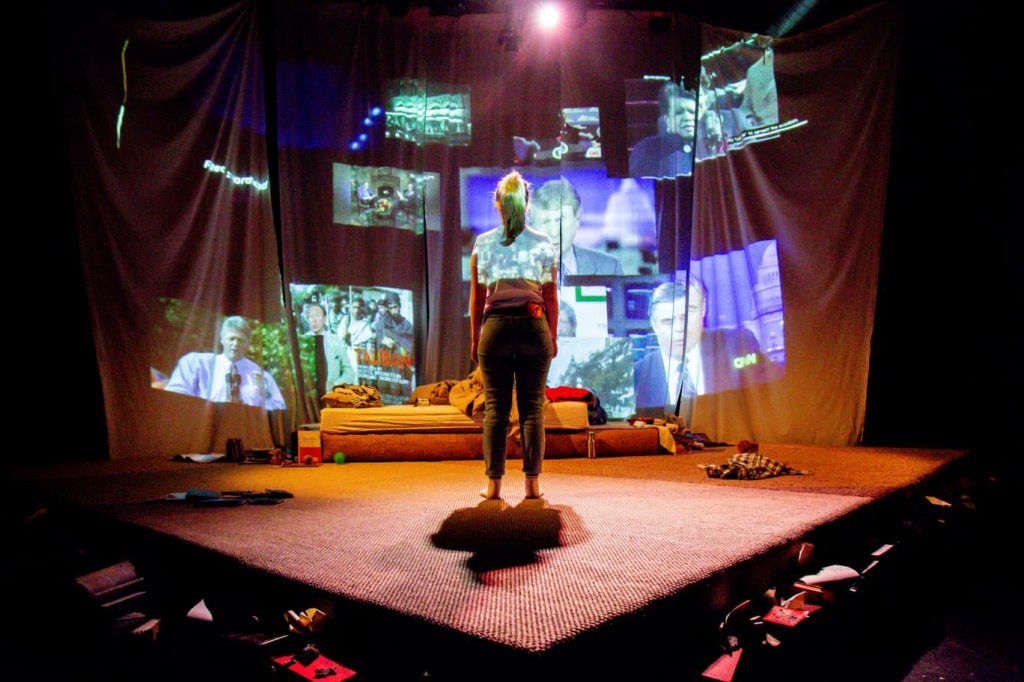
Originally edited by the late Alan Rickman and current Guardian Editor, Katharine Viner, My Name Is Rachel Corrie introduces us to 23-year-old American activist Rachel (Harriet Bibby) who was killed by a military bulldozer in 2003 when she tried to prevent the Israeli demolition of Palestinian homes.

Derived from Rachel’s own diaries and e-mails we quickly learn of her dedication to helping others, she is restless in her hometown of Olympia, Washington and keen to see the world. Upon her arrival in Rafah, she builds purposeful connections with Palestinian families and her fellow Internationals, the injustice she witnesses further fuelling her commitment to improving the lives of the marginalised.
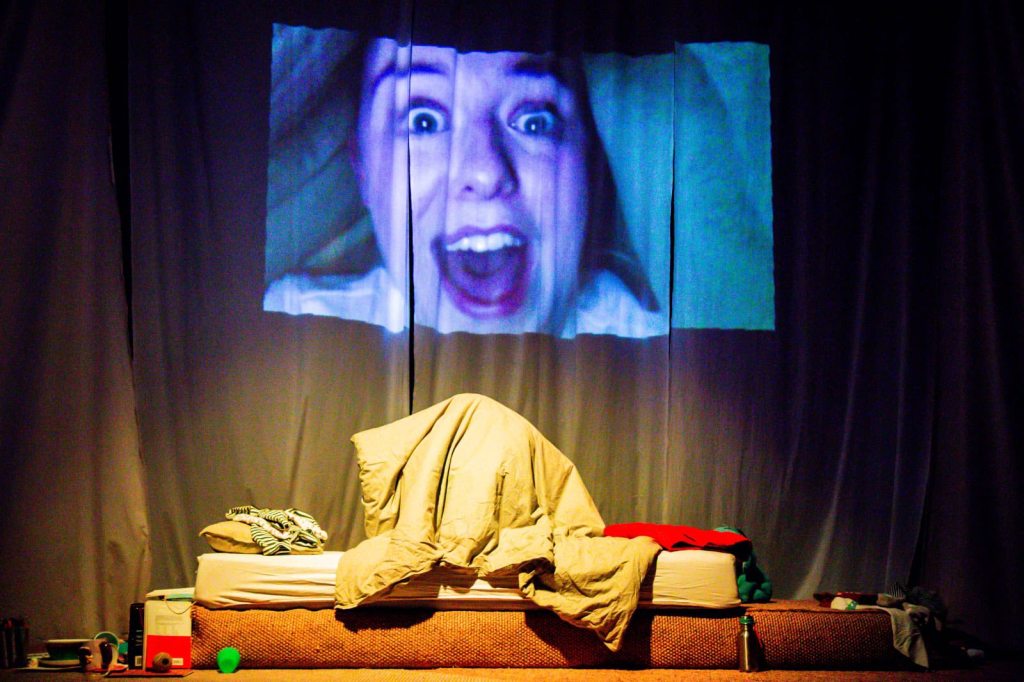
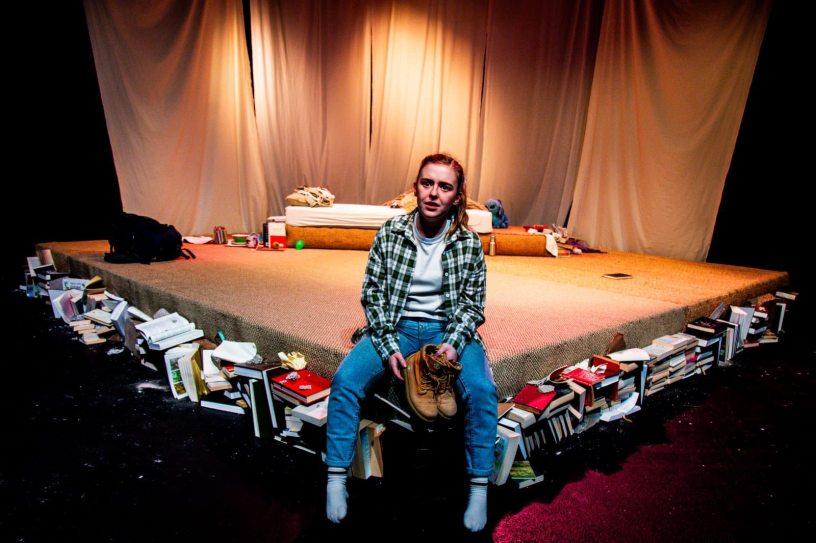
The play begins in Rachel’s bedroom, where we see her living a seemingly normal life, listening to music, writing in her diary, and reflecting on her friendships. She soon reveals her deepening commitment to activism, choosing to leave her comfortable surroundings to join the International Solidarity Movement in protesting the Israeli Defence Force.

Harriet Bibby holds the attention of the audience entirely for this 90-minute solo show. Her performance feels wholly authentic as she skilfully brings Rachel to vibrant life in the intimate setting of 53Two. Her wide-eyed hopefulness and boundless energy endear her wholeheartedly to the audience. Driven by a need to help others and speak out against oppression her fierce determination shines through.
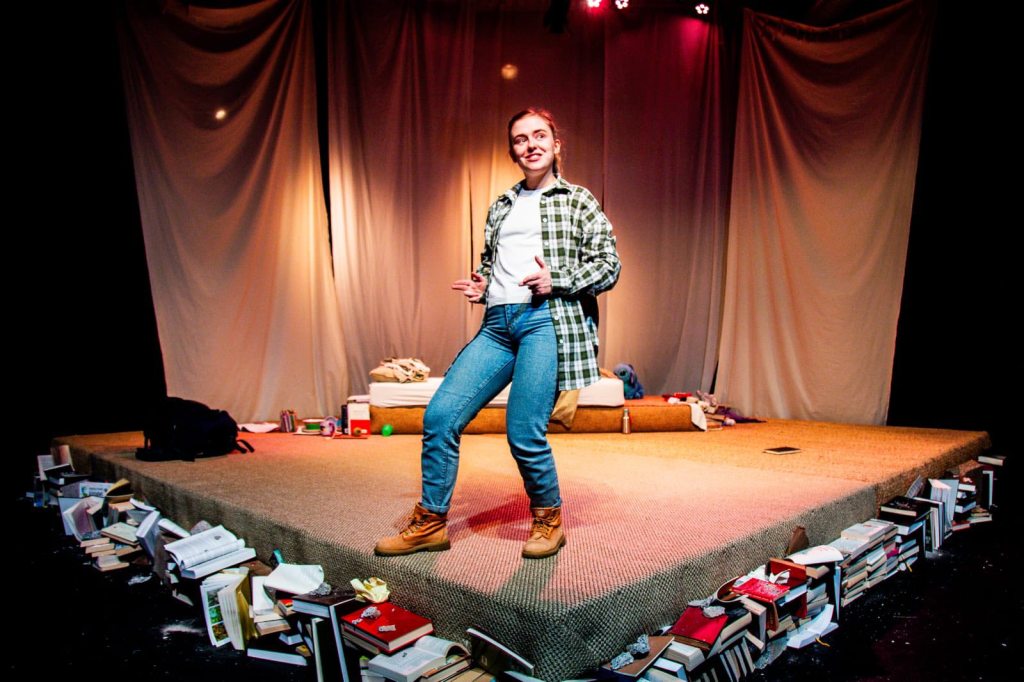
Ian Kershaw has directed this piece beautifully, taking us on an incredibly moving and intimate journey. In choosing a minimalist set, the focus stays entirely on Bibby, ensuring that every subtle shift in posture, tone, and pacing carries genuine emotional weight.

As Harriet Bibby delivers each poetic line with pure heart her transition from the goofy, vibrant Rachel we first meet to the disillusioned and deeply affected Rachel during her final days is striking. She captures Rachel’s hopefulness, sharp intelligence, and growing political awareness with a gentle ease. There’s a natural vulnerability in her performance that makes the material feel personal, making the ending even more devastating.
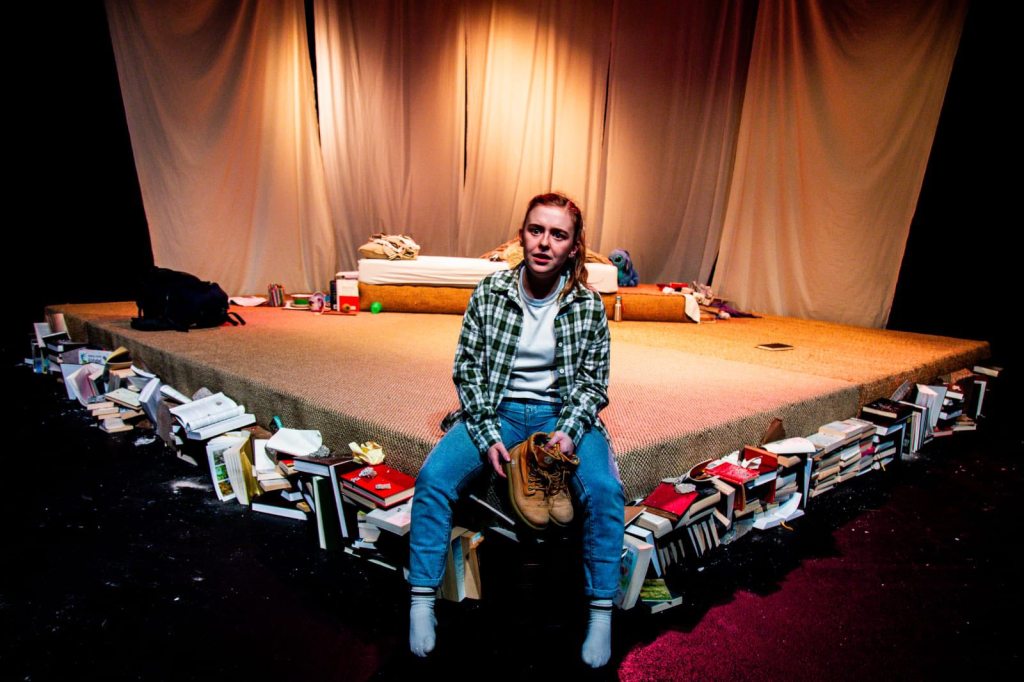
This powerful and important piece of theatre feels urgent and heartbreakingly current with Bibby bringing clarity to its message. The thoughtful direction of having Bibby leave the stage to make way for original footage of the real Rachel Corrie works wonderfully. Watching her share her hopes for a better world acting as a reminder of who has been lost here and what could have been.

In partnership with 53Two, Take Back Theatre has created a visceral, emotive portrayal that strikes a powerful chord with modern audiences. This production is both profoundly affecting and intensely human, ensuring it will live long in the memory after the lights go down.

My Name is Rachel Corrie is on at 53Two until Sunday 22nd March tickets are available here.

BSL Interpreted perfomance Sunday 22nd March
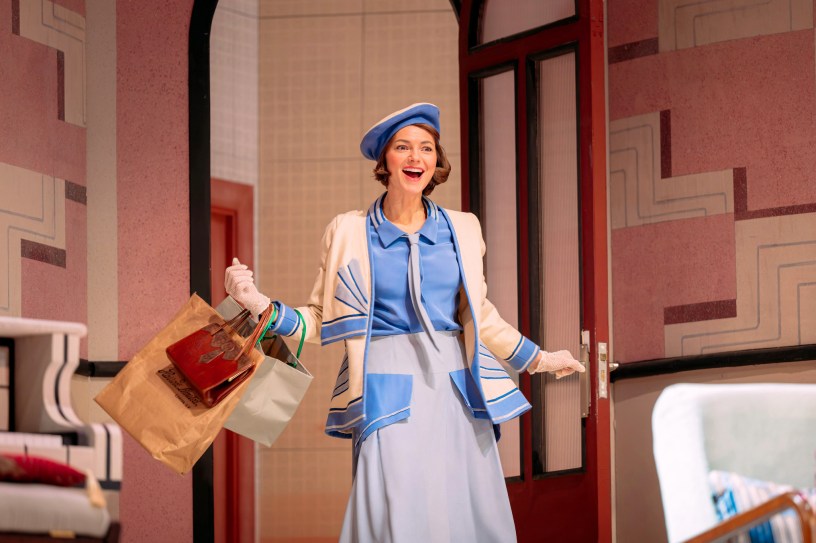
The Constant Wife

Reviewed by Sophie Rowley

Opening Night verdict ⭐⭐⭐⭐

Filled with style, sophistication and sharp wit, W Somerset Maugham‘s 1926 play The Constant Wife explores the institution of marriage, morals and manners turning every expectation on its head with an imaginative alternative telling of infidelity, betrayal and scandal. Being labelled Maugham’s “most clever and captivating creations” he creates the ultimate heroine in Constance Middleton. Always aware of her husband’s extra-curricular activities with her best friend Marie Louise, Constance plays the dutiful wife and in true 1920’s style pretends to live her life in blissful ignorance. That is until the affair is made public, now Constance must decide how she wants to live her new life. Now a century on, how will the 2026 audience receive Maugham’s play?

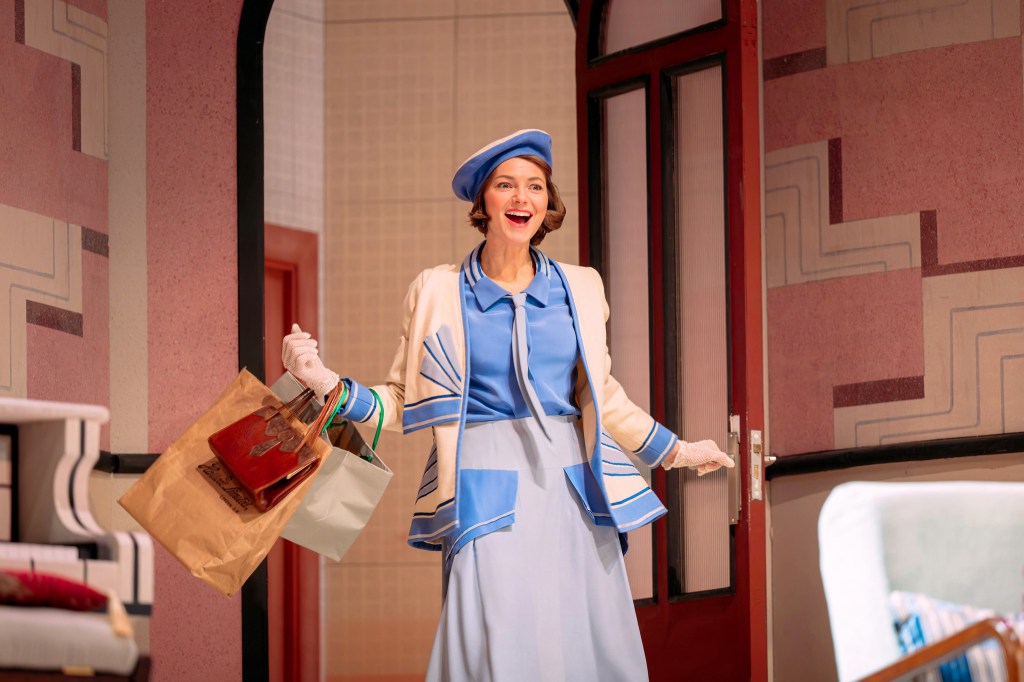
Fresh from the success of a West End run, Maugham’s story is brought to life in this incredible collaboration by David Pugh, Cunard and the Royal Shakespeare Company. Such a trio, the expectation is high for Laura Wade’s Lowry production. Staring Kara Tointin as the formidable heroine Constance who is far ahead of her time. Once the affair is made public, this allows Constance a clean slate to rewrite her story. Tointin plays this wonderfully, she playfully weaves humour and sarcasm into her sizeable script. Moreover, Tointon brings a wonderful modern twist to Constance and despite being set in the 1920’s era, she still manages to make Constance relevant and daring. Maugham’s script shines though in Tamara Harvey’s direction, it’s clear to see why this show has had the success it has.

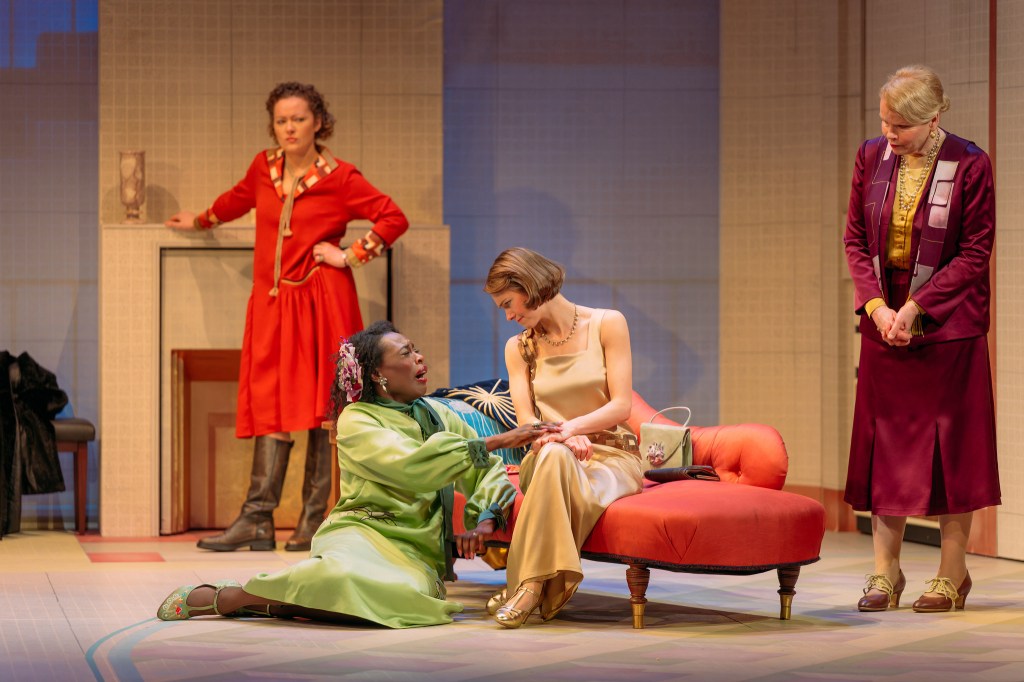
Tim Delap brings a subtle depth to John Middleton who has a predilection for women that aren’t his wife. He plays the 1920’s male very well and the entitlement is played to perfection, especially in the second act when John even slips into melodrama. He epitomised the idea that “men are polygamous and should be allowed their indulgences”. Delap mixes charm with arrogance in his portrayal of John, and as an audience member you feel conflicted in your feeling of him. This conflict of character is also seen in Marie-Louise Durham – played wonderfully by Jocasta King, on the surface she should be despised for defying her loyalty to Constance, yet it could be argued she could be pitied for being swept along in a romance that wasn’t hers to take. The obliviousness King shows in Marie-Louise’s actions highlights her selfishness, this combined with her lack of awareness is a very clever character choice and it works. For me both Delap and King excel in their characterisation and must be commended.

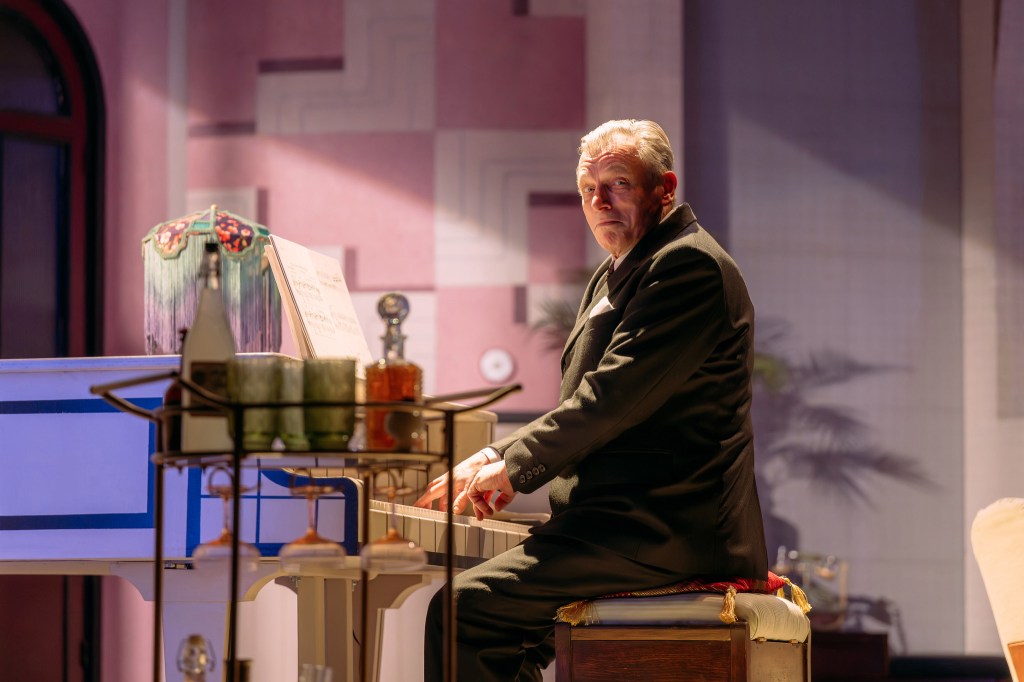
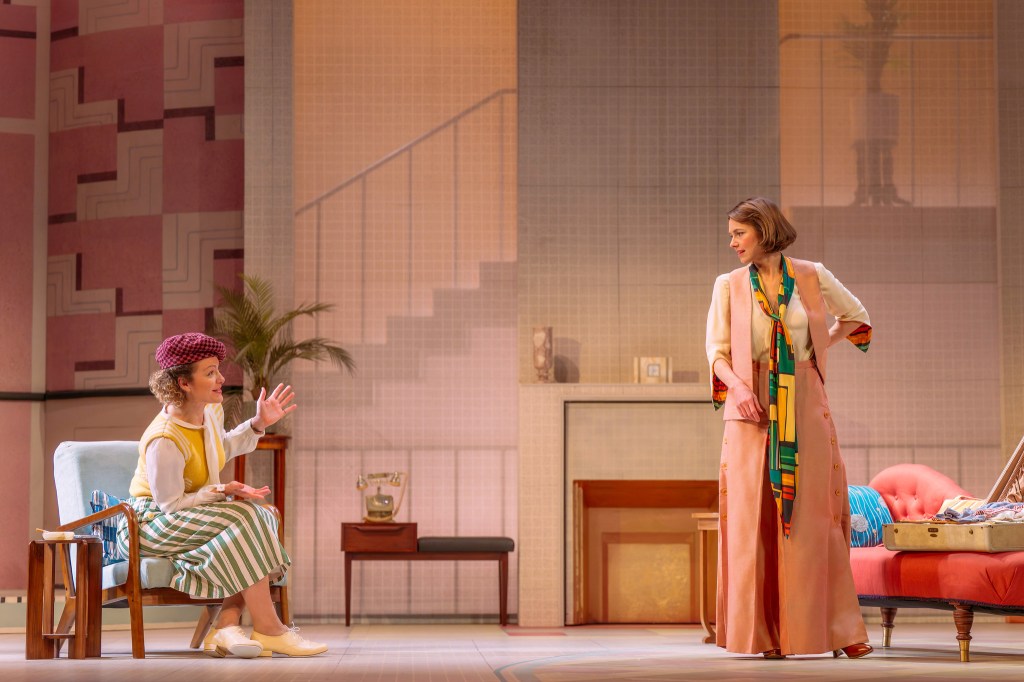
Sara Crowe is perfect as a 1920’s mother – filling Constance with the advice of the time yet she managed to get a few cutting insults on her perception of Constance’s life. Combing humour and wit Crowe brings the archetypal 1920’s mother to life. Amy Vicary-Smith is superb as Martha, Constance’s Sister – the “confirmed Spinster” brings postmodernism to the idea of what a woman is – she is independent and fiercely loyal of Constance. She is a businesswoman and unmarried at a time where this was extremely unfeminine. Like Crowe she brings an effervescent humour that makes the play very enjoyable. Jules Brown, whist having a small part as Mortimer Brown plays a pivotal part as the catalyst for the plot unfolding. Alex Mugnaioni’s portrayal of Bernard as the doting lovesick best friend of Constance adds a entertaining side plot to the play. Finally, Philip Rham’s Bentley the butler is endearing as well as a very talented pianist.

Now a moment must be dedicated to discuss the set and costumes created by Anna Fleischle and Cat Fuller. They have been described as ‘fresh and captivating’ and I cannot disagree. The set is filled with 1920’s staple furniture and art deco designs. Fleischle still brings the 1920’s glamour and elegance with a modern twist that you would see on the high street today.  The combination of these sets and costumes complement one another perfectly and the whole creative team have done a sterling job in creating this masterpiece of visual theatre. For the musical score you can do no better than to include original compositions by Jamie Cullum. Cullum’s signature jazzy tones act as perfect scene changes throughout the play.

The whole production team have delivered an exquisite piece of theatre. The cast is superb in each of their portrayals and are complimented perfectly by the beautiful set, stunning costumes and a jazz soundtrack that will fill you with joy.

The Constant Wife is on at the Lowry until 21st March tickets are available here.
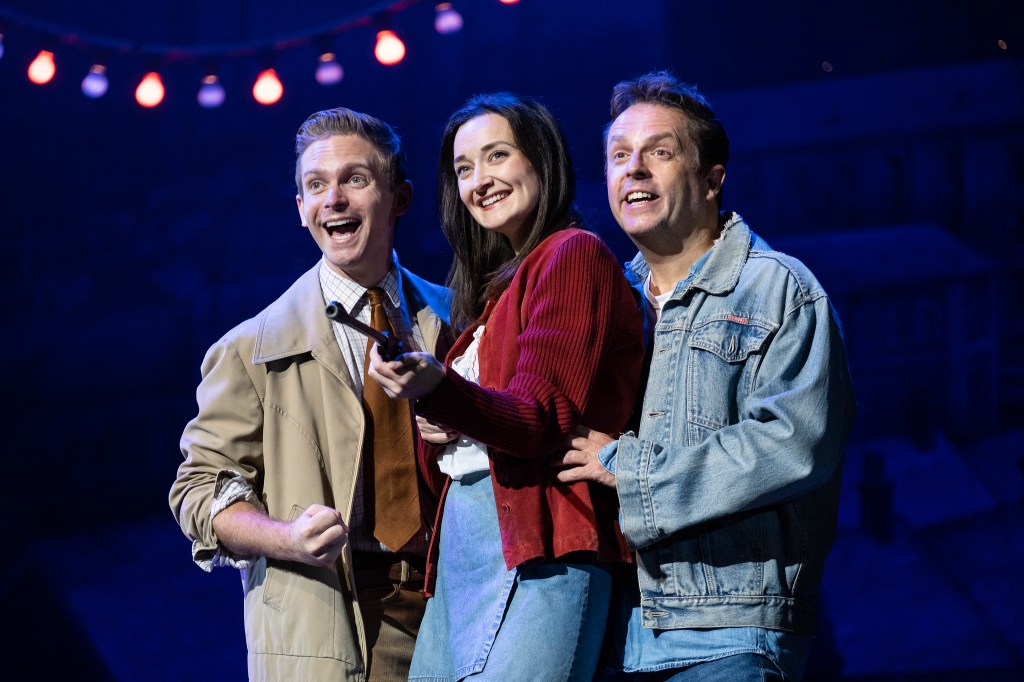
Macbeth

Reviewed by Nikki Cotter

Opening Night verdict ⭐⭐⭐⭐⭐

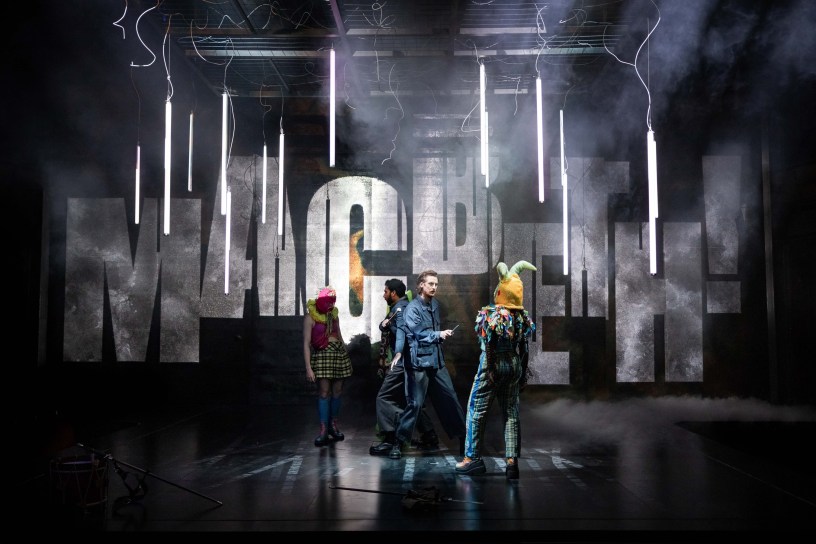
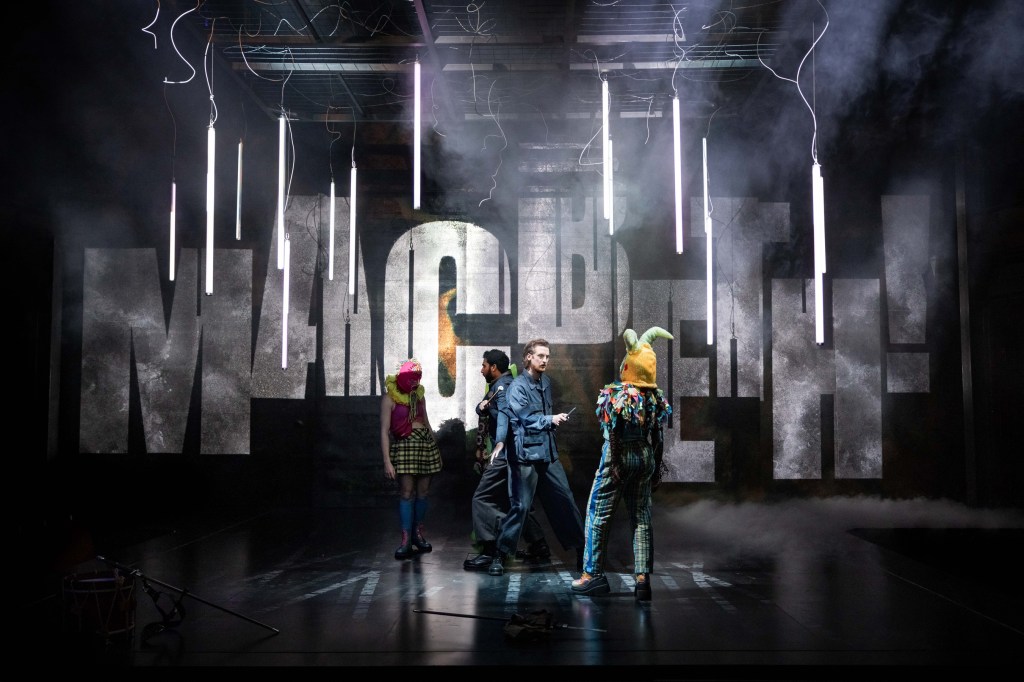
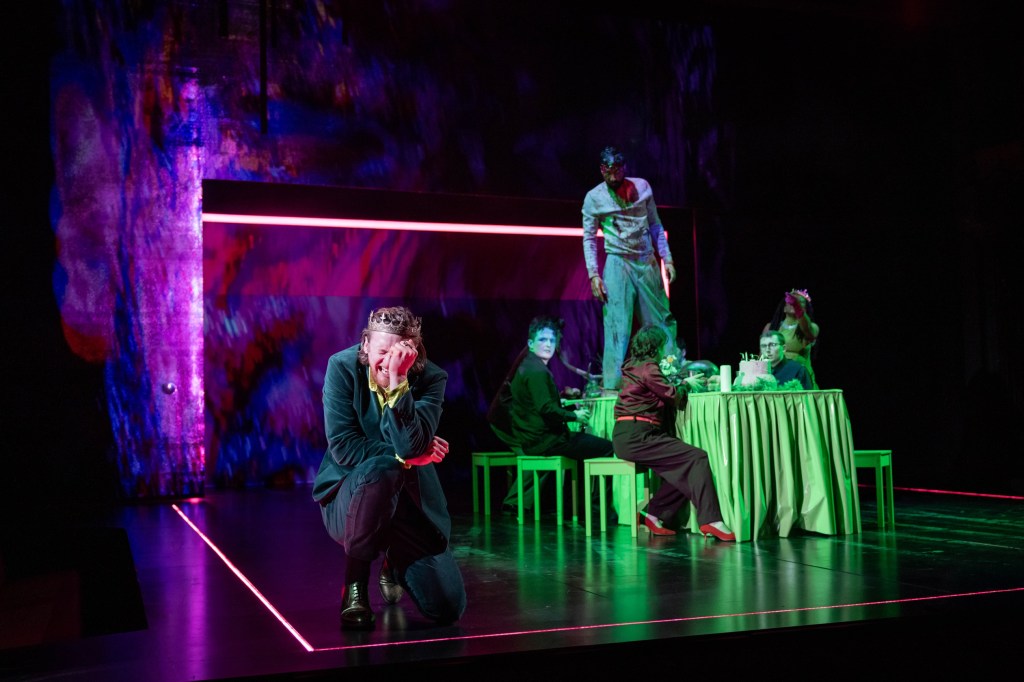
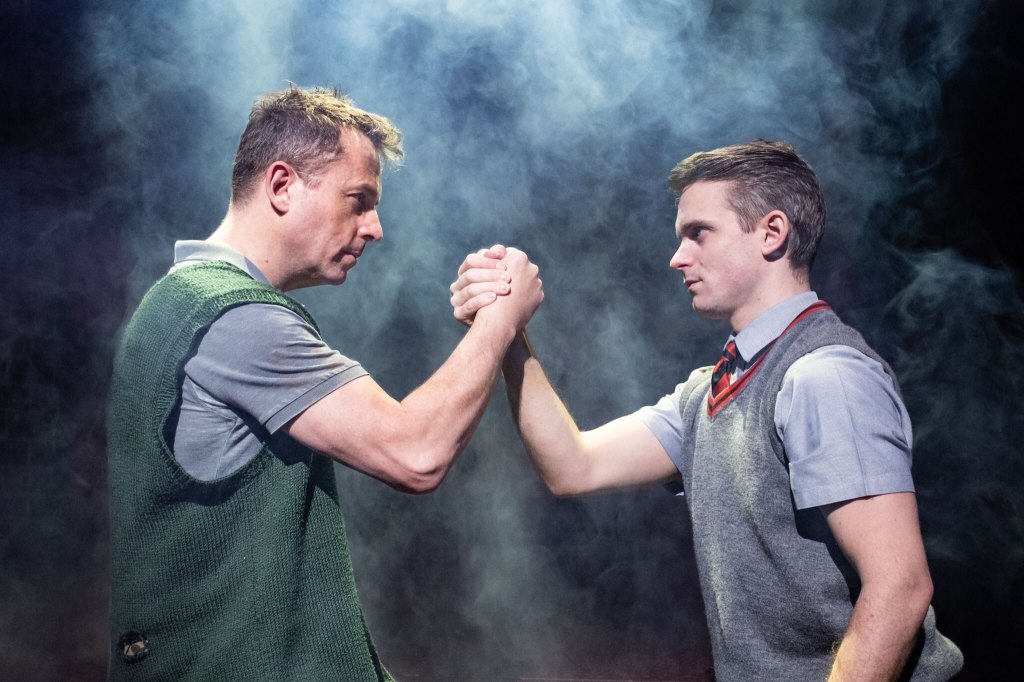
Marking the return of Shakespeare to Storyhouse’s stage, this bold, inventive interpretation of the Bard’s ultimate tragedy sets an impressively high standard for Storyhouse Originals 2026 programme.

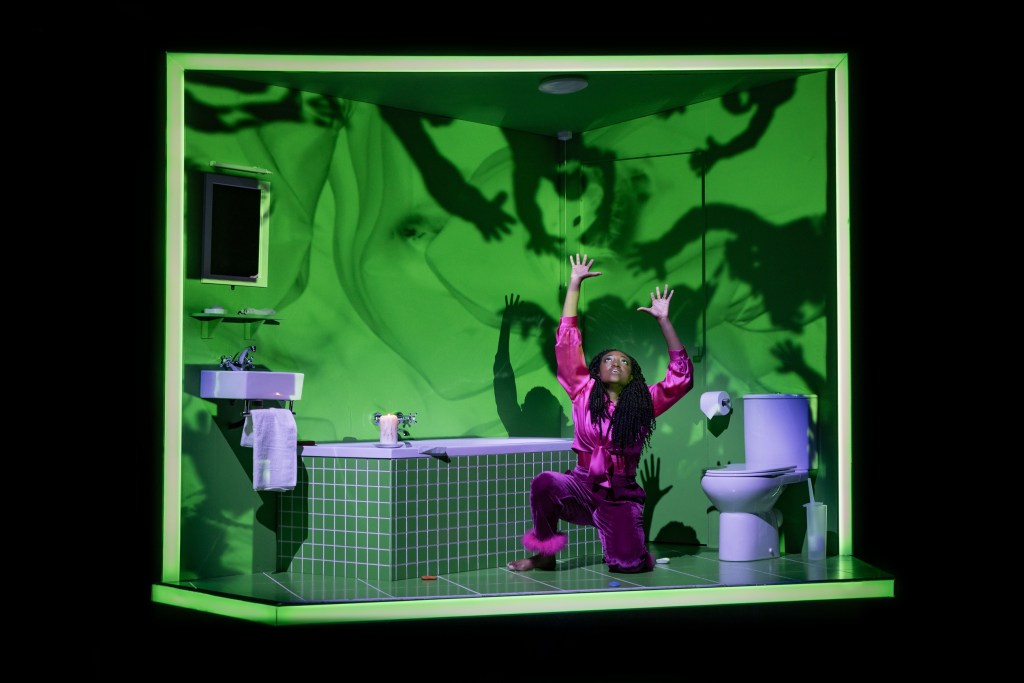
Adapted and directed by Jamie Sophia Fletcher, the play stays true to the classic text while its vivid modern-day setting leans deliciously into cinematic horror. It’s vibrant, loud, fast-paced fluorescent and unapologetic making it incredibly accessible for 2026 audiences.

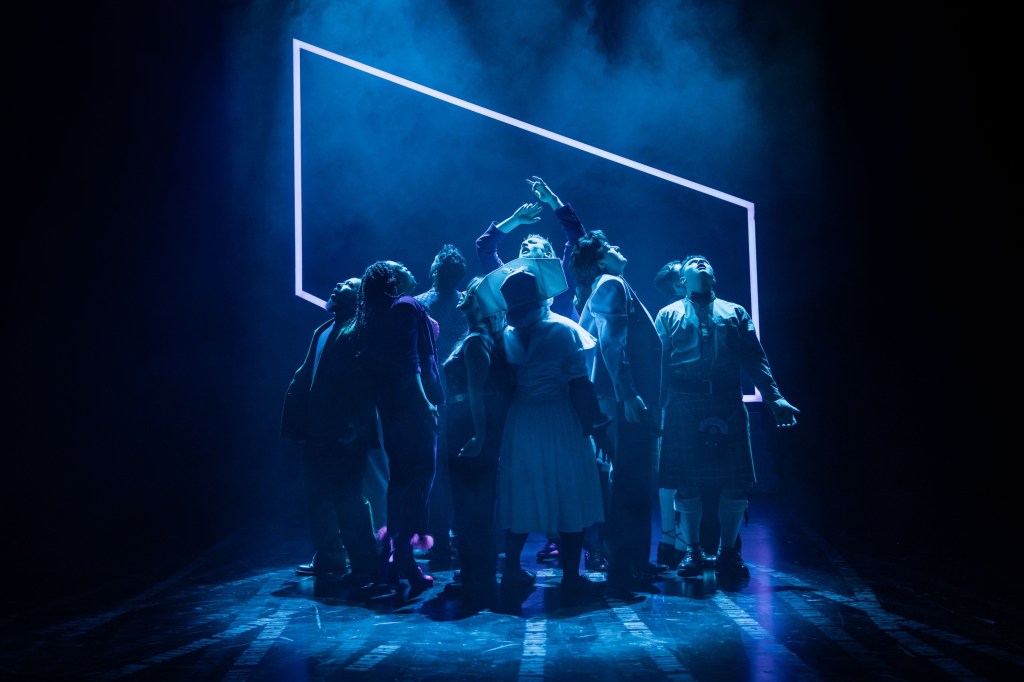
The intimate thrust staging has been embraced by set and lighting designer Andrew Exeter who creates an intense sensory experience with a stunning use of Daniel Denton’s imposing video projections, layered sets and atmospheric lighting while Sarah Victoria’s pitch perfect sound design further cements the quality of this gripping production.

Robin Morrissey captures Macbeth’s spiral into the dark side perfectly as he shifts compellingly from curious social climber to power hungry, murderous King, following his first meeting with the three witches. Yolanda Ovide as Lady Macbeth is equally as impressive, calculating and cold as she plunges powerfully into psychosis, unravelling viscerally before our eyes.

Mika Onyx Johnson’s vulnerability and rawness as Macduff kicks you in the guts while Roly Botha shines playing multiple memorable roles, Witch 1, Porter and Lady Macduff. Special mention must also go to Pete MacHale who brings depth, humour and warmth to Ross.

Storyhouse stay true to their community ethos offering actors from their Youth Theatre an incredible opportunity to make their professional debuts. This is a true ensemble piece with each and every cast member working together cohesively to create unforgettable theatre magic alongside a team of impressive creatives, including April Dalton, costume designer, Michela Meazza movement director, Kaitlin Howard fight and intimacy director. Storyhouse have also worked together with Dan Parr from Hear the Picture for creative audio description while each performance is captioned.

If you thought you knew Macbeth, think again — this production is full of surprises, from unexpectedly brilliant dance breaks while Murderer 1, 2 and 3 will never quite be seen the same again.

The palpable sense of foreboding throughout is added to continually by the striking set and lighting design, visually stunning and adding enormously to the clever creativity of this exceptional piece of theatre.

This Macbeth feels startlingly fresh and fiercely relevant, leaving you longing for a Storyhouse revival of every one of the Bard’s classics. It doesn’t merely retell the tragedy, it grabs you from the first moment and lingers long after the final curtain, a superb piece of theatre that deserves rich praise.

Macbeth is on at Storyhouse until Saturday 21st March tickets are available here.
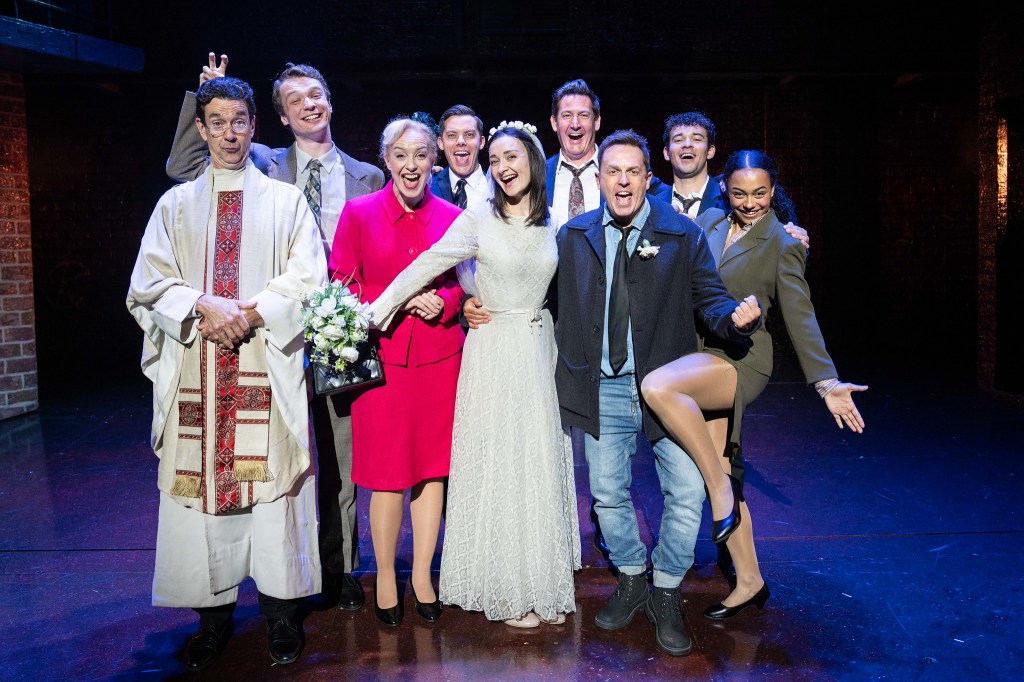
New Dawn Fades

Reviewed by Matt Forrest

Opening Night verdict ⭐⭐⭐

The Brit Awards rolled into Manchester weekend just past, and not for the first time   Manchester was the music epicentre of the universe, a hyperbolic claim that Anthony H Wilson would have endorsed if he were still with us today. However, what is not an exaggeration is that one of the key factors in the story of popular music in Manchester is the importance and influence of Joy Division.

Writer Brian Gorman’s play New Dawn Fades charts the rise of Joy Division while weaving in a potted history of the great city of Manchester — or Mamucium, as it was christened by the Romans.

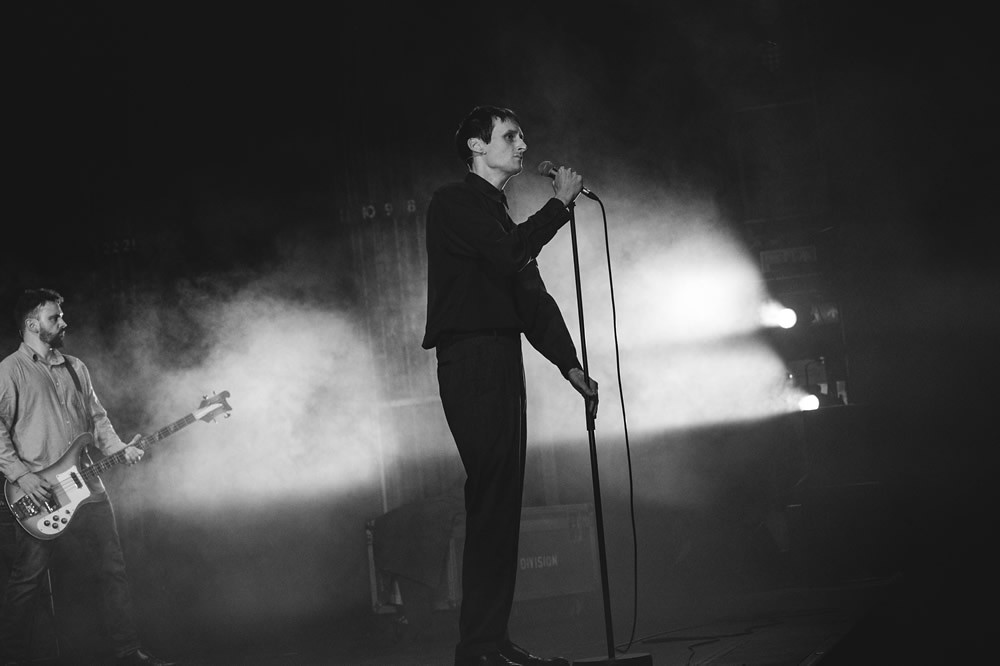
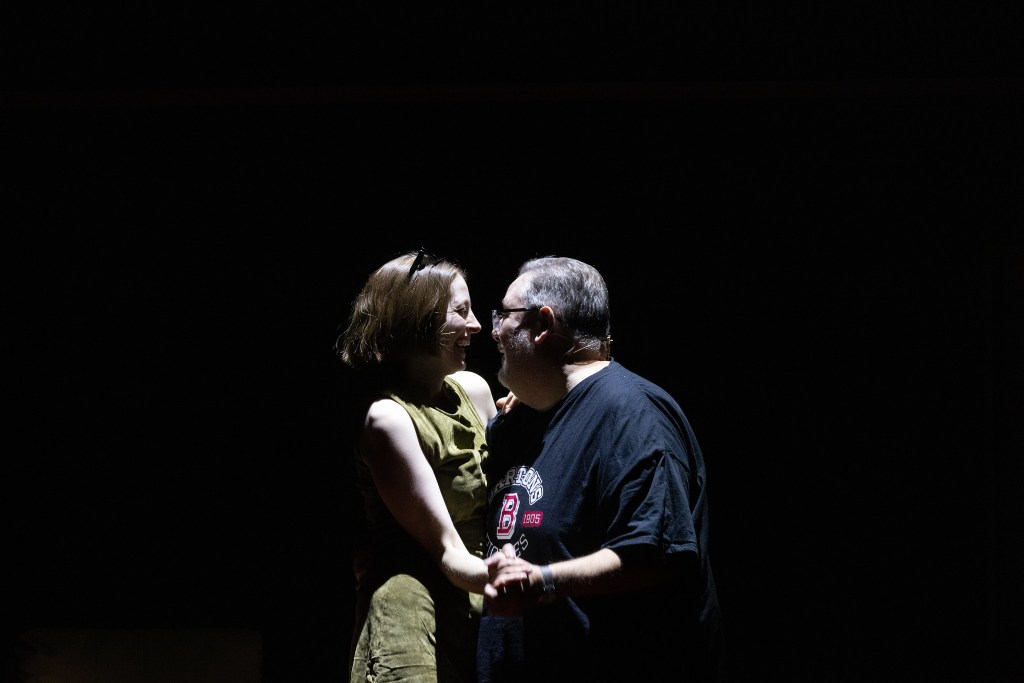
The play opens with “Mr Manchester” himself Tony Wilson in full television-presenter mode (Brian Gorman), brandishing a This Is Your Life red book as he introduces the band’s key figures: frontman Ian Curtis (Josh Lonsdale), guitarist Bernard Sumner (Garient Lyons), bassist Peter Hook (Gaz Hayden), and drummer Stephen Morris (Jack McGarry). Completing the picture and central to the band’s story is Debbie Curtis (Lauren Greenwood), Ian’s wife. Wilson himself was an essential part of the Joy Division story signing them to Factory, the record label he co-founded.

As we’re given an inside track on the band’s formation, we’re also offered a vivid snapshot of life in 1970s Manchester, capturing the raw energy of the punk movement and the seismic influence of bands such as Sex Pistols and Buzzcocks on the city’s cultural identity. Along the way, the audience is treated to a brisk history lesson exploring Manchester’s origins and what makes it so distinctive.

As the band begins to garner success, which means more tours and more live shows, the mounting pressures begin to take their toll on Curtis, straining his marriage, testing his relationships within the band, and exacerbating his fragile physical/mental health with devastating consequences.

New Dawn Fades has all the ingredients to be something truly special; however, it doesn’t always fully come together. When it works, though, it works well. Josh Lonsdale is outstanding as Curtis, completely capturing the intensity of the man, nowhere more so than in the electrifying renditions of Joy Division classics “Shadowplay,” “Transmission,” and “Love Will Tear Us Apart.” Yet it is Lonsdale’s portrayal of the debilitating impact of epilepsy on Curtis that resonates most powerfully.

Brian Gorman delivers a fantastic performance as Tony Wilson. His delivery is uncanny, and he does a spot-on job of bringing Wilson’s mannerisms and at times self-aggrandising nature to life. Lauren Greenwood is good as Debbie, though somewhat underused; you can’t help but feel it was a missed opportunity not to explore more of her perspective and give greater depth to her side of the story.

Where the show misses a trick, is with the live song performances, of the band only Lonsdale  seemed to be performing live, whilst the rest of the band played a long to a backing track, it seems an odd choice considering that all the actors are musicians as well.

The narrative flow also stutters at times. Scene transitions are marked by quick blasts of music as the lights abruptly drop and rise again. The effect can feel jarring and would benefit from a smoother, more seamless approach.

There is, however, much to admire. The playfulness of the first half, using figures such as a Roman general and Friedrich Engels to frame Manchester’s story, adds invention and humour. The band dynamics are engaging, particularly the fiery presence of Peter Hook balanced against Bernard Sumner’s more measured, calming nature, which brings welcome levity. This tonal lightness contrasts effectively with the darker intensity that follows the interval. That said, aside from Curtis, the band members are not fully fleshed out and at times feel somewhat superficial.

This is clearly a labour of love, created with deep affection for the band and the great city of Manchester. While there is much to enjoy, the production ultimately left me wondering what might have been, and wanting just a little more.

New Dawn Fades is on at the Lowry till 4th March tickets are available here.
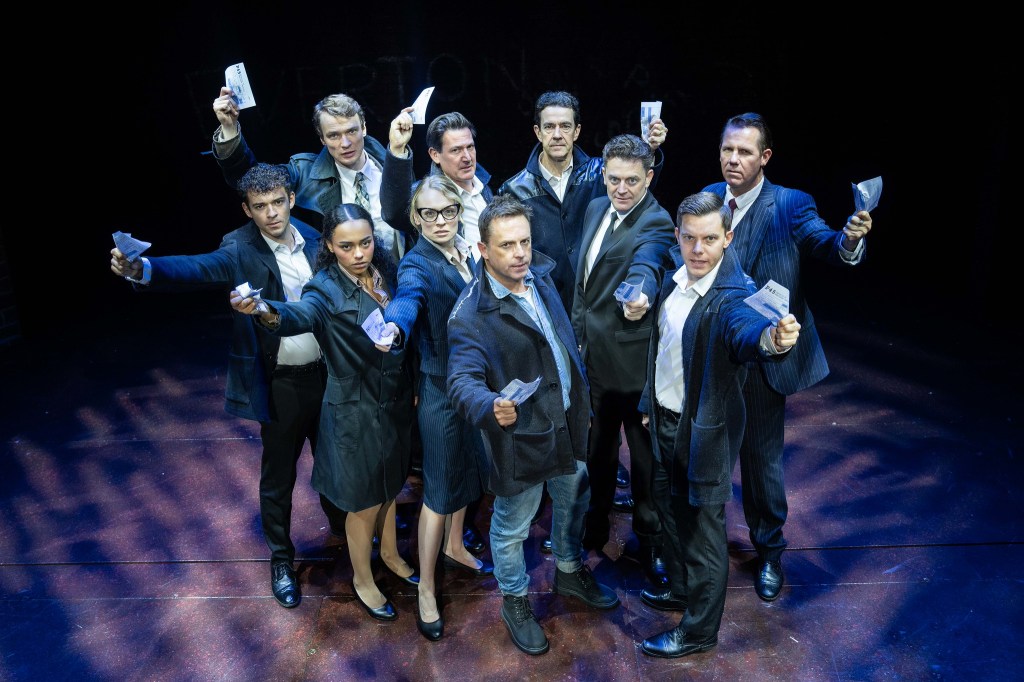
Single White Female

Reviewed by Matt Forrest

Opening Night verdict ⭐⭐⭐⭐

The 1990s was a decade of cultural phenomena—Britpop, Grunge, and “Girl Power.” It also saw Hollywood churning out a wave of erotic psychological thrillers; while many were straight-to-video fare, a select few cracked the mainstream to become cult classics. Chief among them was the 1992 film Single White Female, boasting standout performances from Bridget Fonda and Jennifer Jason Leigh, some notoriously “cringy” dialogue, and a stiletto-based scene that still makes audiences wince over 30 years later.

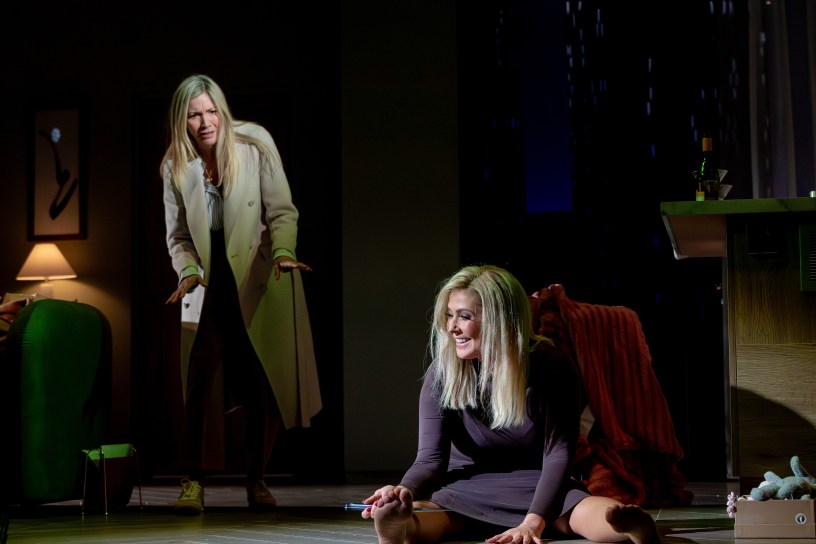
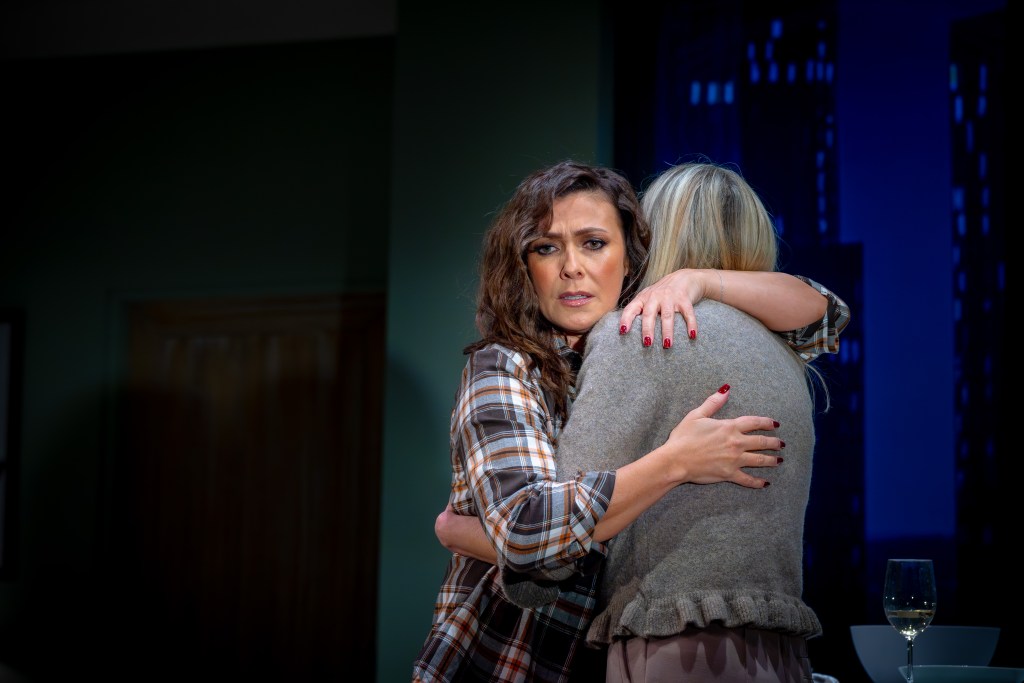
In 2026, we have a bold stage adaptation currently on a nationwide tour. Written by Rebecca Reid, this reimagining sharpens the story for the digital age, seamlessly weaving social media into the plot and introducing several narrative shifts that work superbly well. Crucially, much like the original film, the production boasts two powerhouse central performances: Kym Marsh and Lisa Faulkner who more than deliver.
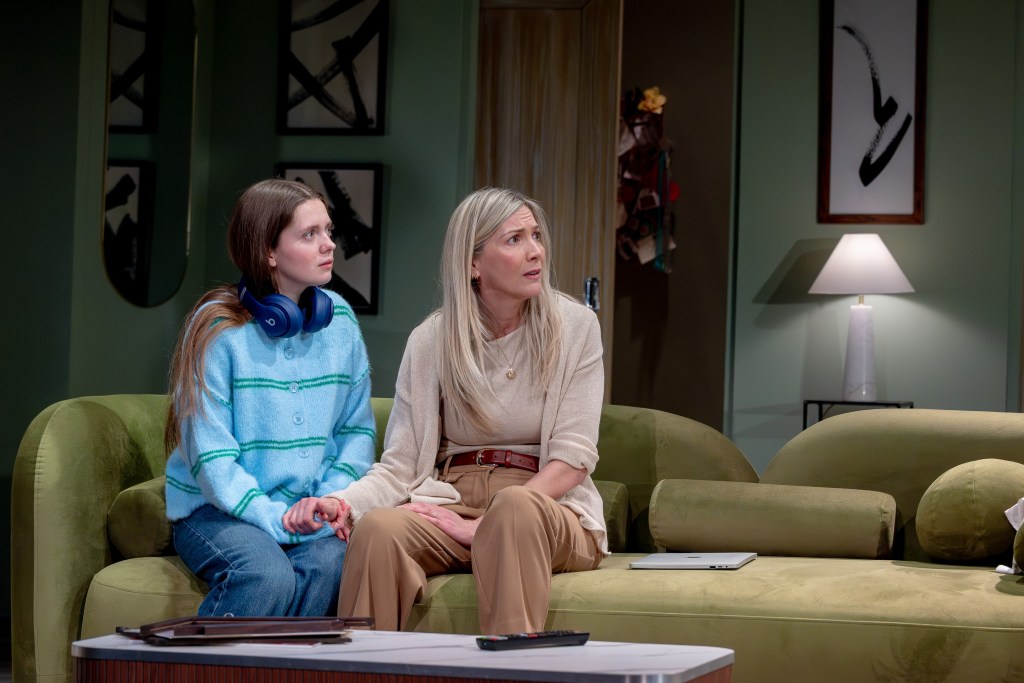
Relocated to modern Britain, the story finds single mum Allie (Lisa Faulkner) and her teenage daughter Bella (Amy Snudden) in a crumbling city-centre apartment. While the move places Allie closer to her tech-partner and best friend Graham (Andro), the building has a few structural/maintenance issues and Bella is struggling to adapt to a new school.

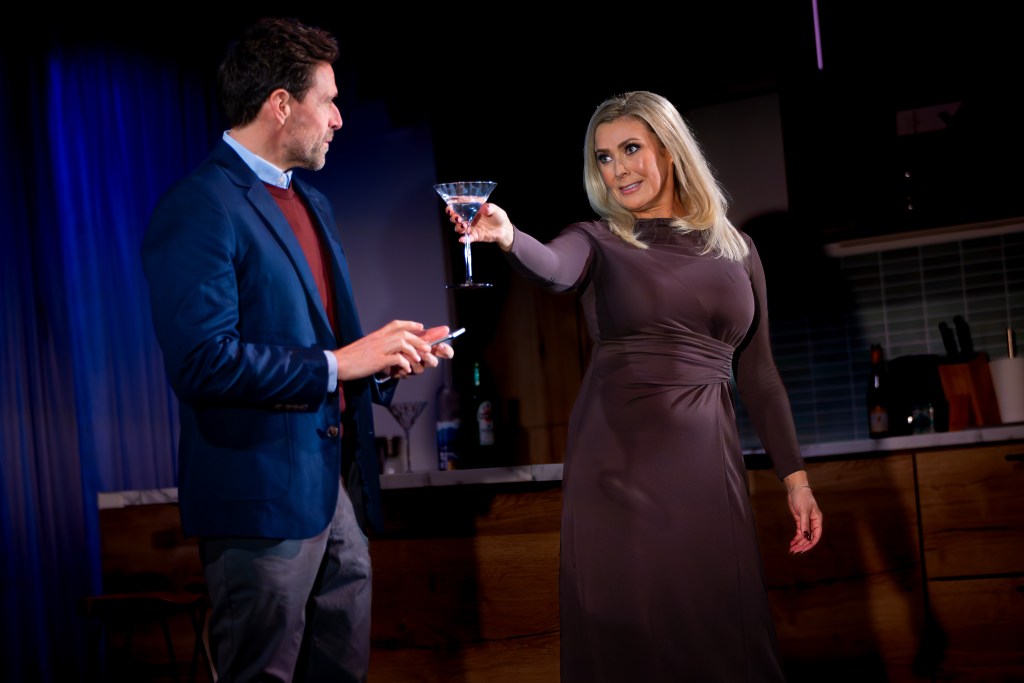
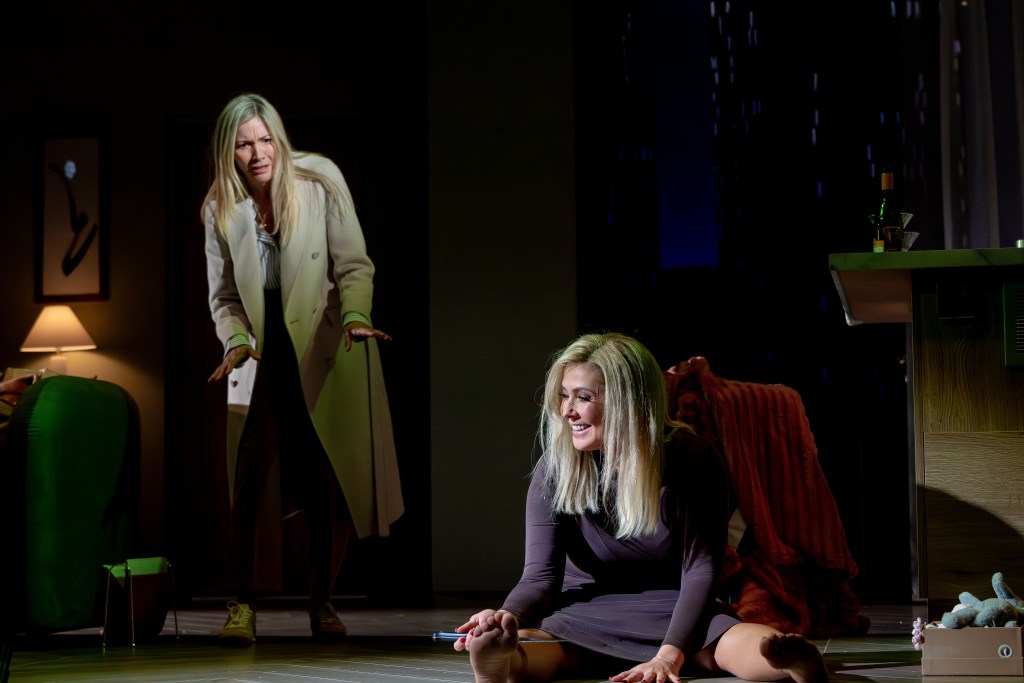
Financial pressure peaks when Allie’s ex-husband, Sam (Jonny McGarrity), announces he is halving his child support payments, forcing Allie to advertise for a lodger. Enter Hedy (Kym Marsh), a roommate who initially seems too good to be true: she’s helpful, supportive, and remarkably patient with Bella’s adolescent outbursts. However, the atmosphere quickly sours as Hedy’s “meddling” turns into a dark obsession, systematically targeting Allie and those she loves most.

Kym Marsh is in fine form as the unhinged Hedy; in a role that could easily stray into melodrama, her restraint makes the performance feel chillingly cold and terrifying. Lisa Faulkner is equally impressive as the good-natured Allie; her frustrations are deeply relatable, ensuring the audience roots for her long before things turn ugly.

Andro provides excellent value as Graham, injecting much-needed levity, while Jonny McGarrity is suitably slimy as the arrogant Sam, a character who surprisingly garners more sympathy as the narrative unfolds. Meanwhile, Amy Snudden does a fine job of making the troubled Bella both sympathetic and relatable.

Rebecca Reid’s adaptation makes bold, successful narrative choices. Integrating social media, cyberbullying, and grooming gives the production a contemporary feel, further grounded by topical references to Vinted and Mounjaro. Reid’s significant departures from the original script keep the audience on their toes, while well-placed moments of pitch-black comedy provide a welcome relief to the anxiety.

The tension is ratcheted up by Morgan Large’s set design, which, paired with Max Pappenheim’s unsettling soundscape, creates a palpable sense of claustrophobia within the single-apartment setting.

This is a fresh, entertaining night at the theatre with more than enough surprises to remain engaging throughout. It is certainly one of the strongest screen-to-stage adaptations of recent years. One word of advice: leave the stilettos at home and opt for flats—it’s just a bit safer for all involved.

Single White Female is at the Opera House Manchester till 14th February, tickets are available here.

To Kill a Mockingbird

Reviewed by Nikki Cotter

Opening Night verdict ⭐⭐⭐⭐⭐

Oscar winning writer Aaron Sorkin’s stage adaptation of Harper Lee’s literary classic To Kill a Mockingbird arrived at the Lowry this week as part of its first ever UK tour. Having received rave reviews on both Broadway and in the West End this much anticipated production directed by Tony award-winning director Bartlett Sher, is bold, necessary and profoundly affecting.

Set in the racially charged American South during the 1930s, To Kill a Mockingbird introduces us to important themes and unforgettable characters. Racial injustice, social inequality, human morality, male pride, empathy and the loss of innocence are woven into the tapestry of this captivating piece as we follow incredible character arcs that grip us from the start.

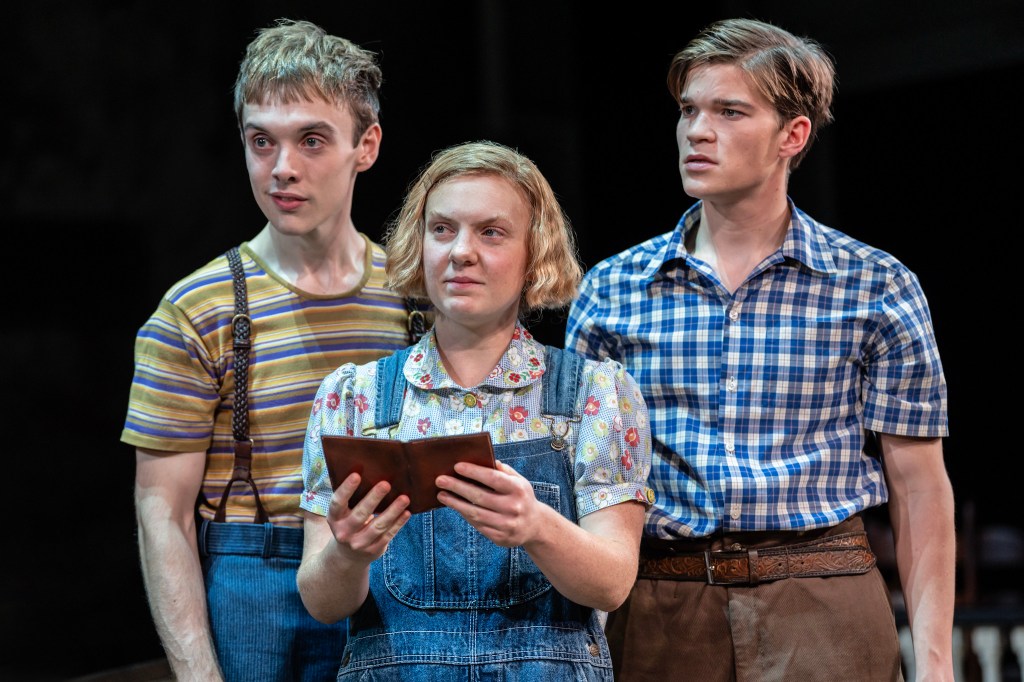
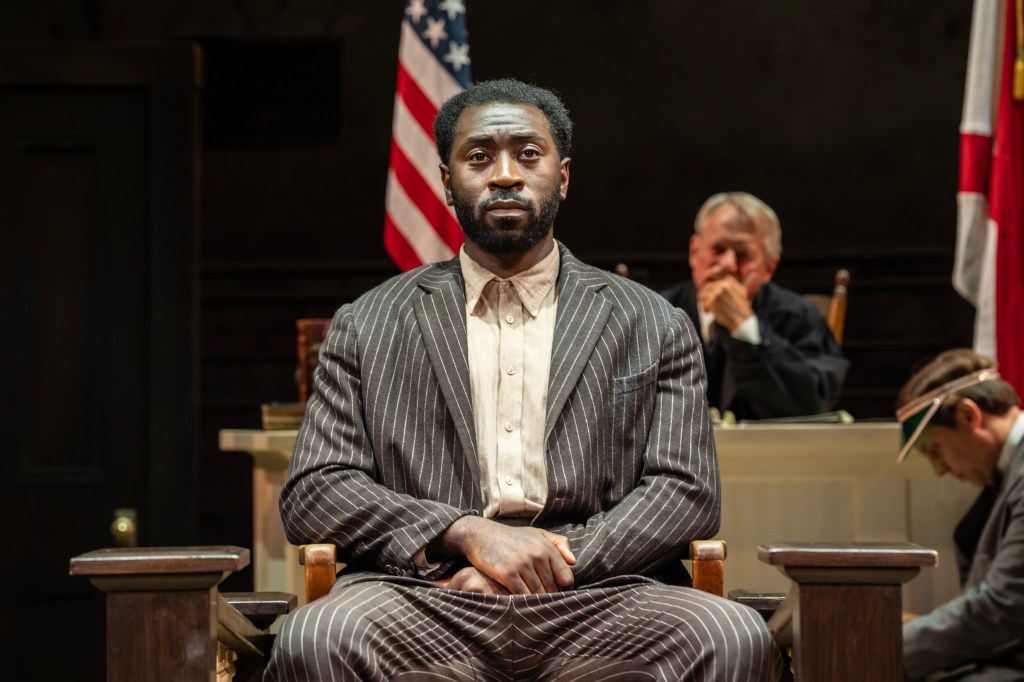
Lee introduces us to Alabama lawyer Atticus Finch (played tonight by John J. O’Hagan) who, committed to fighting injustice takes on the controversial case of Tom Robinson, (Aaron Shosanya) a local black man who has been falsely accused of raping white teenager, Mayella Ewell (Evie Hargreaves). This decision both impacts and exposes Finch’s children Scout (Anna Munden) and Jem (Gabriel Scott) to the harsh realities of racism and prejudice while posing questions about their own moral integrity and ability for empathy.

Events are told through the eyes of Scout, older brother Jem and Dill Harris (Dylan Malyn) who is visiting the neighbourhood for the summer. All three excel enormously in bringing a child-like innocence to their roles, high-spirited and filled with adventure they bring an easy light to the shade of this often-dark story, making Act 2 all the more impactful as innocence is lost and heartbreaking truths are revealed. Special mention must go to Dylan Malyn, making his professional debut as Dill, his joyful innocence feels all the more devastating as the reality of his homelife is later revealed.

Sorkin’s decision to have the courtroom action feature throughout the play rather than in one climactic scene works superbly, a decision which ensures the pace never wanes as the three children cleverly narrate flashbacks ensuring the storytelling remains clear and entirely captivating.

John J. O’Hagan makes for a tremendous Atticus Finch, he is calm, considered and utterly committed to the role, he carefully explores and exposes the emotional depth of Atticus as the story unfolds and he’s truly tested by the moral limitations of those around him. His scenes with Andrea Davy as an excellent Calpurnia act as a powerful example of the novels themes of moral integrity.

Oscar Pearce gives a dedicated performance as the loathsome Bob Ewell while Richard Dempsey as prosecuting attorney Horace Glimer is every inch as odorous as you’d expect him to be. Aaron Shosanya is utterly devastating in his portrayal of the falsely accused Tom Robinson. His quiet resignation to his wholly abhorrent fate is heartbreaking to watch, yet despite the cruelty and injustice he remains dignified throughout.

This is a stunning adaptation which succeeds entirely in bringing Lee’s characters to vivid life. While the source material was written in 1960 its themes, language and terrifying injustice sadly do not feel alien in today’s society particularly when we think about Trump’s America. This Mockingbird is powerful, engrossing and deeply poignant. Sorkin successfully retains the core essence of Lee’s classic novel while exposing a modern relevance reminding every theatregoer that we’re not just a viewing audience but morally we each have a societal role and responsibility to play.

To Kill a Mockingbird is on at The Lowry until Saturday 24th January tickets are available here.

A Christmas Fair

Reviewed by Matt Forrest

Opening Night verdict ⭐️⭐️⭐️⭐️

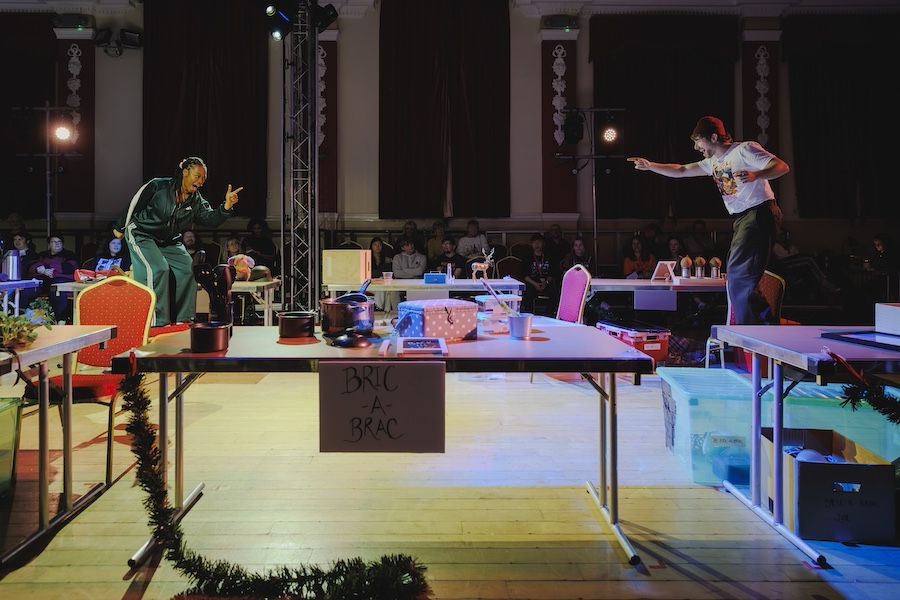
Not Too Tame have built up quite the reputation for putting on fun, interactive shows that deliver an entertaining night out. For the latest offering, a reworking of playwright Jim Cartwright’s A Christmas Fair, in collaboration with Oldham Coliseum, the interaction and fun are present, but so is something a little grittier.

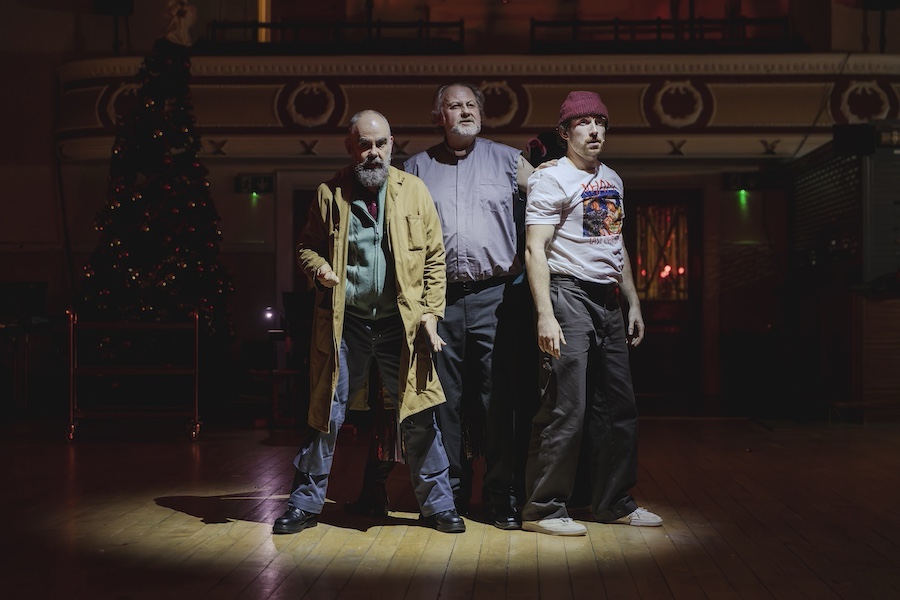
Set in the beautiful Chadderton Town Hall, we are introduced to a community group attempting to organise the annual Christmas fair. There is the Elvis loving Town Hall Caretaker (Lee Toomes), who isn’t filled with Christmas cheer at all, and just wishes that people would clear up after themselves. Next up is the fair’s organiser-in-chief, Veronica (Samantha Robinson), who wants the fair to be just like her, perfect in every way. Next up is the fun loving cycling enthusiast Vicar (Dickon Tyrell), who is roped in, despite having the Christmas sermon to write. 

Then there is cafe worker and all round good egg, Lucy (Kelise Gordon-Harrison), who is fully into the Christmas spirit and happy to help in any way she can. And finally there is out-of-town writer, Johnny (Paddy Stafford), whose cynicism and sharp tongue threatens to derail everything.

As the quidditative quintet begin setting up the hall making it look festive, with a Christmas tree and stalls, we learn a bit about each of them. However, later, when the fair has closed and the clean up begins, we learn that each one has a story to tell of Christmas’s gone by that isn’t quite as in keeping with the joyous, festive time of year.

This is very much a play of two very different acts. The first, a fun-filled hour where we are introduced to our characters and their foibles. All this is mixed in with festive-fun, with sing-along carols, festive readings from the works of Dylan Thomas and Charles Dickens, and possibly one of the most impressive and quick Christmas decorations performed in live theatre. Add in the mix a possible blossoming love story between the younger characters Johnny and Lucy, and it sets up for what promises to be a memorable show.

However, the warning signs were there in the first act, and the second act takes a darker turn, with lengthy monologues, involving loneliness, crime and murder. Whilst some of the stories successfully highlight that not everyone will be celebrating this Christmas, some felt they a little more development.

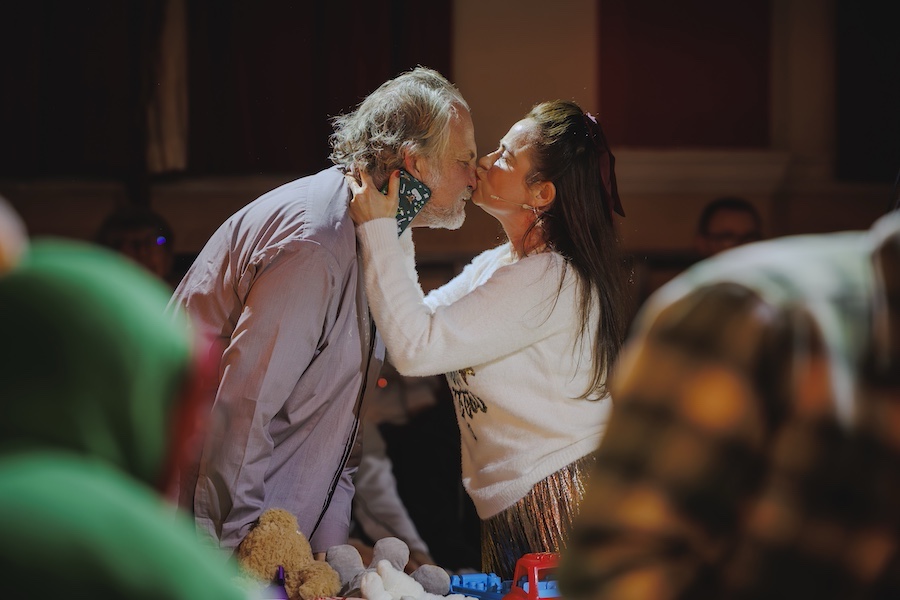
Lee Toomes is in fine form as the fed-up but kind hearted caretaker, and is the glue that holds everything together. He’s the most rounded of the five characters. Kelise Gordon-Harrison brings the energy as the lovely, infectious Lucy. She’s perfectly paired with Paddy Stafford’s misery, Johnny. The chemistry between the pair is engaging and their duet on Fairy Tale of New York is a treat. You just wish there was a bit more of their story.

Samantha Robinson is brilliant as Veronica. She nails the festive officiousness; it’s a great comedic turn, that could in lesser hands irritate, but never does.  She strikes the balance between comedy and anguish perfectly. Dickon Tyrell’s turn as the Vicar is somewhat restrained until his Christmas monlogue, which, despite being one of the grimmer stories, his charismatic turn makes it an engaging watch. They are supported by a fine group of young actors for some of the song and dance numbers, which enhances your viewing.

As always with Not Too Tame, there is a spot of audience participation, in this case we are required to peruse the Christmas fair during the interval. The cast set up the fair during the first half of the performance and this is just a nice touch that adds an extra layer to the show.

Overall this is a well-acted, clever production that is at times funny and poignant. Whilst it won’t leave you with a warm Christmas glow, it’s well worth a watch and offers something a little different for the Greater Manchester theatre scene this Christmas.

A Christmas Fair on at Chadderton Town Hall until 2nd January tickets are available here.

Blood Brothers

Reviewed by Sophie Rowley

Opening Night verdict ⭐⭐⭐⭐⭐

So here we find ourselves as Blood Brothers embarks on its 42nd year on opening night at the Lowry Lyric Theatre. The one thing I love when going to the theatre is sitting in the foyer waiting for the show to start. The anticipation from the audience chatting and excitement knowing they are in for a great show. Blood Brothers is no exception to this, hailed the “standing ovation musical” this show promises to be “unmissable”, bringing audiences worldwide to it feet with “applause” and “approval”. With such acclaim its a wonder that this is my first time seeing Blood Brothers, I too share the same anticipation and hope as the audience members currently waiting to take their seats.

Blood Brothers originated as a short play written by Willy Russell in 1981, a play that 2 years later he developed into a full musical; its very first performance was January 8th 1983 at Liverpool Playhouse with Barbara Dickson and Andrew Schofield taking the lead roles. Russell often explores themes of social class inequality, fate, the importance of family and friendships. So the big question for me is, after over 4 decades and countless worldwide performances does Blood Brothers still fit into today’s society.

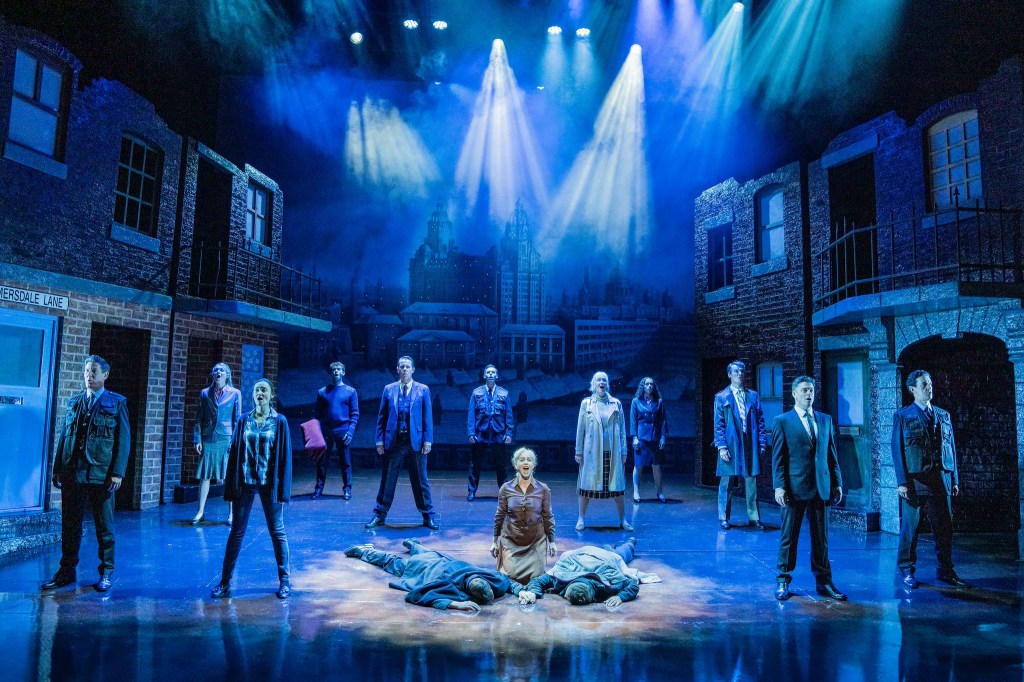
Bob Thompson’s and Bill Kenwright’s direction of Blood Brothers bring this show to life, as the plot centres around twins who were separated at birth only to be reunited with tragic and disastrous consequences. Russell’s talent is further seen in the Blood Brothers score which is driven by the raw and real  problems of working class life, it is this generic quality that has resulted in the show being dubbed “the Liverpudlian Folk Opera”. Instead of using the music to drive the plot, I would argue the songs act as characters themselves allowing them to serve as a chance for the protagonists to reflect. Moreover the music is very simplistic, mainly comprised of piano and saxophone. This combination of an understated score and little to no moments for applause from the audience made the show more haunting. The first applause being at end of the first half and the second  at the end of the show.

The set was very minimal and understated – the main focal point was the Liverpool skyline, the green country landscape and the terrace housing. This occasionally changed to show the Lyon’s residence or Mrs Johnstone’s new country abode. Again a very clever production choice as it allows the plot to drive itself.

Russell’s signature style of social values and inequality are presented in such a way that it almost feels like he is trying to stun the audience into the reality of working class hardships. The difference between Mickey and Eddie’s upbringing highlights the age old question of nature versus nurture. We see the twins navigate through their childhood and adolescence with the normal teenage rebellion and peer pressures as Russell appears to be asking the audience – how far does fate play a part in the journey to adulthood.

Reprising their roles are Sean Jones as Mickey Johnstone and Joe Sleight as Eddie Lyon. Sean Jones’ portrayal of Mickey is quite brilliant as he brings a raw and real authenticity to the character; and honestly watching him I can’t help but draw multiple parallels with todays society and the social and political problems we are seeing in 2025. Similarly Joe Sleight’s characterisation of Eddie pairs perfectly with Jones’ and at times you forget you are watching a show – more if feels as though you’re a fly on the wall for conversations you shouldn’t be hearing.

Straight from the west end – Vivienne Carlyle’s Mrs Johnstone is emotionally charged, she presents Mrs Johnstone in such a haunting way that you cant help but feel sorry for her. Her continuous reprise of Marilyn Monroe further shows how tragic this character really is. The audience see Mrs Johnstone’s bravery in making hard family decisions and instantly see the devastation these decisions cause. The song “Tell Me It’s Not True” can’t fail but bring a tear to your eyes. Paula Tappenden returns as Mrs Lyon’s, her Thatcherite fashion and conservative values demonstrate the difference between the 2 mothers. Kristofer Hardings continues his role as the narrator, continuously breaking the fourth wall with his Shakespearean style rhymes, he almost forces the audience to question their own morals. Gemma Brodrick’s portrayal of Linda brings humour and light to the show – but again fate does not spare her from hardships.

In conclusion, Blood Brothers is not for the faint hearted – it is not a happy mood boosting musical, rather it is a gut wrenching take on society and how far are we in control of our destiny. It’s almost Dickensian in its portrayal of working class hardship presented alongside wealth and entitlement. Coming back to my original question at the start – does Blood Brothers still have a place in 2025? Yes, absolutely it does. Kenwright and Thompson bring Russells play to life remarkably well, through an emotionally charged score and characters who could quiet easily fit into today’s society. It’s rightly earned the title of ‘standing ovation musical’ and I couldn’t help but join in. It could be argued that not only is Blood Brothers still relevant today but I would go further and say we need more shows like this in theatres – and the fact that this show was written in 1981 and is still selling out venues worldwide in its 42nd year completely justifies this view, and it rightly deserves a 5 star review.

The Talented Mr Ripley

Reviewed by Matt Forrest

Opening Night verdict ⭐⭐⭐

There is undeniably something compelling about Tom Ripley. Patricia Highsmith’s most famous creation first emerged in 1954 in The Talented Mr. Ripley, followed by four additional novels and several film adaptations featuring actors such as Dennis Hopper and John Malkovich. The latest screen version stars Andrew Scott in Netflix’s Ripley. Yet it was arguably Matt Damon’s 1999 portrayal in The Talented Mr. Ripley that propelled this chilling character back into public consciousness and introduced him to a new generation.

In 2015, writer and director Mark Leipacher adapted Highsmith’s The Talented Mr. Ripley for the stage. That production has now been revived and is currently touring nationwide.

“Have you ever had the feeling you’re being watched?” is a recurring line uttered by Tom Ripley (Ed McVey), an unemployed loner with a talent for mathematics—and an even greater talent for spinning lies. Ripley’s paranoia comes from the implied list of crimes he has committed that he fears will eventually catch up with him.

However, one day, Ripley is tracked down to his favourite bar not by the law but by Herbert Greenleaf (Christopher Bianchi), a wealthy shipping magnate and the father of Ripley’s old school acquaintance, Dickie Greenleaf. Believing the two young men to be close friends, Greenleaf offers Ripley a financial incentive to travel to Italy and convince Dickie to return home, visit his dying mother, and join the family business. Sensing a chance to escape New York and the trail of crimes he’s left behind, as well as make some easy money, Ripley eagerly accepts.

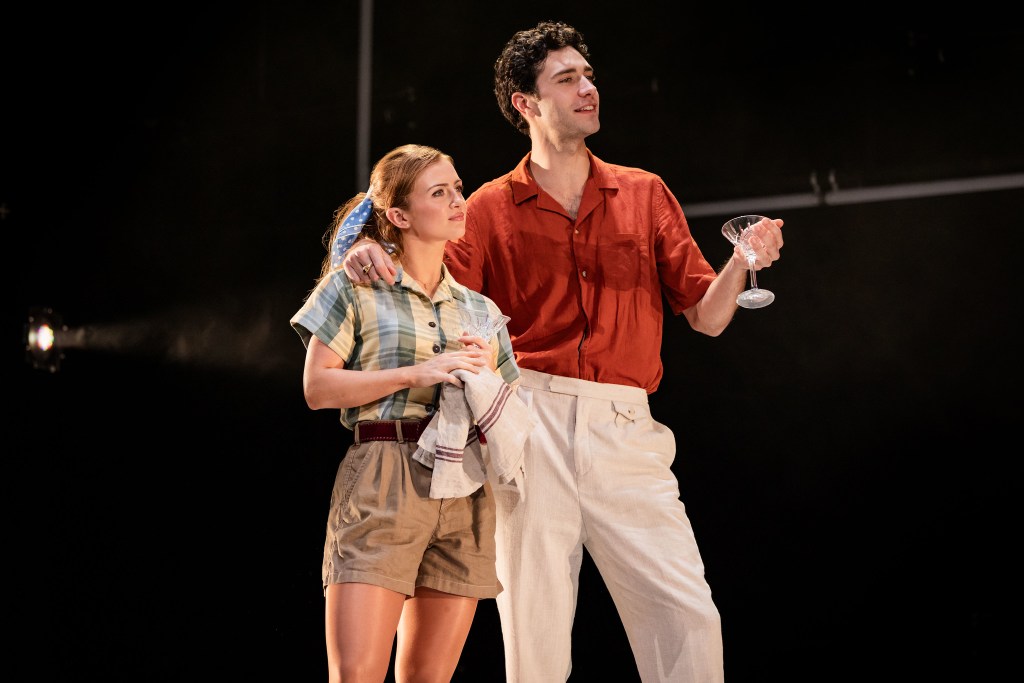
 In Italy, Ripley meets Dickie (Bruce Herbelin-Earle) and Dickie’s lover, Marge Sherwood (Maisie Smith). Dickie is initially cool toward Ripley’s attempts at friendship, but a shift in approach brings the two men closer. Soon, Ripley finds himself drawn into Dickie’s carefree, playboy lifestyle, one that appears to revolve entirely around Dickie Greenleaf, with little regard for anyone else, including Marge.

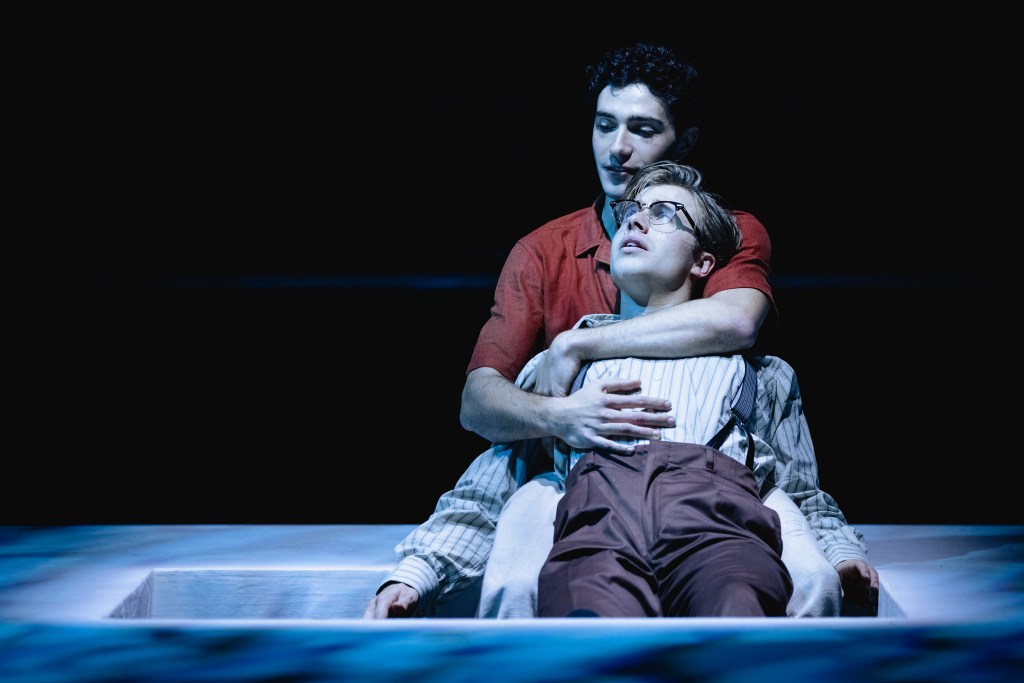
However, Tom is clearly beginning to develop feelings for his new best friend, but is it romantic feelings, or the desire to have his lifestyle or both that is driving him. Eventually a confrontation between the two sees Ripley having to use his charm, intellect and many gifts to stay one step ahead of the chasing pack.

This intriguing stage adaptation reaches moments of real brilliance, but these are occasionally undermined by its bloated running time and some convoluted artistic choices. Certain scenes labour their point a little too heavily, while others blur the line between reality and Ripley’s imagination in ways that can become confusing.

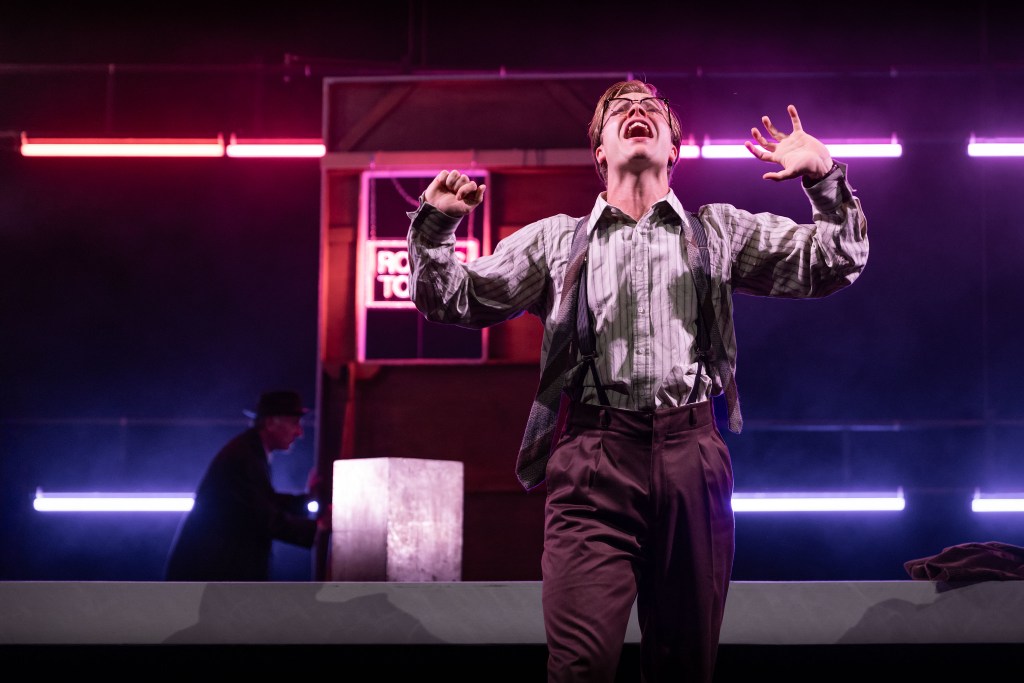
What is never in doubt, however, is the exceptional performance of Ed McVey. Across the two-and-a-half-hour running time, he delivers a towering portrayal, present in nearly every moment. McVey shifts effortlessly from cool charmer to unhinged narcissist, anchoring the production with a charismatic turn made even more impressive by his command of the dense, dialogue-heavy script.

He is supported by strong performances from Bruce Herbelin-Earle and Maisie Smith. Herbelin-Earle is impressive as the conceited, self-centred pleasure seeker, treading the line between arrogance and charm with remarkable finesse. Smith, meanwhile, brings a much-needed calm and understated presence to the production. In a role that could easily slip into melodrama, she keeps things measured and controlled throughout.

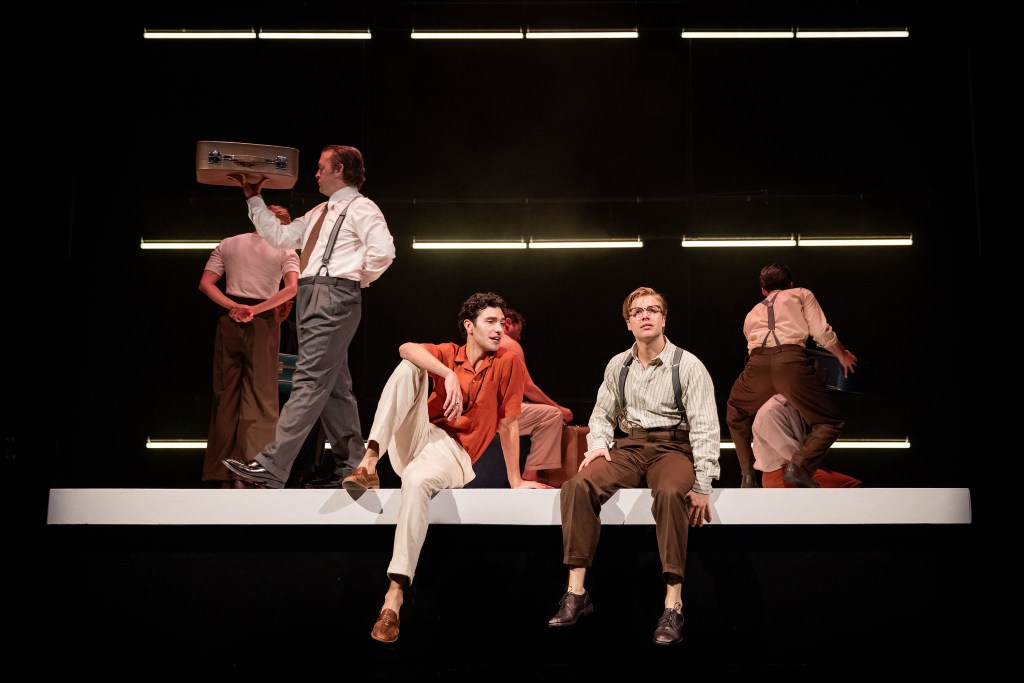
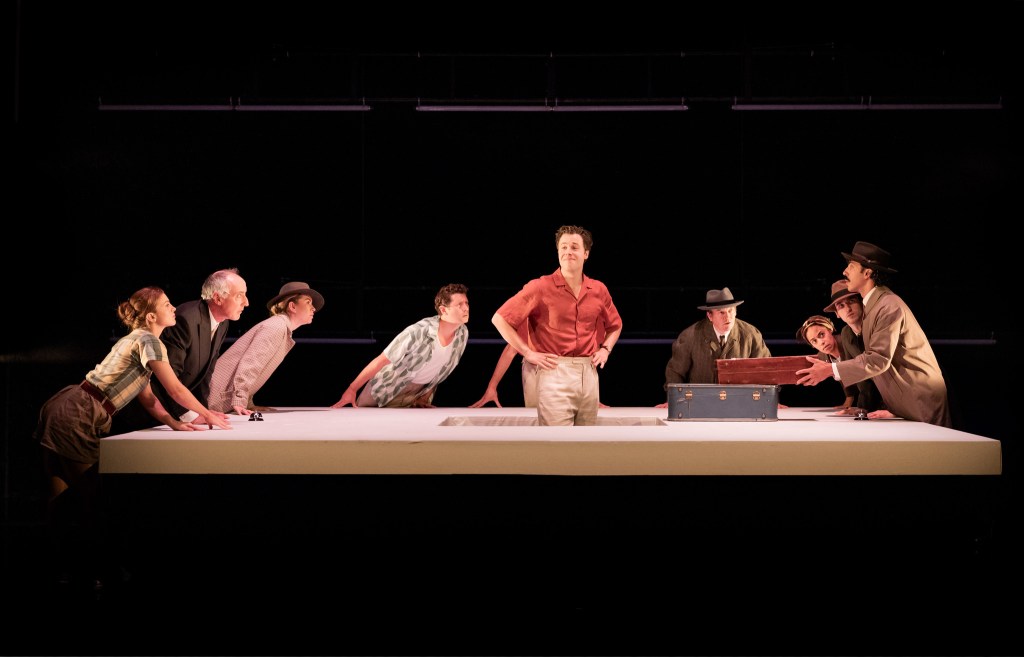
Holly Pigott’s minimal stage design is another standout, enabling characters to enter and exit in inventive and visually striking ways. One of the production’s cleverest tricks is how the set can appear expansive one moment and suddenly feel claustrophobic the next, reflecting Ripley’s spiralling paranoia. At several points, the stage transforms into a 1950s film set, offering a glimpse into Ripley’s inner thoughts, a stylistic choice that works particularly well.

This is an entertaining if slightly drawn-out night out at the theatre. There are some fantastic performances, at times visually stunning complete with a script packed full of intrigue and suspense.

The Talented Mr Ripley is on at the Lowry until Saturday 22nd November

Tickets available available here.

Ideal

Reviewed by Matt Forrest

Opening Night verdict ⭐⭐⭐

Back in 2005, Ideal burst onto our screens. A pitch-black sitcom that quickly gained both commercial success and critical acclaim. Created by actor-writer Graham Duff and set in Salford, the show revolved around Moz, a small-time cannabis dealer played by Johnny Vegas. Over seven series, viewers were treated to a cavalcade of wonderfully bizarre characters who dropped by Moz’s grimy flat to score weed, hang out, or both. With its surreal tone and dark humour, Ideal became a cult classic.

In 2011, the BBC abruptly cancelled the show, a move that left its loyal fanbase frustrated. But in 2024, at the Bay International Film & TV Festival in Morecambe, Duff and Vegas made a surprise announcement: Ideal would return in 2025 as a brand-new live show.

Premiering this week at The Lowry, Ideal is officially back and I’m happy to report that it’s lost none of its twisted, unhinged charm. This isn’t a nostalgia-driven rehash of old episodes. It’s a fresh new story, with a few familiar faces along for the ride.

Moz hasn’t changed a bit. He’s still dealing weed and drifting through life in his rundown flat. The revolving door of oddballs is still spinning, there’s Colin (Ben Crompton), a petty criminal just out of prison and struggling to reintegrate into normal life; Brian (Graham Duff), Moz’s loud, flamboyant, and razor-tongued best friend; and Judith (Joanna Neary), the jittery and slightly deranged neighbour, who also happens to be Moz’s ex.

One notable addition is Liza (Lucy Farrett), Moz’s younger, attractive yet possessive new girlfriend. She appears devoted, but jealous, especially toward Moz’s past flames.

Meanwhile, Moz’s old rival Psycho Paul (Ryan Pope) and the ominously silent Cartoon Head (complete with trademark mouse mask) have launched a new venture: a body disposal service called “Dead & Gone,” catering to Salford’s criminal underworld. Trouble arrives when Brian’s sister, Tania (Emma Fryer), turns up with a corpse, which may contain some hidden diamonds.

A party at Moz’s to celebrate Colin’s early release takes a dark turn when one of the guests is later found dead. Can the killer be found?

Duff’s script is sharp and unapologetically odd, delivering rapid-fire laughs through a heady mix of silliness, unease, and outright grotesquery. As expected, the dialogue is peppered with biting one-liners and absurd exchanges.

Performance-wise, Johnny Vegas is as gloriously shambolic as ever — chaotic, loud, but endearingly watchable. Ben Crompton shines as Colin, and his interplay with Vegas is a highlight. Their shared scenes often veer delightfully off-script, to the audience’s clear delight.

Ryan Pope delivers a brilliant performance as the braindead hardman, while Emma Fryer is an absolute treat as the Salford femme fatale. Their chemistry and comic timing are a joy to watch, especially as they compete to out-‘Manc’ each other with their dry deadpan delivery. Joanna Neary puts in an outstanding comedic performance; her twitchy, awkward portrayal of Judith practically steals the show.

Tonight’s performance was affected by some technical issues.There were clearly microphone and sound problems during the first half of the show, which were thankfully resolved after the interval. Scene transitions also lacked polish and could have been smoother, hopefully, these will be addressed as the run continues.

One malfunctioning prop left Vegas and co-star Lucy Farrett in a somewhat compromising situation, but Vegas managed to turn it around with a fun adlib.

Fans of the show will, of course, love it, but even those unfamiliar with the characters can enjoy it, as Duff’s script stands strong on its own. It pulls off the impressive feat of being accessible to both longtime fans and newcomers alike.

Hopefully, the technical issues can be resolved for the rest of the run, as they occasionally distract from what is otherwise a consistently entertaining and often hilarious night out.

Ideal is on at the Lowry Saturday until 13th September. Tickets available here

Sherlock Holmes

Opening Night verdict ⭐⭐⭐⭐

The game is afoot at  Grosvenor Park Open Air Theatre 2025 as Chester Storyhouse bring an all-new adventure by ever-popular sleuth Sherlock Holmes to life.

From misdirection to missing valuables, criminal masterminds to secret codes, ‘The Chester Conundrum’ is everything you’d want from an adventure featuring the deer stalker donning detective – ably assisted by his right hand woman Dr Jo Watson.

Written with wit and imagination by Molly Taylor and directed with pacy fun by Ellie Taylor, the open air theatre is the perfect setting for such an enjoyable summer romp.

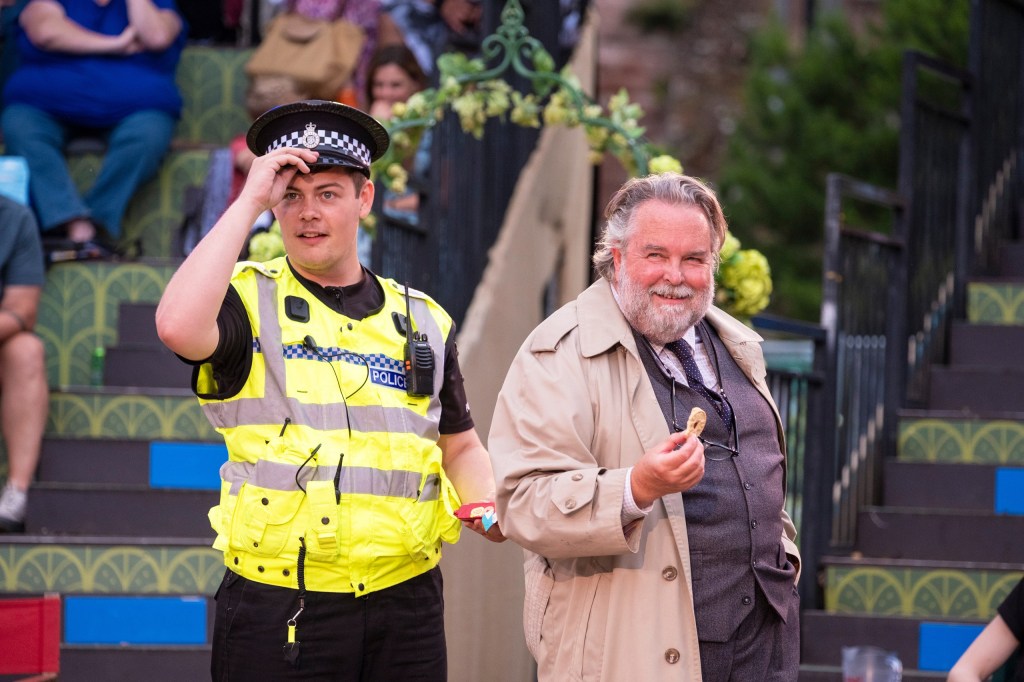
The scene is set in modern day Chester (no musty Victorian parlours for our ‘Sherly’) at a popular ‘Crime Con’ convention (it’s fun to spot the various other famous crime icons including Poirot, Kojack and yes, Velma from Scooby Doo!)

Dr Watson (a sparky Alyce Liburd) is one of the guests at the convention, organised by a childhood friend (Eddy Westbury) who also doubles up as a delightfully daffy Duke of Westminster.

Organisers hope her partner Sherlock Holmes (a snarky and sardonic Ethan Reid) will also make an attendance – and they aren’t disappointed, although I won’t spoil the manner of his arrival.

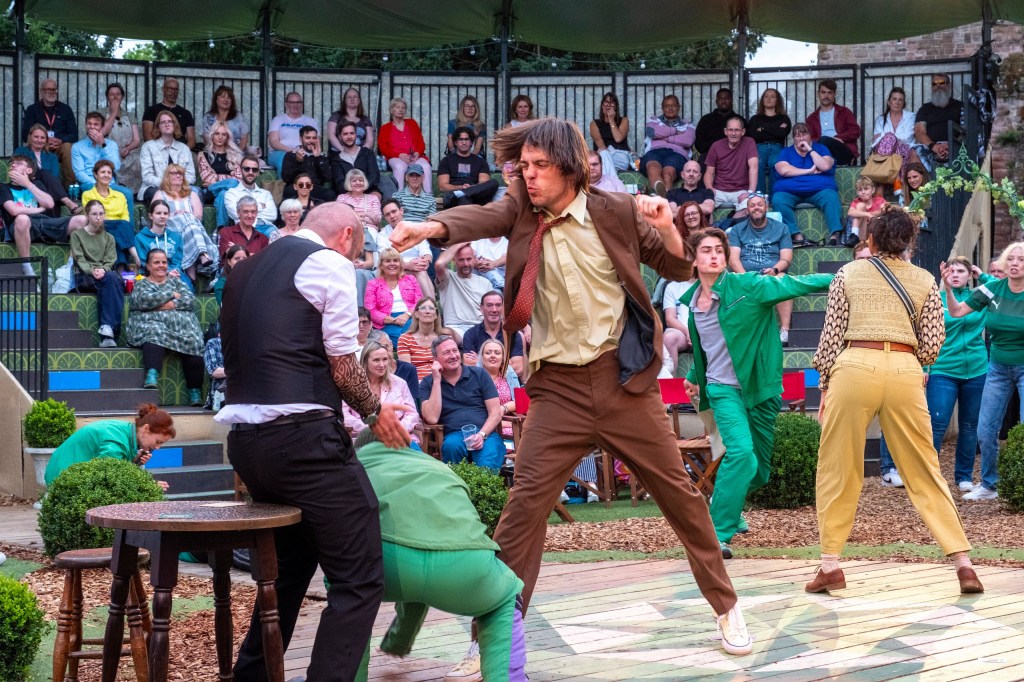
But the duo’s Crime Con appearance sparks a madcap mystery featuring, among other things (and minus any spoilers that would ruin the fun) a missing painting, a grisly murder, a supremely silly bust-up in a Liverpool Irish boozer and even a mass karaoke session.

And of course, this being the open air theatre, some audiences members are also recruited to play a part in proceedings – which they gamely did, getting lots of laughs.

The cast are all first rate – we particularly enjoyed Howard Chadwick’s exasperated police detective DCI Chadwick, Victoria Brazier’s dotty Mrs Hudson and Jessica Jolley’s Scouse crimelord. And Lauren Chinery and Hannah Baker were also excellent in their various roles.

(It’s worth noting that not only do the cast play all the instruments that help bring the story to life, they also double up in the theatre’s other summer outdoor production Pride & Prejudice – in case you want to see them in alternative guises.)

It’s particularly nice to see two young actors, Morgan Lewis & Alex James Mason making their professional debut thanks to the Storyhouse Young Company training scheme – which the audience was encouraged to donate to on the night.

Packed with local gags and insider jokes, slapstick physical comedy but with moments of real menace – as well as all the twists and turns you’d expect from a Sherlock mystery, this is a crime caper that fully lives up to the Sherlock name.

The Adventures of Sherlock Holmes is on at Grosvenor Park Open Air Theatre until Sunday 31st August tickets available here.

The Last Laugh

Reviewed by Matt Forrest

Opening Night verdict ⭐⭐⭐⭐⭐

It would be fair to say that if Tommy Cooper, Eric Morecambe, and Bob Monkhouse, were still alive today they would be selling out arenas across the land. These three are legends of the business we call show: Cooper regarded as the comedian’s comedian, Morecambe part of one of the greatest double acts of all time, whilst Monkhouse is unquestionably one our greatest writers/performers to ever grace the stage. So, a stage play featuring the lives of these three colossuses of comedy promises something a little special, and I’m pleased to say it more than delivers.

The Last Laugh opens in a dingy dressing room of an unnamed theatre, the wall is adorned with pictures of British comedy legends: Sid James, Arthur Askey and George Formby. Rather strangely one picture is blank. A half-dressed Tommy Cooper (Damian Williams) complete with giant chicken feet is preparing for another performance. Soon he is joined by Bob Monkhouse (Simon Cartwright) complete with precious joke book and later Eric Morecambe (Bob Golding). The trio, though surprised to be on the same bill, share stories, discuss their craft, their careers and inevitably some light hearted ribbing of each other.

We get classic routines and jokes from them which include: Cooper’s magic duck, numerous Monkhouse’s ‘wife gags’ and of course Morecambe’s killer André Previn line, which the audience lapped up. There will be some who will have witnessed these routines multiple times over, for others this will be the first time, but judging by the audience reaction they went down a storm!

With the highs of course comes the lows, and the play offers moments of poignancy as each man looks back on the sacrifices, struggles and personal tragedies each has endured: Cooper’s battle with alcohol and the toll it’s taken. Morecambe’s health struggles coupled with time away from family. However, it’s Monkhouse’s tragic losses that puncture his life story which really hit-home.

This production is an absolute joy from start to finish: A superb script from writer/director Paul Hendy, who celebrates the work of these three comic maestros. With all three performers, there is that element of the ‘sad clown’, that is essential but in no way defines their story. However, Hendy’s play is a love letter to the three. It’s a showcase of their talents, and explains why we find them still appealing long after they passed, which simply put is their ability to make us laugh and smile, then and now.

Lee Newby’s set design complements the story beautifully. It captures the less glamorous, more intimate side of showbiz: a cramped, cluttered, almost claustrophobic space, strewn with props and steeped in faded charm. Portraits of comedy icons line the walls, offering both inspiration and a subtle reminder of the pressure to live up to their legacy. You get the sense that if these walls could talk, they’d reveal a treasure trove of secrets—some dark, mostly joyful, all rich with history.

Undoubtedly, the heart of the show lies in the three lead performances, each of which are pitch-perfect. Damian Williams brilliantly captures the chaotic, absurd charm of Tommy Cooper. Filling those iconic shoes is no small task, but Williams more than rises to the occasion—his timing, and that unmistakable laugh are spot on. Simon Cartwright’s portrayal of Bob Monkhouse is equally impressive. From the voice and mannerisms to the polished delivery of quick-fire jokes, every detail is meticulously rendered. His performance is as smooth and refined as one of Monkhouse’s own gags. The real-life friendship between Cartwright and Monkhouse adds an extra layer of authenticity to the role. Bob Golding shines as Eric Morecambe, effortlessly capturing the comedian’s playful spirit, trademark charm, and unmistakable comic quirks. His performance is brimming with charisma and warmth.

These are far more than mere impressions. Each actor delivers a performance that truly honours the legacy of the comedy legends they portray. The Last Laugh is a heartfelt tribute to the genius and legacy of three truly great entertainers, brought to life with not just skill, but a deep sense of love and affection. For newcomers, it serves as the perfect introduction to a cheeky, family-friendly, and delightfully playful style of comedy. For more seasoned audience members, it’s a joyful, nostalgic trip down memory lane. For me, it was a powerful reminder that if a joke or sketch makes you genuinely laugh, it’s worth its weight in gold—and The Last Laugh is nothing short of priceless.

The Last Laugh is on at the Manchester Opera House until Saturday 2nd August

Tickets are available here.