

Reviewed by Matt Forrest
Opening Night verdict ⭐⭐⭐⭐
When it was first announced earlier this year that The Silence of the Lambs was being brought to the stage, I have to admit I was both intrigued and a little sceptical. It’s certainly a bold choice for a theatre production, given that the film is widely regarded as one of the greatest of all time and continues to feature highly in film polls. Then, of course, there are those much-loved and Oscar-winning performances from Jodie Foster and Sir Anthony Hopkins.
Thankfully, writer Gina Gionfriddo and director Nikolai Foster have done a superb job of bringing the story to the stage, creating something that feels fresh and distinctive rather than simply being a straight screen-to-stage adaptation.
Leaning more into Thomas Harris’s 1988 novel, the stage adaptation tells the story of FBI trainee Clarice Starling (Mollie Gallagher). She’s top of her class at Quantico and, despite still being relatively green, is given an assignment by Jack Crawford (Oliver Farnworth), head of the FBI’s Behavioural Science Unit. Crawford wants Starling to interview Dr Hannibal Lecter (John Partridge), a brilliant but deeply disturbed psychiatrist who is being held in a Baltimore hospital for the criminally insane. Lecter is also a particularly gruesome serial killer, with a rather unpleasant penchant for eating his victims.
Crawford hopes that Lecter might be able to provide some insight into another killer, known as ‘Buffalo Bill’ (Sam Jackson), who is currently at large. However, getting information from Lecter is never going to be straightforward. Before long, Clarice finds herself drawn into a dangerous psychological game of cat and mouse with a man who knows exactly how to get inside her head.
The production is smart enough to recognise that most of the audience coming to see it will already be familiar with the film, and so it wisely offers us something different. There’s much more interplay between Starling and Lecter, allowing us to delve deeper into their complex relationship, while the relationships between Starling and Crawford, and the shared history between Lecter and Crawford, are also given more room to develop. It adds an interesting new dynamic to the story, giving these familiar characters greater depth and adding further layers to an already gripping tale.
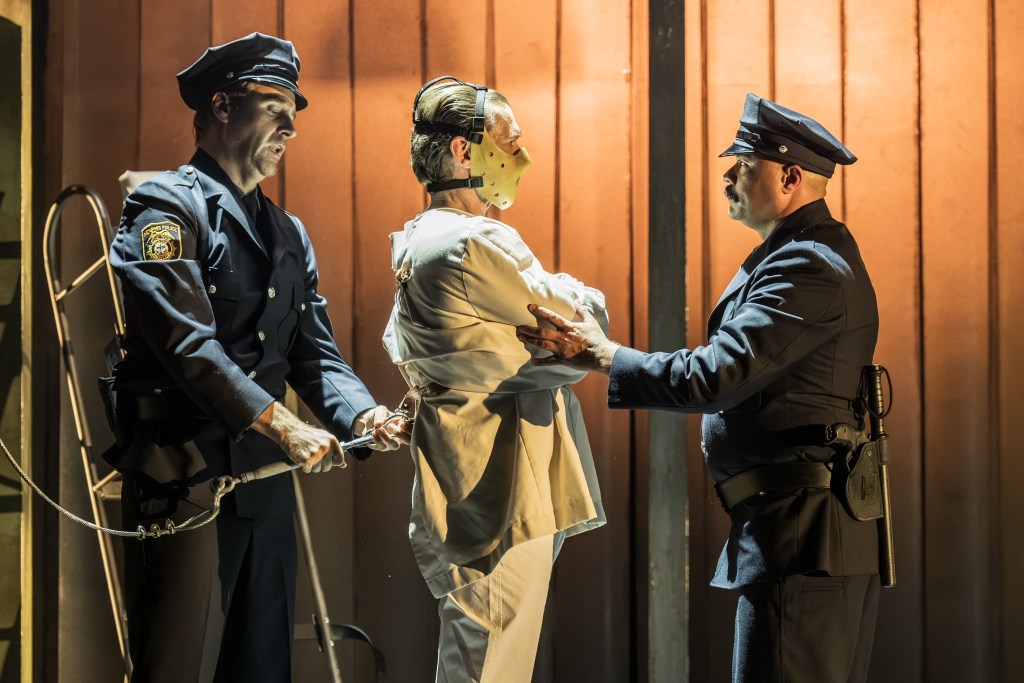
In addition, the production really leans into its theatrical setting, with Michael Taylor’s superb multi-purpose set design helps to create an atmosphere all of its own. As Clarice’s investigation progresses, we simultaneously see Buffalo Bill’s frustration mounting as he races to complete his “masterpiece”. Seeing both storylines unfold side by side creates an added sense of tension and urgency, keeping the pace moving even when the action itself is relatively restrained.
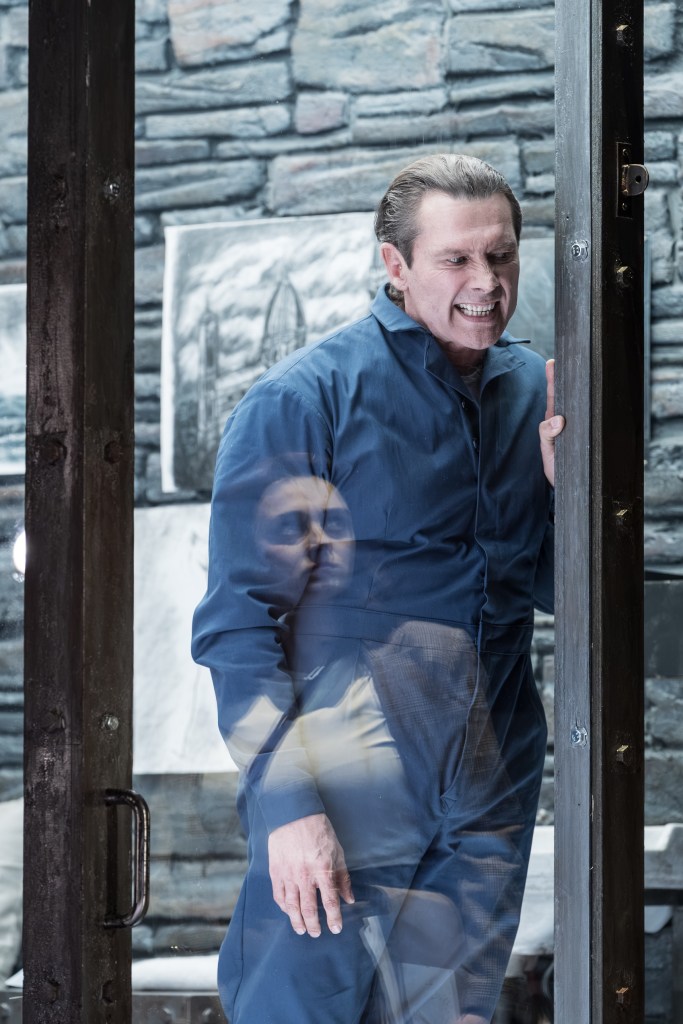
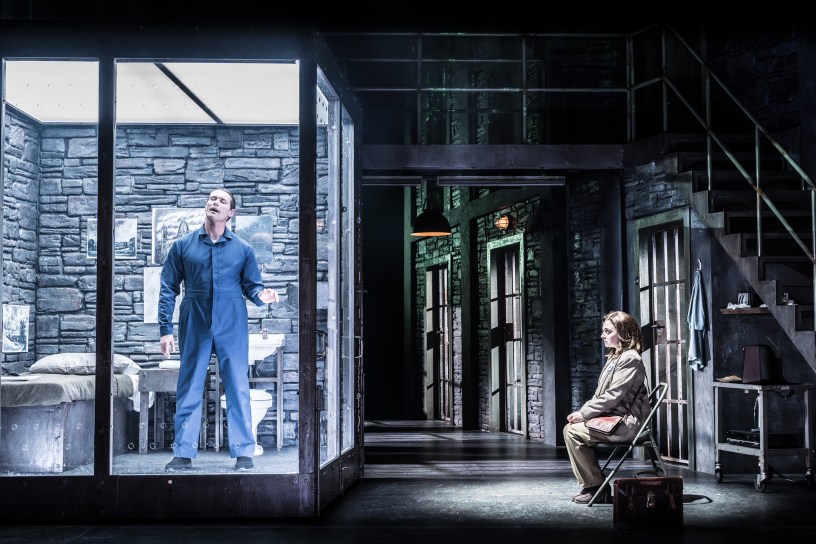
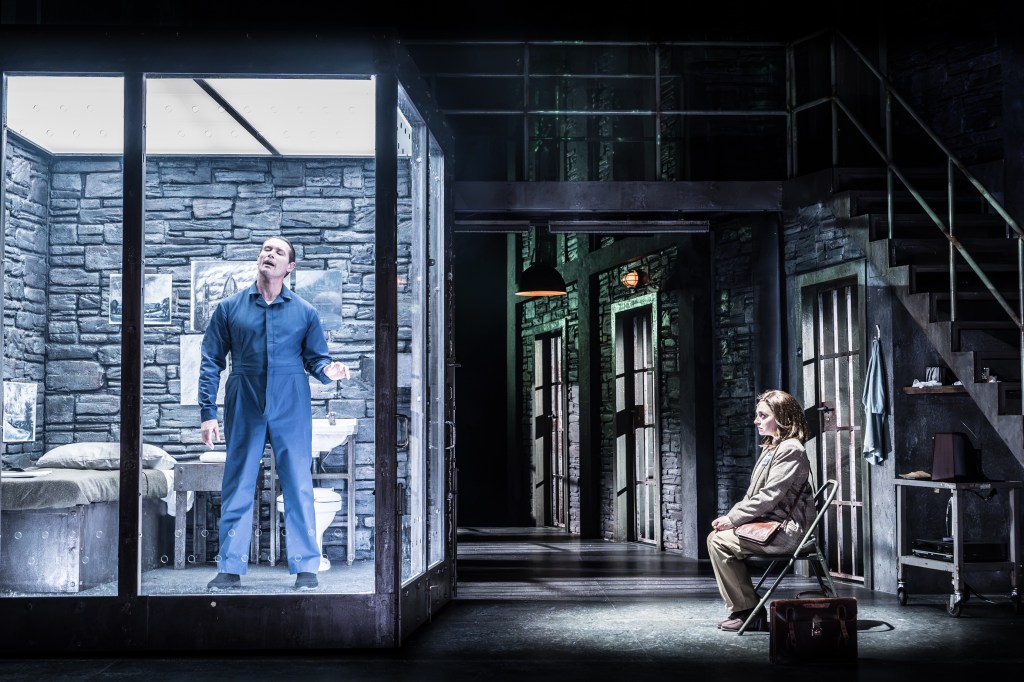
Taylor’s set is filled with dimly lit basements, shadowy corridors and grimy alleyways, it has a suitably dirty and grubby feel that fits the world of the story perfectly. This is in stark contrast to the recreation of Lecter’s iconic Perspex cell, where we get to see John Partridge switch effortlessly between a cold, calculating manipulator and something much more akin to a caged animal.
Partridge is a towering presence as Lecter, delivering a calm, measured performance filled with charm, wit and an unnerving stillness, punctuated by flashes of anger and rage. His physicality adds to the menace, and while a role like this could easily stray into hammy territory, Partridge never lets it, creating a Lecter who is genuinely unsettling.
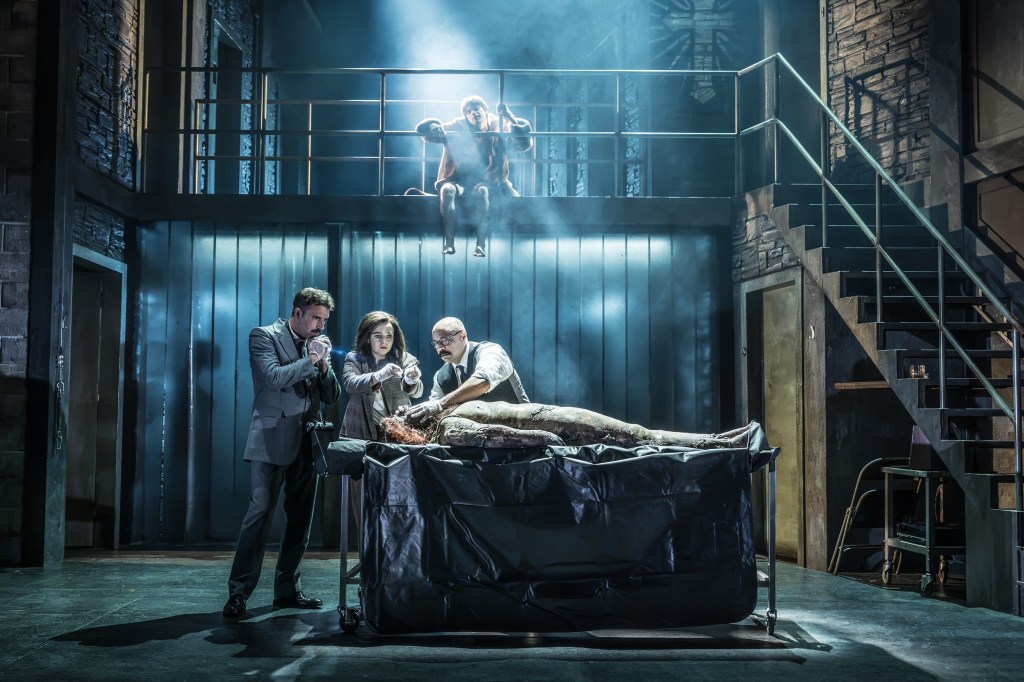
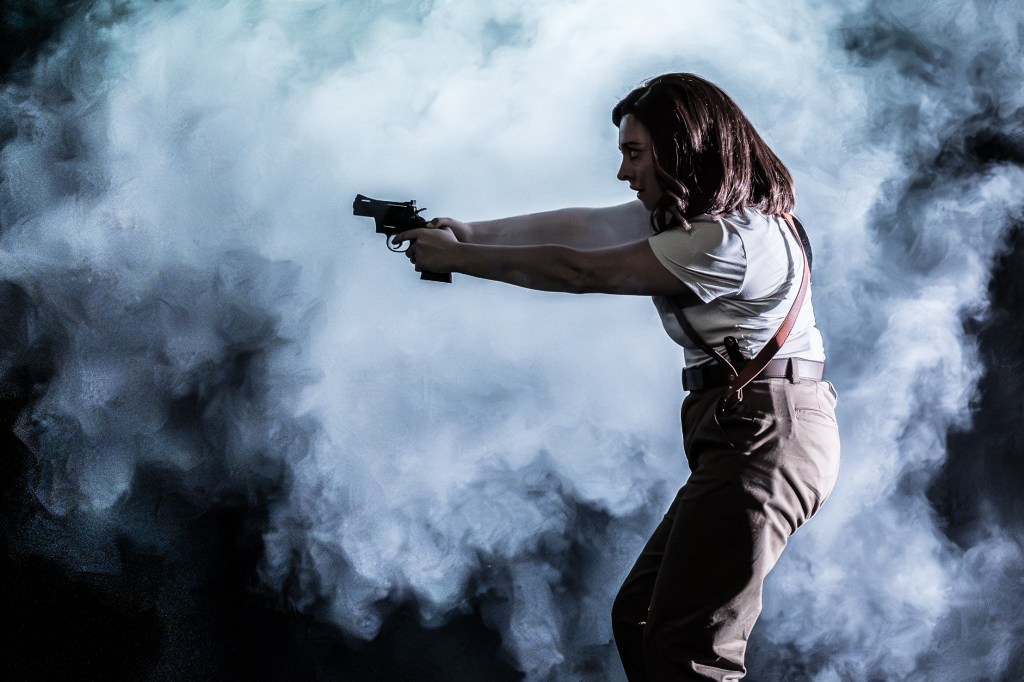
Equally impressive is Mollie Gallagher in her professional stage debut. She strikes the perfect balance between Starling’s confidence and vulnerability, while her West Virginia accent is spot-on. She makes Starling a plucky, likeable heroine who is easy to root for.
The chemistry between Gallagher and Partridge is initially excellent, as they constantly jockey for position and size each other up, becoming increasingly fascinated by one another. Unfortunately, the final act loses some of this tension by shifting their relationship towards something closer to love, which doesn’t quite convince.
Sam Jackson gives a strong physical performance as Buffalo Bill, while the increased interaction between Bill and his victims adds an interesting layer to his character. Oliver Farnworth is also impressive as Jack Crawford, bringing warmth to the damaged, repressed mentor and giving us a real sense of his care for Starling, alongside his awareness of the danger he has placed her in.
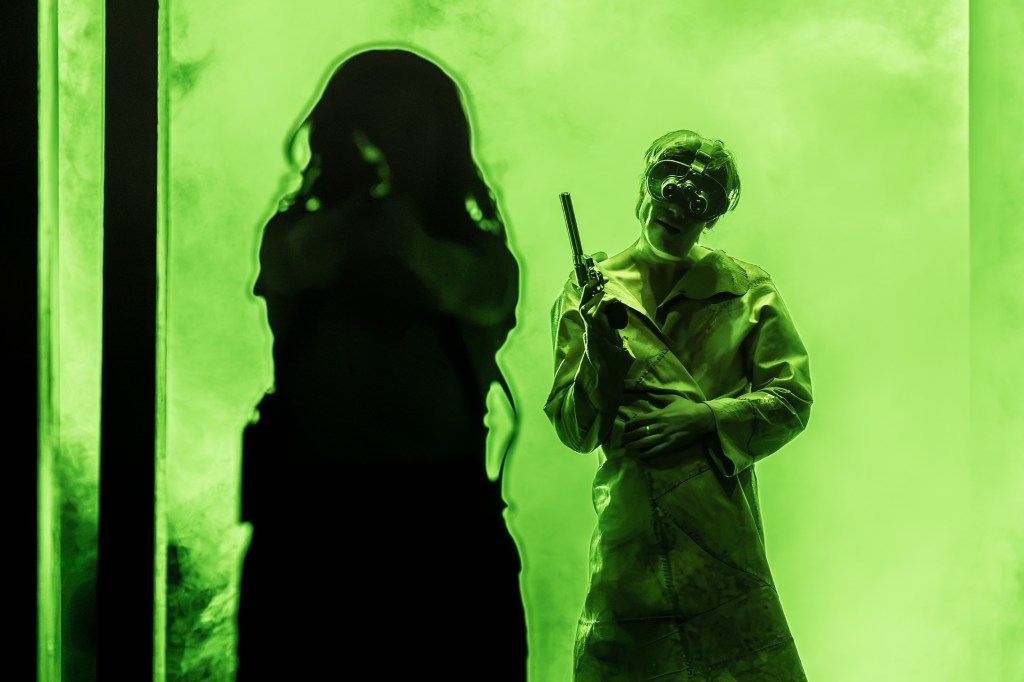
It would have been easy for the production to rely on big jump scares and lashings of blood and gore. Instead, it wisely tones these elements down, meaning that when those moments do occur, they have far greater impact. The production relies much more on the psychological elements of the story to ratchet up the tension, building steadily towards a thrilling climax.
There are still plenty of memorable scenes and lines from the film, but this production is very much its own entity, offering something different while keeping you engaged from start to finish. Strong performances and high production values make for an entertaining and enjoyable night at the theatre, even if it doesn’t come served with fava beans and a nice Chianti!
The Silence of the Lambs is on at The Lowry until Saturday 10th October tickets and info available here.


