The Constant Wife

Reviewed by Sophie Rowley

Opening Night verdict ⭐⭐⭐⭐
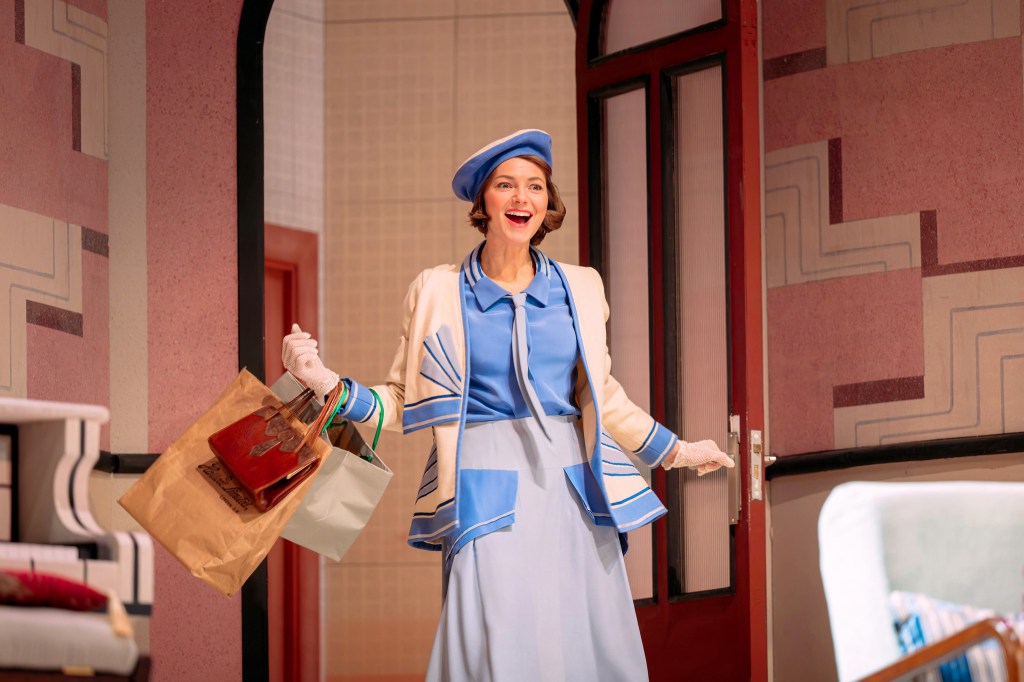
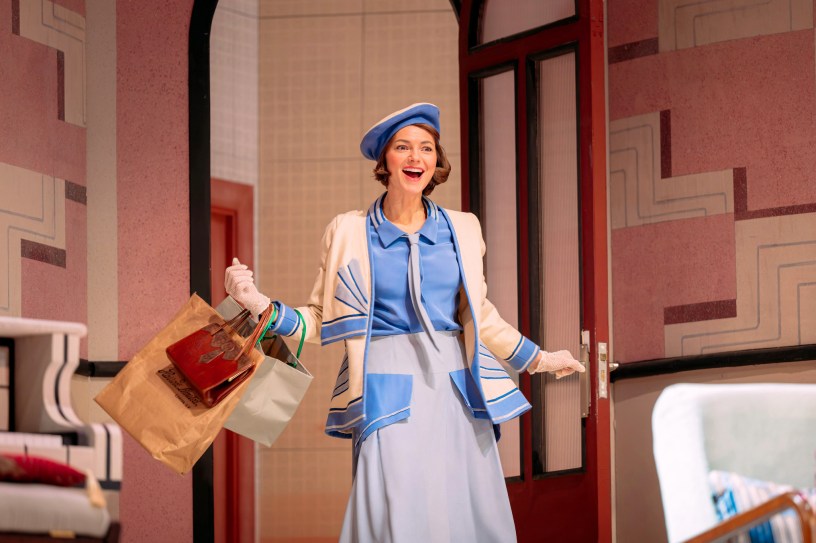
Filled with style, sophistication and sharp wit, W Somerset Maugham‘s 1926 play The Constant Wife explores the institution of marriage, morals and manners turning every expectation on its head with an imaginative alternative telling of infidelity, betrayal and scandal. Being labelled Maugham’s “most clever and captivating creations” he creates the ultimate heroine in Constance Middleton. Always aware of her husband’s extra-curricular activities with her best friend Marie Louise, Constance plays the dutiful wife and in true 1920’s style pretends to live her life in blissful ignorance. That is until the affair is made public, now Constance must decide how she wants to live her new life. Now a century on, how will the 2026 audience receive Maugham’s play?

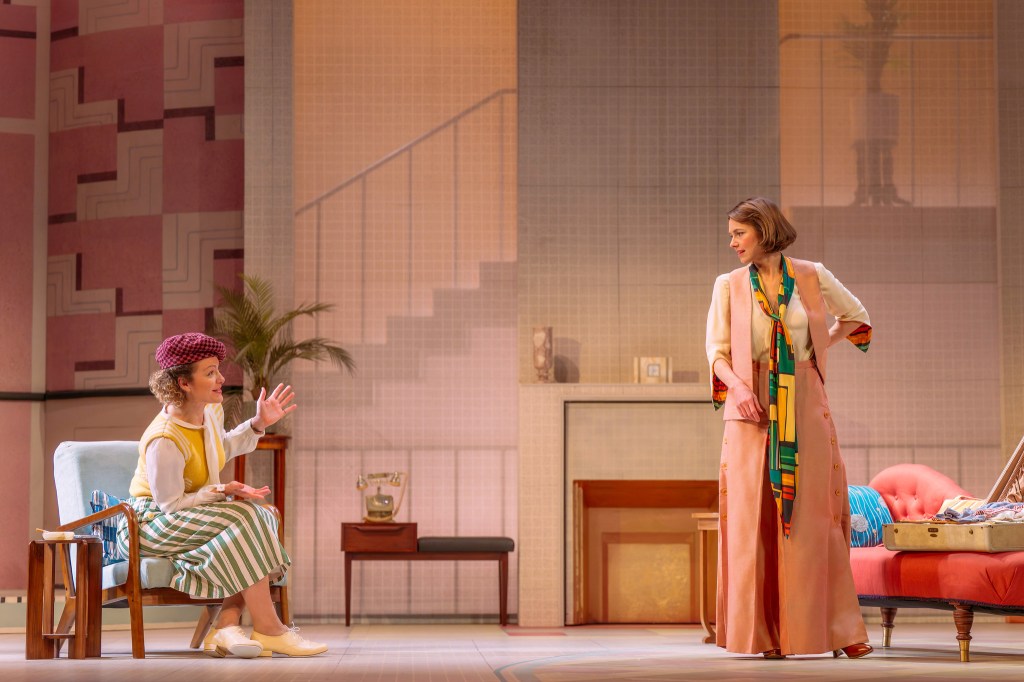
Fresh from the success of a West End run, Maugham’s story is brought to life in this incredible collaboration by David Pugh, Cunard and the Royal Shakespeare Company. Such a trio, the expectation is high for Laura Wade’s Lowry production. Staring Kara Tointin as the formidable heroine Constance who is far ahead of her time. Once the affair is made public, this allows Constance a clean slate to rewrite her story. Tointin plays this wonderfully, she playfully weaves humour and sarcasm into her sizeable script. Moreover, Tointon brings a wonderful modern twist to Constance and despite being set in the 1920’s era, she still manages to make Constance relevant and daring. Maugham’s script shines though in Tamara Harvey’s direction, it’s clear to see why this show has had the success it has.
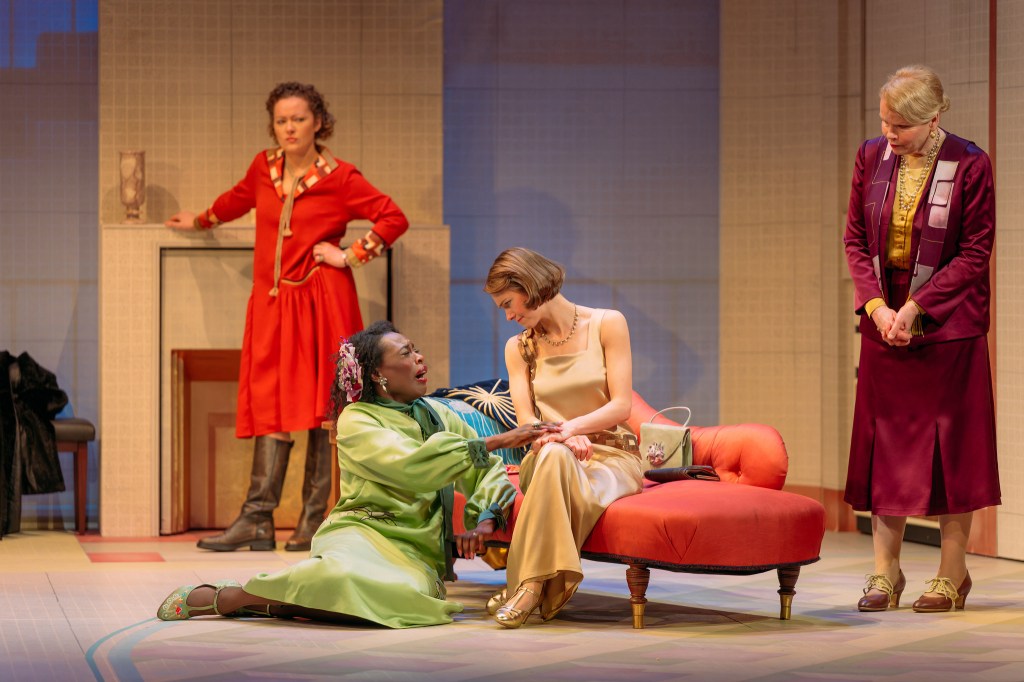
Tim Delap brings a subtle depth to John Middleton who has a predilection for women that aren’t his wife. He plays the 1920’s male very well and the entitlement is played to perfection, especially in the second act when John even slips into melodrama. He epitomised the idea that “men are polygamous and should be allowed their indulgences”. Delap mixes charm with arrogance in his portrayal of John, and as an audience member you feel conflicted in your feeling of him. This conflict of character is also seen in Marie-Louise Durham – played wonderfully by Jocasta King, on the surface she should be despised for defying her loyalty to Constance, yet it could be argued she could be pitied for being swept along in a romance that wasn’t hers to take. The obliviousness King shows in Marie-Louise’s actions highlights her selfishness, this combined with her lack of awareness is a very clever character choice and it works. For me both Delap and King excel in their characterisation and must be commended.

Sara Crowe is perfect as a 1920’s mother – filling Constance with the advice of the time yet she managed to get a few cutting insults on her perception of Constance’s life. Combing humour and wit Crowe brings the archetypal 1920’s mother to life. Amy Vicary-Smith is superb as Martha, Constance’s Sister – the “confirmed Spinster” brings postmodernism to the idea of what a woman is – she is independent and fiercely loyal of Constance. She is a businesswoman and unmarried at a time where this was extremely unfeminine. Like Crowe she brings an effervescent humour that makes the play very enjoyable. Jules Brown, whist having a small part as Mortimer Brown plays a pivotal part as the catalyst for the plot unfolding. Alex Mugnaioni’s portrayal of Bernard as the doting lovesick best friend of Constance adds a entertaining side plot to the play. Finally, Philip Rham’s Bentley the butler is endearing as well as a very talented pianist.
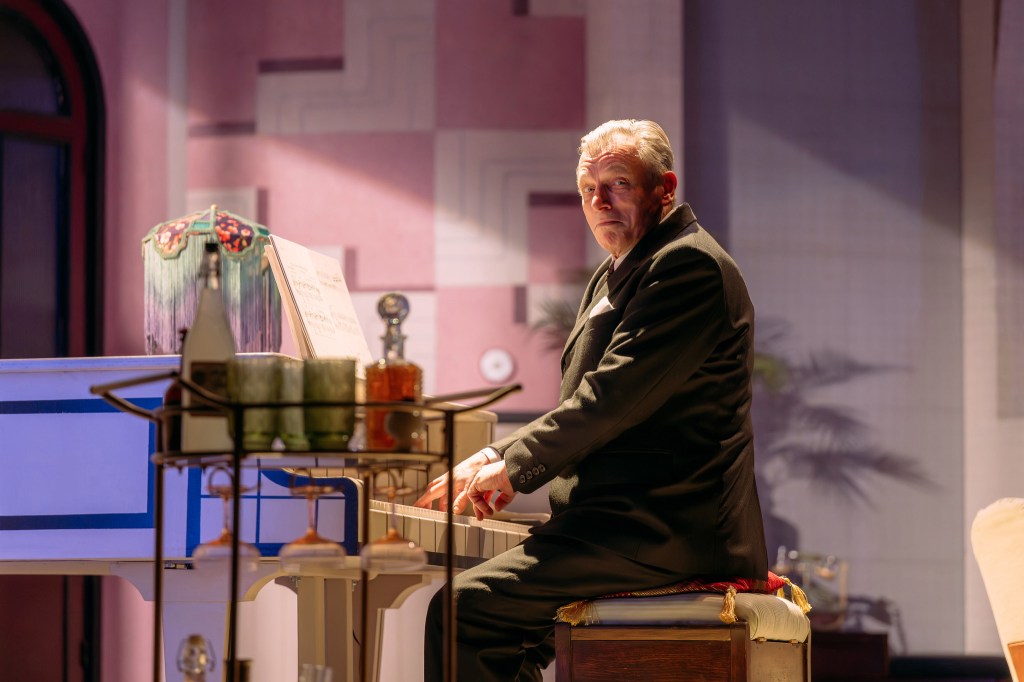
Now a moment must be dedicated to discuss the set and costumes created by Anna Fleischle and Cat Fuller. They have been described as ‘fresh and captivating’ and I cannot disagree. The set is filled with 1920’s staple furniture and art deco designs. Fleischle still brings the 1920’s glamour and elegance with a modern twist that you would see on the high street today.  The combination of these sets and costumes complement one another perfectly and the whole creative team have done a sterling job in creating this masterpiece of visual theatre. For the musical score you can do no better than to include original compositions by Jamie Cullum. Cullum’s signature jazzy tones act as perfect scene changes throughout the play.

The whole production team have delivered an exquisite piece of theatre. The cast is superb in each of their portrayals and are complimented perfectly by the beautiful set, stunning costumes and a jazz soundtrack that will fill you with joy.
The Constant Wife is on at the Lowry until 21st March tickets are available here.
Sheila’s Island

Reviewed by Jodie Crawford

Opening Night verdict ⭐️⭐️⭐️⭐️

Sheila’s island is an adaptation of Tim Firths comedic play “Neville’s Island” – This laugh aloud version is written for an all female cast.

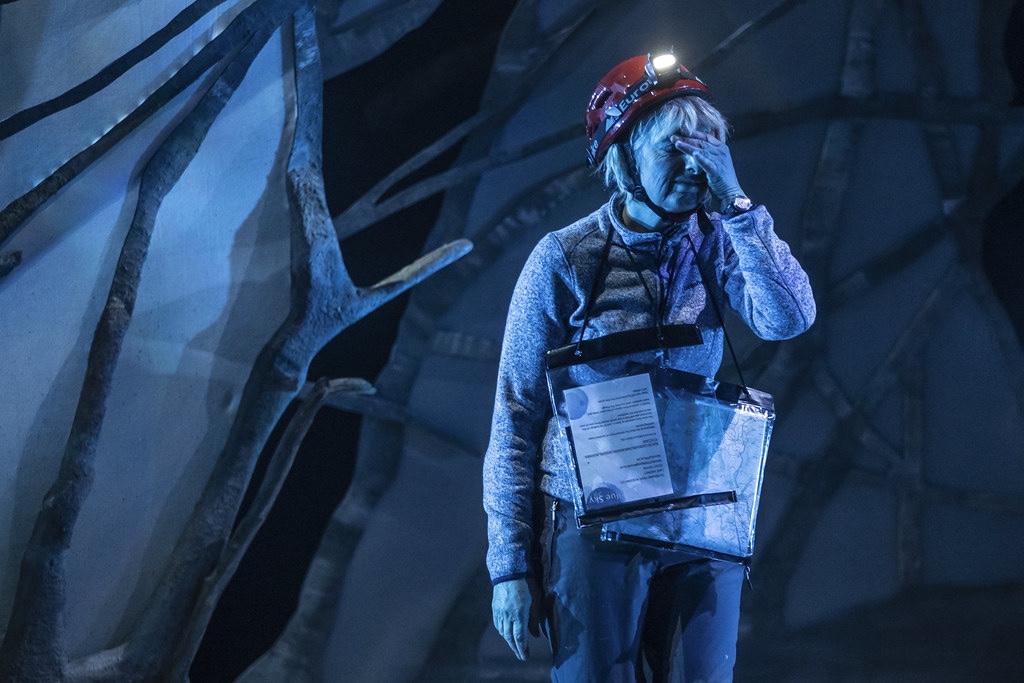
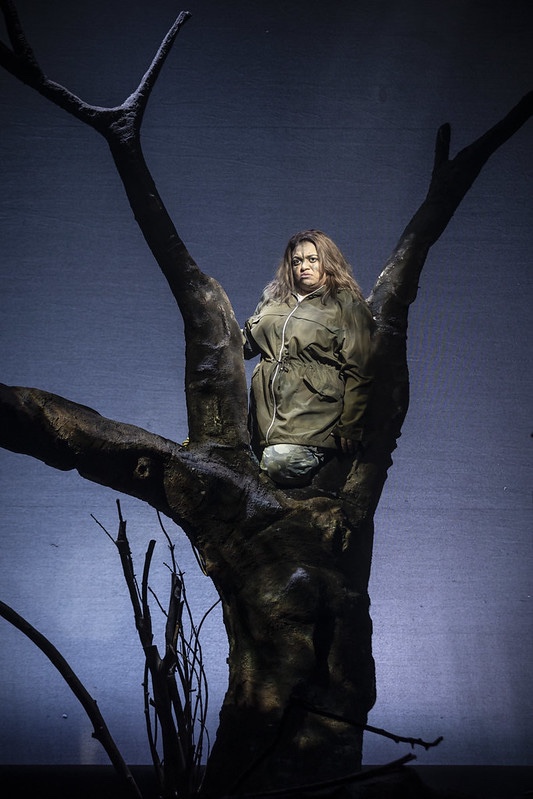
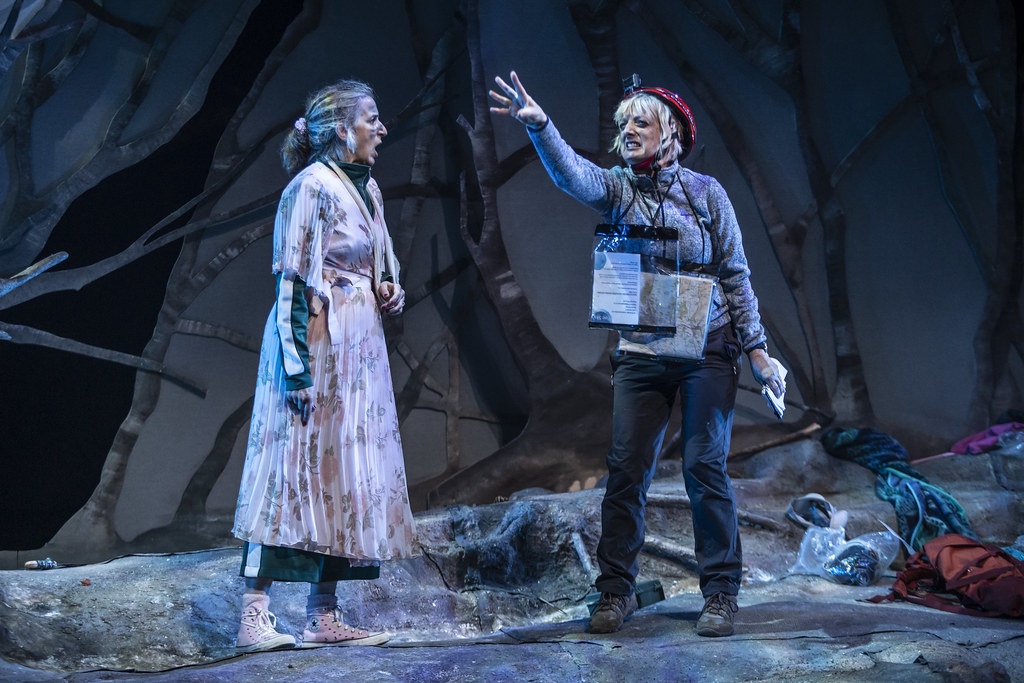
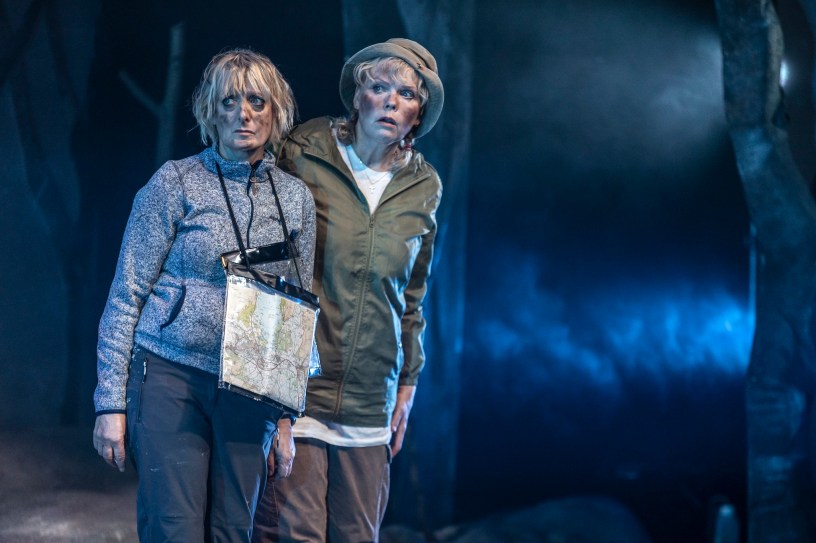
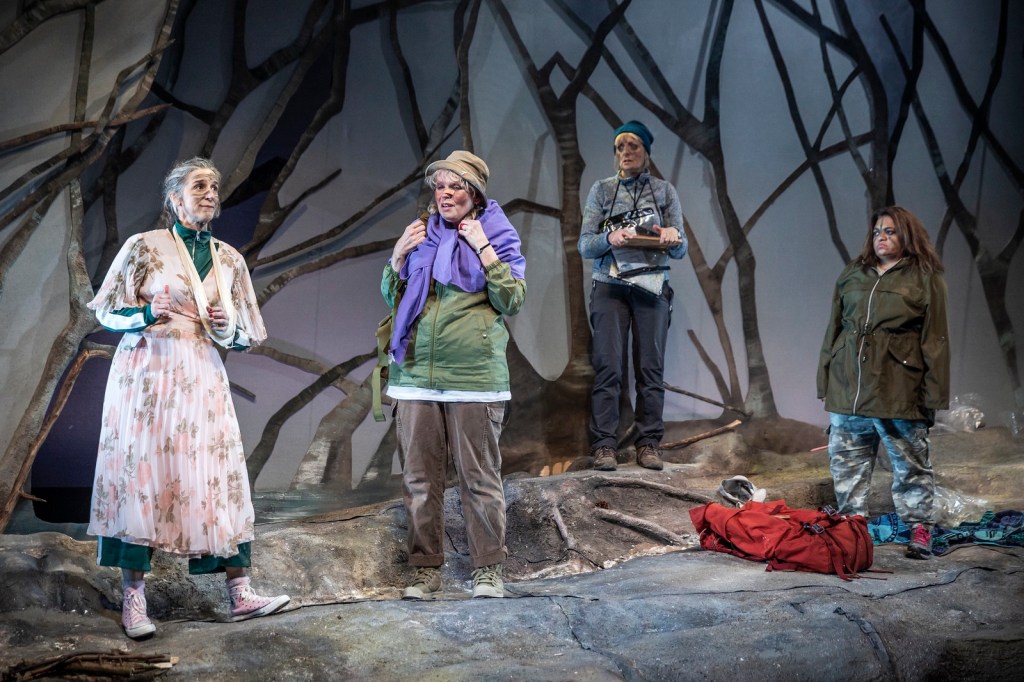
At the beginning of the performance we meet four middle aged women, whom having misinterpreted clues on a team building exercise have ended up washed up and stranded on a small island in the Lake District. We witness the stages that each of these unique characters go through over the days they are marooned as they become desperate to be rescued.

Now clearly there is a target demographic for this show, and it won’t be for everyone. But luckily for me I’m a forties something woman and this show sang to me. I could identify a little bit with every character and I’ve certainly met each of these women in the workplace in my lifetime.

I found it engaging and hilarious – the gags just keep coming and it explores so many relevant every day issues that Middle Aged women face.

The cast were outstanding – Abigail Thaw’s Denise was the character that you hated but loved in equal measure – Thaw’s comedic timing and expression were incredible. There is a clear chemistry between the cast members – but the too-ing and fro-ing between Thaw and Rina Fatania as Julie was hilarious. It’s like the script was written for them.

Judy Flynn holds the story together in her portrayal of Sheila – her monologues keep the plot moving and the audience interested in those occasional moments where the scenes start to drag a little. Sara Crowe’s character Fay provides us with an insight into emotional loss and guilt, but sometimes it feels like these issues needed to be developed further in the script.


The comedy that comes out of the contents of Julie’s backpack is side splitting. We all know someone who goes camping or adventuring with every single item they could possibly buy at the outdoor adverture shop. But the scene with the sausage is absolute genius! I’m not sure I will ever be able to eat a sausage from a hotel breakfast in the same way again. 

Special mention needs to be given to the set design by Liz Cooke- the uneven ground brings a realistic surface to the set, the actors have to watch each step, helping to portray the setting of a remote island. It’s very clever and means that the set, along with the sound and lighting, become a huge part of the show and without that it wouldn’t have the same organic feel to it.

All in all this was a fabulous production, with excellent acting and comedy. All that was missing was greater pace in some scenes and perhaps some further character development. 

If you’ve ever been on a corporate team building weekend away you will definitely recognise these unhinged yet lovable characters.

Sheila’s Island is on at The Lowry until Saturday 2nd April tickets available here.

Calendar Girls

Cal

Opening Night verdict ⭐️⭐️⭐️1/2

Reviewed by Nikki Cotter

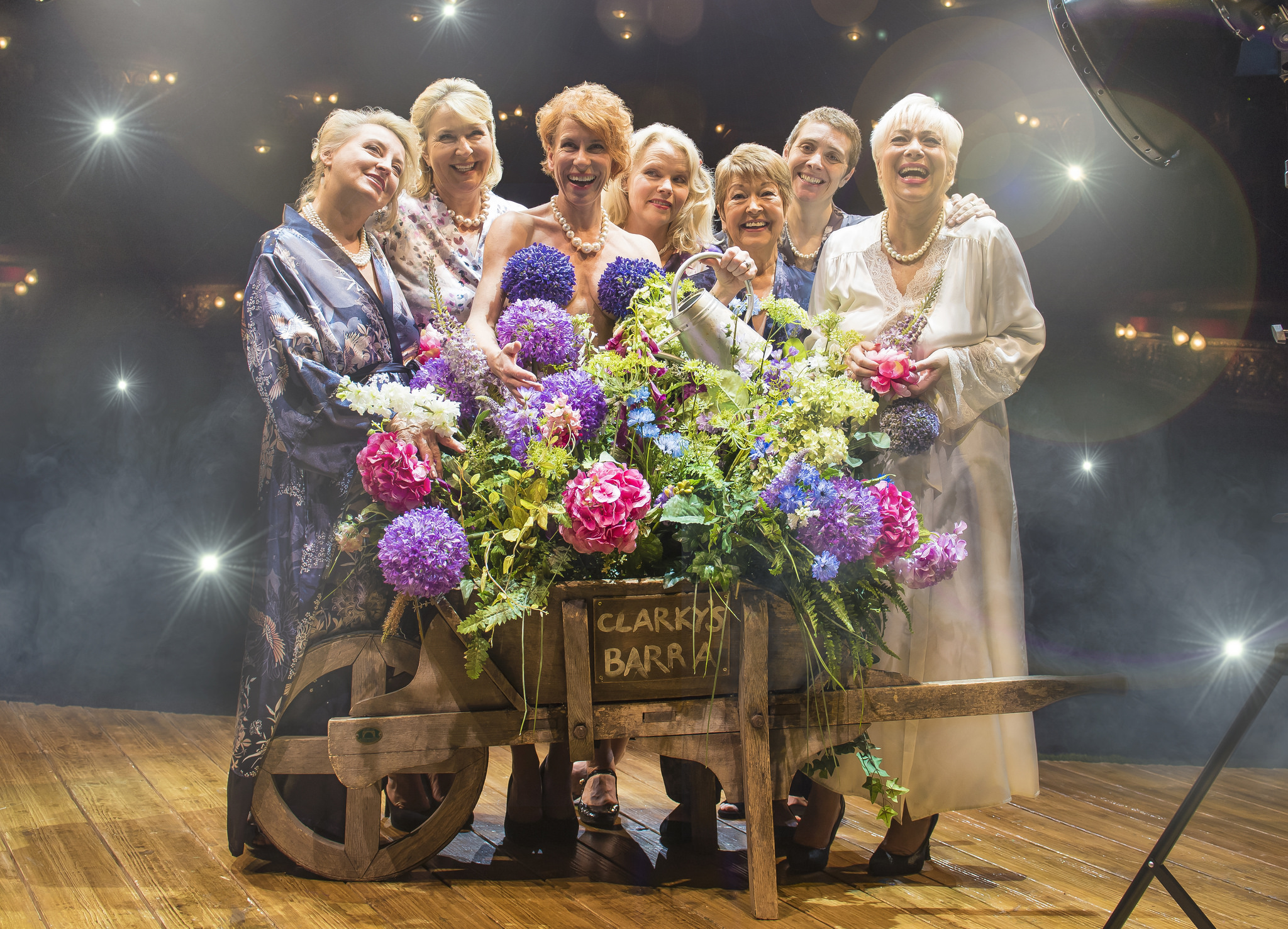
There can’t be many people who don’t know the magnificent story of the Rylstone & District Women’s Institute and their impressively innovative way of raising funds; but, if there are then lucky for them writer Tim Firth and long-time friend Gary Barlow have worked their collective storytelling magic to create a musical about the ground-breaking WI ladies.

When Yorkshire lass and WI member Annie (Anna-Jane Casey) loses her beloved husband John (Phil Corbitt) to leukaemia a seed is planted by best pal Chris (Rebecca Storm) to raise funds for a comfy sofa for the visitor’s room at Skipton General. These funds won’t be raised with a traditional raffle or tasty bake sale, but by the girls creating their very own ‘alternative’ calendar for distribution across the Dales.

There are tender moments throughout this moving piece, where tears threaten as the cruelty of life is played out, none more so than during Anna-Jane Casey’s emotional delivery of Kilimanjaro. These poignant moments are interspersed wonderfully with witty laugh out loud moments which firmly remind us that in life if we want to experience the highs we must also accept the heart-breaking lows.

As the idea of the ladies baring all inches closer to becoming a reality we see them wrestle with their own insecurities and daily battles offering the realisation that we all face similar difficulties and obstacles in life.

Firth and Barlow’s pairing is an impressive one, the script is warm, genuinely funny and entirely relatable while accompanying songs flow seamlessly as lyrical extensions of the script.

The reworking of this piece from its original 2015 incarnation sees some notable changes. The decision to opt for a celebrity based cast works well in part with each actor enormously likeable and engaging however the multitude of accents robs the production of its down to earth, grass roots charm and at times is distracting from the story. As the Yorkshire grit and determination is lost so its authenticity is watered down.

Likewise designer Robert Jones has scaled back the previous touring set, the green drawers and cupboards which created the rolling Yorkshire hills now replaced with a regularly opened gate, effective still but its impact not comparable.

Despite these quibbles Firth and Barlow’s superb storytelling still shines through as the cast take us on an inspirational story which turns tragedy into triumph.

Anna-Jane Casey and Rebecca Storm as best friends Annie and Chris are hugely impressive, pals through thick and thin their pairing is convincing and genuinely touching.

Karen Dunbar as Cara is hilarious, add to this a superb turn from the legendary Ruth Madoc who delights in every opportunity to raise a laugh.

There’s also a wonderfully written comedy sub-plot in which the younger members of the cast fight their own battles of teenage angst, first love and the absolute worst….embarrassing parents. Isabel Caswell, Danny Howker and Tyler Dobbs as Jenny, Danny and Tommo respectively are joyful to watch.

Calendar Girls portrays the inspirational story of the courageous women of Yorkshire with wit and genuine warmth, while there is sadness the bloody-minded defiance of these strong Northern women is there for all to see. Heart-warming in its delivery and inspiring in its message.

Calendar Girls is on at The Lowry until Saturday 10th November tickets available here.