

Reviewed by Matt Forrest
Opening Night verdict ⭐⭐⭐⭐
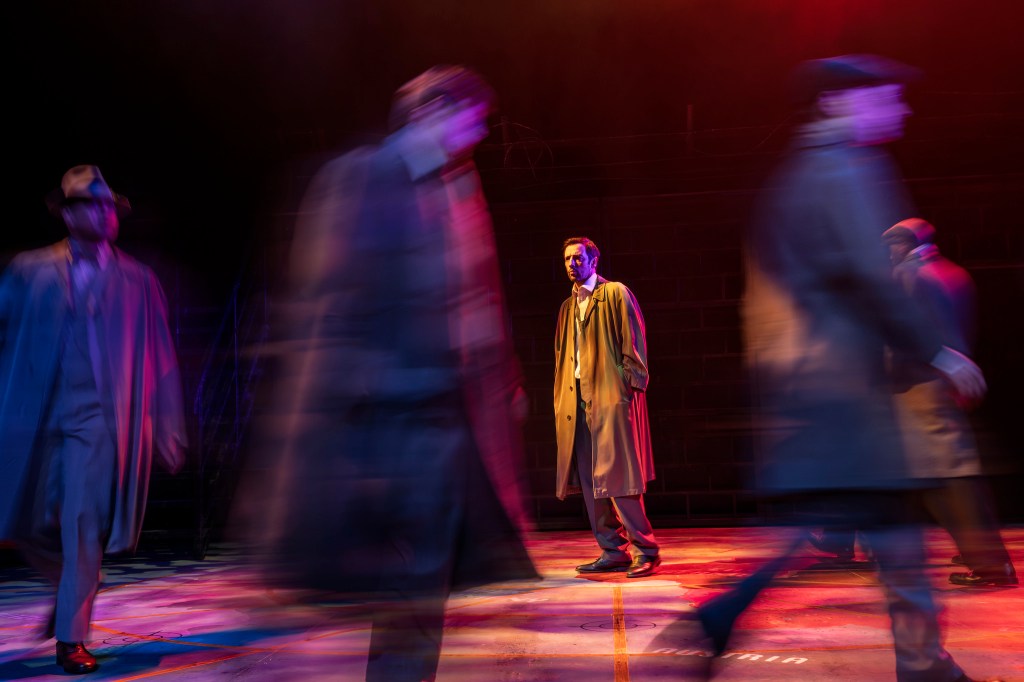
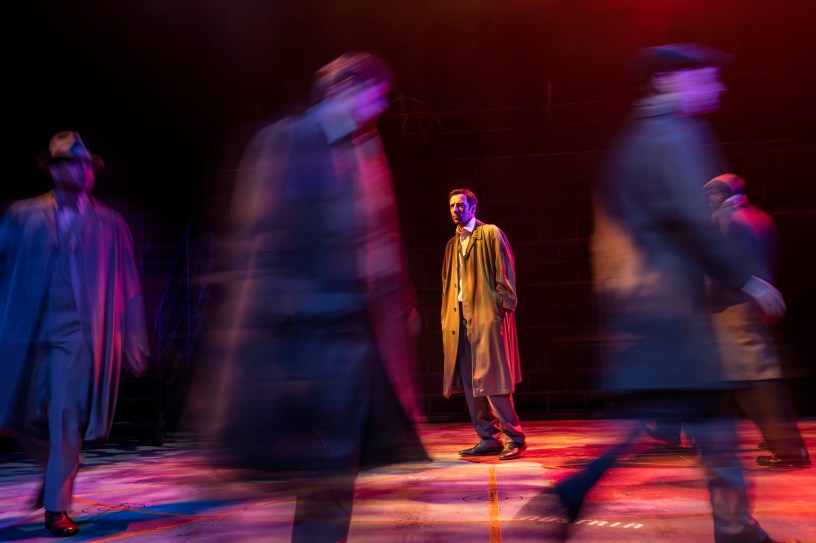
Adapting one of the most celebrated and admired novels of the twentieth century for the stage is a daunting challenge, but playwright David Eldridge has approached John le Carré’s The Spy Who Came in from the Cold with remarkable confidence and skill. It is easy to understand why it has taken so long for one of le Carré’s novels to make its way to the stage, as expectations from devoted fans were always going to be high. Thankfully, Eldridge, alongside director Jeremy Herrin and tour director Joe Lichtenstein, have risen to the challenge. Together they have brought this intelligent and suspenseful thriller vividly to life, preserving the novel’s atmosphere of intrigue while delivering a production filled with twists, turns, betrayals and double-crosses. The result is a gripping and compelling evening of theatre that does full justice to its acclaimed source material.
Set in 1963, with Cold War tensions between East and West at breaking point and the Berlin Wall still a recent and imposing symbol of division, the story introduces us to Alec Leamas (Ralf Little), a weary British intelligence officer preparing to leave Berlin and the dangerous world of espionage, following the death of his trusted agent and friend, Karl Riemeck (Jonny Burman). Instead of a quiet retirement Leamas is persuaded to undertake one final mission, lured by the promise of revenge against Hans-Dieter Mundt, (Peter Losasso) the ruthless East German intelligence officer responsible for Riemeck’s death.
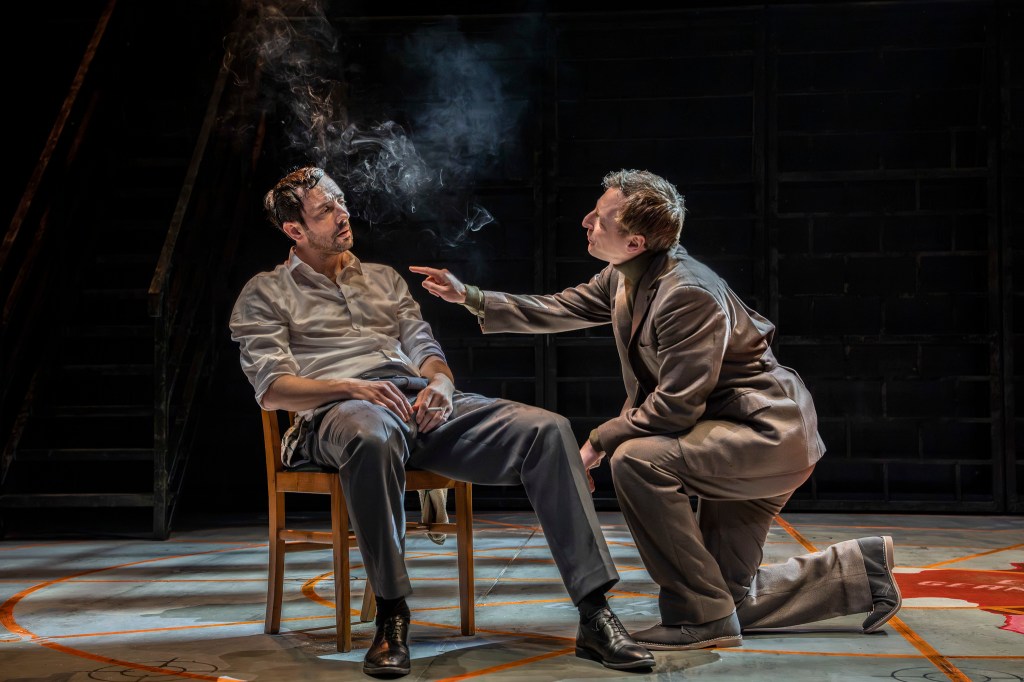
Hovering over the operation is the seemingly retired master spy George Smiley (Tony Turner), whose reputation and mentoring is ingrained in Leamas’s conscience throughout the mission. As his carefully constructed assignment unfolds, Leamas finds himself navigating an increasingly tangled web of deception, where every move appears to have been anticipated. Matters become even more complicated when he meets Liz Gold (Gráinne Dromgoole), a kind-hearted young Jewish Communist librarian whose growing affection for Leamas offers him a glimpse of a life beyond espionage.
As Leamas begins to question not only who he can trust but also the morality of the organisation he has served so loyally. He desperately tries to stay one step ahead of the lies, manipulation and betrayal in the hope of getting out alive.
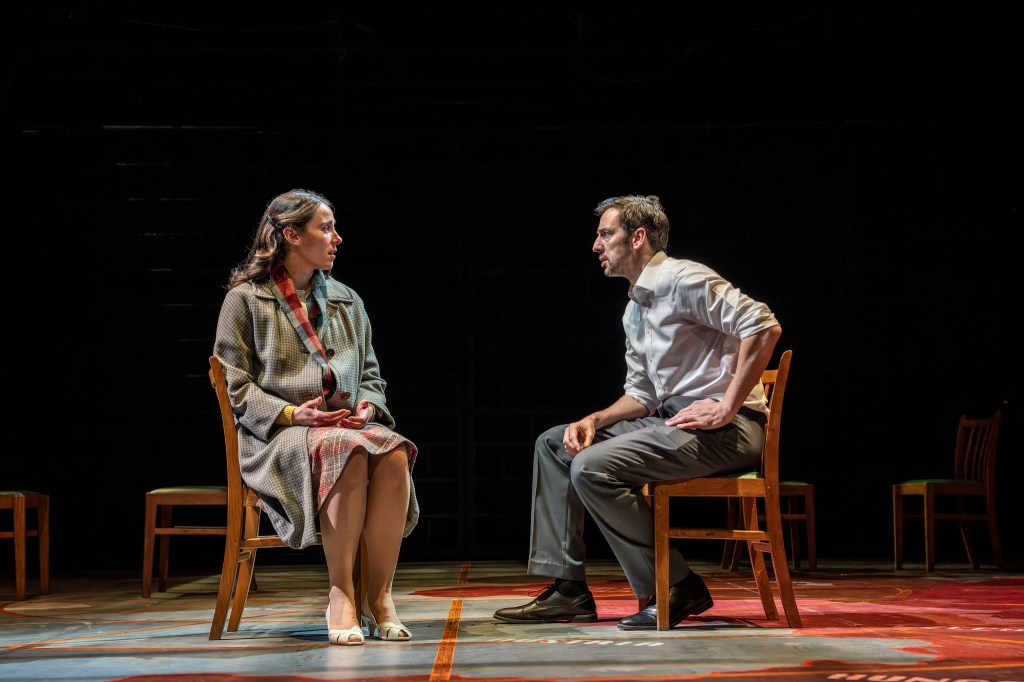
Despite an opening that is perhaps a little too reliant on exposition, the script soon finds its rhythm, navigating the novel’s intricate plot with clarity. At the heart of the production is a superb performance from Ralf Little as Alec Leamas. Little brings real depth to the role, portraying the veteran spy with an air of paranoia, cynicism and emotional fatigue, while never losing sight of the resilience and unwavering sense of duty that define the character. He also finds moments of dry humour that puncture the tension and provide welcome flashes of levity, although one comedic moment towards the conclusion feels slightly out of place and doesn’t quite land.
The relationship between Leamas and Liz Gold forms the emotional core of the production, and the chemistry between Little and Gráinne Dromgoole ensures the audience remains fully invested in their growing connection. Dromgoole is equally impressive, portraying Liz as a compassionate, idealistic and quietly courageous young woman who becomes an unwitting pawn in a dangerous game of political manipulation. Her warmth provides a striking contrast to Leamas’ hardened exterior, making their relationship all the more poignant.
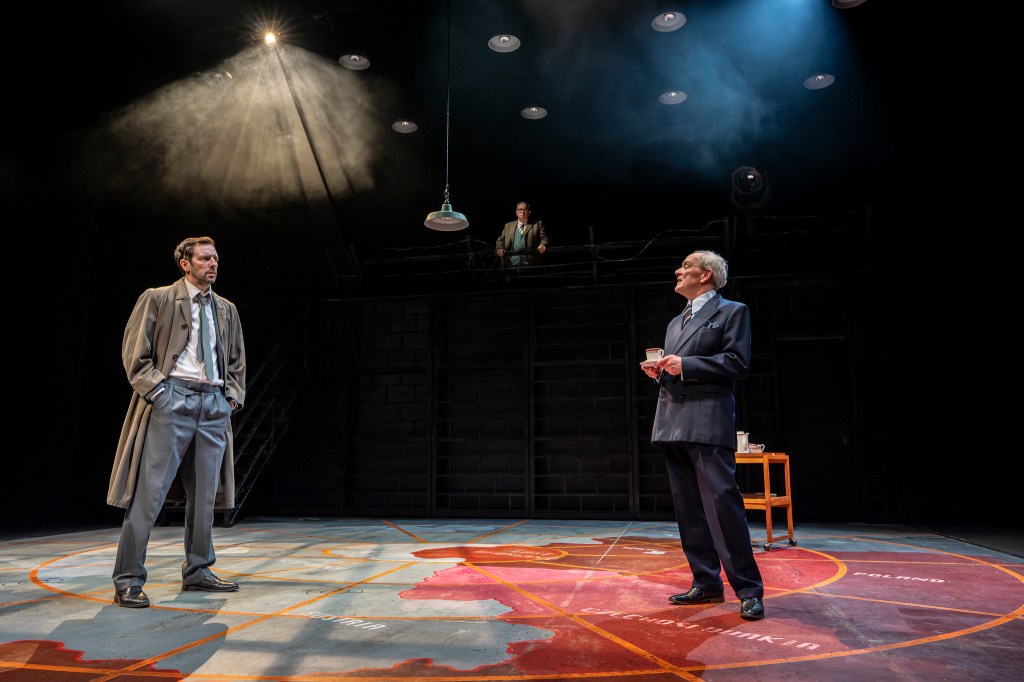
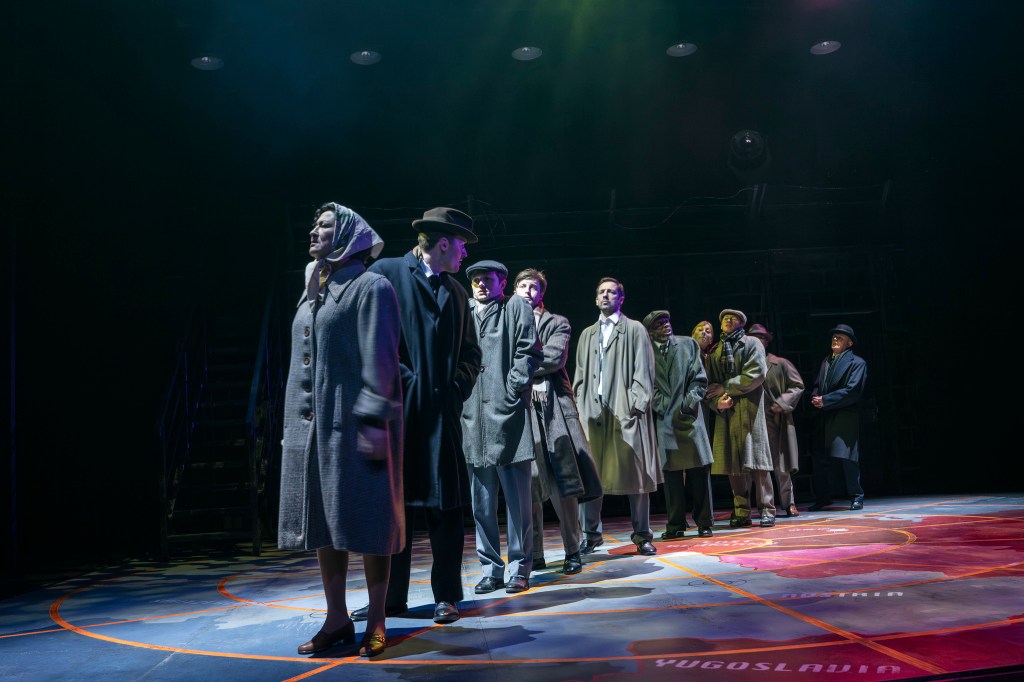
Despite the vast scale of the Lyric Theatre stage, production designer Max Jones creates a world that feels remarkably claustrophobic and oppressive. Through a minimalist set, cleverly configured to suggest multiple locations, the production evokes the suffocating atmosphere of Cold War Berlin with impressive economy. Paul Englishby’s haunting, noir-inspired score heightens the sense of unease throughout, while Azusa Ono’s atmospheric lighting design makes striking use of shadow and darkness to reinforce the themes of secrecy, surveillance and deception. It is a perfect example of the old adage that less is more, with every design element working in harmony to immerse the audience in le Carré’s morally ambiguous world.
As expected in a Cold War thriller, moments of violence are inevitable. Though used sparingly, they are impactful, uncomfortable and gripping, adding to the production’s realism rather than feeling gratuitous. Expertly choreographed by fight director Salvatore Sorce, they leave a lasting impression.
This is a well-crafted and faithful adaptation that captures the spirit of le Carré’s novel and keeps the audience engaged from the very beginning. It is refreshing to see a literary adaptation make such a successful transition to the stage. A must-see for devoted le Carré fans, it also serves as an excellent introduction for newcomers to his work.
 Opening Night